
Protect Yourself: The Importance of Safety Equipment When Using Carbide Burs
Most people skip safety gear for deburring, thinking it’s just extra hassle. But carbide burs throw off dust and metal fragments that can seriously harm your eyes, lungs, and hands. If you want to keep working without injury, the right protective equipment deburring makes all the difference. Let’s break down what you need to stay safe every time you use carbide burs. For more insights, visit this guide.
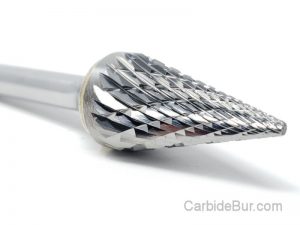
Click here to see our entire selection of USA made carbide bur tools
Essential Safety Gear for Deburring
Safety isn’t just a precaution—it’s your guarantee of continued craftsmanship. Let’s explore the vital equipment needed to safeguard your health.
Importance of Safety Glasses
Your eyes are invaluable, and keeping them safe should be a top priority. When using carbide burs, tiny metal fragments can fly at incredible speeds. Safety glasses act as a barrier against these potential hazards.
-
Look for glasses that meet ANSI Z87.1 standards.
-
Anti-fog and scratch-resistant features enhance visibility and durability.
-
Wraparound designs offer better side protection.
By investing in quality safety glasses, you’re ensuring that your vision remains uncompromised. Most people underestimate this simple gear, but it can make all the difference.
Respirator and Dust Mask Tips
Protecting your lungs from dust and fumes is essential. A simple dust mask may not suffice when working with carbide burs. Opt for a respirator that offers more comprehensive filtration.
-
Choose N95 or higher-rated masks for optimal protection.
-
Ensure a snug fit to prevent airborne particles from slipping in.
-
Replace filters regularly to maintain efficacy.
It’s a small step that can prevent long-term health issues. The longer you wait, the greater the risk to your respiratory health.
Hearing Protection Strategies
Noise from grinding can damage your hearing over time. While it might not seem loud at first, prolonged exposure can lead to hearing loss.
-
Use earplugs or earmuffs with a noise reduction rating (NRR) appropriate for your environment.
-
Consider electronic ear protection that amplifies low-level sounds while blocking harmful noise.
-
Regular breaks can also reduce exposure time.
Protecting your hearing ensures you continue to enjoy your craft without compromise.
Protective Equipment Essentials
Beyond the basics, specialized gear can further enhance your safety and comfort. Here’s what you need to know.
Wearing Cut-Resistant Gloves
Your hands are your tools, and keeping them safe is crucial. Cut-resistant gloves provide a layer of defense against sharp burrs.
-
Look for gloves with an ANSI cut level rating appropriate for your tasks.
-
Ensure a comfortable fit to maintain dexterity.
-
Reinforced fingertips offer added durability.
Gloves may feel cumbersome at first, but they quickly become an essential part of your workflow.
Using a Chip Shield on Grinders
A chip shield helps contain flying debris, protecting both you and your workspace. It’s an often-overlooked component that can dramatically reduce cleanup times.
-
Opt for a clear shield to maintain visibility.
-
Adjustable shields offer flexibility for different projects.
-
Regularly clean the shield to ensure maximum transparency.
By minimizing flying debris, you create a safer and more efficient environment.
Proper Ventilation Techniques
Good ventilation is key to removing harmful particles from the air. It’s not just about comfort; it’s about safety.
-
Use fans to direct fumes away from your breathing zone.
-
Ventilation systems with filters can help trap dust.
-
Regularly check and maintain your ventilation setup.
Proper airflow ensures that your workspace remains healthy and pleasant.
Choosing the Right Carbide Burs
Selecting the right carbide burs can enhance your deburring process. Let’s dive into the specifics.
Differences Between Single and Double Cut
Understanding the distinction between single and double cut burs can optimize your projects.
-
Single cut burs: Ideal for rapid stock removal and rougher finishes.
-
Double cut burs: Provide smoother finishes and more control.
Each type serves a unique purpose, so choose based on your project needs.
Selecting Carbide Burr Shapes
The shape of your burr impacts its performance. Different tasks require different shapes.
-
Ball shape: Great for concave surfaces.
-
Cylinder shape: Best for flat surfaces and right angles.
-
Oval shape: Useful for rounded edges.
Selecting the right shape improves efficiency and results.
Best Burs for Aluminum and Steel
Different materials call for specific burs. Here’s what works best:
-
For aluminum: Use a burr designed to prevent clogging and maintain a smooth finish. Check out this comprehensive guide.
-
For steel: Look for high-strength burs that can withstand hard materials. Learn more from this resource.
Choosing the appropriate burs enhances your workflow and ensures precision.
Incorporate these safety gear and equipment into your routine, and you’ll find a more enjoyable, productive, and safe deburring experience. Remember, safety gear for deburring is not just a recommendation—it’s a necessity. Stay safe and keep your craft thriving!
Click here to see our entire selection of USA made carbide bur tools
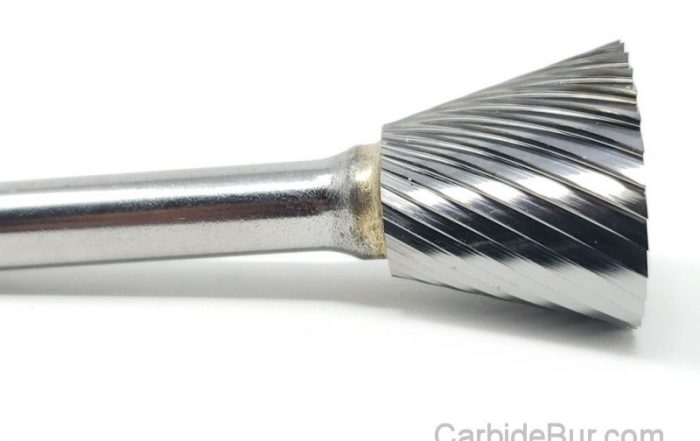
1/8 vs 1/4 Inch Carbide Burrs: What’s the Difference?
1/8 vs 1/4 Inch Carbide Burrs: What's the Difference? Choosing between a 1/8 inch carbide burr and a 1/4 inch carbide burr can change how your project turns out. Many machinists and hobbyists overlook how [...]
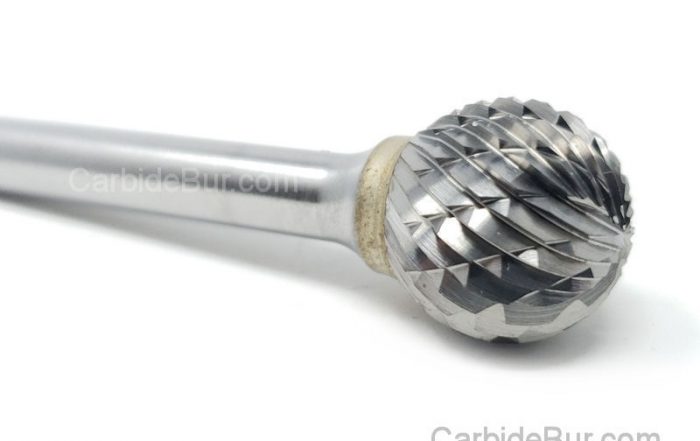
Best Carbide Burr for Removing Flash From Castings
Best Carbide Burr for Removing Flash From Castings Removing flash from castings is a task that can slow down your entire metalworking process if you don’t have the right tools. Picking the best carbide burr [...]
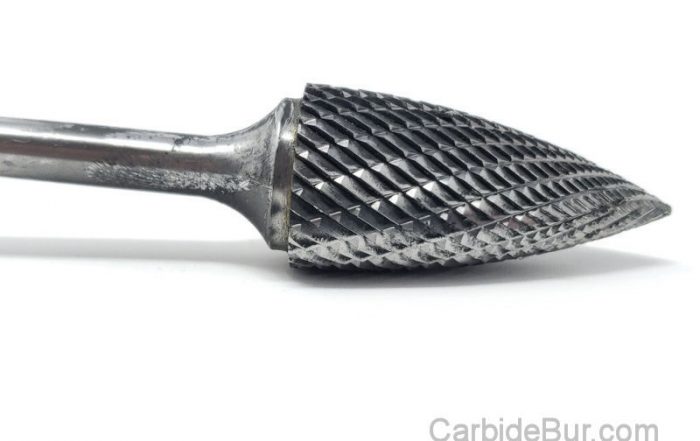
What RPM Should You Use for a 1/4 Inch Carbide Burr?
What RPM Should You Use for a 1/4 Inch Carbide Burr? Most machinists guess the right speed for a 1/4 inch carbide burr and hope for the best. Using the wrong carbide burr RPM can [...]
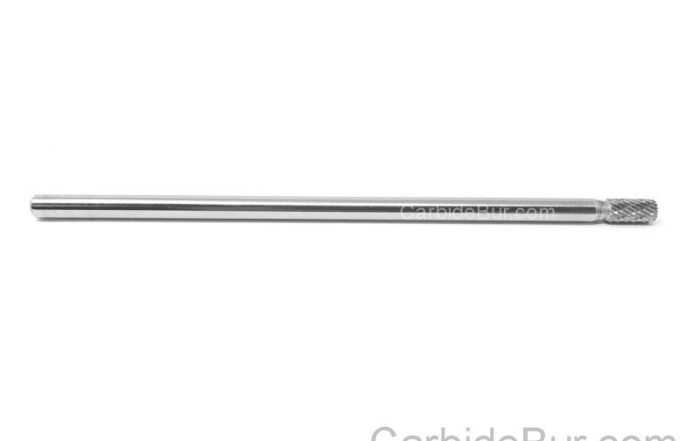
Long Shank Carbide Burrs: When Do You Need One?
Long Shank Carbide Burrs: When Do You Need One? Most machinists overlook the power of long shank carbide burrs until a project demands precision in tight spaces. When your usual tools can’t reach intricate contours, [...]
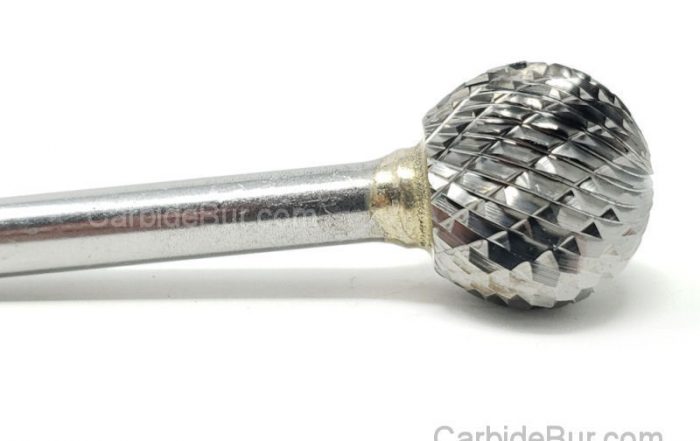
How Deep Can a Carbide Burr Cut Metal?
How Deep Can a Carbide Burr Cut Metal? Carbide burrs often get praised for their precision, but many users hit a wall wondering how deep they can actually cut metal. The truth is, cutting depth [...]
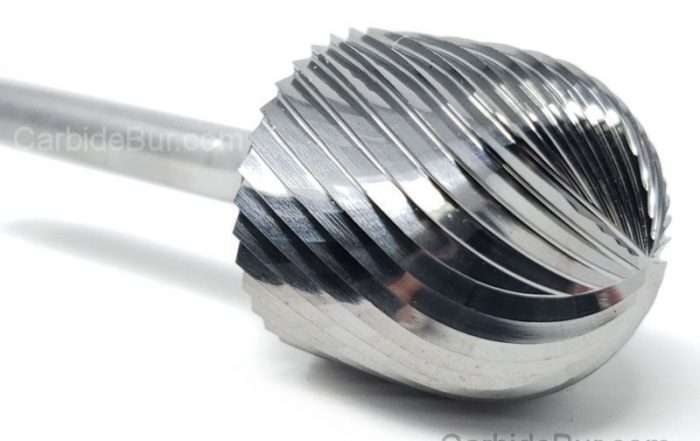
How to Use Carbide Burrs for Port Matching
How to Use Carbide Burrs for Port Matching Most engine builds hit a wall when airflow doesn’t flow smoothly between the ports and manifolds. If your engine isn’t breathing right, your performance stalls. Using the [...]
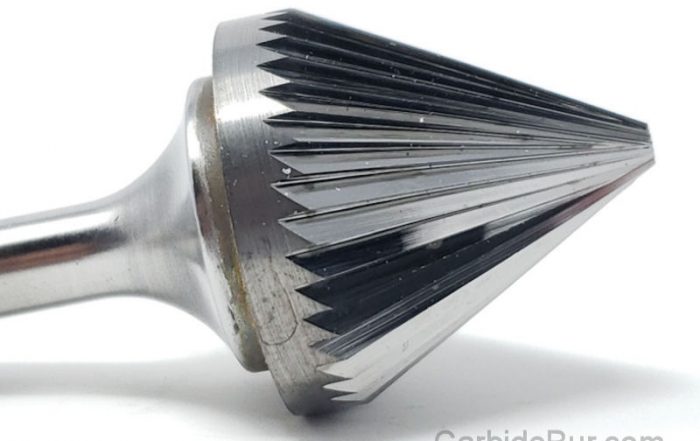
Best Carbide Burr for Porting Intake Manifolds
Best Carbide Burr for Porting Intake Manifolds Porting intake manifolds can make or break your engine’s airflow, yet many struggle with the right tools for the job. Choosing the best carbide burrs is key to [...]
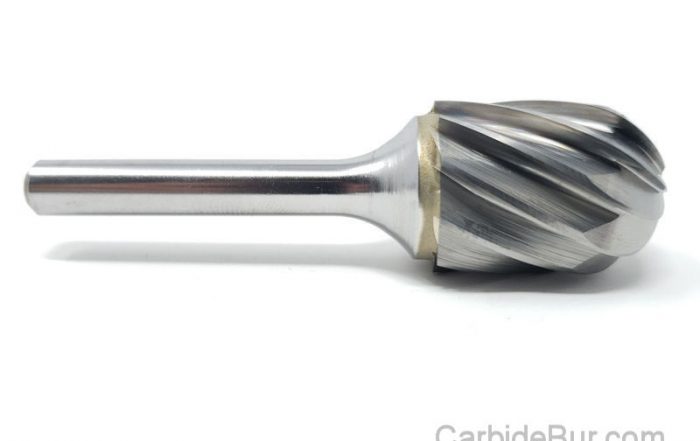
Best Carbide Burr for Concave Surfaces
Best Carbide Burr for Concave Surfaces Concave surfaces can turn a straightforward project into a frustrating challenge if you don’t have the right tool. Carbide burrs designed for these tricky curves make all the difference [...]
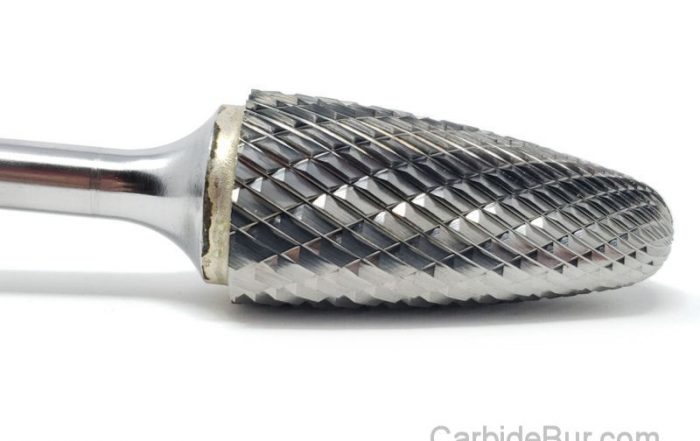
How to Grind a Slot in Metal With a Carbide Burr
How to Grind a Slot in Metal With a Carbide Burr Grinding a precise slot in metal can feel like a tricky task, especially if you’re unsure which tools to trust. Carbide burr grinding offers [...]

Best Carbide Burr for Inside Corners
Best Carbide Burr for Inside Corners Working in tight inside corners can turn even simple projects into frustrating tasks. Many carbide burrs just don’t fit or cut cleanly where you need them most. The best [...]
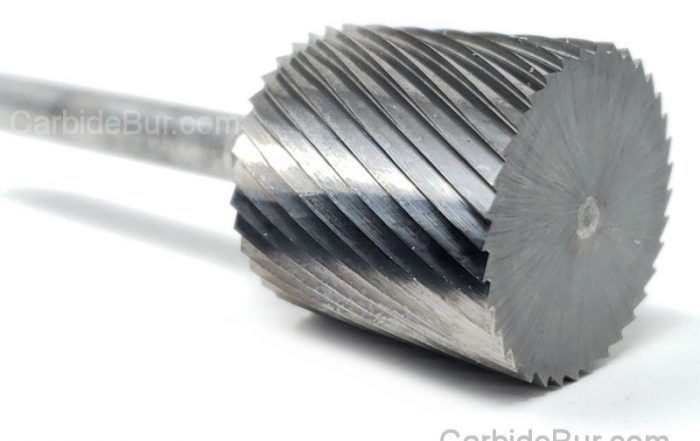
What Size Carbide Burr Do I Need?
What Size Carbide Burr Do I Need? Picking the wrong carbide burr can turn a simple project into a frustrating mess. You might have the best machining tools but still miss the mark if your [...]
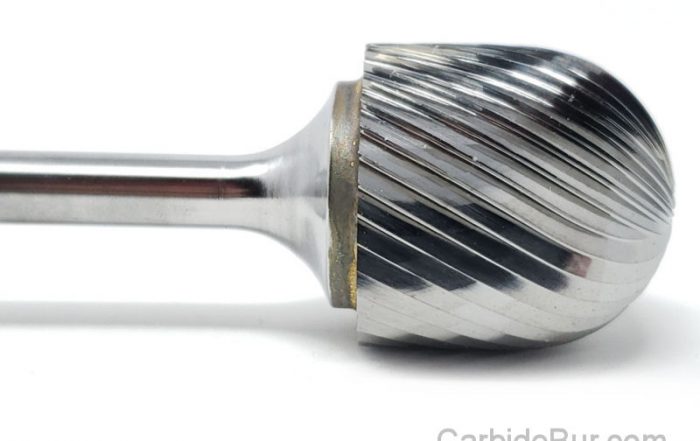
How to Smooth Sharp Metal Edges With a Carbide Burr
How to Smooth Sharp Metal Edges With a Carbide Burr Sharp metal edges can turn your project from professional to risky in seconds. If you’ve struggled with smoothing metal edges without scratching or weakening the [...]
