
The Ultimate Guide to Choosing the Right Carbide Bur for Deburring Steel and Aluminum
Using the same carbide bur for deburring steel and then aluminum causes serious problems. Steel chips get stuck in the flutes and smear onto aluminum, leading to clogging and poor finishes. To avoid this, you need to dedicate burs to each material or clean them carefully with a brass brush and solvent between uses. This guide will help you choose the best carbide burr for deburring and keep your metalworking tools in top shape. For more information, check out this link.
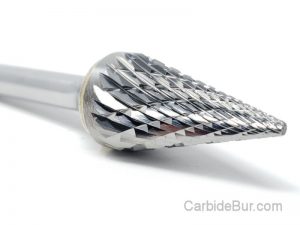
Click here to see our entire selection of USA made carbide bur tools
Choosing the Right Carbide Bur
Selecting the correct carbide bur can elevate your metalworking projects. This section will guide you through understanding and picking the right types for your needs.
Understanding Carbide Bur Types
Carbide burs come in various shapes and sizes, each designed for specific tasks. The three main types are cylindrical, ball-shaped, and tree-shaped. Cylindrical burs work well for flat surfaces and right-angle corners. Ball-shaped ones are perfect for deburring round edges, while tree-shaped burs excel in tight spots. Knowing the purpose of each type helps you choose wisely and enhance your work quality.
Here’s the key insight: choosing the correct shape directly impacts your results. For instance, a tree-shaped bur can access tight spaces effortlessly. If you’re working on intricate designs, this shape is invaluable. Keep these insights in mind as we explore more about materials and compatibility.
Material-Specific Selection Tips
Different materials need specific burs. Using a single bur for both steel and aluminum can lead to cross-contamination, causing inefficient cuts. Instead, select a dedicated carbide burr for steel and another for aluminum. This minimizes issues like clogging and ensures cleaner finishes.
For those focusing on aluminum projects, this guide offers detailed insights. Remember, the longer you use the same bur for different materials, the less effective it becomes. Protect your investment by selecting the right tool for each job.
Avoiding Cross-Contamination
Cross-contamination between different materials can degrade your work quality. Let’s explore effective cleaning and maintenance tips to keep your burs in prime condition.
Cleaning Burs Effectively
Cleaning your burs is crucial. After each use, scrub them with a brass brush and use a solvent to remove residual debris. This ensures that steel chips don’t embed into aluminum surfaces. Regular cleaning not only maintains efficiency but also extends the life of your tools.
Most people think a quick wipe is enough, but thorough cleaning is essential. A well-maintained bur delivers consistent performance, saving you time and effort in the long run.
Maintenance for Longevity
Routine maintenance is key. Store burs in a dry place, and inspect them regularly for wear. If a bur shows signs of dullness, consider replacing it. Consistent care keeps your tools sharp and ready for any project.
Here’s a pattern break: while some believe replacing burs is costly, regular maintenance actually reduces long-term expenses. By caring for your tools, you ensure they perform well, cutting precisely and efficiently.
Optimizing Deburring Techniques
Mastering deburring techniques improves your results significantly. Let’s explore how to select the right shapes and cuts for your tasks.
Selecting Carbide Burr Shapes
Choosing the right shape depends on your project. Cylindrical burs are ideal for flat surfaces, while ball-shaped burs excel at smoothing round edges. Each shape serves a unique purpose, enhancing your ability to handle diverse tasks.
Consider a scenario: you’re working on an intricate design with many curves. A ball-shaped bur offers precision, ensuring each curve is smooth and flawless. This example highlights the importance of selecting the right shape for your work.
Single vs. Double Cut Burs
Single cut burs are excellent for harder materials like steel, providing a smooth finish. Double cut burs are versatile, suitable for softer materials such as aluminum, and offer a finer finish. Understanding the difference helps you achieve the desired results.
Here’s a common belief: more cutting edges mean better performance. In reality, the right choice depends on your material. Selecting the appropriate cut ensures clean, efficient results every time.
By understanding these principles, you equip yourself with the knowledge to handle any metalworking task confidently.
Click here to see our entire selection of USA made carbide bur tools
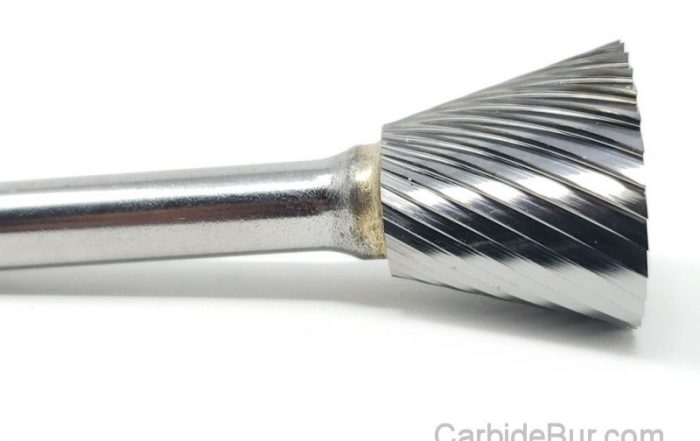
1/8 vs 1/4 Inch Carbide Burrs: What’s the Difference?
1/8 vs 1/4 Inch Carbide Burrs: What's the Difference? Choosing between a 1/8 inch carbide burr and a 1/4 inch carbide burr can change how your project turns out. Many machinists and hobbyists overlook how [...]
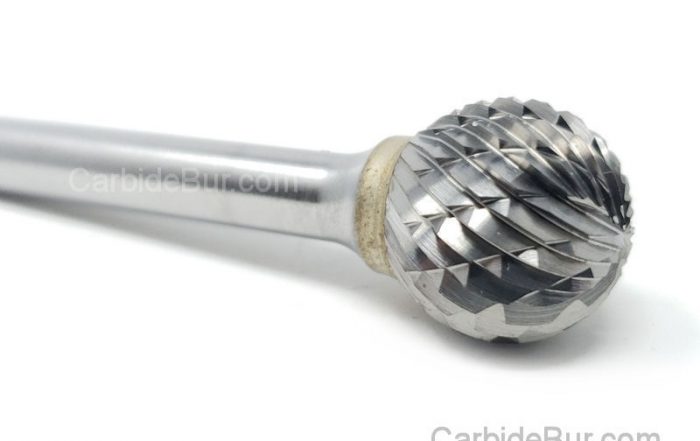
Best Carbide Burr for Removing Flash From Castings
Best Carbide Burr for Removing Flash From Castings Removing flash from castings is a task that can slow down your entire metalworking process if you don’t have the right tools. Picking the best carbide burr [...]
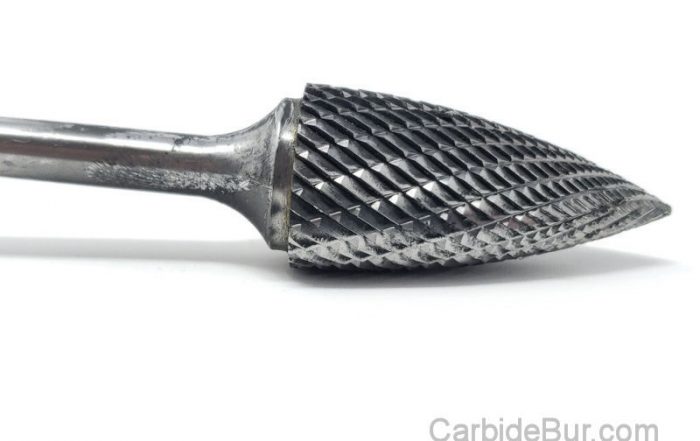
What RPM Should You Use for a 1/4 Inch Carbide Burr?
What RPM Should You Use for a 1/4 Inch Carbide Burr? Most machinists guess the right speed for a 1/4 inch carbide burr and hope for the best. Using the wrong carbide burr RPM can [...]
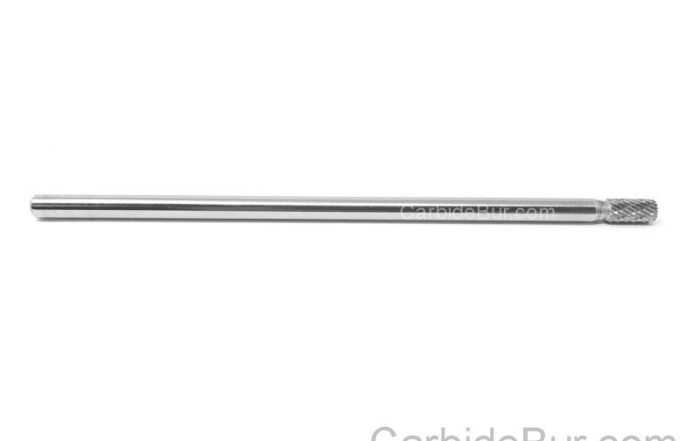
Long Shank Carbide Burrs: When Do You Need One?
Long Shank Carbide Burrs: When Do You Need One? Most machinists overlook the power of long shank carbide burrs until a project demands precision in tight spaces. When your usual tools can’t reach intricate contours, [...]
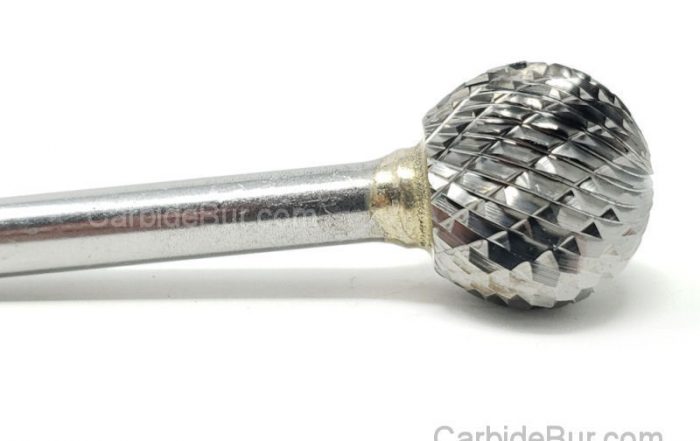
How Deep Can a Carbide Burr Cut Metal?
How Deep Can a Carbide Burr Cut Metal? Carbide burrs often get praised for their precision, but many users hit a wall wondering how deep they can actually cut metal. The truth is, cutting depth [...]
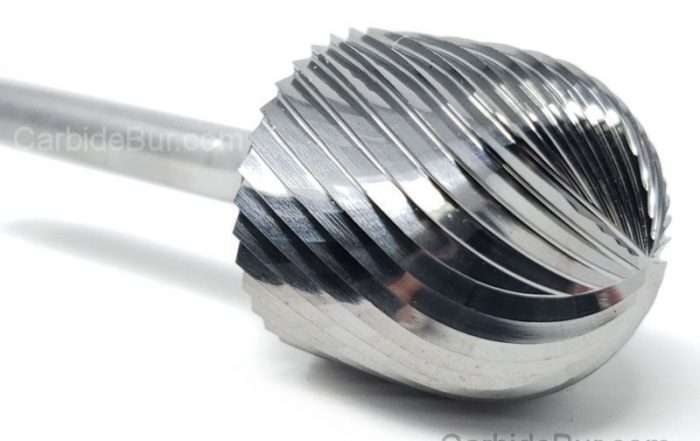
How to Use Carbide Burrs for Port Matching
How to Use Carbide Burrs for Port Matching Most engine builds hit a wall when airflow doesn’t flow smoothly between the ports and manifolds. If your engine isn’t breathing right, your performance stalls. Using the [...]
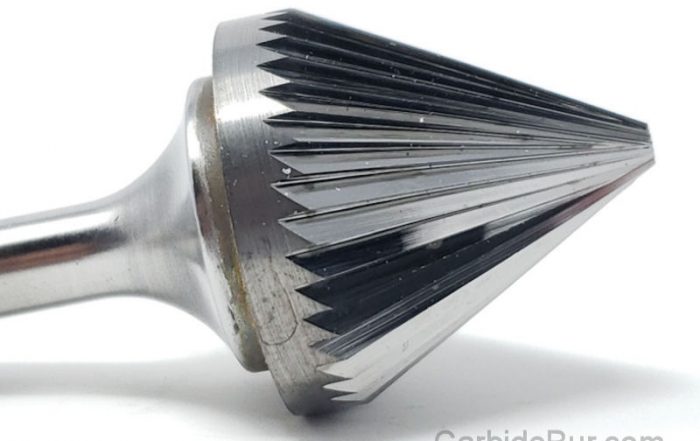
Best Carbide Burr for Porting Intake Manifolds
Best Carbide Burr for Porting Intake Manifolds Porting intake manifolds can make or break your engine’s airflow, yet many struggle with the right tools for the job. Choosing the best carbide burrs is key to [...]
Best Carbide Burr for Concave Surfaces
Best Carbide Burr for Concave Surfaces Concave surfaces can turn a straightforward project into a frustrating challenge if you don’t have the right tool. Carbide burrs designed for these tricky curves make all the difference [...]
How to Grind a Slot in Metal With a Carbide Burr
How to Grind a Slot in Metal With a Carbide Burr Grinding a precise slot in metal can feel like a tricky task, especially if you’re unsure which tools to trust. Carbide burr grinding offers [...]

Best Carbide Burr for Inside Corners
Best Carbide Burr for Inside Corners Working in tight inside corners can turn even simple projects into frustrating tasks. Many carbide burrs just don’t fit or cut cleanly where you need them most. The best [...]
What Size Carbide Burr Do I Need?
What Size Carbide Burr Do I Need? Picking the wrong carbide burr can turn a simple project into a frustrating mess. You might have the best machining tools but still miss the mark if your [...]
How to Smooth Sharp Metal Edges With a Carbide Burr
How to Smooth Sharp Metal Edges With a Carbide Burr Sharp metal edges can turn your project from professional to risky in seconds. If you’ve struggled with smoothing metal edges without scratching or weakening the [...]
