
Mastering Weld Grinding: Essential Tips for Using Carbide Burrs Effectively
Most welders waste hours fixing uneven surfaces after grinding. Using carbide burrs the right way can cut that time in half and deliver a smooth, professional finish. This guide breaks down the best burr shapes, angles, and feed rates so your weld grinding techniques leave no room for error. For more insights, visit this link.
Click here for our entire selection of carbide bur tools
Choosing the Right Burr Shape
Selecting the correct burr shape is crucial to your weld grinding success. It sets the foundation for everything else you’ll do. Get this right, and you’ll see smoother finishes without the extra effort.
Understanding Burr Shapes
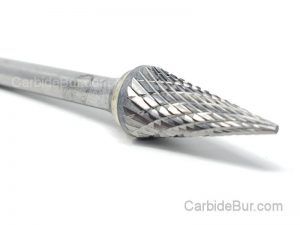
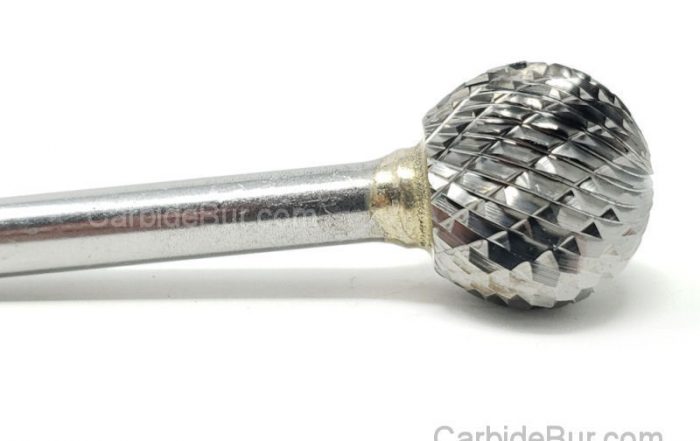
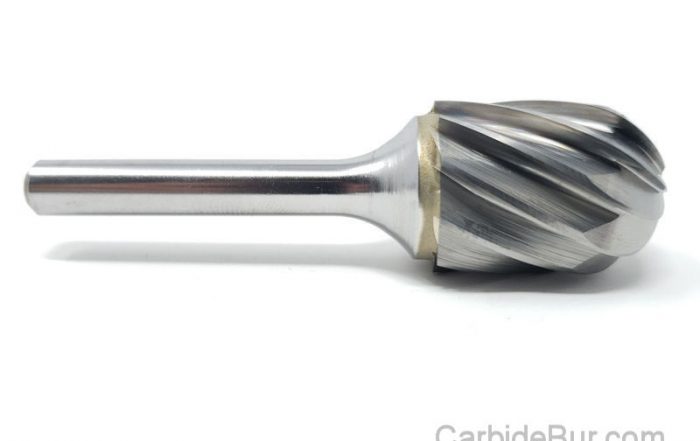
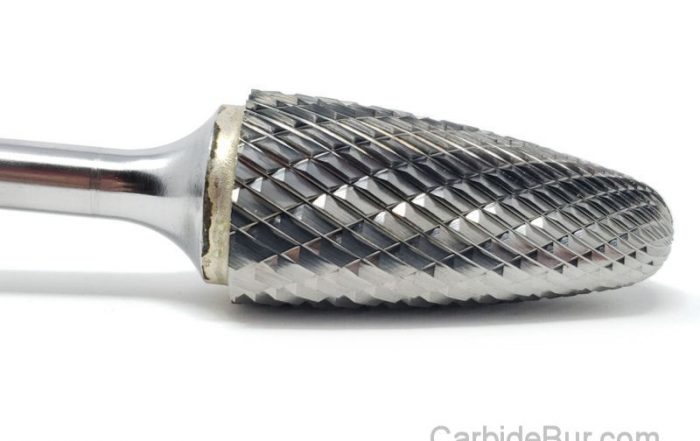
Let’s break it down. Burrs come in a variety of shapes, each designed to tackle specific tasks. For instance, a cylindrical burr is perfect for flat surfaces, providing a consistent grind. Meanwhile, a ball-shaped burr works wonders on rounded edges. Knowing these basics helps you pick the right tool for the job. According to Eternal Tools, understanding burr shapes can drastically improve your grinding results.
Matching Burrs to Tasks
Think of each burr as a specialist. The flame-shaped burr excels in getting into tight corners, while a tree-shaped burr is ideal for contouring. Matching your burr to the task at hand not only improves your work quality but also saves time. Most people think any burr will do, but your choice can make or break the job. Choose wisely, and your weld grinding techniques will be miles ahead.
Achieving Optimal Angles
Angles matter more than you think. The right angle can turn a good weld into a great one, setting you apart in craftsmanship. Let’s look at how to make that happen.
Angle Selection for Precision
Precision is all about control. A 15-degree angle is commonly used for thinning edges, while a 30-degree angle offers more control for broader grinding. Choosing the right angle helps you achieve a clean finish without over-grinding. Learn more here.
Techniques for Consistent Angling
Consistency is key. Maintaining steady pressure and angle throughout your task ensures uniform results. A simple trick is to use guide marks on your workpiece. These guide you as you grind, making it easier to keep the angle steady. Many ignore this step, thinking it’s unnecessary, but consistent angling can transform your work quality overnight.
Perfecting Feed Rates
Speed isn’t just about getting things done quickly; it’s about getting them done right. Finding the perfect feed rate can make your task smoother and more efficient.
Determining Optimal Feed Rates
Your feed rate should balance speed with control. A slower feed rate gives you more precision, reducing the risk of mistakes. On the other hand, a faster rate speeds up the process but requires a steadier hand. For most tasks, a medium feed rate is ideal. This allows you to maintain control while still working efficiently. The longer you wait to find this balance, the more likely you are to face issues down the line. Discover more tips.
Avoiding Damage with Correct Speed
Damage control starts with speed. Moving too fast can cause overheating, leading to tool wear and surface damage. A slower, measured approach helps avoid these pitfalls. Remember, patience is your friend here. By mastering speed control, you safeguard your tools and materials, ensuring longevity and quality in your work. For additional insights, check 22 Things to Know About Tungsten Carbide Burrs.
By following these steps, you’re on your way to mastering weld grinding. Each section offers actionable steps that promise better results. So, gear up and transform your grinding skills today!
Click here for our entire selection of carbide bur tools
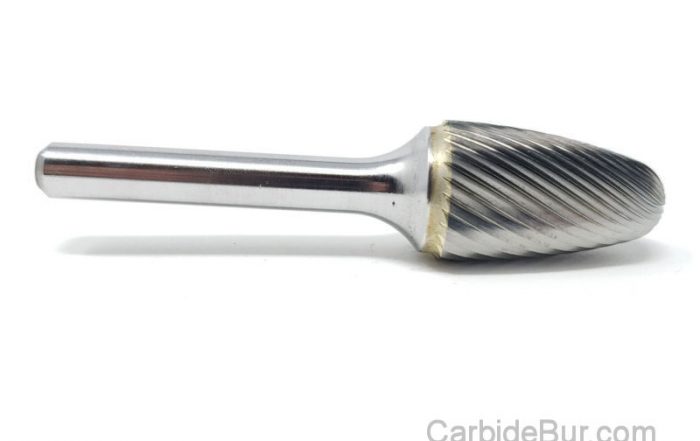
How to Grind a Groove in Metal With a Carbide Burr
How to Grind a Groove in Metal With a Carbide Burr Most metalworkers struggle to cut clean grooves without wasting time or ruining their workpiece. Many try different metalworking tools but end up with uneven [...]
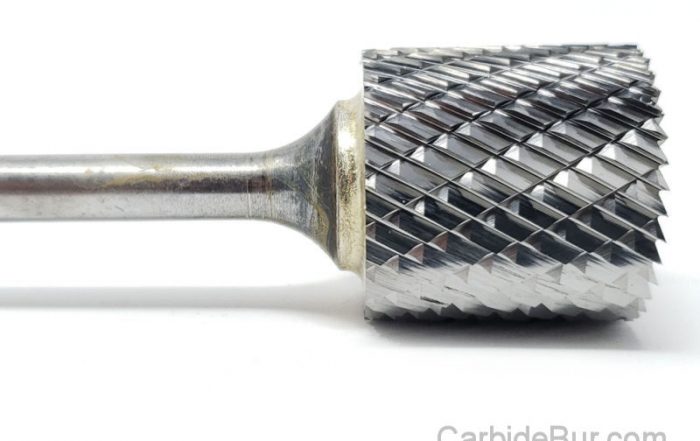
Can Carbide Burrs Cut Through Welds?
Can Carbide Burrs Cut Through Welds? Cutting through welds can feel like a battle, especially when you need clean results without harming the base metal. Carbide burrs offer a sharp edge in this fight, but [...]
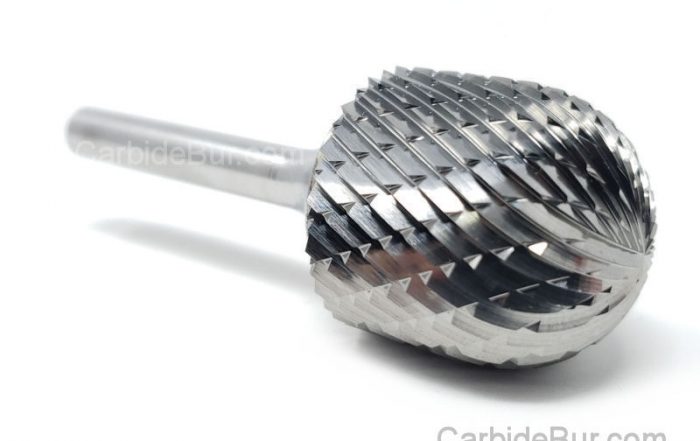
How to Use a Carbide Burr With a Die Grinder
How to Use a Carbide Burr With a Die Grinder Most people treat a carbide burr like just another tool, but using it with a die grinder takes skill. If you’ve struggled with burr installation [...]
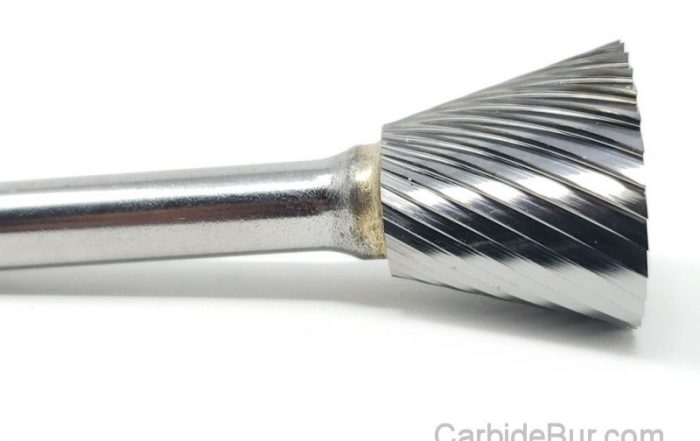
1/8 vs 1/4 Inch Carbide Burrs: What’s the Difference?
1/8 vs 1/4 Inch Carbide Burrs: What's the Difference? Choosing between a 1/8 inch carbide burr and a 1/4 inch carbide burr can change how your project turns out. Many machinists and hobbyists overlook how [...]
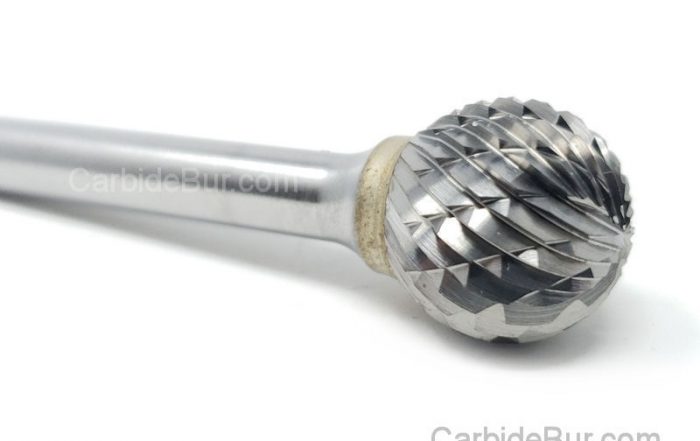
Best Carbide Burr for Removing Flash From Castings
Best Carbide Burr for Removing Flash From Castings Removing flash from castings is a task that can slow down your entire metalworking process if you don’t have the right tools. Picking the best carbide burr [...]
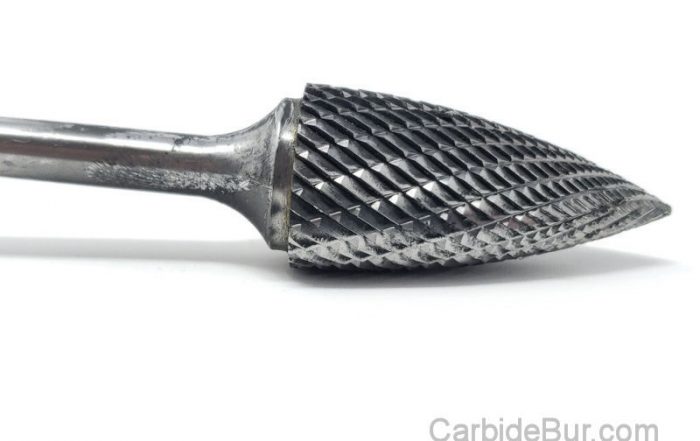
What RPM Should You Use for a 1/4 Inch Carbide Burr?
What RPM Should You Use for a 1/4 Inch Carbide Burr? Most machinists guess the right speed for a 1/4 inch carbide burr and hope for the best. Using the wrong carbide burr RPM can [...]
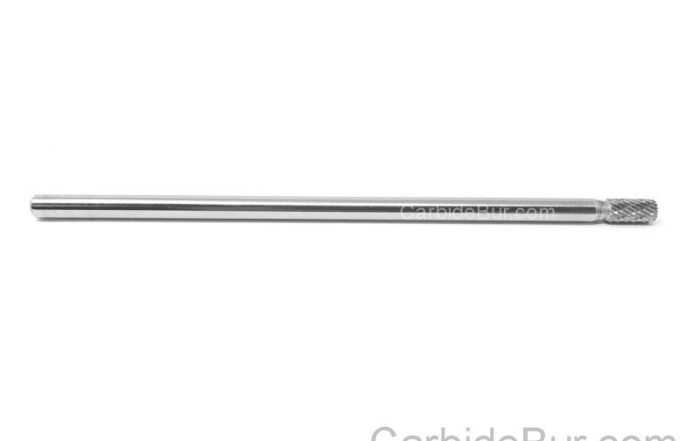
Long Shank Carbide Burrs: When Do You Need One?
Long Shank Carbide Burrs: When Do You Need One? Most machinists overlook the power of long shank carbide burrs until a project demands precision in tight spaces. When your usual tools can’t reach intricate contours, [...]
How Deep Can a Carbide Burr Cut Metal?
How Deep Can a Carbide Burr Cut Metal? Carbide burrs often get praised for their precision, but many users hit a wall wondering how deep they can actually cut metal. The truth is, cutting depth [...]
How to Use Carbide Burrs for Port Matching
How to Use Carbide Burrs for Port Matching Most engine builds hit a wall when airflow doesn’t flow smoothly between the ports and manifolds. If your engine isn’t breathing right, your performance stalls. Using the [...]
Best Carbide Burr for Porting Intake Manifolds
Best Carbide Burr for Porting Intake Manifolds Porting intake manifolds can make or break your engine’s airflow, yet many struggle with the right tools for the job. Choosing the best carbide burrs is key to [...]
Best Carbide Burr for Concave Surfaces
Best Carbide Burr for Concave Surfaces Concave surfaces can turn a straightforward project into a frustrating challenge if you don’t have the right tool. Carbide burrs designed for these tricky curves make all the difference [...]
How to Grind a Slot in Metal With a Carbide Burr
How to Grind a Slot in Metal With a Carbide Burr Grinding a precise slot in metal can feel like a tricky task, especially if you’re unsure which tools to trust. Carbide burr grinding offers [...]
