
Mastering Die Grinder Techniques: Light Pressure for Long-Lasting Carbide Burs
Most people push their die grinder hard, thinking more pressure means faster results. That approach quickly chips carbide burs and overheats the tool, cutting burr life short and leaving rough finishes. Using light pressure grinding lets your carbide bur work smarter, not harder, giving you cleaner cuts and saving money on replacements. Let’s explore die grinder techniques that keep your tools sharp and your projects looking sharp, too. For more insights, check out this guide on carbide bur care and lifespan.
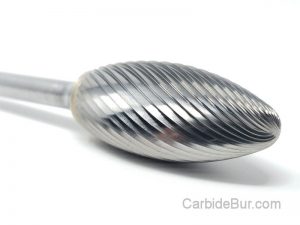
Looking for Carbide Bur Tools?
Check out our entire selection of USA made carbide bur die grinder tool bits
Understanding Die Grinders
Die grinders are versatile tools found in many workshops. They excel at precision grinding and shaping tasks. Whether you’re a DIY enthusiast or a professional, knowing how to use a die grinder can benefit your projects.
What Is a Die Grinder?
A die grinder is a handheld power tool used for grinding, sanding, and polishing. It works with a rotating spindle, allowing you to attach various bits and burrs. These tools are perfect for detailed work, as they can reach tight spaces and delicate surfaces. Die grinders come in two main types: electric and pneumatic. Electric models are ideal for home use, while pneumatic tools are common in professional settings.
Key Components of a Die Grinder
Understanding your tool’s parts helps you use it effectively. The main components include the motor, spindle, collet, and housing. The motor powers the grinder and determines its speed. The spindle connects to the collet, which holds the burr in place. The housing protects the internal parts and offers grip. Regular maintenance, like cleaning and oiling, keeps these components working smoothly.
Common Uses for Die Grinders
Die grinders are incredibly versatile. You can use them to:
-
Shape metal and wood: Perfect for intricate designs and details.
-
Clean welds: Smooth out rough edges and joints.
-
Polish surfaces: Achieve a high shine on metal or plastic.
Explore more applications in this ultimate guide to long shank carbide burrs.
The Role of Carbide Burs
Carbide burs are essential accessories for your die grinder. They determine the quality and finish of your work. Let’s explore their benefits and how to choose the right one.
Benefits of Carbide Burs
Carbide burs are known for their strength and durability. They maintain sharpness longer than other materials. This means fewer replacements and consistent performance over time. Using carbide burs can also reduce heat build-up, preventing material damage. Additionally, these burs are versatile, handling various tasks with ease.
Choosing the Right Carbide Bur
Selecting the right bur can make a significant difference in your projects. Consider the material you’re working with first. For metal, a cylindrical bur might be best. For wood, a rounded bur can provide smoother cuts. Check the size and shape to match your task needs. Learn more about choosing burs here.
Applications Across Materials
Carbide burs work on numerous materials:
-
Metal: Excellent for removing rust or smoothing welds
-
Wood: Useful for carving and detailing
-
Plastics: Ideal for trimming and shaping
More details can be found in this comprehensive article.
Light Pressure Grinding Techniques
Applying light pressure is crucial in extending the life of your tools and achieving top results. Let’s delve into why light pressure matters and how to use it effectively.
Importance of Light Pressure
Using light pressure lets the tool’s speed do the work. This approach prevents overheating and reduces wear on the bur. Many users mistakenly think more pressure equals faster results, but it’s precision, not force, that makes a difference. Letting the tool glide over the surface ensures a smoother finish and longer-lasting burs.
Preventing Damage and Overheating
Heavy pressure can lead to chipped burs and tool damage. To avoid this, keep a gentle touch and let the tool’s RPM do the cutting. Regularly check your work surface and adjust your technique accordingly. This practice not only prolongs your tool’s life but also saves money on replacements.
Achieving a Clean Finish
For a clean finish, consistency is key. Maintain steady, light pressure across the workpiece. This prevents gouges and keeps edges smooth. Practice on scrap material to perfect your technique. Remember, a lighter touch leads to a higher-quality result.
Maintaining Burr Life
Keeping your burs in top condition is essential. Proper care ensures they last longer and perform better. Let’s look into maintenance tips and signs of wear.
Cleaning and Storage Tips
After use, clean your burs with a wire brush to remove debris. Avoid corrosive cleaners; instead, use mild soap and water. Dry them thoroughly before storage to prevent rust. Store burs in a dedicated case to protect them from damage and keep them organized.
Recognizing Wear and Tear
Regular inspection helps catch wear early. Look for dull edges, chips, or excessive heat marks. These signs indicate it’s time to sharpen or replace the bur. Keeping track of usage can also help predict when maintenance is needed.
When to Replace Your Burs
Knowing when to replace burs prevents subpar results. If burs stop cutting effectively, it’s time for new ones. Frequent use means more frequent replacements. Monitor your tool’s performance and adjust as necessary.
Enhancing Your Grinding Efficiency
Now, let’s explore techniques for getting the most out of your grinder and carbide burs. Consistency and safety are crucial for effective grinding.
Tips for Consistent Results
-
Use a steady hand: Avoid jerky movements
-
Keep burs sharp: Regularly check and sharpen as needed
-
Practice on scrap first: Perfect your technique before the main project
Troubleshooting Common Issues
If your grinder isn’t performing well, check for:
-
Loose burrs: Tighten the collet securely
-
Overheating: Reduce pressure and review technique
-
Poor cutting: Replace dull or damaged burs
Safety Precautions and Best Practices
Safety is always a priority. Wear protective gear such as goggles and gloves. Ensure your workspace is well-lit and clutter-free. Follow manufacturer guidelines for tool use and maintenance. By observing these practices, you protect yourself and prolong tool life.
By applying these techniques and maintaining your tools, you can achieve remarkable outcomes with your die grinder. The key is understanding how each component plays a role in perfecting your craft.
Looking for Carbide Bur Tools?
Check out our entire selection of USA made carbide bur die grinder tool bits
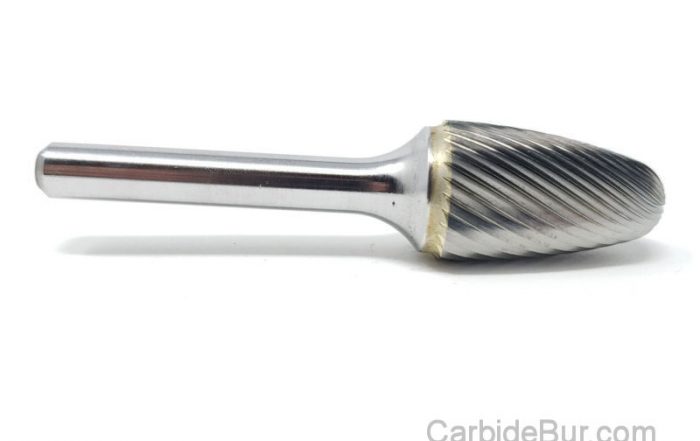
How to Grind a Groove in Metal With a Carbide Burr
How to Grind a Groove in Metal With a Carbide Burr Most metalworkers struggle to cut clean grooves without wasting time or ruining their workpiece. Many try different metalworking tools but end up with uneven [...]
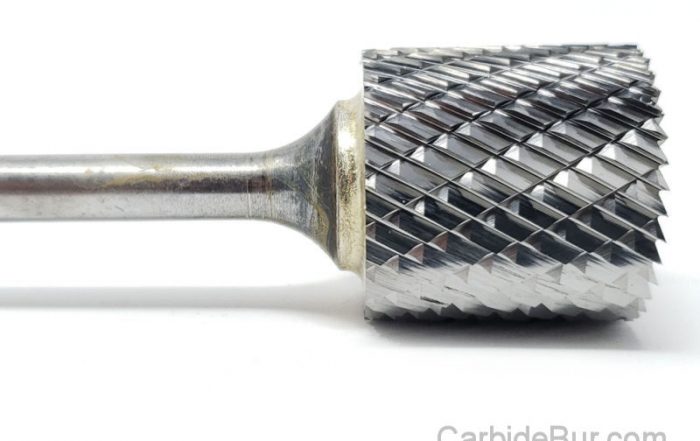
Can Carbide Burrs Cut Through Welds?
Can Carbide Burrs Cut Through Welds? Cutting through welds can feel like a battle, especially when you need clean results without harming the base metal. Carbide burrs offer a sharp edge in this fight, but [...]
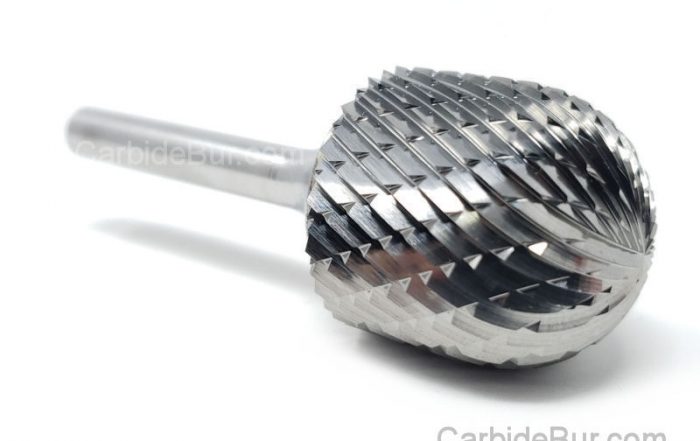
How to Use a Carbide Burr With a Die Grinder
How to Use a Carbide Burr With a Die Grinder Most people treat a carbide burr like just another tool, but using it with a die grinder takes skill. If you’ve struggled with burr installation [...]
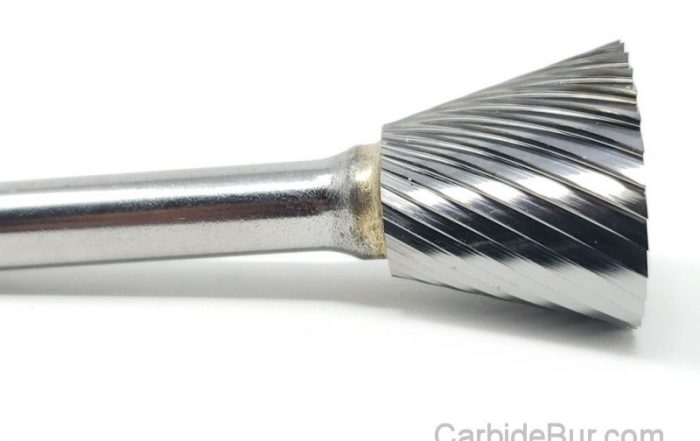
1/8 vs 1/4 Inch Carbide Burrs: What’s the Difference?
1/8 vs 1/4 Inch Carbide Burrs: What's the Difference? Choosing between a 1/8 inch carbide burr and a 1/4 inch carbide burr can change how your project turns out. Many machinists and hobbyists overlook how [...]
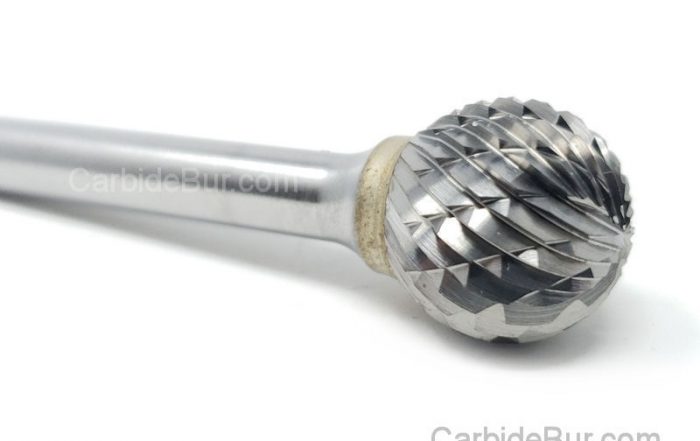
Best Carbide Burr for Removing Flash From Castings
Best Carbide Burr for Removing Flash From Castings Removing flash from castings is a task that can slow down your entire metalworking process if you don’t have the right tools. Picking the best carbide burr [...]
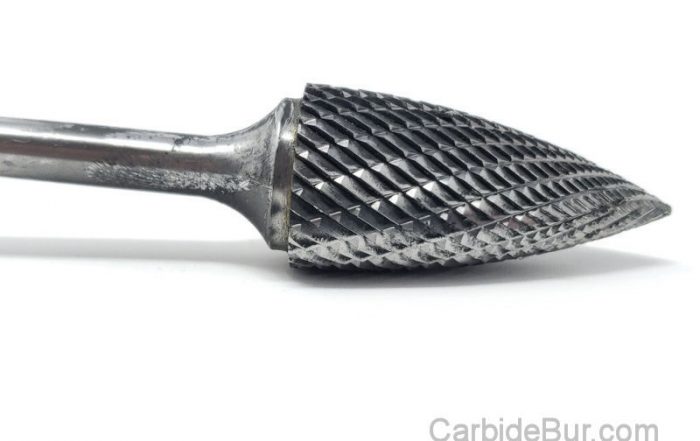
What RPM Should You Use for a 1/4 Inch Carbide Burr?
What RPM Should You Use for a 1/4 Inch Carbide Burr? Most machinists guess the right speed for a 1/4 inch carbide burr and hope for the best. Using the wrong carbide burr RPM can [...]
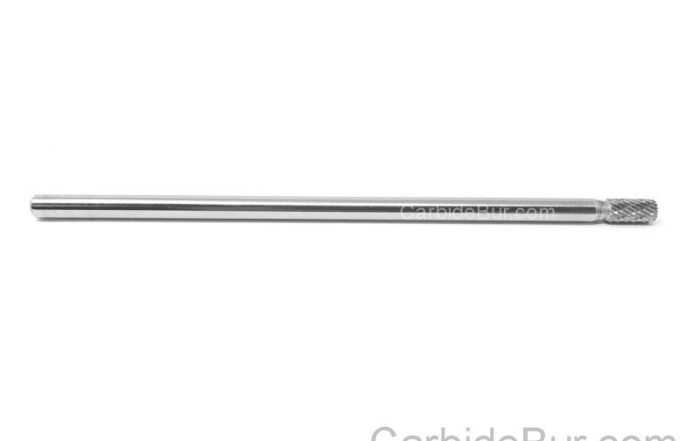
Long Shank Carbide Burrs: When Do You Need One?
Long Shank Carbide Burrs: When Do You Need One? Most machinists overlook the power of long shank carbide burrs until a project demands precision in tight spaces. When your usual tools can’t reach intricate contours, [...]
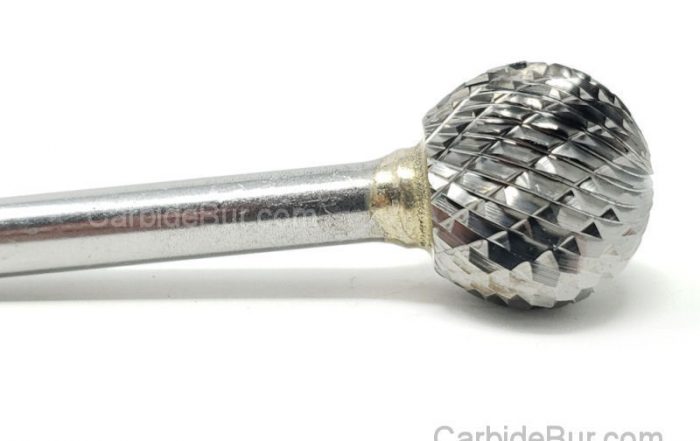
How Deep Can a Carbide Burr Cut Metal?
How Deep Can a Carbide Burr Cut Metal? Carbide burrs often get praised for their precision, but many users hit a wall wondering how deep they can actually cut metal. The truth is, cutting depth [...]
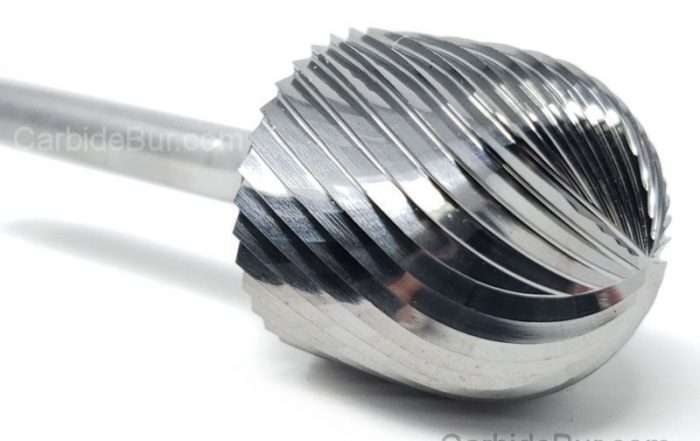
How to Use Carbide Burrs for Port Matching
How to Use Carbide Burrs for Port Matching Most engine builds hit a wall when airflow doesn’t flow smoothly between the ports and manifolds. If your engine isn’t breathing right, your performance stalls. Using the [...]
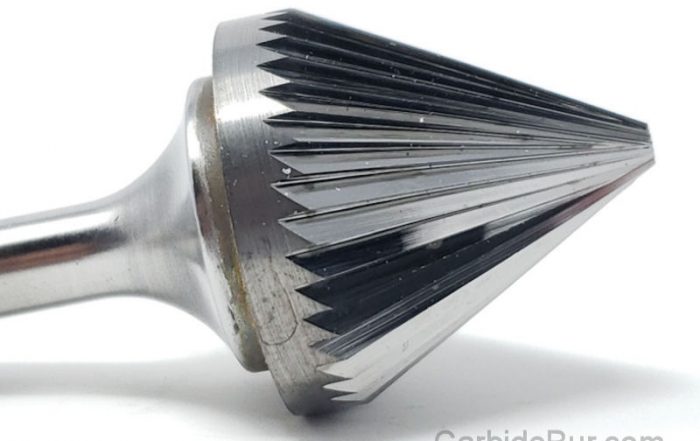
Best Carbide Burr for Porting Intake Manifolds
Best Carbide Burr for Porting Intake Manifolds Porting intake manifolds can make or break your engine’s airflow, yet many struggle with the right tools for the job. Choosing the best carbide burrs is key to [...]
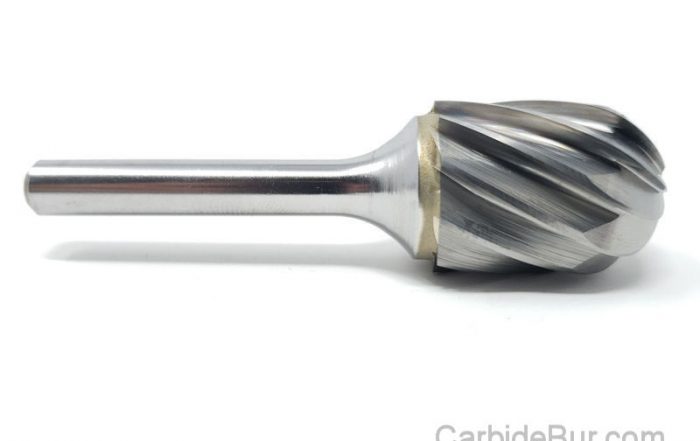
Best Carbide Burr for Concave Surfaces
Best Carbide Burr for Concave Surfaces Concave surfaces can turn a straightforward project into a frustrating challenge if you don’t have the right tool. Carbide burrs designed for these tricky curves make all the difference [...]
How to Grind a Slot in Metal With a Carbide Burr
How to Grind a Slot in Metal With a Carbide Burr Grinding a precise slot in metal can feel like a tricky task, especially if you’re unsure which tools to trust. Carbide burr grinding offers [...]
