
Unlocking Craftsmanship: How to Use Carbide Burs for Delicate Work
Most people crank their die grinder full throttle and hope for the best. That’s a quick way to risk grabbing and damaging your workpiece when using a carbide bur. Learning to feather the throttle lets you dial in slower speeds for delicate cuts and finishing techniques. Mastering this die grinder technique gives you precise cutting control, so every detail shines without slips or gouges. For more tips on using carbide burs effectively, check out this ultimate guide to using carbide burs for precise deburring.
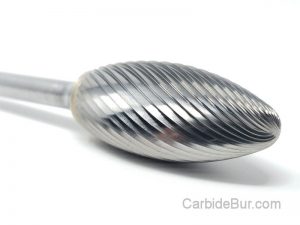
Looking for Carbide Bur Tools?
Check out our entire selection of USA made carbide bur die grinder tool bits
Mastering Die Grinder Techniques
Unlocking the full potential of your die grinder begins with understanding its core components. Carbide burs play a pivotal role in shaping and detailing. Knowing how to use them appropriately enhances your craftsmanship.
Understanding Carbide Bur Use
Carbide burs are essential for shaping and grinding materials. These tiny tools cut through metal, wood, and even ceramics with ease. There are different shapes and sizes, each designed for specific tasks. When choosing a bur, consider the material and the type of cut required. For example, a cylindrical bur is ideal for flat surfaces, while a pointed bur is better for intricate details. Using the right bur means cleaner cuts and less wear.
Importance of Throttle Control
Throttle control is crucial when using a die grinder. It allows you to adjust speed, preventing mishaps. High speed can cause the bur to grab, leading to rough edges or damage. By managing the throttle, you gain control over the pressure applied, ensuring precise work. Slow down for delicate tasks and speed up for less intricate parts. Mastering throttle control is a key die grinder technique that ensures every piece reflects your skill.
Achieving Precise Cutting
Precision is a hallmark of skilled craftsmanship. By combining the right bur with proper throttle control, you achieve clean, sharp cuts. Focus on your grip and posture. A steady hand reduces the chance of mistakes. Practice on scrap material to refine your technique. Remember, precision comes from patience and practice.
Techniques for Delicate Work
Once you’ve grasped the basics, it’s time to refine your skills for more delicate projects. Here’s how you can take your craftsmanship to the next level.
Feather the Throttle
Feathering the throttle allows for smooth transitions in speed. Start slow to prevent the bur from catching. Gradually increase speed as you gain confidence. This technique is especially useful for intricate work where control is paramount. It may take practice, but the results are worth it.
Workpiece Protection Strategies
Protecting your workpiece is crucial to maintaining quality. Use clamps or vises to hold materials steady. This prevents slipping and allows you to focus on cutting. Always check that your workpiece is secure before starting. A stable work environment leads to better results and reduces the risk of injury.
Balancing Pressure and Control
Applying the right amount of pressure is key to effective cutting. Too much pressure can damage both the bur and the workpiece. Use a gentle hand and let the tool do the work. Focus on guiding, not forcing the bur through the material. This balance ensures a smooth, professional finish.
Perfecting Finishing Techniques
Finishing techniques transform a rough piece into a polished masterpiece. Here’s how to achieve that perfect finish.
Achieving a Polished Finish
A polished finish is the mark of a true craftsman. Use finer burs for the finishing touches. Gradually reduce speed and pressure as you approach the final stages. Remember to clean the workpiece and inspect it carefully. A polished finish adds value and professionalism to your projects.
Enhancing Workpiece Quality
Quality is achieved through attention to detail. Inspect your work regularly. Look for areas that need refinement. Consistency in technique leads to higher quality workpieces. Use light sanding or buffing to enhance the final product.
Craftsmanship Tips for Professionals
Professionals know the importance of continuous learning. Stay updated with new techniques and tools. Join forums or workshops to exchange tips. Networking with other professionals can provide new insights and improve your skills.
Choosing the Right Carbide Bur
Selecting the right carbide bur is essential. It impacts both the quality and efficiency of your work.
Types of Carbide Burs
There are various types of carbide burs available. Each type serves a different purpose. For example, cross-cut burs are great for aggressive material removal. Choose the type based on your project needs. This ensures your work is both effective and efficient.
Matching Burs to Materials
Different materials react differently to burs. Match the bur to the material for the best results. For instance, use a coarse bur for hard metals and a fine bur for softer materials. This approach minimizes wear and extends the life of your burs.
Optimizing for Intricate Details
Intricate details require precision and the right tools. Use small, pointed burs for detailed work. They allow for fine cuts and intricate patterns. Take your time and focus on each detail, ensuring every part is perfect.
Ensuring Safety and Maintenance
Safety and maintenance are key components of any successful project. They ensure longevity and quality in your work.
Safe Handling Practices
Safety should always be your top priority. Wear protective gear such as gloves and goggles. Keep your workspace clean and organized. Always follow the manufacturer’s guidelines for tool use. A safe environment leads to better focus and results.
Maintaining Your Die Grinder
Regular maintenance keeps your tools in top condition. Clean your die grinder after each use. Check for wear and replace parts as needed. A well-maintained tool performs better and lasts longer.
Extending Carbide Bur Lifespan
Extending the lifespan of your carbide burs saves money and improves efficiency. Use burs at the recommended speed and pressure settings. Store them properly to avoid damage. Regular checks ensure they remain sharp and effective.
Each technique and tip outlined above is designed to help you master die grinder techniques and become a more skilled craftsman. By focusing on control, precision, and the right tools, you can elevate the quality of your work to new heights.
Looking for Carbide Bur Tools?
Check out our entire selection of USA made carbide bur die grinder tool bits
Follow us on Twitter

Return to CarbideBur.com
Carbide Burs – 1/4″ on 1/8″ Shanks – Accessories – Aluminum Cut – Bur Sets – End Mills – Long Shank – Solid Burs
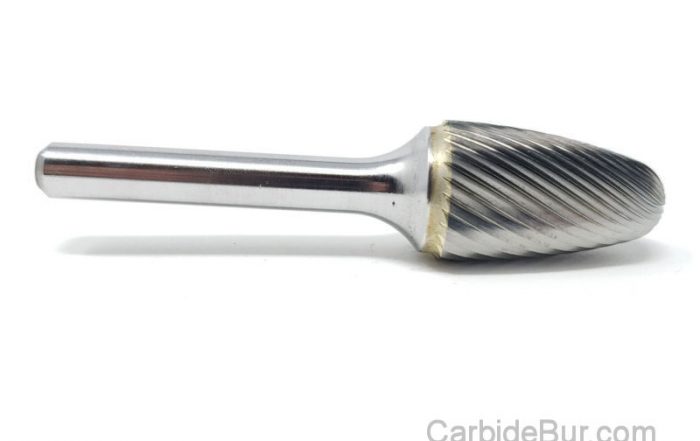
How to Grind a Groove in Metal With a Carbide Burr
How to Grind a Groove in Metal With a Carbide Burr Most metalworkers struggle to cut clean grooves without wasting time or ruining their workpiece. Many try different metalworking tools but end up with uneven [...]
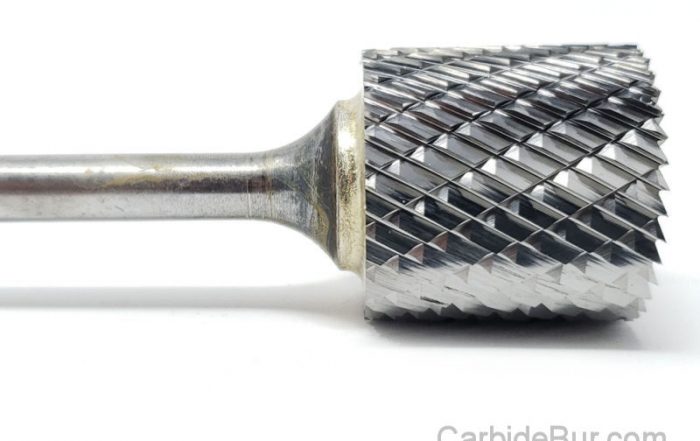
Can Carbide Burrs Cut Through Welds?
Can Carbide Burrs Cut Through Welds? Cutting through welds can feel like a battle, especially when you need clean results without harming the base metal. Carbide burrs offer a sharp edge in this fight, but [...]
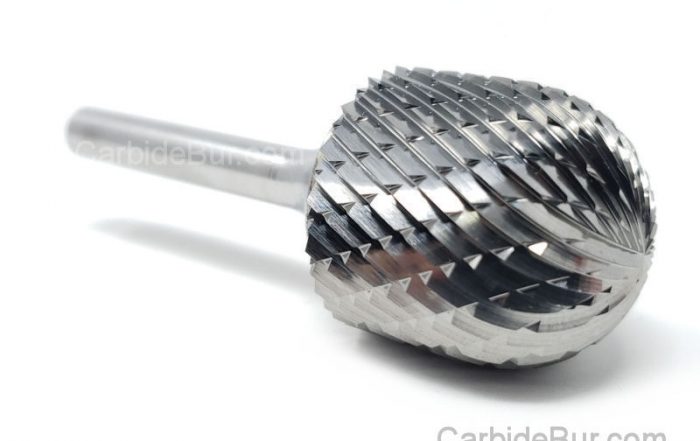
How to Use a Carbide Burr With a Die Grinder
How to Use a Carbide Burr With a Die Grinder Most people treat a carbide burr like just another tool, but using it with a die grinder takes skill. If you’ve struggled with burr installation [...]
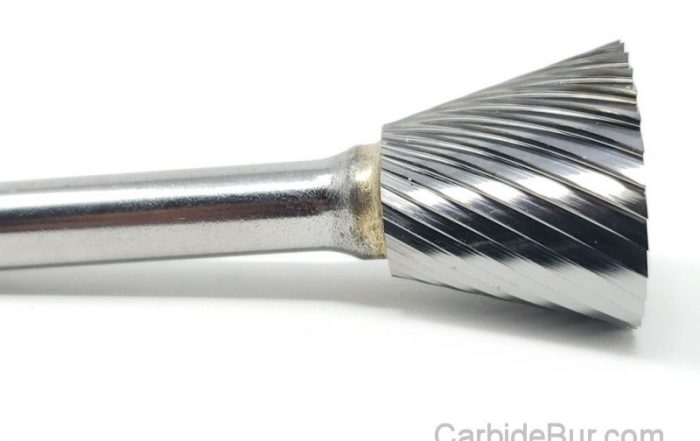
1/8 vs 1/4 Inch Carbide Burrs: What’s the Difference?
1/8 vs 1/4 Inch Carbide Burrs: What's the Difference? Choosing between a 1/8 inch carbide burr and a 1/4 inch carbide burr can change how your project turns out. Many machinists and hobbyists overlook how [...]
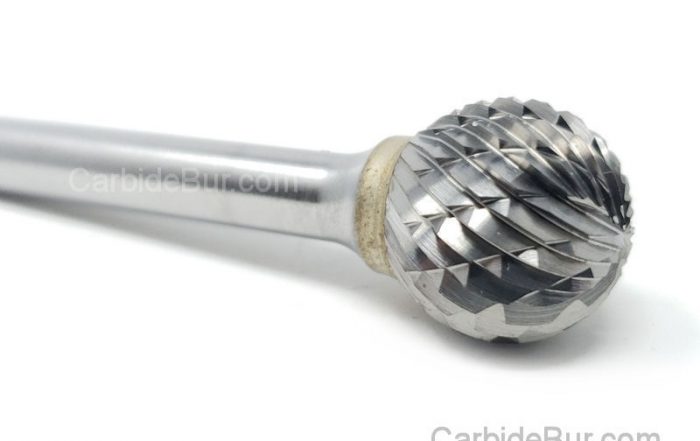
Best Carbide Burr for Removing Flash From Castings
Best Carbide Burr for Removing Flash From Castings Removing flash from castings is a task that can slow down your entire metalworking process if you don’t have the right tools. Picking the best carbide burr [...]
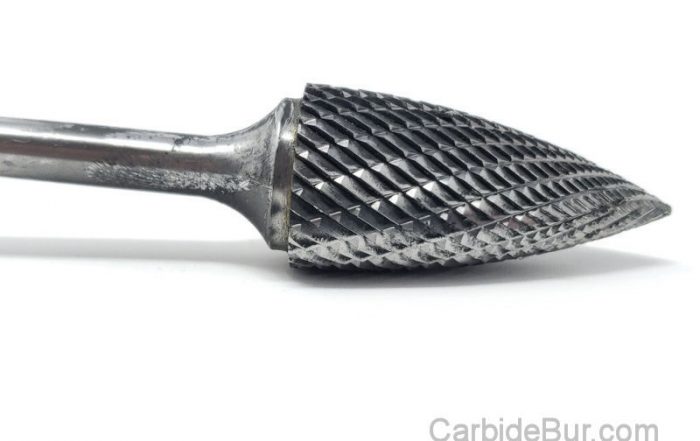
What RPM Should You Use for a 1/4 Inch Carbide Burr?
What RPM Should You Use for a 1/4 Inch Carbide Burr? Most machinists guess the right speed for a 1/4 inch carbide burr and hope for the best. Using the wrong carbide burr RPM can [...]
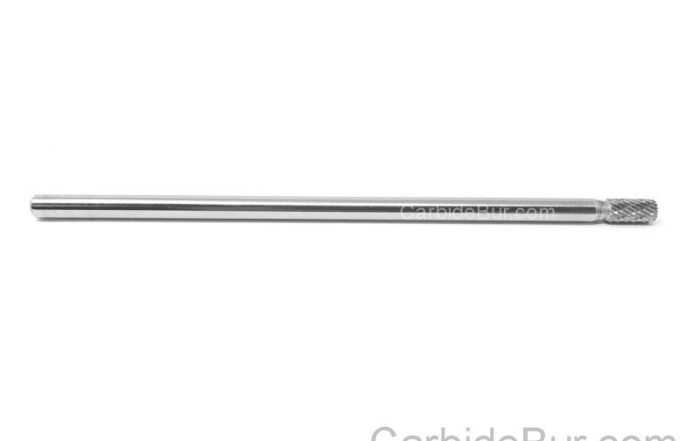
Long Shank Carbide Burrs: When Do You Need One?
Long Shank Carbide Burrs: When Do You Need One? Most machinists overlook the power of long shank carbide burrs until a project demands precision in tight spaces. When your usual tools can’t reach intricate contours, [...]
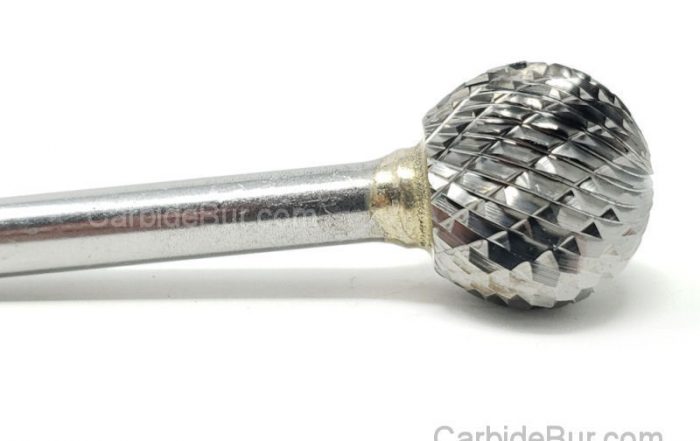
How Deep Can a Carbide Burr Cut Metal?
How Deep Can a Carbide Burr Cut Metal? Carbide burrs often get praised for their precision, but many users hit a wall wondering how deep they can actually cut metal. The truth is, cutting depth [...]
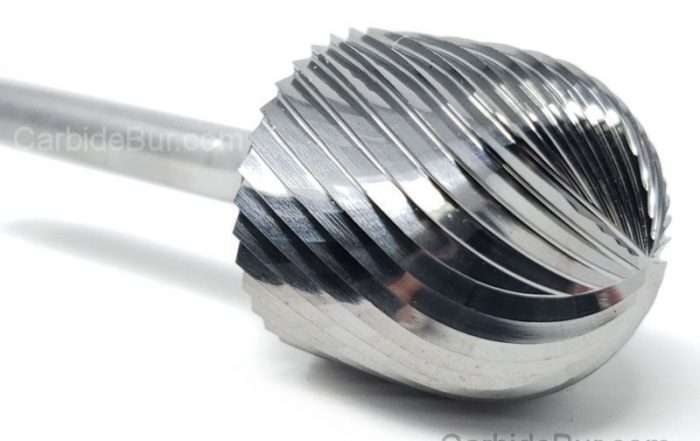
How to Use Carbide Burrs for Port Matching
How to Use Carbide Burrs for Port Matching Most engine builds hit a wall when airflow doesn’t flow smoothly between the ports and manifolds. If your engine isn’t breathing right, your performance stalls. Using the [...]
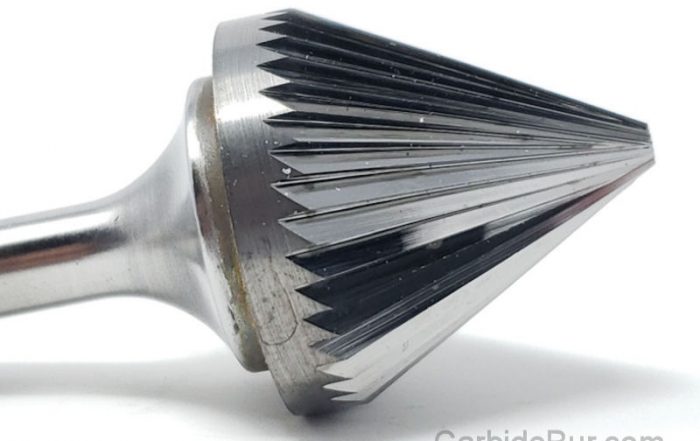
Best Carbide Burr for Porting Intake Manifolds
Best Carbide Burr for Porting Intake Manifolds Porting intake manifolds can make or break your engine’s airflow, yet many struggle with the right tools for the job. Choosing the best carbide burrs is key to [...]
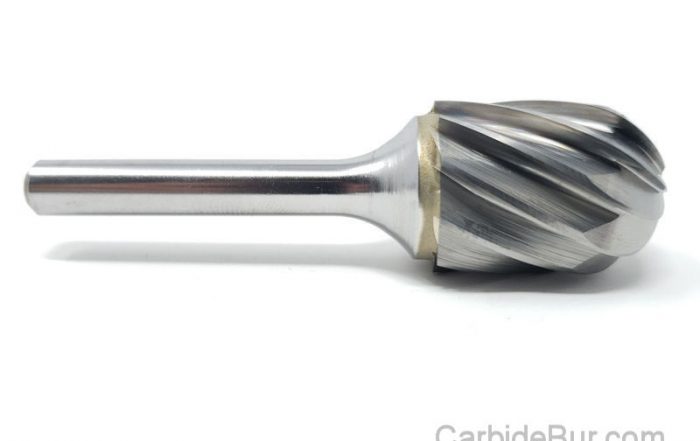
Best Carbide Burr for Concave Surfaces
Best Carbide Burr for Concave Surfaces Concave surfaces can turn a straightforward project into a frustrating challenge if you don’t have the right tool. Carbide burrs designed for these tricky curves make all the difference [...]
How to Grind a Slot in Metal With a Carbide Burr
How to Grind a Slot in Metal With a Carbide Burr Grinding a precise slot in metal can feel like a tricky task, especially if you’re unsure which tools to trust. Carbide burr grinding offers [...]
