
Enhance Your Metalworking Projects with Efficient Carbide Burr Techniques
Running your carbide burr at low RPM in a die grinder might seem safe, but it often causes more harm than good. Most carbide burrs cut cleanest near their top speed—around 25,000 to 35,000 RPM—where they shear metal smoothly without overheating. Stick to the right die grinder RPM, and you’ll boost cutting efficiency, protect your metalworking tools, and get sharper results every time. Let’s break down why speed matters so much for your next project. For more insights, check out this guide on carbide burr RPM settings.
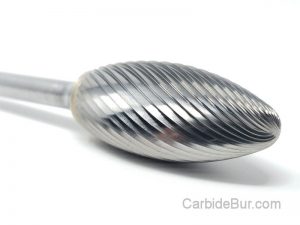
Looking for Carbide Bur Tools?
Check out our entire selection of USA made carbide bur die grinder tool bits
Understanding Carbide Burrs
Let’s dive into the essentials of carbide burrs, the unsung heroes in metalworking. They come in various shapes and serve many purposes, making them indispensable for your projects.
What Are Carbide Burrs?
Carbide burrs are small cutting tools made from tungsten carbide. They’re used to cut, shape, and grind materials like metal, wood, and plastic. Their high durability makes them perfect for tough materials. When you need precision and durability, carbide burrs are your go-to choice. They come in handy for detailed work and have a long lifespan, saving you money over time. Learn more about the types and maintenance of carbide burrs.
Common Uses in Metalworking
Carbide burrs are versatile. They’re used for tasks like deburring, shaping, and finishing. Whether you’re working on stainless steel, aluminum, or mild steel, these tools can handle the job. They’re also great for creating intricate designs. For those serious about metalworking, carbide burrs are essential. They offer efficiency and precision that enhances your workflow. This guide explores their applications across different metals.
Basic Types and Shapes
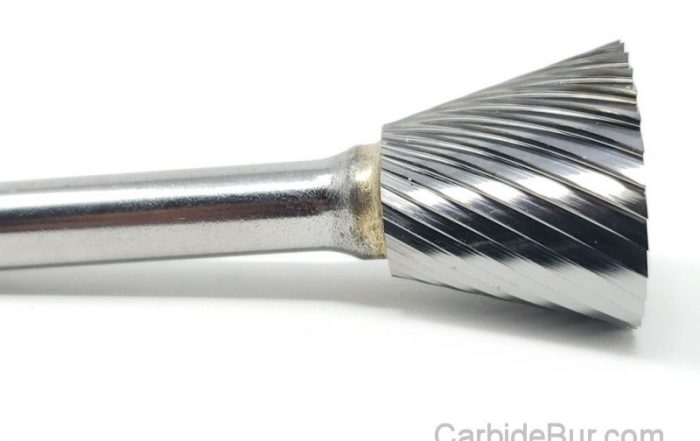
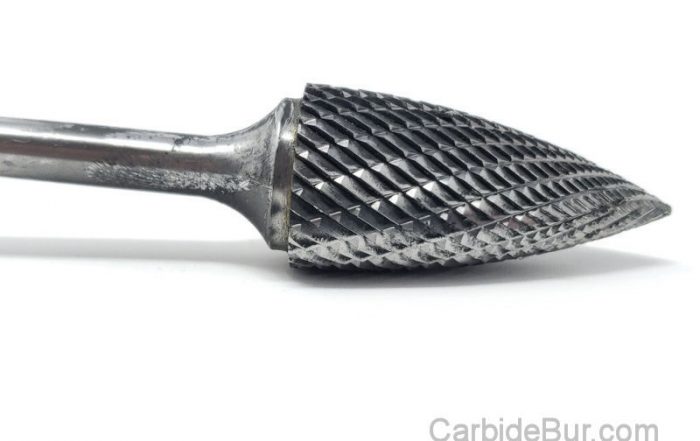
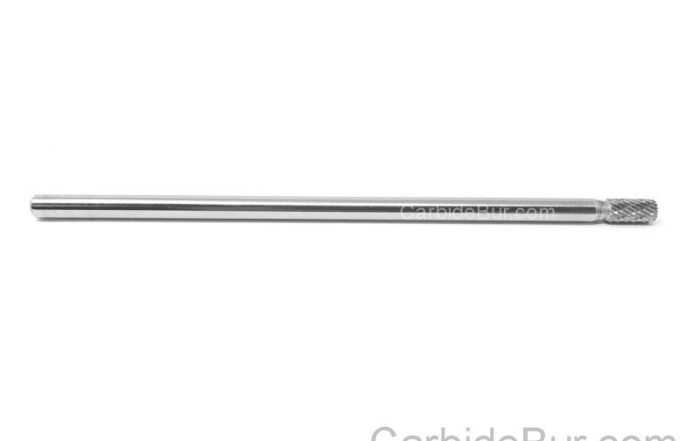
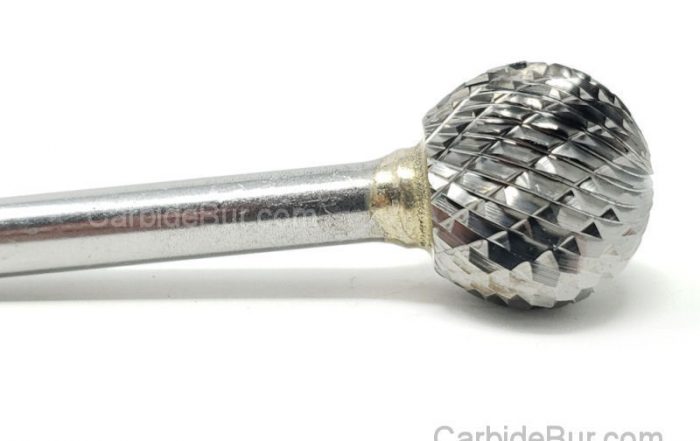
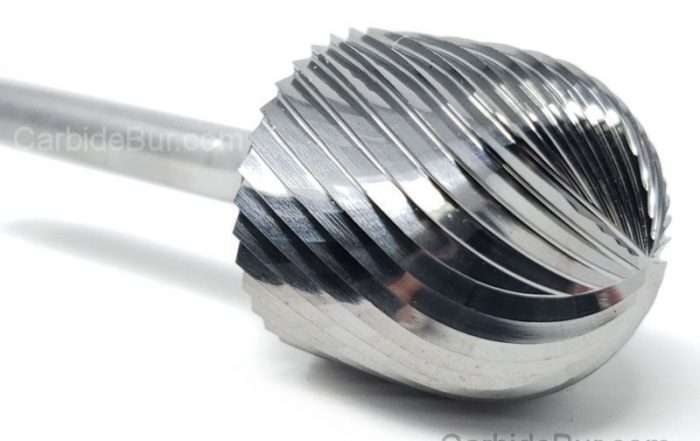
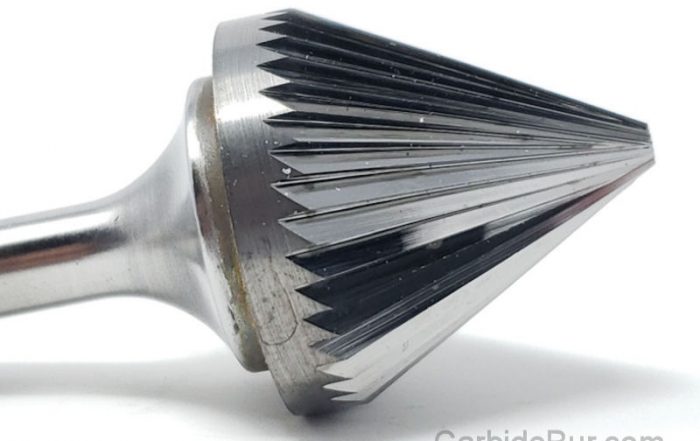
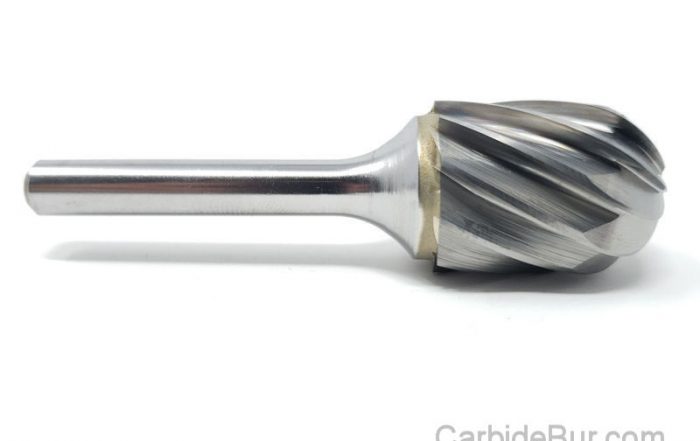
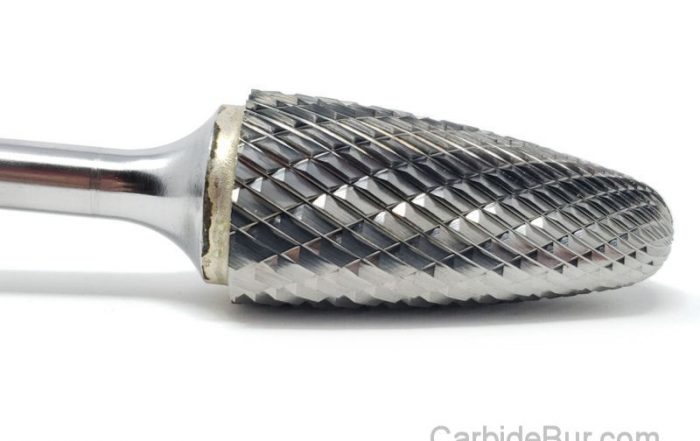
Carbide burrs come in various shapes, each suited for specific tasks. You have cylinder, ball, and cone shapes, among others. Cylinder burrs are great for flat surfaces, while ball shapes are perfect for creating concave cuts. Understanding the right shape for your task ensures efficiency and quality. This variety allows you to tackle diverse projects with ease. Explore the different types of carbide burrs to find the best fit for your needs.
Optimizing Die Grinder RPM
To achieve the best results with carbide burrs, you need to focus on RPM. The right speed enhances performance and prolongs tool life. Let’s explore how to get it right.
Ideal Speed for Burrs
Carbide burrs work best at high speeds. The ideal range is 25,000 to 35,000 RPM. At these speeds, burrs cut smoothly and efficiently. This minimizes heat and prolongs tool life. Operating within this range ensures clean cuts and reduces the risk of tool damage. Keeping your RPM high is key to maintaining productivity and achieving precision. Find more about essential deburring techniques and speeds.
Avoiding Low RPM Issues
Running your burr at low RPM can be problematic. It causes rubbing instead of cutting, leading to overheating and tool wear. This damages the workpiece and reduces tool life. Using high RPM prevents these issues, ensuring a smoother cutting process. Avoiding low RPM helps you maintain quality and efficiency in your projects.
Benefits of High Speed Grinding
High-speed grinding offers several benefits. It ensures smoother cuts, reduces heat, and enhances precision. This not only saves time but also improves the quality of your work. High-speed grinding minimizes tool wear, which means fewer replacements and lower costs. This efficiency boost keeps your projects on track and under budget.
Techniques for Cutting Efficiency
Improving cutting efficiency can boost your productivity significantly. Let’s look at some techniques to achieve this with your carbide burrs.
Shearing vs. Rubbing
Shearing is the ideal cutting action. It removes material cleanly without excessive force. Rubbing, on the other hand, generates heat and wears tools quickly. By maintaining high RPM, you promote shearing over rubbing, ensuring better results.
Reducing Friction and Heat
Friction and heat are common issues in metalworking. They can affect the quality of your cuts and the longevity of your tools. By using the right speed and cooling methods, you minimize these problems. This approach enhances precision and extends the life of your tools.
Achieving Smoother Cuts
Smoother cuts are a sign of effective metalworking. They result from the right combination of speed, pressure, and tool maintenance. Consistent high RPM and regular tool checks ensure that your cuts remain smooth and precise, reducing post-processing efforts.
Enhancing Tool Longevity
Long-lasting tools are a cornerstone of cost-effective metalworking. With the right practices, you can extend the life of your carbide burrs.
Cooling Burrs Effectively
Proper cooling is crucial for tool longevity. It reduces heat buildup, preventing damage to both the tool and the workpiece. Simple techniques like using compressed air can keep your burrs cool and effective. This small step can significantly extend tool life and maintain cutting quality.
Maintaining Your Tools
Regular maintenance keeps your tools in top condition. Clean your burrs after each use to prevent material buildup. Inspect them regularly for wear or damage. This proactive approach ensures your tools are ready when you need them and perform at their best.
Burr Speed Recommendations
Choosing the right speed is essential for tool performance. Stick to the recommended 25,000 to 35,000 RPM for most tasks. This range provides optimal cutting efficiency and tool protection. Adhering to these guidelines ensures your tools work effectively and last longer.
Increasing Productivity in Metalworking
Boosting productivity doesn’t have to be complicated. With the right tools and techniques, you can achieve superior results in your projects.
Selecting the Right Tools
Having the right tools makes a big difference. Select carbide burrs that suit your specific needs. Consider factors like material type and desired finish. The right choice will streamline your work and improve outcomes.
Improving Metalworking Techniques
Refining your techniques can enhance efficiency. Focus on maintaining consistent speed and pressure. This approach reduces errors and speeds up processes. Continuous improvement in your methods ensures sustained productivity.
Achieving Superior Results
Superior results come from a combination of tools and techniques. By optimizing your RPM and maintaining your tools, you ensure high-quality outcomes. This not only boosts your reputation but also leads to more successful projects.
In conclusion, understanding and applying the right techniques for using carbide burrs can transform your metalworking projects. By focusing on optimal RPM and maintenance, you ensure not only efficiency but also the longevity of your tools. Embrace these practices to boost your productivity and achieve outstanding results.
Looking for Carbide Bur Tools?
Check out our entire selection of USA made carbide bur die grinder tool bits
Follow us on Twitter

Return to CarbideBur.com
Carbide Burs – 1/4″ on 1/8″ Shanks – Accessories – Aluminum Cut – Bur Sets – End Mills – Long Shank – Solid Burs
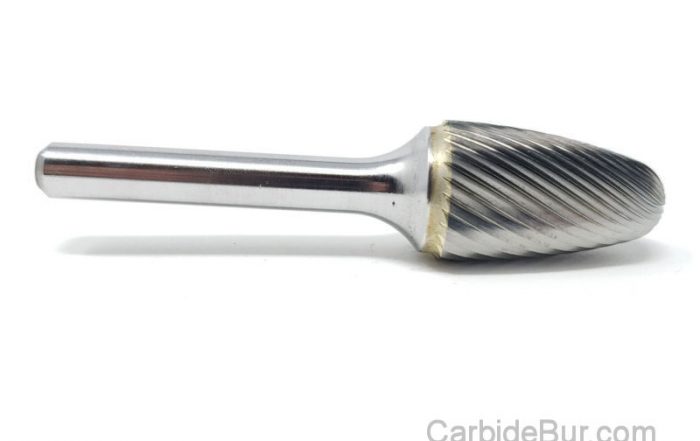
How to Grind a Groove in Metal With a Carbide Burr
How to Grind a Groove in Metal With a Carbide Burr Most metalworkers struggle to cut clean grooves without wasting time or ruining their workpiece. Many try different metalworking tools but end up with uneven [...]
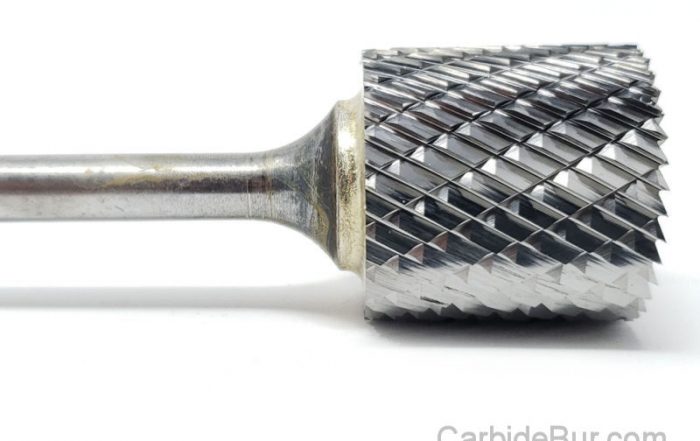
Can Carbide Burrs Cut Through Welds?
Can Carbide Burrs Cut Through Welds? Cutting through welds can feel like a battle, especially when you need clean results without harming the base metal. Carbide burrs offer a sharp edge in this fight, but [...]
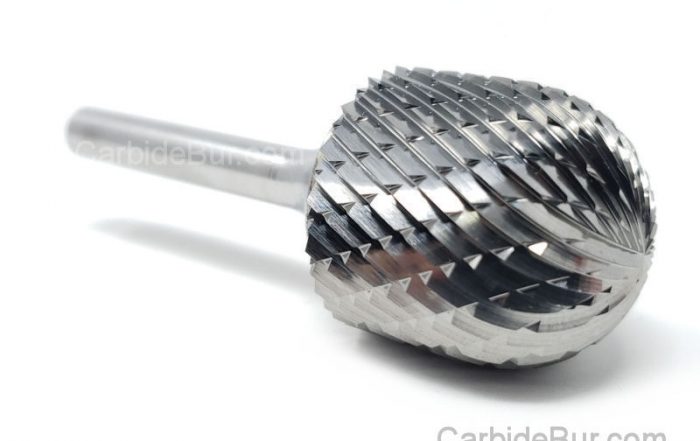
How to Use a Carbide Burr With a Die Grinder
How to Use a Carbide Burr With a Die Grinder Most people treat a carbide burr like just another tool, but using it with a die grinder takes skill. If you’ve struggled with burr installation [...]
1/8 vs 1/4 Inch Carbide Burrs: What’s the Difference?
1/8 vs 1/4 Inch Carbide Burrs: What's the Difference? Choosing between a 1/8 inch carbide burr and a 1/4 inch carbide burr can change how your project turns out. Many machinists and hobbyists overlook how [...]

Best Carbide Burr for Removing Flash From Castings
Best Carbide Burr for Removing Flash From Castings Removing flash from castings is a task that can slow down your entire metalworking process if you don’t have the right tools. Picking the best carbide burr [...]
What RPM Should You Use for a 1/4 Inch Carbide Burr?
What RPM Should You Use for a 1/4 Inch Carbide Burr? Most machinists guess the right speed for a 1/4 inch carbide burr and hope for the best. Using the wrong carbide burr RPM can [...]
Long Shank Carbide Burrs: When Do You Need One?
Long Shank Carbide Burrs: When Do You Need One? Most machinists overlook the power of long shank carbide burrs until a project demands precision in tight spaces. When your usual tools can’t reach intricate contours, [...]
How Deep Can a Carbide Burr Cut Metal?
How Deep Can a Carbide Burr Cut Metal? Carbide burrs often get praised for their precision, but many users hit a wall wondering how deep they can actually cut metal. The truth is, cutting depth [...]
How to Use Carbide Burrs for Port Matching
How to Use Carbide Burrs for Port Matching Most engine builds hit a wall when airflow doesn’t flow smoothly between the ports and manifolds. If your engine isn’t breathing right, your performance stalls. Using the [...]
Best Carbide Burr for Porting Intake Manifolds
Best Carbide Burr for Porting Intake Manifolds Porting intake manifolds can make or break your engine’s airflow, yet many struggle with the right tools for the job. Choosing the best carbide burrs is key to [...]
Best Carbide Burr for Concave Surfaces
Best Carbide Burr for Concave Surfaces Concave surfaces can turn a straightforward project into a frustrating challenge if you don’t have the right tool. Carbide burrs designed for these tricky curves make all the difference [...]
How to Grind a Slot in Metal With a Carbide Burr
How to Grind a Slot in Metal With a Carbide Burr Grinding a precise slot in metal can feel like a tricky task, especially if you’re unsure which tools to trust. Carbide burr grinding offers [...]
