
Mastering Carbide Burr RPM Settings for Superior Metal Cutting
Most metalworkers guess their carbide burr RPM instead of setting it right. That guesswork cuts tool life and slows your work. Knowing the optimal RPM for metals like aluminum, steel, and stainless steel can boost metal cutting efficiency and keep your burrs sharp longer. Let’s break down the best burr speed settings so you get cleaner cuts without burning through your tools. Check out this guide for more insights: How to Properly Use and Maintain Carbide Burrs for Long-lasting Performance.
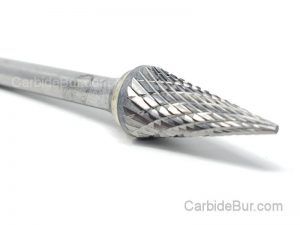
Click here for our entire selection of carbide bur tools
Understanding Carbide Burr RPM
Carbide burr RPM is crucial in achieving smooth cuts and prolonging tool life. By mastering the right settings, you ensure precision and efficiency at every step.
Importance of RPM in Tool Longevity
Getting the RPM right extends the life of your tools. High speeds can lead to overheating, which dulls the burr faster. Low speeds, however, might cause chipping. Imagine running a marathon in high heels—uncomfortable and unsustainable! Instead, consider RPM as the comfortable running shoes for your burrs.
-
Fact check: A burr running at the wrong speed can reduce its lifespan by up to 50%.
By setting the correct RPM, you save money and time on replacements. Most people think their burr will last longer if they go slower, but it’s more about balance.
How RPM Affects Metal Cutting Efficiency
The speed at which your burr spins impacts how cleanly it cuts. Faster isn’t always better; it’s about finding that sweet spot. Consider the difference in cutting through butter with a hot knife versus a cold one—the right temperature makes all the difference.
-
Efficiency boost: Correct RPM settings can improve cutting speed by 30%.
Many assume high speed equals better performance, but that can lead to rough edges. By adjusting RPM, you achieve smoother finishes and faster cuts, maximizing your productivity.
Optimal RPM for Different Metals
Each metal has unique properties, requiring specific RPM settings for the best results. Let’s delve into aluminum, steel, and stainless steel.
Aluminum Machining Techniques
Aluminum is soft and forgiving, but too much speed can still cause problems. You want to avoid clogging and overheating. Aim for a middle ground where the burr glides smoothly.
-
RPM range: 10,000 to 15,000 is ideal for aluminum.
Using a lubricating fluid can help maintain the right temperature, preventing material build-up. Here’s the key insight: balance speed and lubrication for best results.
Steel Burr Speed Settings
Steel is tougher and demands respect. Too slow, and you risk uneven cuts; too fast, and you wear out your burr prematurely. It’s a dance of precision.
-
Ideal RPM: 8,000 to 12,000 works best for steel.
Switching to a double-cut carbide burr can also improve efficiency. Most people think these settings are only for the pros, but with practice, they can be your norm.
Stainless Steel Cutting Insights
Stainless steel is in a league of its own, requiring patience and precision. The challenge lies in its density and toughness.
-
Target RPM: 6,000 to 10,000 for optimal performance.
Consider using a burr with a special coating to reduce friction. Remember, the longer you wait to adjust your settings, the more wear on your tools.
Tips for Effective Tool Use
Now that you know the right RPM settings, let’s focus on keeping your tools in top shape and choosing the best burr for each job.
Maintaining Your Carbide Burr Set
Regular maintenance is key. Cleaning and inspecting your burrs after each use prevents buildup and damage.
-
Routine check: Inspect for dullness or chips after every 10 hours of use.
A simple habit like this can extend tool life significantly. Most people overlook this step, thinking their burrs are indestructible.
Choosing the Right Carbide Rotary Burr
Selecting the right burr depends on the material and the type of cut you need. With a variety of shapes and sizes, there’s a perfect tool for every task.
-
Pro tip: Match the burr to the job for the best results.
By choosing wisely, you enhance efficiency and finish quality. For more on selecting the right burr, check out this detailed guide.
In summary, understanding and applying the right carbide burr RPM settings is crucial for effective metalworking. By optimizing these settings, you achieve smoother cuts and extend the life of your tools. Don’t let guesswork hinder your work; adjust your RPM for precision and efficiency.
Click here for our entire selection of carbide bur tools
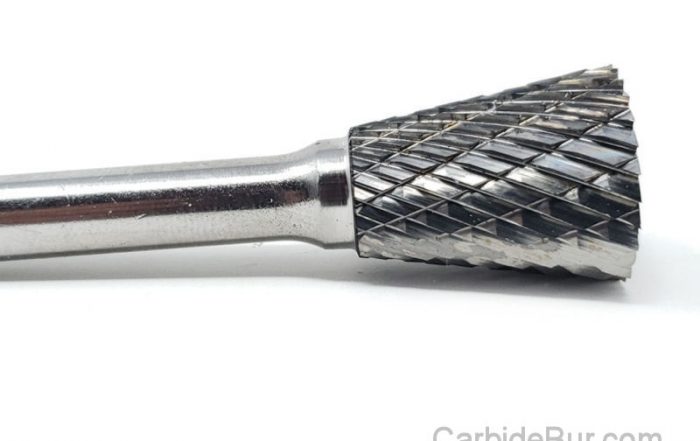
Carbide Burr Safety: 15 Mistakes That Can Cause Injury or Damage
Carbide Burr Safety: 15 Mistakes That Can Cause Injury or Damage Carbide burr safety is often overlooked until a costly mistake happens. Many metalworkers and DIYers make the same errors that lead to injuries or [...]
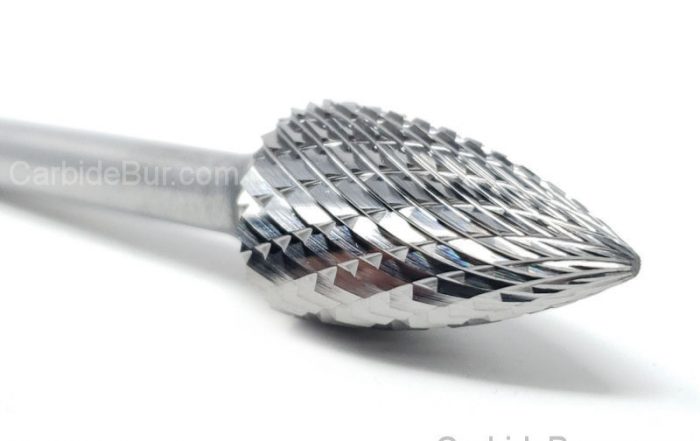
Can You Use a Carbide Burr in a Drill?
Can You Use a Carbide Burr in a Drill? Most people think a standard drill can’t handle a carbide burr, but that’s not true. Using carbide burr in the right drill can speed up your [...]
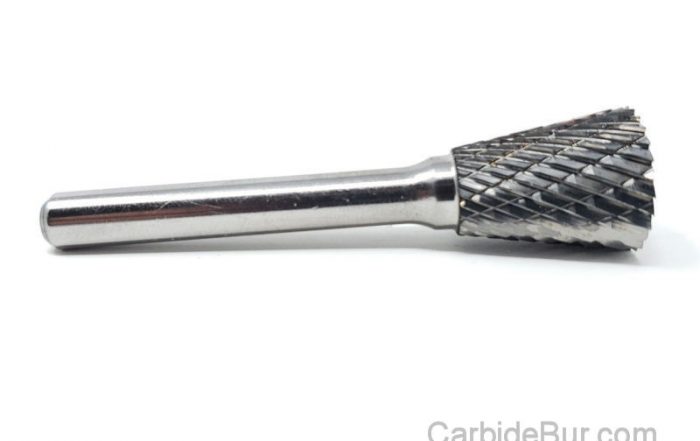
Carbide Burrs for Removing Rust: What Works Best?
Carbide Burrs for Removing Rust: What Works Best? Rust can turn your favorite tools into useless junk faster than you expect. Removing it without ruining the metal underneath takes more than just elbow grease—it demands [...]
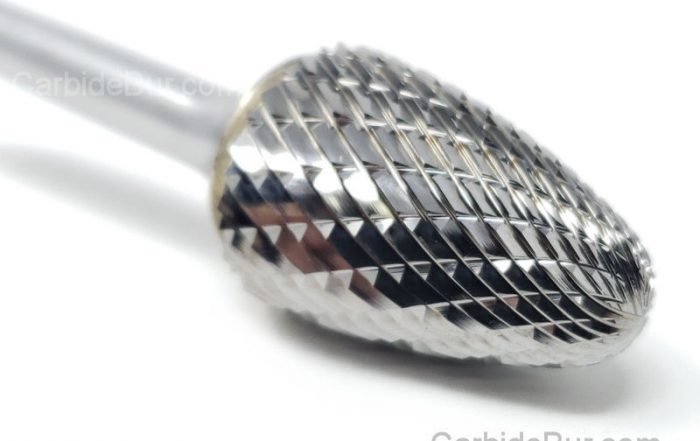
How Much Pressure Should You Use With a Carbide Burr?
How Much Pressure Should You Use With a Carbide Burr? Most people think pressing harder with a carbide burr speeds up the job. That’s not true—too much pressure wears out your tool and ruins the [...]
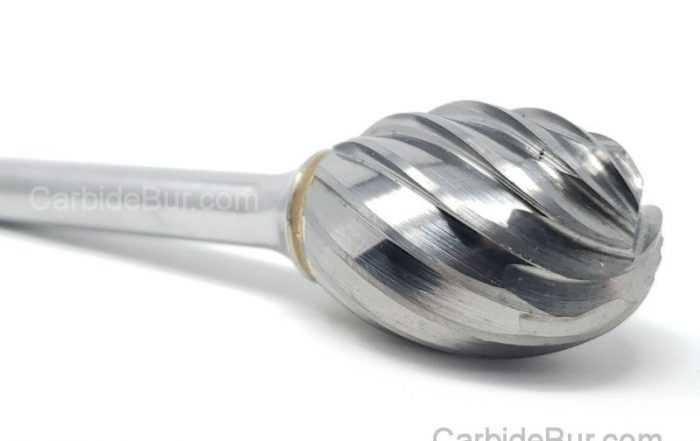
Can You Use Carbide Burrs With an Air Die Grinder?
Can You Use Carbide Burrs With an Air Die Grinder? Most people don’t realize how well carbide burrs work with air die grinders until they try them. If you’ve ever struggled with finding the right [...]
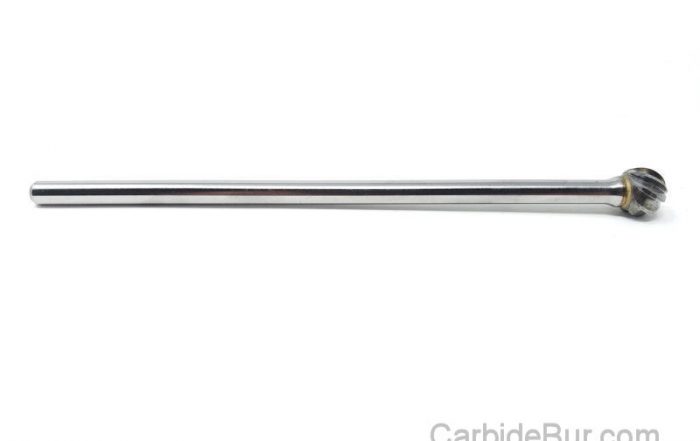
Best Long Reach Carbide Burr for Deep Metal Work
Best Long Reach Carbide Burr for Deep Metal Work Long reach carbide burrs often promise deep metal access, but many fall short where it counts most. You need a tool that cuts cleanly, lasts through [...]
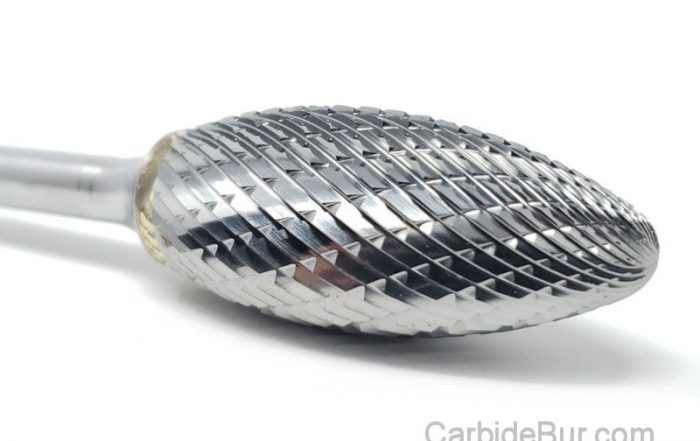
What RPM Should You Use for a 1/8 Inch Carbide Burr?
What RPM Should You Use for a 1/8 Inch Carbide Burr? Most people guess the right carbide burr RPM by feel—and waste hours redoing work. If you want cleaner cuts and longer tool life, your [...]
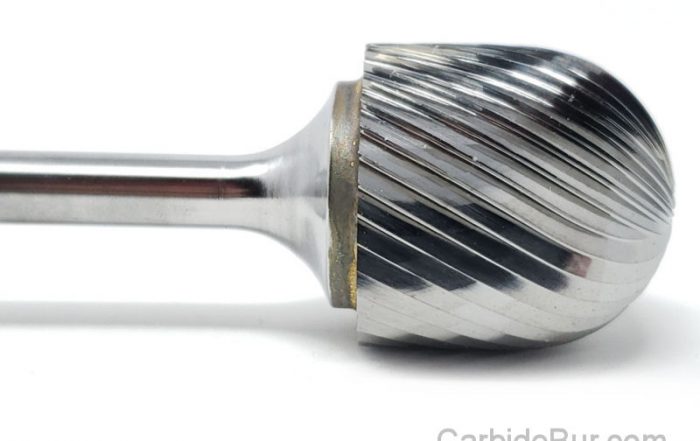
Carbide Burrs for Tight Spaces: Choosing the Right Shape
Carbide Burrs for Tight Spaces: Choosing the Right Shape Tackling tight spaces with the wrong carbide burrs wastes time and risks damaging your work. Choosing the right burr shape makes all the difference when working [...]
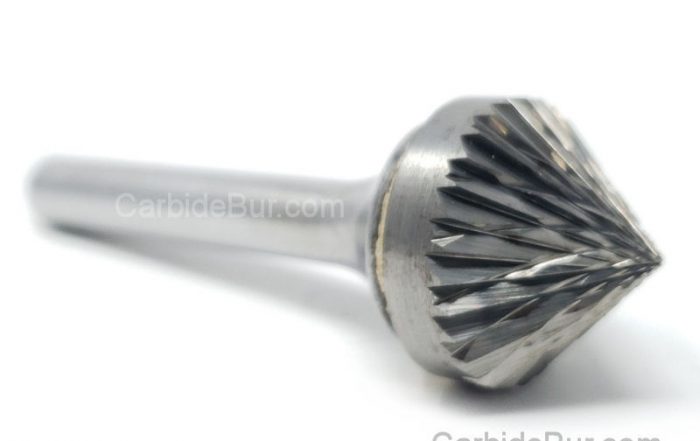
Can Carbide Burrs Remove Paint From Metal?
Can Carbide Burrs Remove Paint From Metal? Stripping paint from metal often feels like a tough chore that risks damaging the surface underneath. Many turn to carbide burrs hoping they can speed things up without [...]
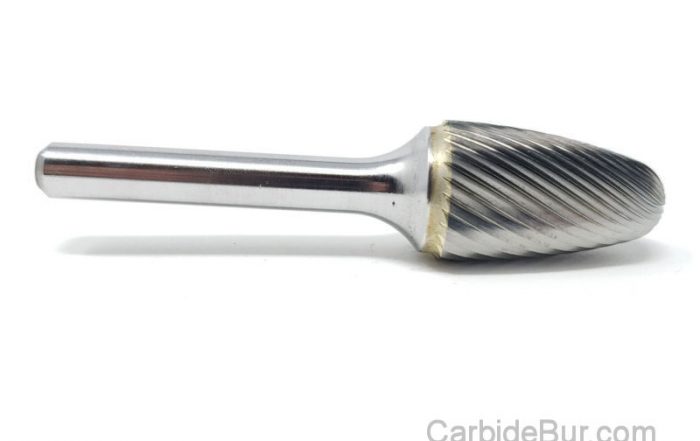
How to Grind a Groove in Metal With a Carbide Burr
How to Grind a Groove in Metal With a Carbide Burr Most metalworkers struggle to cut clean grooves without wasting time or ruining their workpiece. Many try different metalworking tools but end up with uneven [...]
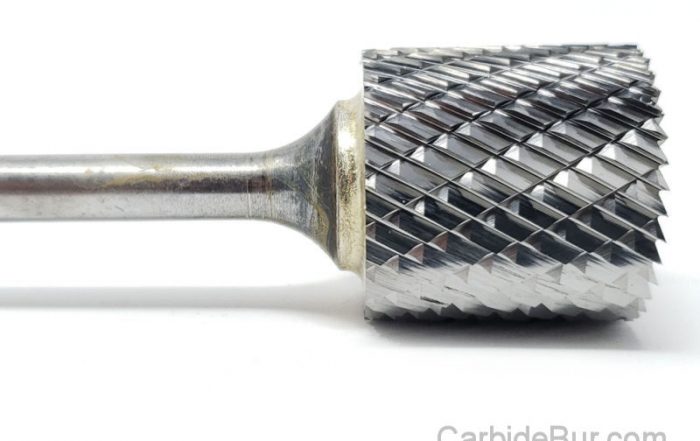
Can Carbide Burrs Cut Through Welds?
Can Carbide Burrs Cut Through Welds? Cutting through welds can feel like a battle, especially when you need clean results without harming the base metal. Carbide burrs offer a sharp edge in this fight, but [...]
How to Use a Carbide Burr With a Die Grinder
How to Use a Carbide Burr With a Die Grinder Most people treat a carbide burr like just another tool, but using it with a die grinder takes skill. If you’ve struggled with burr installation [...]
