
Mastering Ball Burr Techniques: A Guide to Precise Hole Enlargement for Professionals
Most hole enlargement tools leave rough edges or risk damaging the surrounding area. When you need precise borescope access, rough cuts just won’t cut it. Using ball burrs with the right size and material makes all the difference for clean, accurate openings that protect internal mechanisms. This guide breaks down how to choose and use ball burrs to get the job done right every time. For more insights, check out this resource.
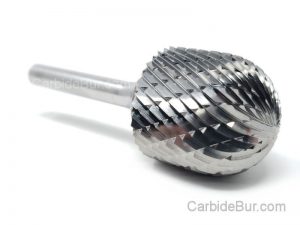
We have the perfect tools you need for safe cracking and manipulation used by professionals
Types of Ball Burrs
Choosing the right tool is only the beginning. Understanding the various types of ball burrs available can ensure you select the best fit for your task. Let’s explore these options, focusing on size and material.
Choosing the Right Burr Size
Getting the right burr size can seem tricky, but it’s crucial for achieving precision. If the burr is too large, it may damage the surrounding area. A burr that’s too small won’t deliver the results you need. Here’s how to find the perfect fit:
-
Measure Twice: Always measure the existing hole and the required enlargement. Precision here is key.
-
Standard Sizes: Ball burrs come in standard sizes. Ensure you know the exact increment you need.
-
Custom Needs: For unique tasks, custom-sized burrs might be necessary. Consult with a supplier if needed.
Choosing the correct burr size can mean the difference between a smooth finish and a costly mistake. Always aim for precision over speed.
Selecting Appropriate Burr Material
Material choice impacts performance and longevity. Here’s what you need to consider:
-
Hard vs. Soft: For tougher materials, use a burr made from carbide. It’s strong and resists wear.
-
Versatility: Steel burrs work well on a variety of materials but may wear out faster on hard surfaces.
-
Special Coatings: Some burrs have coatings to reduce friction and heat, extending tool life.
Choosing the right material ensures your projects run smoothly, reducing downtime and costs. For more on burr materials, refer to this guide.
Techniques for Precise Enlargement
With the right burr in hand, mastering your technique can lead to professional results every time. Let’s dive into some key application tips that can enhance your skills.
Tips for Smooth Application
Smooth application starts with understanding how to handle your tools. Here’s what you need to know:
-
Steady Grip: Maintain a firm grip to prevent the burr from slipping. This reduces errors.
-
Consistent Speed: Keep a steady pace. Rushing can lead to uneven cuts.
-
Cooling: Overheating can damage materials. Utilize cooling techniques like air or liquid sprays.
Practice these techniques to ensure a flawless finish. Remember, the longer you wait to perfect your method, the more you risk costly errors.
Ensuring Accurate Enlargement
Accuracy is paramount. Here’s how to maintain it:
-
Initial Tests: Always start with a test piece. This helps you adjust settings before the real deal.
-
Regular Checks: Stop periodically to check your progress. This prevents over-enlargement.
-
Calibrated Tools: Ensure your tools are properly calibrated to maintain consistent accuracy.
Accuracy not only improves the quality of your work but also boosts your confidence in achieving professional results.
Industry Applications of Ball Burrs
Ball burrs aren’t just for hobbyists. Their applications span various industries, offering solutions for both common and specialized tasks.
Enhancing Boroscope Access
Boroscope access is crucial in many fields. Here’s how ball burrs help:
-
Precision Fit: Achieve a cleaner, more precise fit for your boroscope.
-
Damage Prevention: Protects internal mechanisms from damage during access.
-
Time Efficient: Speeds up the process, allowing for quicker inspections.
For those expanding their boroscope capabilities, ball burrs offer an efficient solution. More details can be found here.
Uses in Machining and Maintenance
In the world of machining and maintenance, ball burrs are invaluable:
-
Material Versatility: Suitable for metals, plastics, and more, making them adaptable across tasks.
-
Detail Work: Perfect for finishing touches that require precision and care.
-
Cost-Effective: Reduces the need for multiple tools, cutting costs.
Ball burrs provide a versatile, cost-effective tool for these industries, enhancing both productivity and quality. Discover more about how to control and improve results here.
In conclusion, mastering the use of ball burrs can revolutionize your approach to precise hole enlargement. From choosing the right tool to perfecting your technique, each step is crucial. By integrating these insights, you ensure that your work stands out in quality and precision.

Can You Use a Carbide Burr With an Electric Die Grinder?
Can You Use a Carbide Burr With an Electric Die Grinder? Most people don’t realize how much a carbide burr can change the way an electric die grinder works. Using the right burr type can [...]
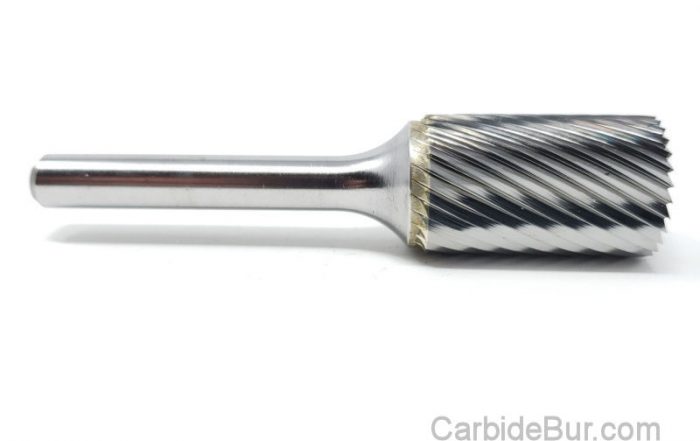
How to Deburr Holes With a Carbide Burr
How to Deburr Holes With a Carbide Burr Most people think any tool will do for deburring holes. The truth is, using the right carbide burr with the correct size and shape changes everything. In [...]
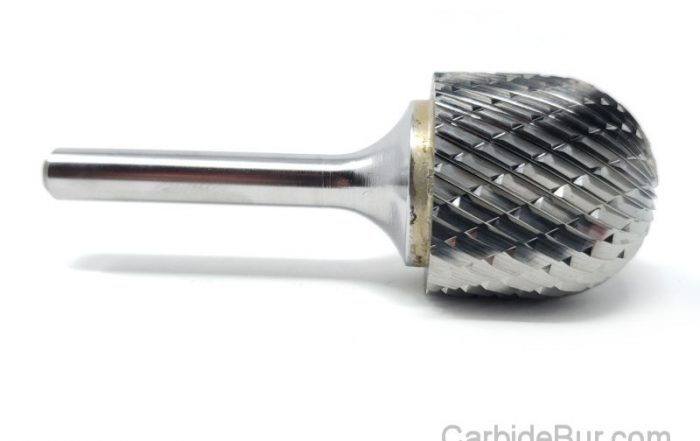
How to Choose the Correct Carbide Burr Shank Size
How to Choose the Correct Carbide Burr Shank Size Many machinists lose hours troubleshooting tool issues caused by the wrong carbide burr shank size. Using a shank that doesn’t fit your grinder can lead to [...]
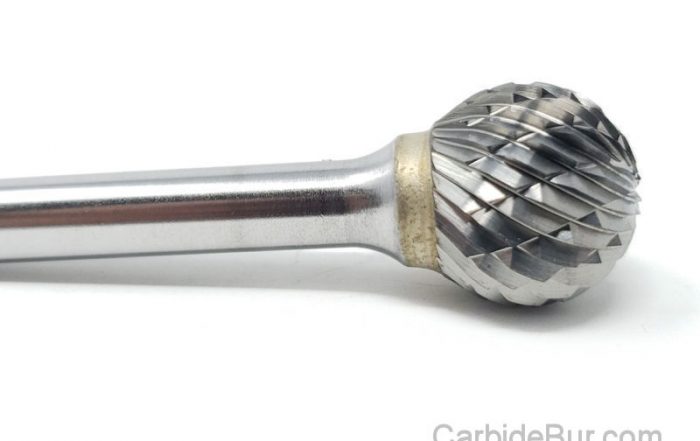
How to Remove Casting Flash With a Carbide Burr
How to Remove Casting Flash With a Carbide Burr Casting flash ruins the look and fit of your metal parts. You’ve tried sanding or grinding, but the results aren’t clean or fast enough. Learning how [...]
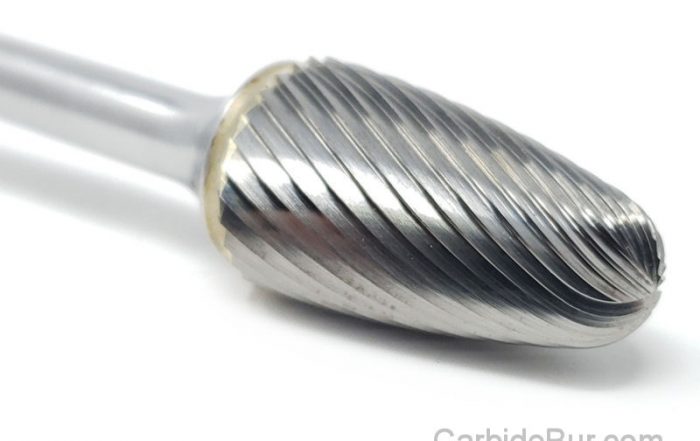
Best Carbide Burr for Enlarging a Hole in Metal
Best Carbide Burr for Enlarging a Hole in Metal When you need to enlarge a hole in metal, grabbing the wrong carbide burr can turn a simple task into a frustrating mess. Picking the best [...]
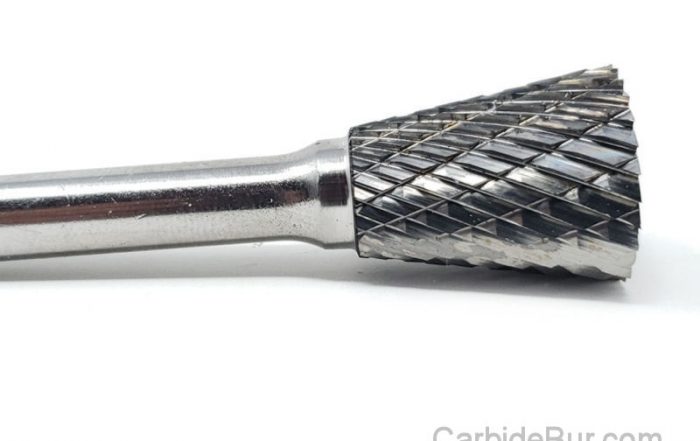
Carbide Burr Safety: 15 Mistakes That Can Cause Injury or Damage
Carbide Burr Safety: 15 Mistakes That Can Cause Injury or Damage Carbide burr safety is often overlooked until a costly mistake happens. Many metalworkers and DIYers make the same errors that lead to injuries or [...]
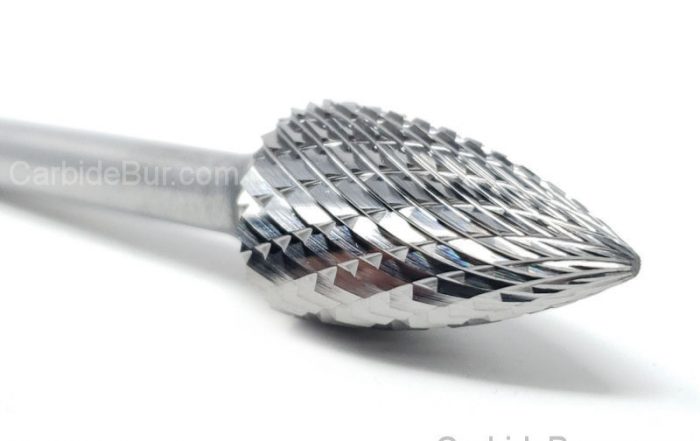
Can You Use a Carbide Burr in a Drill?
Can You Use a Carbide Burr in a Drill? Most people think a standard drill can’t handle a carbide burr, but that’s not true. Using carbide burr in the right drill can speed up your [...]
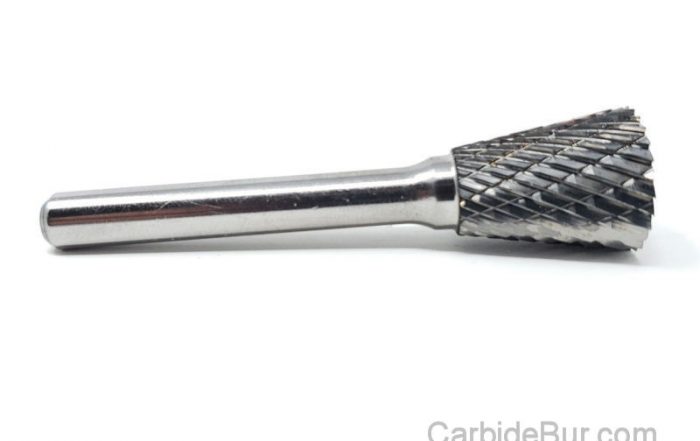
Carbide Burrs for Removing Rust: What Works Best?
Carbide Burrs for Removing Rust: What Works Best? Rust can turn your favorite tools into useless junk faster than you expect. Removing it without ruining the metal underneath takes more than just elbow grease—it demands [...]
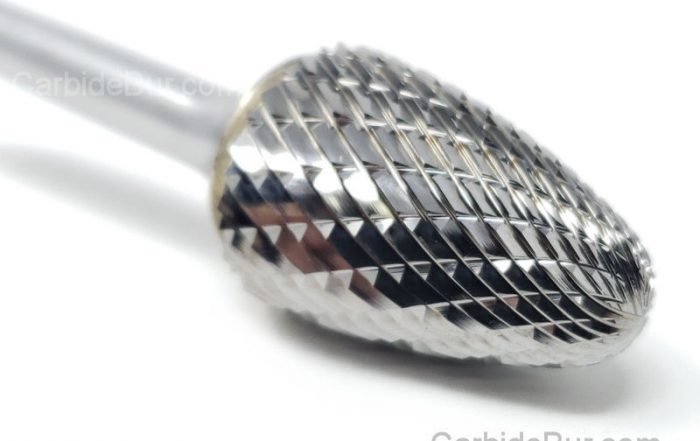
How Much Pressure Should You Use With a Carbide Burr?
How Much Pressure Should You Use With a Carbide Burr? Most people think pressing harder with a carbide burr speeds up the job. That’s not true—too much pressure wears out your tool and ruins the [...]
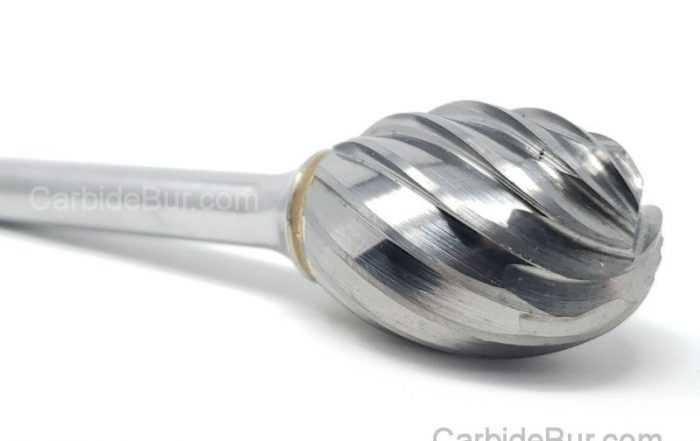
Can You Use Carbide Burrs With an Air Die Grinder?
Can You Use Carbide Burrs With an Air Die Grinder? Most people don’t realize how well carbide burrs work with air die grinders until they try them. If you’ve ever struggled with finding the right [...]
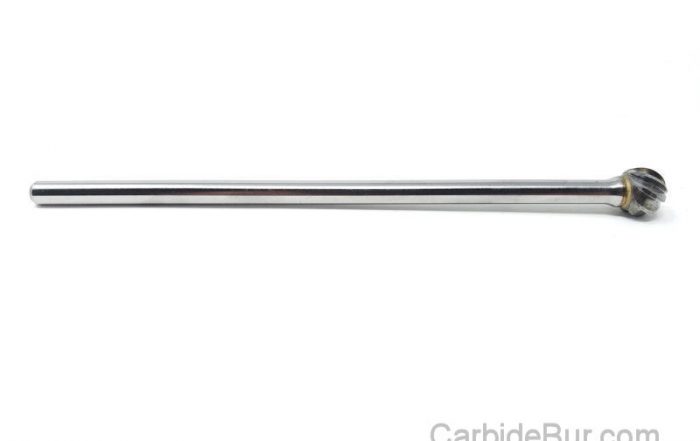
Best Long Reach Carbide Burr for Deep Metal Work
Best Long Reach Carbide Burr for Deep Metal Work Long reach carbide burrs often promise deep metal access, but many fall short where it counts most. You need a tool that cuts cleanly, lasts through [...]
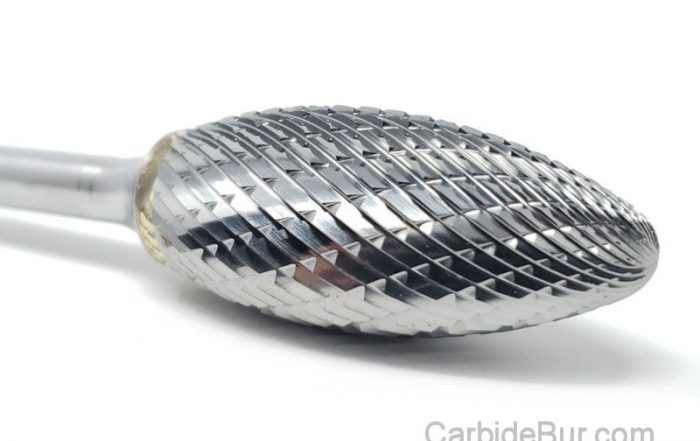
What RPM Should You Use for a 1/8 Inch Carbide Burr?
What RPM Should You Use for a 1/8 Inch Carbide Burr? Most people guess the right carbide burr RPM by feel—and waste hours redoing work. If you want cleaner cuts and longer tool life, your [...]
