
Mastering Surface Contouring: The Art of Using Oval Burrs for Perfect Finishes
Most surface finishes start with rough edges that slow down your work. When you shape around drilled holes, a poorly chosen tool can cause damage or waste time. Using the right oval burr for surface contouring clears the way for clean access tools and smooth results. This guide breaks down burr types, sizes, and materials, so you get precise finishing techniques without guesswork. Learn more about choosing the right burrs here.
We have the perfect tools you need for safe cracking and manipulation used by professionals
Understanding Oval Burrs
Oval burrs are essential for achieving a clean finish, but how do you choose the right one? Let’s explore the different types and their specific uses.
Types and Applications
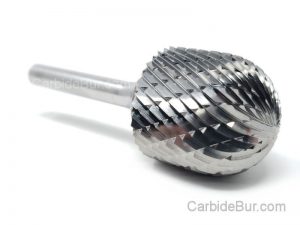
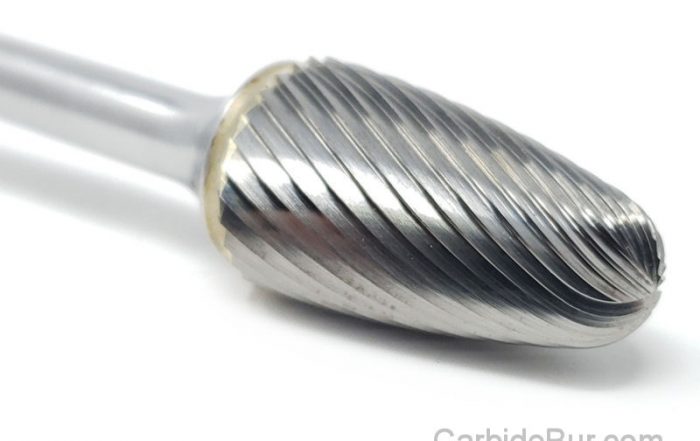
Oval burrs come in various shapes, each designed for a unique task. You might use a round burr for general shaping, while a tapered burr is perfect for narrow spaces. Choosing the correct type ensures efficiency and precision.
-
Round Burrs: Ideal for smoothing large surfaces.
-
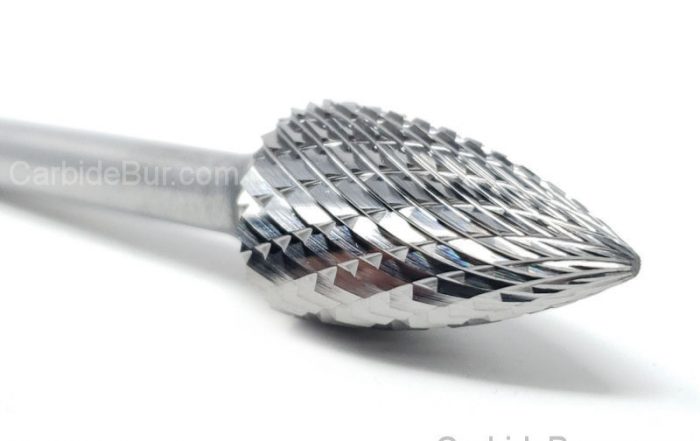
Tapered Burrs: Great for detail work around tight corners.
-
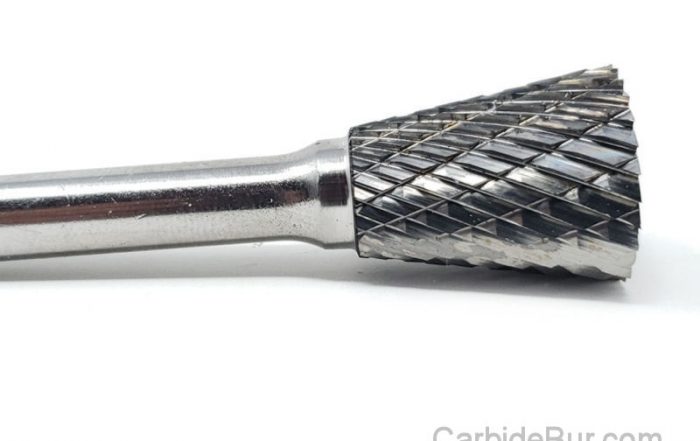
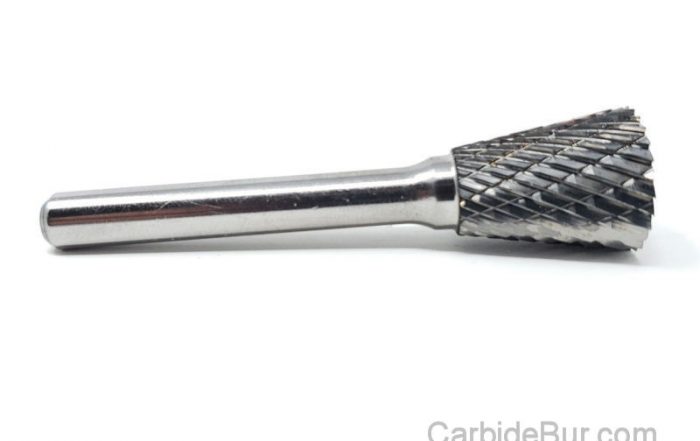
Conical Burrs: Best for deep cuts and shaping.
Each type has a specific purpose, helping you achieve desired results without complications. Experimenting with these options can help you find what best suits your needs. You can explore more about these types in this comprehensive guide.
Selecting the Right Burr Size
Size matters when choosing a burr. Smaller burrs offer precision, while larger ones cover more area quickly. Picking the correct size reduces the risk of damaging your workpiece.
-
Small Burrs (1/8-inch): Perfect for detailed work.
-
Medium Burrs (1/4-inch): Versatile for most tasks.
-
Large Burrs (3/8-inch+): Efficient for larger areas.
Using the wrong size can lead to wasted time and materials. A smaller burr might be too slow for large jobs, while a larger burr could lack the finesse needed for intricate tasks.
Choosing the Best Burr Material
Material choice is crucial for durability and performance. Common materials include carbide and steel, each offering different benefits. Understanding these helps you make an informed decision.
-
Carbide Burrs: Known for longevity and toughness. Ideal for hard materials like metal.
-
Steel Burrs: More affordable and suitable for soft materials like wood and plastic.
Using carbide for soft materials can lead to unnecessary wear, while steel might not handle tough materials as well. Check out this resource for more on choosing the right material.
Techniques for Surface Contouring
Now that you know about burr types, sizes, and materials, let’s move on to applying these tools effectively for surface contouring.
Achieving Precision and Clean Access
Precision is key when working on detailed projects. Using the right burr type and size ensures clean access to tight areas. Here’s how you can achieve optimal results:
-
Select the Correct Burr: Match the burr to the task.
-
Maintain a Steady Hand: Movement control is crucial for precision.
-
Use Light Pressure: Avoid forcing the burr; let it do the work.
Improper technique can lead to uneven results and wasted materials. Most people underestimate the importance of tool control, but mastering it is vital for success.
Effective Smoothing Techniques
Smoothing techniques can transform a rough surface into a polished masterpiece. It’s more than just running a burr over the material; it’s about understanding how to manipulate the tool.
-
Employ Gradual Passes: Start with a coarse burr and move to finer options.
-
Monitor Speed: Adjust RPM for different materials to avoid overheating.
-
Inspect Progress: Regular checks prevent overworking an area.
There’s a misconception that faster speeds yield better results. In reality, careful attention to technique often leads to superior finishes. Learn more from experts here.
Perfecting the Finish
With techniques in hand, it’s time to put the final touches on your project. This section covers surface preparation and finishing to ensure a flawless outcome.
Surface Preparation Best Practices
Preparation sets the stage for a successful finish. Proper surface prep can prevent common issues like burr marks and uneven textures.
-
Clean the Surface: Remove debris and dust before starting.
-
Secure the Workpiece: Stability is key to avoid unwanted movement.
-
Assess the Material: Different materials may require specific prep.
Skipping these steps can lead to disappointing results. Remember, preparation is just as important as the actual finishing process.
Mastering Finishing Techniques
Your project is almost complete, but finishing touches make all the difference. Here’s how to add that professional polish:
-
Use Fine Grits for Final Passes: Ensures a smooth, even surface.
-
Apply Consistent Pressure: Maintains uniformity across the workpiece.
-
Finish with a Clean Cloth: Removes any residual particles and enhances shine.
Taking shortcuts in the finishing process can compromise the entire project. Most skilled crafters agree that patience and attention to detail lead to the best results.
By understanding and applying these principles, you’re well on your way to mastering surface contouring with oval burrs. Keep experimenting, and you’ll continue to refine your skills.
We have the perfect tools you need for safe cracking and manipulation used by professionals

Can You Use a Carbide Burr With an Electric Die Grinder?
Can You Use a Carbide Burr With an Electric Die Grinder? Most people don’t realize how much a carbide burr can change the way an electric die grinder works. Using the right burr type can [...]
How to Deburr Holes With a Carbide Burr
How to Deburr Holes With a Carbide Burr Most people think any tool will do for deburring holes. The truth is, using the right carbide burr with the correct size and shape changes everything. In [...]
How to Choose the Correct Carbide Burr Shank Size
How to Choose the Correct Carbide Burr Shank Size Many machinists lose hours troubleshooting tool issues caused by the wrong carbide burr shank size. Using a shank that doesn’t fit your grinder can lead to [...]
How to Remove Casting Flash With a Carbide Burr
How to Remove Casting Flash With a Carbide Burr Casting flash ruins the look and fit of your metal parts. You’ve tried sanding or grinding, but the results aren’t clean or fast enough. Learning how [...]
Best Carbide Burr for Enlarging a Hole in Metal
Best Carbide Burr for Enlarging a Hole in Metal When you need to enlarge a hole in metal, grabbing the wrong carbide burr can turn a simple task into a frustrating mess. Picking the best [...]
Carbide Burr Safety: 15 Mistakes That Can Cause Injury or Damage
Carbide Burr Safety: 15 Mistakes That Can Cause Injury or Damage Carbide burr safety is often overlooked until a costly mistake happens. Many metalworkers and DIYers make the same errors that lead to injuries or [...]
Can You Use a Carbide Burr in a Drill?
Can You Use a Carbide Burr in a Drill? Most people think a standard drill can’t handle a carbide burr, but that’s not true. Using carbide burr in the right drill can speed up your [...]
Carbide Burrs for Removing Rust: What Works Best?
Carbide Burrs for Removing Rust: What Works Best? Rust can turn your favorite tools into useless junk faster than you expect. Removing it without ruining the metal underneath takes more than just elbow grease—it demands [...]
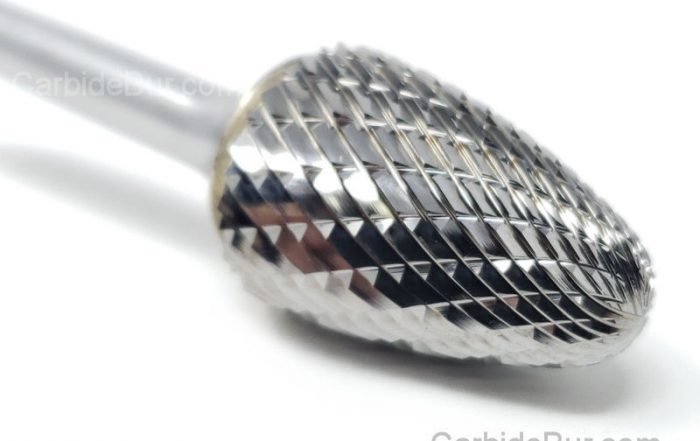
How Much Pressure Should You Use With a Carbide Burr?
How Much Pressure Should You Use With a Carbide Burr? Most people think pressing harder with a carbide burr speeds up the job. That’s not true—too much pressure wears out your tool and ruins the [...]
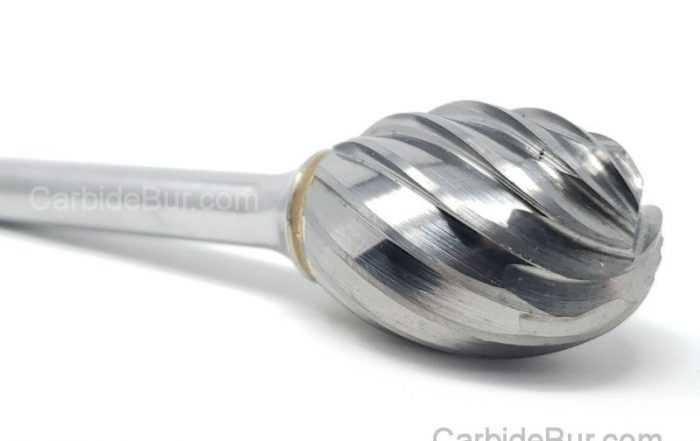
Can You Use Carbide Burrs With an Air Die Grinder?
Can You Use Carbide Burrs With an Air Die Grinder? Most people don’t realize how well carbide burrs work with air die grinders until they try them. If you’ve ever struggled with finding the right [...]
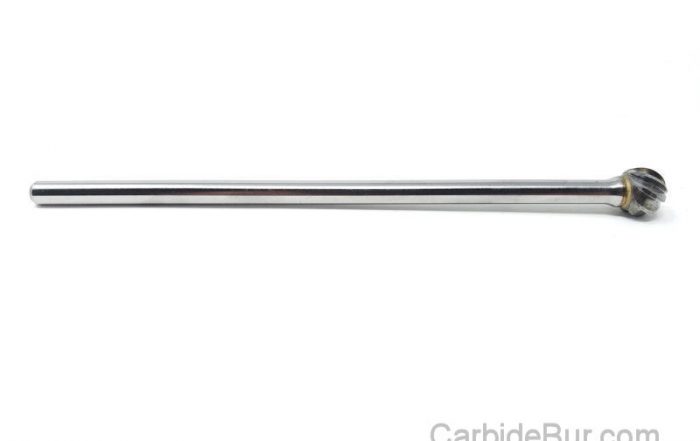
Best Long Reach Carbide Burr for Deep Metal Work
Best Long Reach Carbide Burr for Deep Metal Work Long reach carbide burrs often promise deep metal access, but many fall short where it counts most. You need a tool that cuts cleanly, lasts through [...]
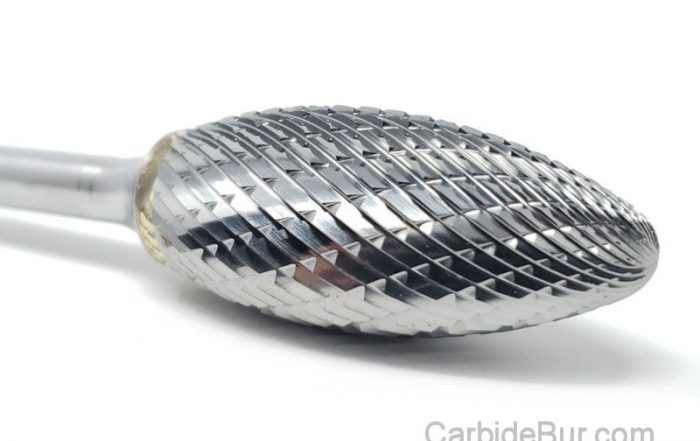
What RPM Should You Use for a 1/8 Inch Carbide Burr?
What RPM Should You Use for a 1/8 Inch Carbide Burr? Most people guess the right carbide burr RPM by feel—and waste hours redoing work. If you want cleaner cuts and longer tool life, your [...]
