
Precision and Safety: Effective Techniques for Cylinder Burr Use in Safe Manipulation
Drilling side holes in in-floor safes without damaging their structure is a challenge you face daily. Cylinder burrs offer a precise way to create access points for punching bolts safely. This article breaks down the types of cylinder burrs and shares drilling techniques that keep your work sharp and secure. For more insights, check out this comprehensive guide on safe-cracking tools.
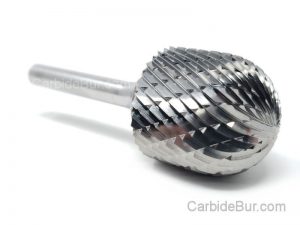
We have the perfect tools you need for safe cracking and manipulation used by professionals
Understanding Cylinder Burrs
Let’s kick things off by exploring the world of cylinder burrs and their significance in safe manipulation. These tools are crucial for creating side access points, allowing you to work with precision and care.
Types of Cylinder Burrs
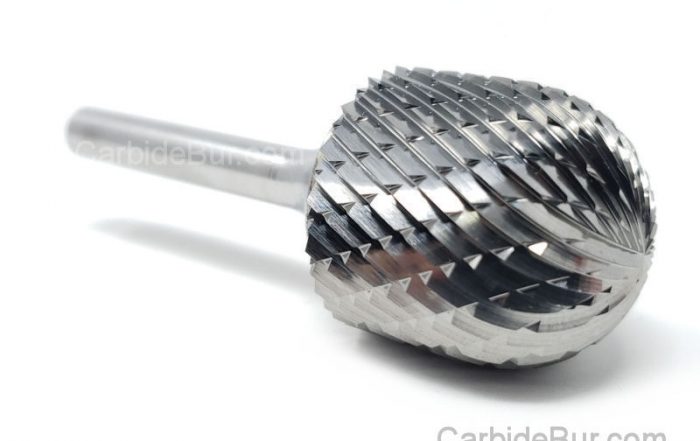
When it comes to cylinder burrs, variety is key. You have multiple options tailored to different tasks. Tungsten carbide burrs are popular for their durability. They handle tough materials like a breeze. On the other hand, diamond burrs offer exceptional precision. They’re perfect when you need a delicate touch.
Why choose one over the other? Consider your project needs. Tungsten carbide burrs are ideal for heavy-duty work. If you’re drilling into steel or other hard metals, these are your go-to. Diamond burrs shine in tasks requiring finesse. Their precision can be a game-changer in certain situations. For a visual guide, this YouTube video offers an excellent demonstration.
Design Attributes and Uses
Understanding the design of cylinder burrs helps you make informed decisions. Flute design is a critical factor. It determines how material is removed during drilling. Burrs with multiple flutes offer smoother finishes. They’re less likely to cause chipping.
Consider the shank size too. This affects compatibility with your tools. A mismatch might lead to inefficiencies or even damage. Choose burrs that fit your equipment seamlessly. For a deeper dive into safe-cracking techniques, check out this archived document.
Safe Drilling Practices
Now that you’re familiar with cylinder burrs, let’s delve into safe drilling practices. These techniques ensure you achieve your goals without compromising safety.
Step-by-Step Drilling Guide
-
Preparation is Key: Ensure you have the right burr for the job. Check your equipment for compatibility and wear.
-
Mark the Spot: Before drilling, mark the exact point where you need to create the access hole. This prevents errors.
-
Secure the Area: Use clamps to hold the safe steady. This minimizes movement, reducing the risk of mistakes.
-
Drill with Precision: Start drilling slowly. Gradual pressure helps maintain control and prevents damage.
-
Monitor Progress: Regularly check your work. This ensures you’re on the right track and prevents over-drilling.
Risk Minimization Techniques
Avoiding risks is paramount in this line of work. Begin by assessing the safe’s structure. Some safes have reinforced areas that require extra caution. Knowing these spots helps you plan better.
Use lubrication while drilling. It reduces friction and heat, extending the life of your burrs. Remember, overheating can damage both your tool and the safe.
Lastly, keep your tools sharp. A dull burr is ineffective and dangerous. Regular maintenance prevents mishaps. For more on enhancing security, visit Viro Security Club.
Enhancing Locksmith Effectiveness
Your effectiveness as a locksmith hinges on precision and maintaining the integrity of safes. Let’s explore some practical tips to elevate your skills.
Practical Tips for Precision
Precision is your best friend. Always measure twice before drilling. A small error can lead to big problems. Double-checking saves time and materials.
Keep your workspace organized. Misplacing tools or burrs can disrupt your flow. An orderly setup enhances efficiency and reduces stress.
Lastly, invest in quality tools. Cheap alternatives may save money initially but cost more in the long run due to replacements and potential damages. Most professionals agree: quality pays off.
Maintaining Structural Integrity
Your goal is to access the safe without compromising its structure. Focus on drilling only where necessary. Avoid shortcuts that might weaken the safe.
Consider the angle of your drill. A wrong angle can cause unnecessary stress on the material. Proper alignment ensures clean, precise holes.
Regularly inspect your work. A quick check can prevent future issues. Remember, the longer you wait to address potential problems, the bigger they become. For more insights into safe mechanisms, explore How Stuff Works.
In conclusion, mastering cylinder burrs and safe drilling practices empowers you to work with efficiency and confidence. By following these guidelines, you enhance your effectiveness and maintain the integrity of every safe you handle.
We have the perfect tools you need for safe cracking and manipulation used by professionals
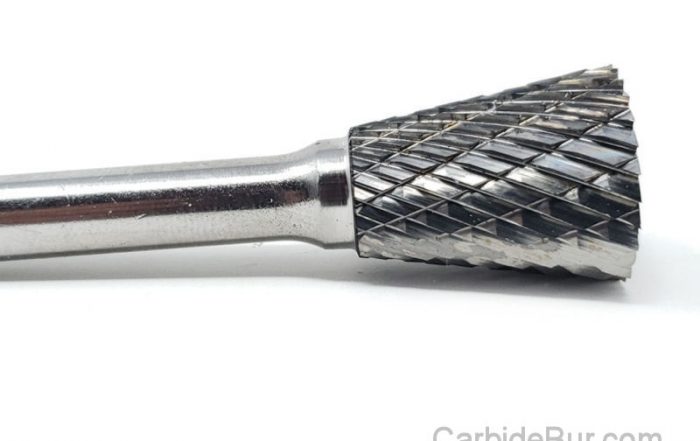
Carbide Burr Safety: 15 Mistakes That Can Cause Injury or Damage
Carbide Burr Safety: 15 Mistakes That Can Cause Injury or Damage Carbide burr safety is often overlooked until a costly mistake happens. Many metalworkers and DIYers make the same errors that lead to injuries or [...]
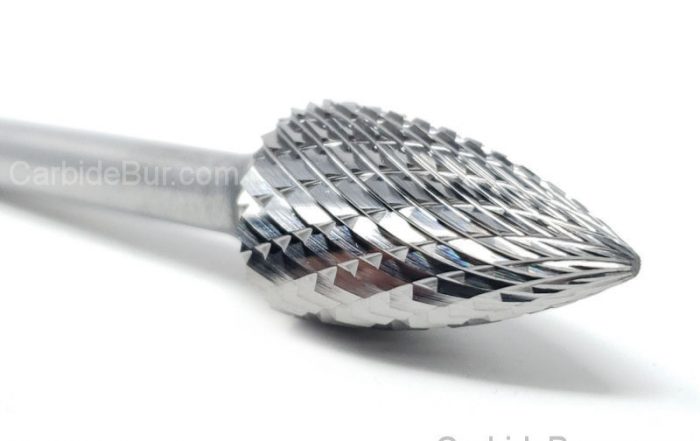
Can You Use a Carbide Burr in a Drill?
Can You Use a Carbide Burr in a Drill? Most people think a standard drill can’t handle a carbide burr, but that’s not true. Using carbide burr in the right drill can speed up your [...]
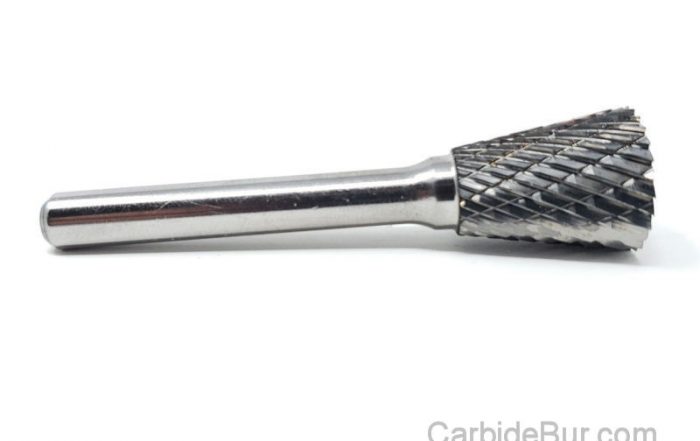
Carbide Burrs for Removing Rust: What Works Best?
Carbide Burrs for Removing Rust: What Works Best? Rust can turn your favorite tools into useless junk faster than you expect. Removing it without ruining the metal underneath takes more than just elbow grease—it demands [...]
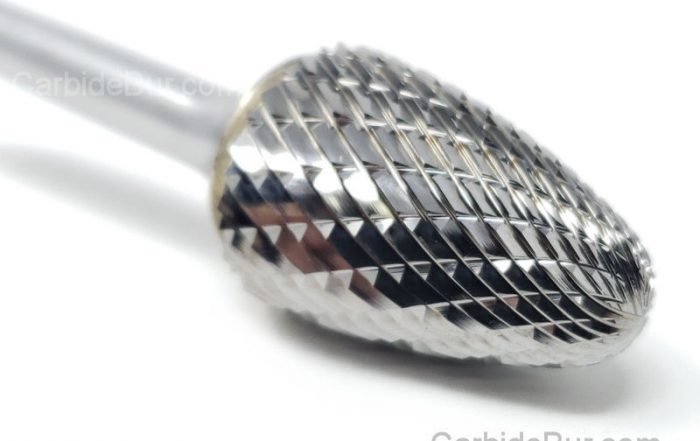
How Much Pressure Should You Use With a Carbide Burr?
How Much Pressure Should You Use With a Carbide Burr? Most people think pressing harder with a carbide burr speeds up the job. That’s not true—too much pressure wears out your tool and ruins the [...]
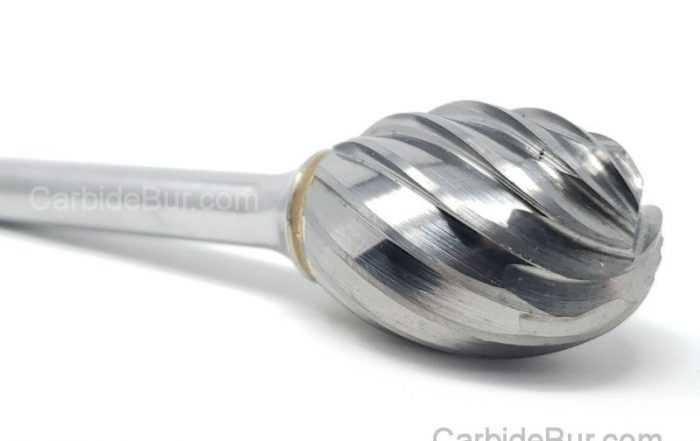
Can You Use Carbide Burrs With an Air Die Grinder?
Can You Use Carbide Burrs With an Air Die Grinder? Most people don’t realize how well carbide burrs work with air die grinders until they try them. If you’ve ever struggled with finding the right [...]
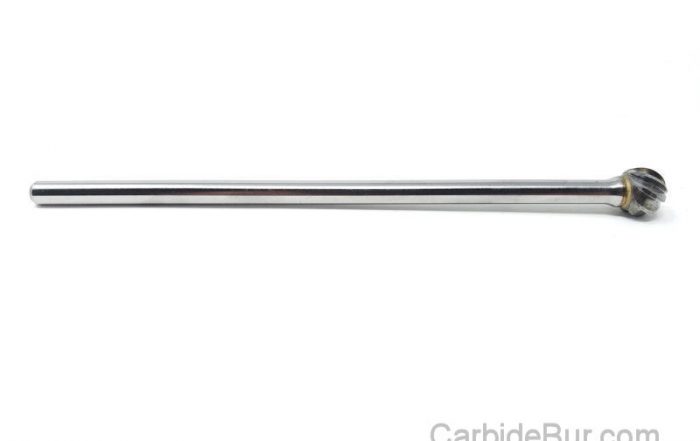
Best Long Reach Carbide Burr for Deep Metal Work
Best Long Reach Carbide Burr for Deep Metal Work Long reach carbide burrs often promise deep metal access, but many fall short where it counts most. You need a tool that cuts cleanly, lasts through [...]
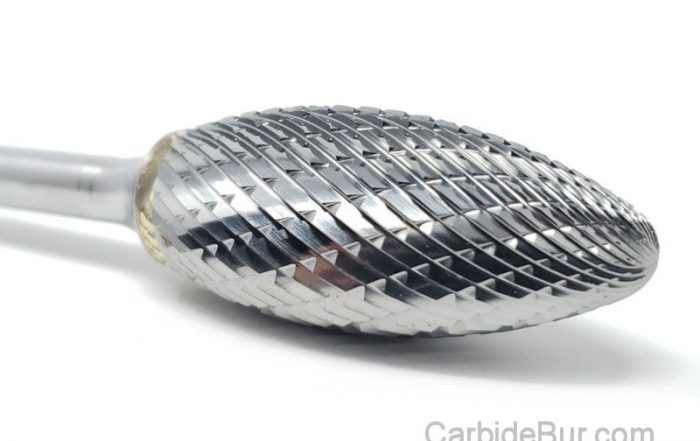
What RPM Should You Use for a 1/8 Inch Carbide Burr?
What RPM Should You Use for a 1/8 Inch Carbide Burr? Most people guess the right carbide burr RPM by feel—and waste hours redoing work. If you want cleaner cuts and longer tool life, your [...]
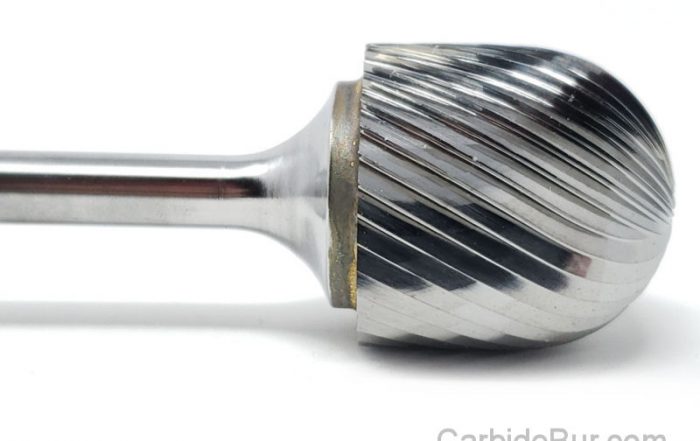
Carbide Burrs for Tight Spaces: Choosing the Right Shape
Carbide Burrs for Tight Spaces: Choosing the Right Shape Tackling tight spaces with the wrong carbide burrs wastes time and risks damaging your work. Choosing the right burr shape makes all the difference when working [...]
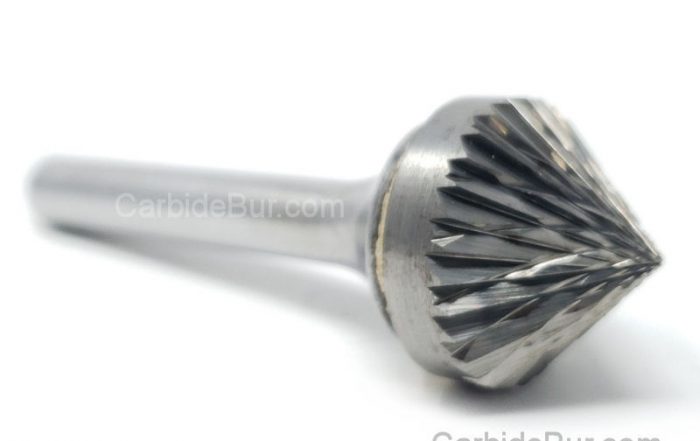
Can Carbide Burrs Remove Paint From Metal?
Can Carbide Burrs Remove Paint From Metal? Stripping paint from metal often feels like a tough chore that risks damaging the surface underneath. Many turn to carbide burrs hoping they can speed things up without [...]
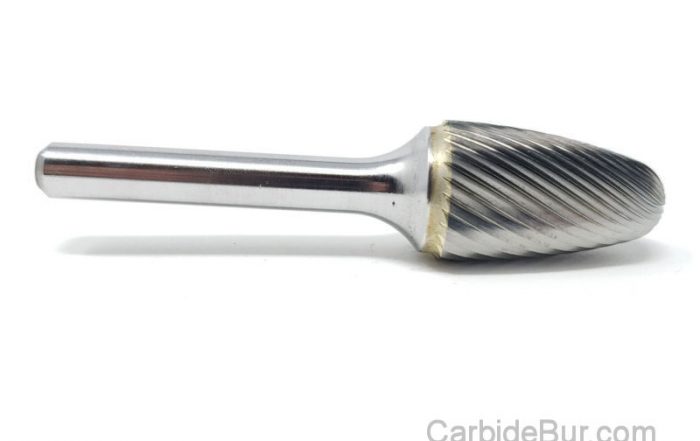
How to Grind a Groove in Metal With a Carbide Burr
How to Grind a Groove in Metal With a Carbide Burr Most metalworkers struggle to cut clean grooves without wasting time or ruining their workpiece. Many try different metalworking tools but end up with uneven [...]
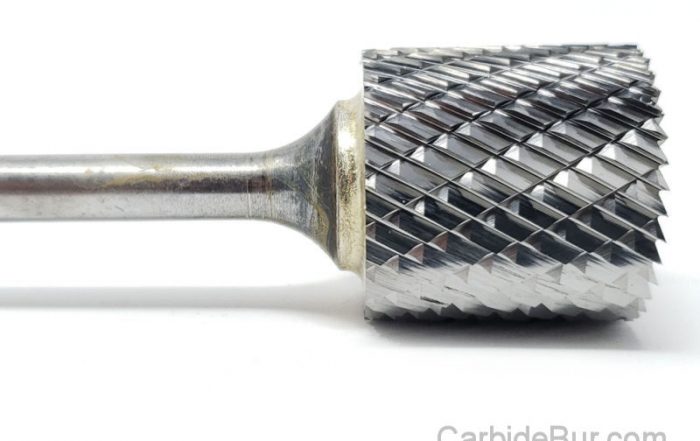
Can Carbide Burrs Cut Through Welds?
Can Carbide Burrs Cut Through Welds? Cutting through welds can feel like a battle, especially when you need clean results without harming the base metal. Carbide burrs offer a sharp edge in this fight, but [...]
How to Use a Carbide Burr With a Die Grinder
How to Use a Carbide Burr With a Die Grinder Most people treat a carbide burr like just another tool, but using it with a die grinder takes skill. If you’ve struggled with burr installation [...]
