
The Expert’s Guide to Chamfering and Edge Breaking with Carbide Burrs
Most metal shaping tools only scratch the surface. If your edges still feel rough or your welds aren’t smooth, you’re missing a key step. Carbide burrs can change how you handle chamfering, polishing welds, and even cylinder head porting. Keep reading to learn 10 practical ways to shape metal like a pro. For more details, check out this ultimate guide.
Find more information at CarbideBur.com
Mastering Chamfering and Edge Breaking
Ready to make your metal edges smooth and precise? Carbide burrs are your new best friend. They help you achieve a perfect finish by removing sharp edges and prepping surfaces for welding and paint. Let’s explore how these tools can redefine your approach to metalworking.
Creative Uses of Carbide Burrs
Carbide burrs are more than just a tool; they’re a game-changer in your toolbox. Start by using them to create intricate designs on metal surfaces. Imagine adding unique patterns to your projects that stand out. You can also use these burrs to smooth edges that other tools can’t reach, giving your work a professional touch.
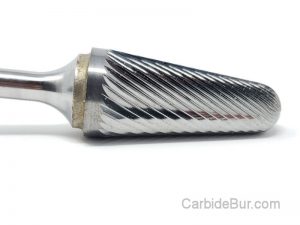
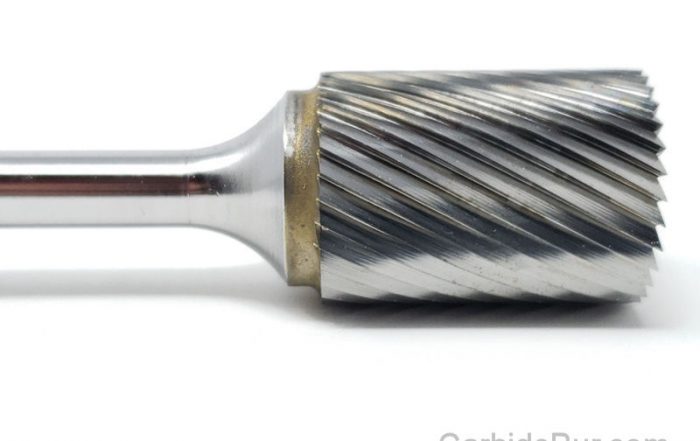
Next, try using different shapes of burrs for various tasks. For instance, a cone-shaped burr is perfect for reaching tight corners, while a cylindrical one is great for flat surfaces. Experimentation will reveal even more uses for these versatile tools. Curious about the types and sizes available? Check out this resource.
Essential Edge Breaking Techniques
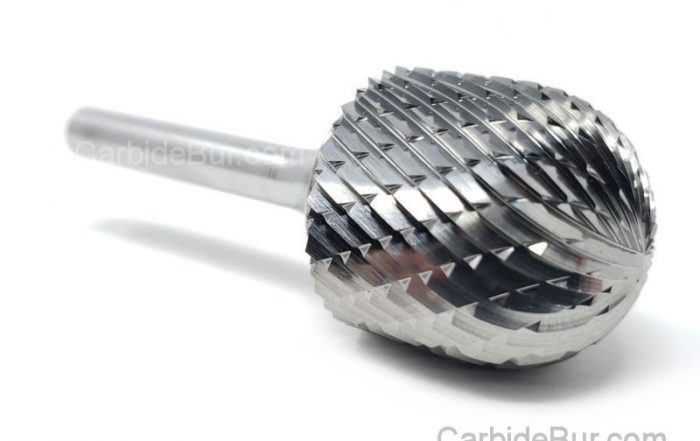
Breaking edges with precision isn’t just about looks; it’s crucial for safety too. The first step is to choose the right burr for your project. For smoother edges, a double-cut burr can be your go-to. It allows for finer control and leaves a cleaner finish.
Always maintain a steady hand while working, and remember to use gentle pressure. Allow the burr to do the work, guiding it along the edge in a consistent motion. This technique not only protects you from sharp edges but also prepares the metal for further processes like painting or welding.
Common Challenges and Solutions
Working with metal isn’t without its challenges. You might find that burrs wear down quickly or produce too much heat. Fear not! A simple solution is to use cutting fluid to reduce friction and extend tool life. It also helps in keeping the metal cool, preventing any warping.
Another common issue is clogging. When your burrs get clogged, they lose efficiency. Clean them regularly with a wire brush to maintain their cutting ability. If you’re curious about more tips, Burrs for Less offers a variety of solutions.
Enhancing Welds and Seams
Now that your edges are perfect, it’s time to focus on welds and seams. Carbide burrs can refine these areas, making your welds look seamless and professional. The following techniques will elevate your metalworking to the next level.
Polishing Welds for a Flawless Finish
When it comes to welding, the finishing touches are just as important as the weld itself. Carbide burrs help you achieve a polished, smooth surface. Start by selecting a burr that’s suited for metal polishing. A flame-shaped burr can be particularly effective for this task.
Work in a steady, circular motion to blend the weld with the surrounding metal. This not only improves the appearance but also enhances the structural integrity of the weld. Remember, a smooth weld is less prone to corrosion and adds to the overall strength of the piece.
Techniques for Welding Seam Finishing
Finishing welding seams requires patience and precision. Begin by removing any excess material from the seam with a coarse burr. Once the bulk of the material is gone, switch to a finer burr to smooth out the surface.
Ensure that you’re working in a well-lit area to spot any imperfections. This attention to detail will ensure that your seams are not only strong but also visually appealing.
DIY Metalworking Tips for Professionals
If you’re a professional, you’re likely always seeking ways to improve your craft. Consider investing in a variety of burr shapes and sizes to expand your capabilities. Regularly sharpen your tools to keep them in top condition.
Additionally, make it a habit to experiment with different techniques. The more you learn, the more versatile you’ll become in your work.
Perfecting Holes and Cylinder Heads
The final step in mastering metalworking with carbide burrs is perfecting holes and cylinder heads. These tasks require precision and care, and with the right techniques, you’ll achieve professional results every time.
Enlarging Holes with Precision
Enlarging holes can be tricky, but with the right approach, it’s straightforward. Use a tapered burr to gently expand the hole to your desired size. This method allows for greater control and reduces the risk of overcutting.
Measure twice and cut once, ensuring that each pass is slow and steady. This careful approach prevents any damage to the surrounding material and ensures that the hole is perfectly sized.
Finishing Holes Like a Pro
Finishing holes requires attention to detail. After enlarging, switch to a ball-shaped burr to deburr and smooth the hole edges. This step is essential for ensuring that bolts or other components fit snugly without any obstruction.
Make sure to inspect the hole under good lighting to catch any remaining burrs. A polished finish not only looks professional but also ensures functionality.
Effective Cylinder Head Porting Tips
Cylinder head porting can significantly improve engine performance. The aim is to increase airflow, and carbide burrs are perfect for this task. Start by using a long, narrow burr to reach into the ports and remove any casting flaws.
Take your time and work methodically to ensure each port is smooth and evenly shaped. Regular inspections will help you achieve the best results, ensuring your engine runs efficiently. For more insights into porting, visit this guide.
In summary, carbide burrs are invaluable tools for anyone serious about metalworking. From chamfering to polishing welds and enlarging holes, these burrs provide precision and control. By mastering these techniques, your projects will not only meet but exceed industry standards. Keep experimenting and pushing your skills to new heights.
Find more information at CarbideBur.com
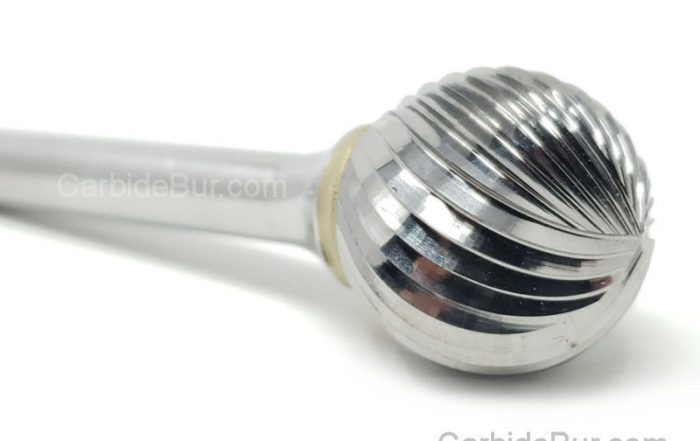
Precision Carving with Carbide Burrs: How to Get the Best Performance from Your Dremel
Precision Carving with Carbide Burrs: How to Get the Best Performance from Your Dremel Most people assume any carbide burr fits their Dremel without issue. The truth is, understanding the 1/8-inch shank size and speed [...]
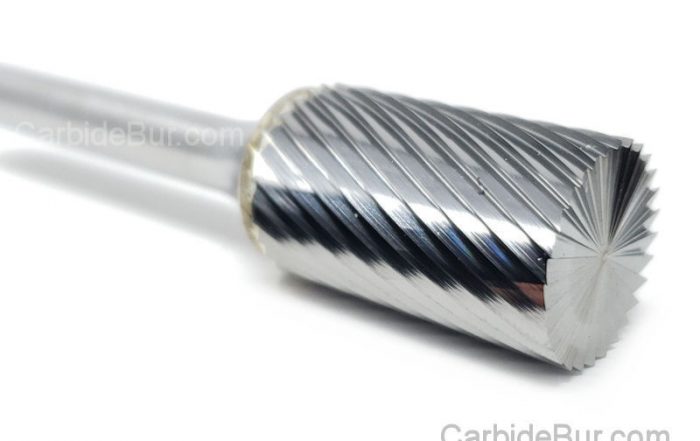
Unlocking the Secrets of Burr Shape Optimization for Aluminum
Unlocking the Secrets of Burr Shape Optimization for Aluminum Carbide burrs clogging during aluminum cutting can bring your project to a frustrating halt. You’ve seen how the soft, chip-forming nature of aluminum turns your tools [...]
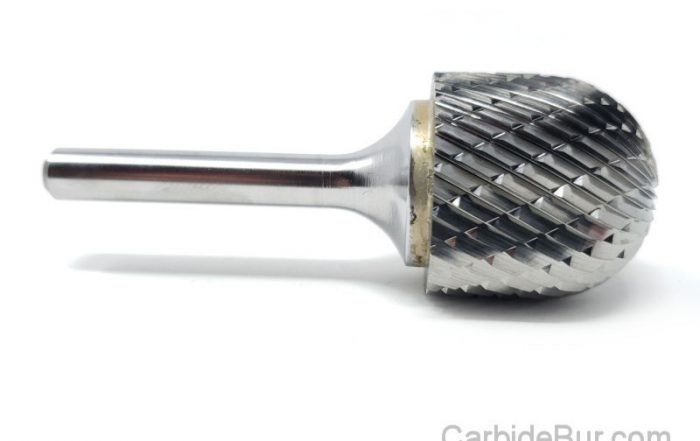
Enhance Your Metalworking Skills: Top Benefits of Long-Reach Carbide Burrs
Enhance Your Metalworking Skills: Top Benefits of Long-Reach Carbide Burrs Grinding tight spots often feels impossible with standard tools. You waste time twisting and turning, trying to reach every corner without scratching your work. Long-reach [...]
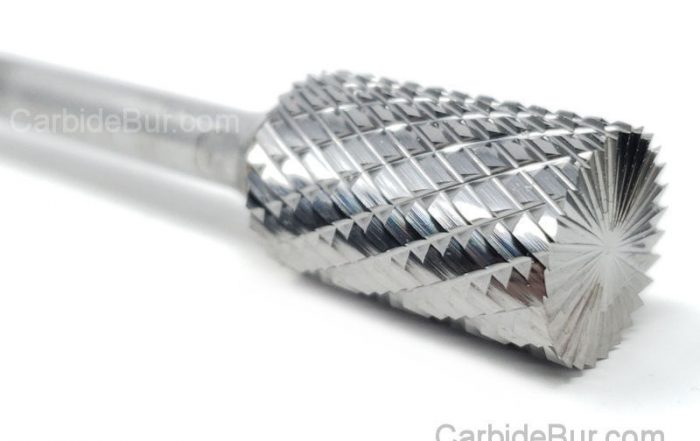
Comparing Electric and Pneumatic Die Grinders with Carbide Burrs
Power and Precision: Comparing Electric and Pneumatic Die Grinders with Carbide Burrs Choosing the right die grinder for your carbide burrs can feel like a maze. Electric die grinders promise power at your fingertips, while [...]
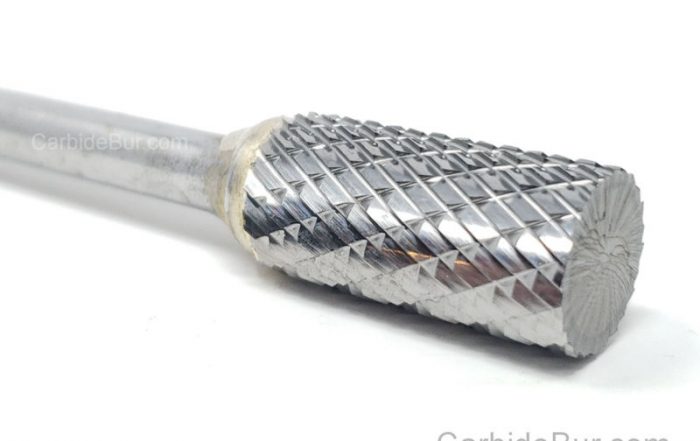
The Top Tools Driving the Future of Aerospace Machining
The Top Tools Driving the Future of Aerospace Machining The demand for aerospace machining has surged, pushing manufacturers to deliver high-precision metal parts faster than ever. Meeting tight standards while cutting lead times in aerospace [...]
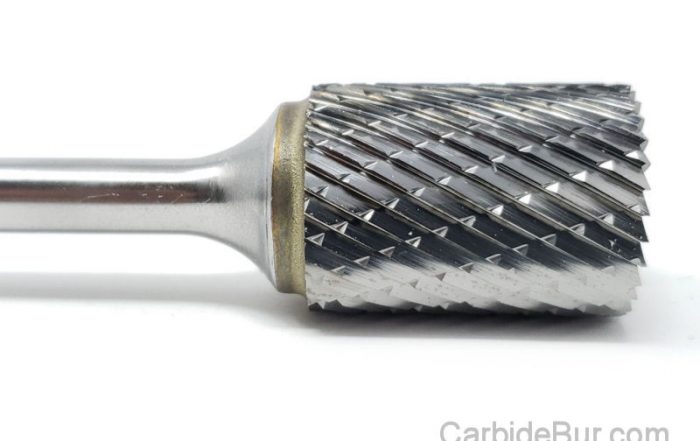
Mastering Carbide Burrs for Enhanced Engine Performance
Beginner's Guide to Engine Porting: Mastering Carbide Burrs for Enhanced Engine Performance Most beginners think engine porting is just about grinding metal. The truth is, mastering carbide burrs can change how air moves through your [...]
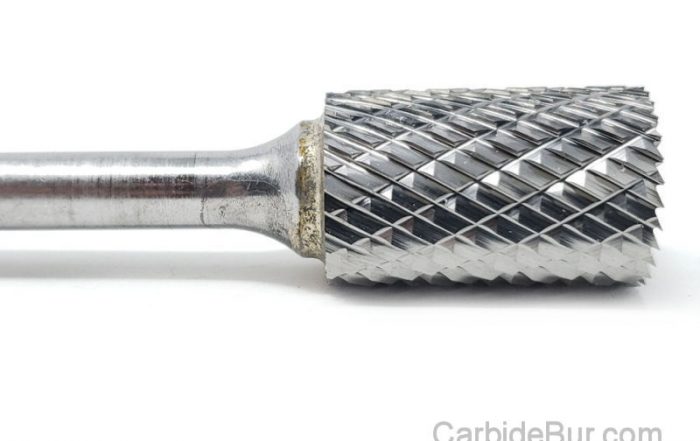
Unveiling the Secrets of Burr Cutting Efficiency: Double-Cut or Single-Cut?
Unveiling the Secrets of Burr Cutting Efficiency: Double-Cut or Single-Cut? Most metalworkers hit a wall choosing between double-cut carbide burrs and single-cut carbide burrs. Picking the wrong one can slow your work or wear your [...]
How Specialized Carbide Burrs Are Revolutionizing Aluminum Fabrication for Cleaner Cuts
How Specialized Carbide Burrs Are Revolutionizing Aluminum Fabrication for Cleaner Cuts Most aluminum fabricators still wrestle with rough edges and extra cleanup after machining. Those extra steps cost you time and eat into your profits. [...]
U.S. Manufacturing Reshoring: The Role of Domestic Tool Suppliers in 2026
U.S. Manufacturing Reshoring: The Role of Domestic Tool Suppliers in 2026 U.S. manufacturing is shifting closer to home faster than many expected. By 2026, reshoring trends are reshaping how supply chains function, with domestic tool [...]
From Casting Flash to Weld Blending: Essential Techniques for 2026
From Casting Flash to Weld Blending: Essential Techniques for 2026 Forget the old ways of finishing parts in automotive production. As electric vehicles and autonomous vehicle production grow, the need for precise deburring processes and [...]
Understanding the Surge in Cutting Tool Costs and Effective Waste Reduction in Machining
Understanding the Surge in Cutting Tool Costs and Effective Waste Reduction in Machining Cutting tool costs have jumped noticeably in recent years, squeezing machine shop budgets tighter than ever. Raw material scarcity and supply chain [...]
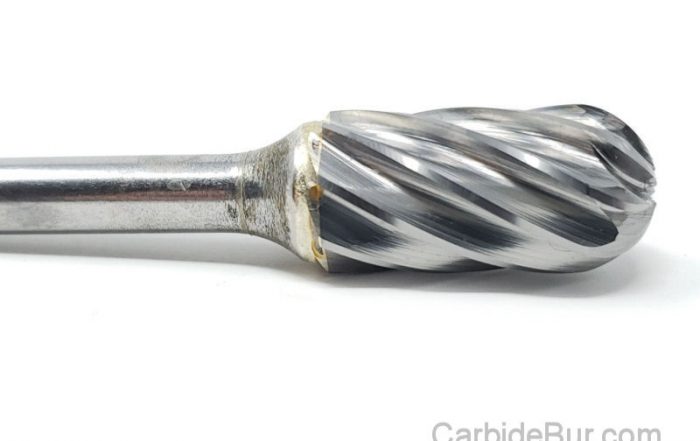
Choosing the Right Carbide Burr Shape for Your Metalworking Projects
Choosing the Right Carbide Burr Shape for Your Metalworking Projects You might think all carbide burr shapes do the same job, but that’s far from true. Choosing the wrong shape can waste time and leave [...]
