
The Great Debate: Are Diamond Burs or Carbide Burs Better for Your Dental Work?
Choosing between diamond burs and carbide burs can make or break your dental cutting tools’ performance. If you’ve ever felt stuck wondering which suits your restorative dentistry needs best, you’re not alone. This burs comparison breaks down key factors like cutting speed, durability, and cost so you can pick the right tool for your next case.
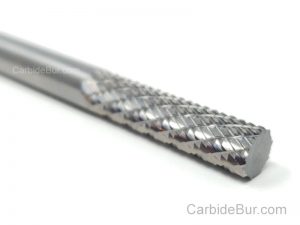
Have you checked out our selection of Carbide Bur Tools?
Cutting Efficiency Comparison
When it comes to cutting efficiency, understanding the unique strengths of each type of bur can guide your choice. Let’s explore how diamond and carbide burs shine in their respective areas.
Diamond Burs for Precision
Looking for precision? Diamond burs might just be your best bet. Known for their fine cutting ability, they offer a smooth finish, which is especially crucial in delicate procedures. Think of them as the precise scalpel in your dental toolkit.
-
Fine Detail: Diamond burs excel in creating detailed shapes and contours. They’re ideal when you need to sculpt with exactness.
-
Smooth Finish: The surface left by diamond burs is often smoother, reducing the need for additional finishing.
-
Versatility: These burs handle a variety of materials, making them a flexible choice for different procedures.
Most professionals believe that precision is key, but there’s more. While diamond burs are unmatched in detail, they might not always be the fastest choice.
Carbide Burs for Speed
If speed is your priority, carbide burs are the way to go. They cut through materials quickly, saving you time without compromising quality. It’s like having a power tool at your disposal.
-
Rapid Cutting: Carbide burs are designed for fast material removal, ideal for bulk reduction.
-
Efficiency in Motion: With fewer passes needed, procedures can be completed swiftly, maximizing your time.
-
Durability Under Pressure: These burs maintain their edge even under high-speed conditions, making them reliable workhorses.
While speed is a significant advantage, remember that sometimes precision trumps haste, depending on the task at hand.
Durability and Cost Considerations
Choosing the right bur also means considering longevity and cost. Let’s dive into how each option stands up in these areas.
Longevity of Diamond Burs
Diamond burs, with their durable construction, offer a long lifespan. This durability can mean fewer replacements and more consistent performance over time. You get the reliability you need for ongoing use.
-
Extended Use: Each diamond bur can handle numerous procedures before needing a replacement.
-
Consistent Performance: They maintain their sharpness, which means predictable results every time.
-
Investment in Quality: While the initial cost might be higher, the long-term benefits often offset this.
The longer you wait to switch to a durable option, the more time and money you might be spending on replacements.
Affordability of Carbide Burs
For those mindful of budget, carbide burs offer a cost-effective solution. They present a balance between performance and affordability, making them a favorite among many professionals.
-
Budget-Friendly: Carbide burs have a lower initial cost, allowing more frequent updates without breaking the bank.
-
Great Value: Despite the lower price, these burs deliver excellent performance for most procedures.
-
Accessibility: With their affordability, you can keep a well-stocked inventory, ready for any task.
Balancing cost with performance is a wise approach, especially when you have diverse needs in restorative dentistry.
Ideal Scenarios in Restorative Dentistry
Knowing when to use each type of bur can enhance your practice efficiency. Here’s when each shines brightest.
When to Choose Diamond Burs
Diamond burs are your go-to for precision tasks. If you’re working on fine details or finishing touches, these are your best allies. They help you achieve the flawless results your patients expect.
-
Finishing Touches: Perfect for polishing and smoothing surfaces.
-
Delicate Procedures: Ideal for tasks requiring intricate detail.
-
Versatile Use: Suitable for a range of materials and techniques.
Most people think speed is everything, but precision often holds the true value in complex procedures.
Optimal Use of Carbide Burs
Carbide burs excel when speed and efficiency are paramount. They’re optimal for procedures that require quick material removal without sacrificing quality.
-
Bulk Reduction: Perfect for quickly removing material during procedures.
-
Time-Saving: Less time spent on each procedure increases overall productivity.
-
Consistent Results: Provides dependable performance across multiple sessions.
The longer you wait to embrace a tool that suits your needs, the more challenges you face in your practice. Make the switch today to enhance your workflow.
In summary, each type of bur has its place in your toolkit. By understanding their strengths, you can make informed choices that enhance your practice and patient satisfaction.
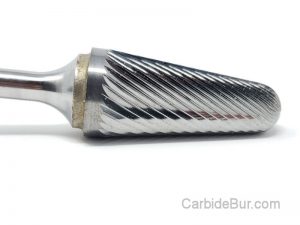
Find more information at CarbideBur.com
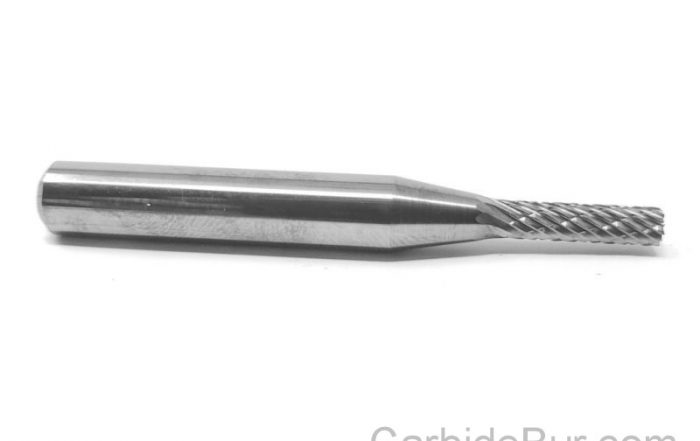
Carbide Burr Safety: RPM, Eye Protection, and Common Mistakes
Carbide Burr Safety: RPM, Eye Protection, and Common Mistakes Carbide burrs are versatile cutting tools used for metal fabrication, welding cleanup, engine porting, deburring, and general material removal. When used correctly, they can help remove [...]
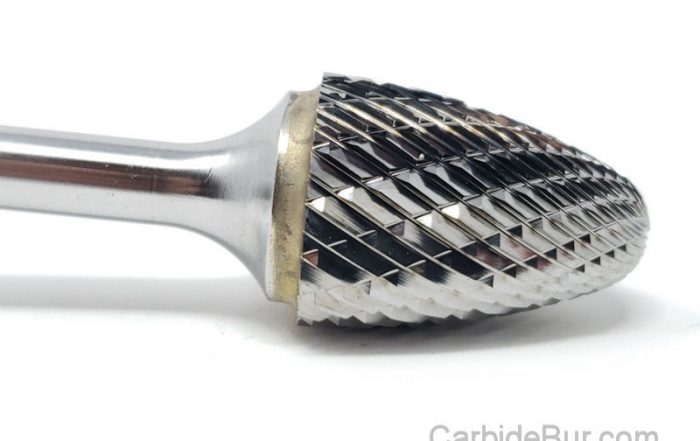
How to Stop Aluminum from Clogging Your Carbide Burr
How to Stop Aluminum from Clogging Your Carbide Burr Aluminum is widely used in automotive work, welding, metal fabrication, aerospace components, and general machining. It is lightweight, relatively easy to machine, and versatile across many [...]
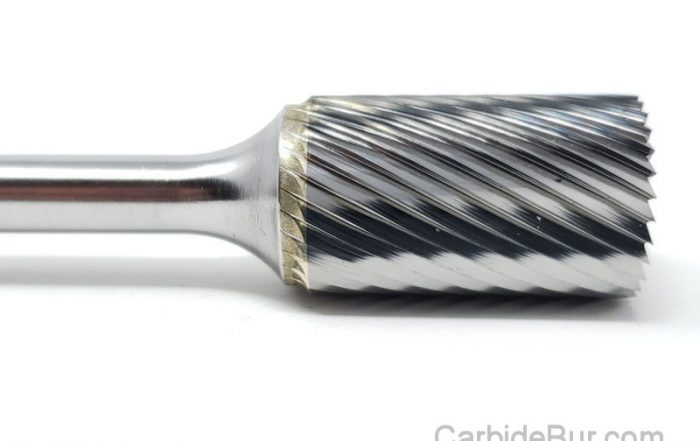
Carbide Burrs for Intake Manifolds: Shaping, Cleanup, and Fitment
Carbide Burrs for Intake Manifolds: Shaping, Cleanup, and Fitment Intake manifold work often involves more than simply bolting a component onto an engine. Depending on the application, metal intake components may have casting irregularities, rough [...]
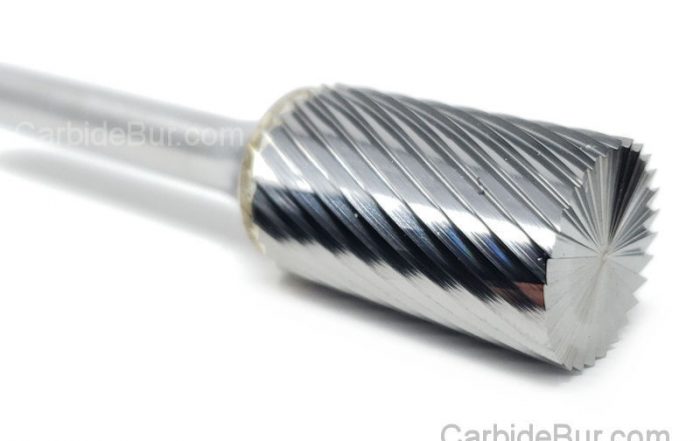
Why Long-Shank Carbide Burrs Are Useful for Hard-to-Reach Areas
Why Long-Shank Carbide Burrs Are Useful for Hard-to-Reach Areas When working on metal parts, the area that needs grinding or shaping is not always easy to reach. Recessed openings, deep cavities, interior surfaces, and complicated [...]
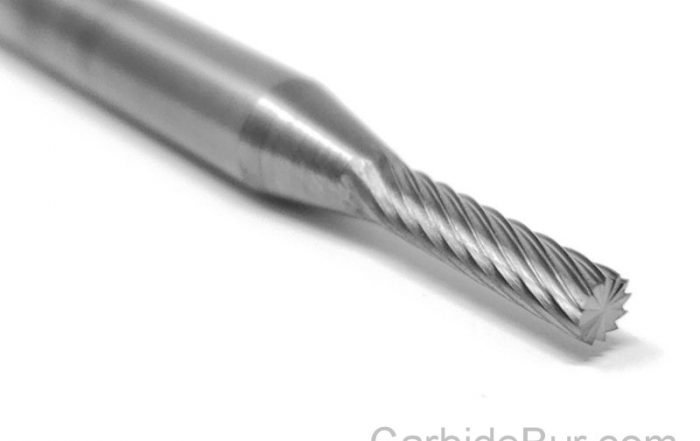
Choosing Carbide Burrs for Stainless Steel Fabrication
Choosing Carbide Burrs for Stainless Steel Fabrication Stainless steel is widely used in fabrication because of its corrosion resistance, strength, and durability. However, those same properties can make it challenging to machine and finish. Removing [...]
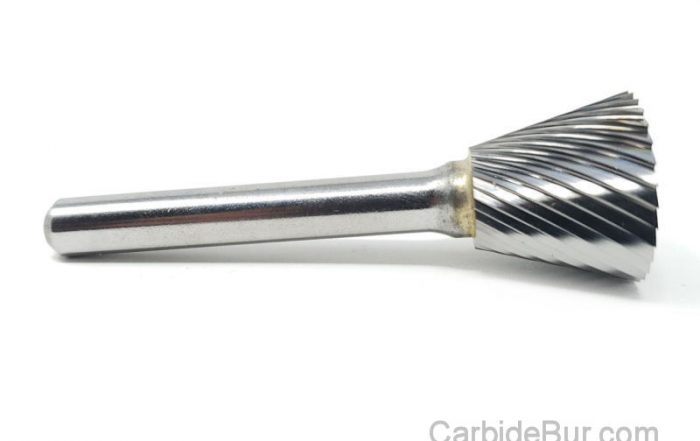
Can You Use Carbide Burrs in a Dremel? Shank Sizes Explained
Can You Use Carbide Burrs in a Dremel? Shank Sizes Explained If you use a Dremel or another rotary tool for detail work, metal shaping, or small fabrication projects, you may wonder whether you can [...]
How to Choose the Best Carbide Burr for Welding and Metal Fabrication
How to Choose the Best Carbide Burr for Welding and Metal Fabrication Welding and metal fabrication often require more than joining two pieces of metal together. Once the welding is finished, fabricators frequently need to [...]
Carbide Burrs for Cylinder Heads: What Automotive Enthusiasts Need to Know
Carbide Burrs for Cylinder Heads: What Automotive Enthusiasts Need to Know Cylinder head work is an important part of engine building, restoration, and performance machining. Whether you are cleaning up casting imperfections, refining port surfaces, [...]
Engine Porting 101: How Carbide Burrs Help Shape Cylinder Head Ports
Engine Porting 101: How Carbide Burrs Help Shape Cylinder Head Ports Engine performance enthusiasts, automotive machinists, and engine builders often look for ways to improve airflow through an engine's cylinder heads. One technique used in [...]
When to Use a 4-Inch or 9-Inch Die Grinder Extension
When to Use a 4-Inch or 9-Inch Die Grinder Extension Metal fabrication, welding, automotive repair, and engine building often require working in places where a standard die grinder and carbide burr cannot easily reach. Recessed [...]
Why Buy USA-Made Carbide Burr Tools? What Buyers Should Compare
Why Buy USA-Made Carbide Burr Tools? What Buyers Should Compare When shopping for carbide burr tools, it's tempting to compare products based on price alone. However, professionals who use rotary cutting tools for welding, metal [...]
How to Use 1/8-Inch Rotary Bits with a Die Grinder
How to Use 1/8-Inch Rotary Bits with a Die Grinder Die grinders are popular tools for metalworking, fabrication, deburring, and precision material removal. However, many die grinders use a 1/4-inch collet, while smaller rotary tools [...]
