
Unlocking Engine Performance: Port Timing and Expansion Chamber Matching with Carbide Burs
Most 2-stroke engine tuning guides skip the key step that separates average builds from top performers: precise port timing and expansion chamber matching. If you’ve struggled to get your engine’s scavenging just right, using carbide burs can change the game. This guide walks you through applying these tools to refine your ports and chamber for smoother power and sharper throttle response. Keep reading to sharpen your skills and boost your engine performance. For more insights, check out this resource.
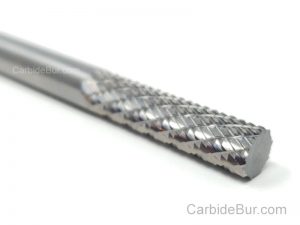
Have you checked out our selection of Carbide Bur Tools?
Mastering Port Timing with Carbide Burs
Getting port timing right is the secret sauce for boosting your 2-stroke engine’s power. Let’s dive into the basics to set you up for success.
Understanding Port Timing Basics
Port timing controls how your engine breathes. It’s like setting a rhythm for your engine’s air and fuel mix. Precise timing can mean the difference between a sluggish ride and a speedy one.
-
Port Opening and Closing: The key is to adjust when your ports open and close. This affects how much air and fuel enter the cylinder.
-
Timing Adjustments: Small changes can create big differences in performance. You might find that a tiny timing tweak gives you a noticeable power increase.
Techniques to Enhance Scavenging
Scavenging is all about cleaning out exhaust gases to make room for fresh mix. Let’s explore some ways to improve it.
-
Boosting Flow: Use your carbide burs to smooth out rough port edges. This reduces turbulence and helps gases flow better.
-
Port Shape: Alter the shape of your ports to guide the mix more efficiently. Think of it as redesigning a highway for smoother traffic.
Tools for Precision Crafting
Precision is key when tuning your engine. Here’s how carbide burs can help.
-
Burs for Smoothing: These tools refine and polish your ports. They’re like fine-tuning brushes for your engine’s canvas.
-
Variety of Shapes: Different shapes allow you to work on various port angles. Select the right bur for your specific needs.
For a comprehensive guide on porting techniques, check out this PDF.
Expansion Chamber Matching Insights
Matching your expansion chamber with your engine’s port timing elevates performance. Here’s why it matters.
Importance of Chamber Design
Think of the chamber as your engine’s amplifier. It boosts the impact of your port timing adjustments.
-
Sound Waves: Chambers use sound waves to push exhaust gases out more effectively. This creates space for a fresh mix.
-
Tailored Design: A well-designed chamber matches your engine’s needs, enhancing overall power.
Achieving Optimal Performance
To hit peak performance, you need balance. Here’s how to find it.
-
Chamber Length: Adjusting the chamber’s length can tweak power delivery. Shorter for high revs, longer for low-end torque.
-
Resonance Tuning: Tune for the right frequency to match your engine’s power band.
Using Carbide Burs Effectively
Carbide burs are your allies in chamber matching. Here’s how to utilize them.
-
Sculpting the Chamber: Use burs to smooth and shape your chamber. This helps manage exhaust gas flow.
-
Consistent Finish: Aim for a uniform finish to minimize gas turbulence, boosting efficiency.
For a visual guide on expansion chamber matching, watch this video tutorial.
Tuning Your 2-Stroke Engine
Now that you understand port timing and chamber matching, let’s tune your engine to perfection.
Essential Scavenging Techniques
Scavenging keeps your engine running clean and strong. Here’s how to optimize it.
-
Exhaust Flow: Ensure your exhaust flow is uninterrupted. This supports efficient scavenging.
-
Pressure Waves: Use pressure waves to your advantage. They help expel exhaust gases quickly.
Fine-Tuning for Peak Performance
Fine-tuning separates good engines from the great ones. Here’s what to focus on.
-
Fuel Mix: Adjust your fuel mix for optimal combustion. This balances power and efficiency.
-
Ignition Timing: Synchronize ignition timing with port timing for a seamless power curve.
For a deeper dive into 2-stroke tuning, refer to this comprehensive handbook.
Troubleshooting Common Issues
Even the best plans hit snags. Here’s how to troubleshoot common problems.
-
Power Drops: Check your port timing and chamber alignment if power decreases. Misalignment can cause issues.
-
Overheating: Ensure your scavenging system is clear. Blockages can lead to overheating.
The world of 2-stroke tuning is vast and rewarding. With the right techniques and tools, your engine will roar to life like never before. Keep pushing boundaries and watch your performance soar. For further reading, explore this detailed PDF guide.
By mastering these techniques, you’re set to transform your engine’s capabilities. Dive in and see the difference for yourself.
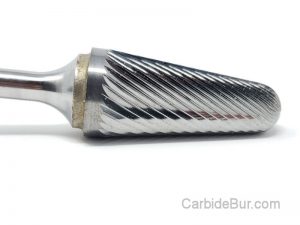
Find more information at CarbideBur.com
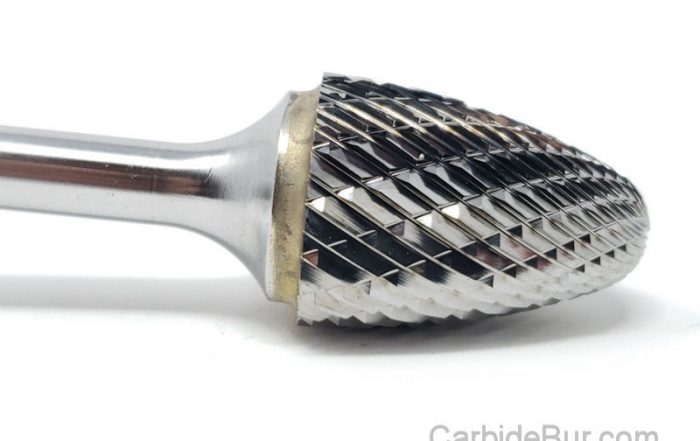
How to Stop Aluminum from Clogging Your Carbide Burr
How to Stop Aluminum from Clogging Your Carbide Burr Aluminum is widely used in automotive work, welding, metal fabrication, aerospace components, and general machining. It is lightweight, relatively easy to machine, and versatile across many [...]
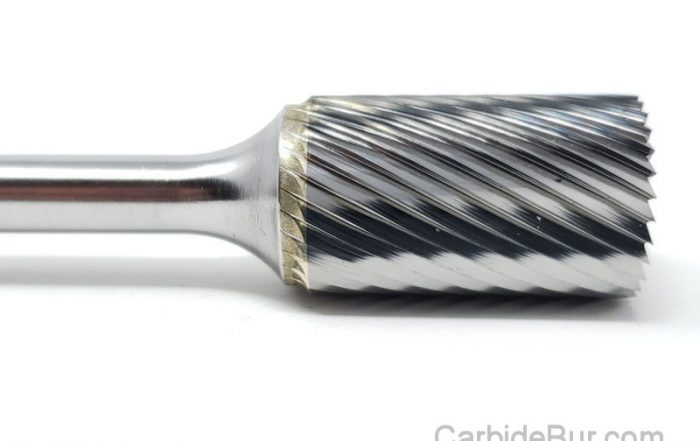
Carbide Burrs for Intake Manifolds: Shaping, Cleanup, and Fitment
Carbide Burrs for Intake Manifolds: Shaping, Cleanup, and Fitment Intake manifold work often involves more than simply bolting a component onto an engine. Depending on the application, metal intake components may have casting irregularities, rough [...]
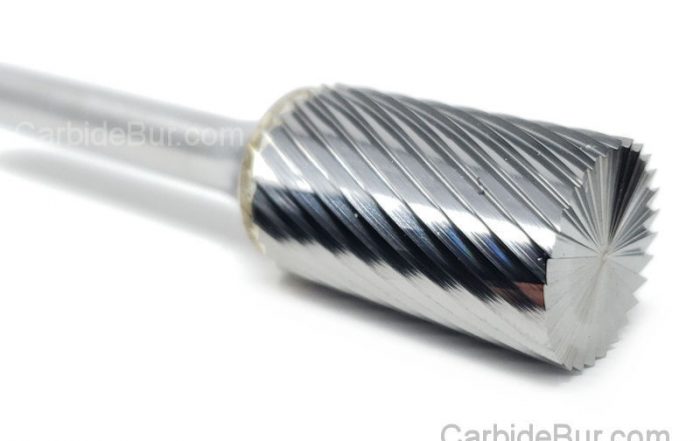
Why Long-Shank Carbide Burrs Are Useful for Hard-to-Reach Areas
Why Long-Shank Carbide Burrs Are Useful for Hard-to-Reach Areas When working on metal parts, the area that needs grinding or shaping is not always easy to reach. Recessed openings, deep cavities, interior surfaces, and complicated [...]
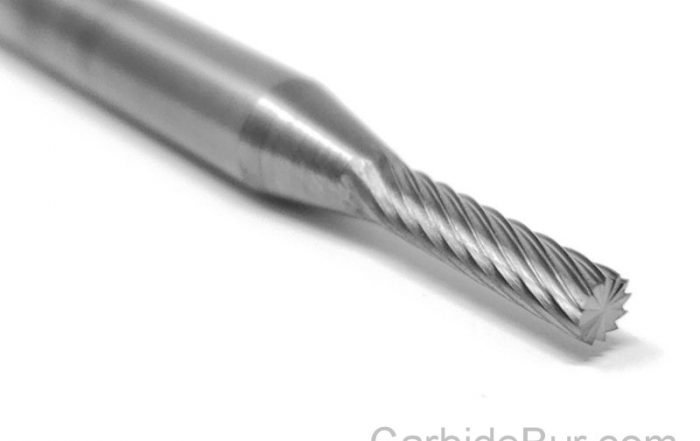
Choosing Carbide Burrs for Stainless Steel Fabrication
Choosing Carbide Burrs for Stainless Steel Fabrication Stainless steel is widely used in fabrication because of its corrosion resistance, strength, and durability. However, those same properties can make it challenging to machine and finish. Removing [...]
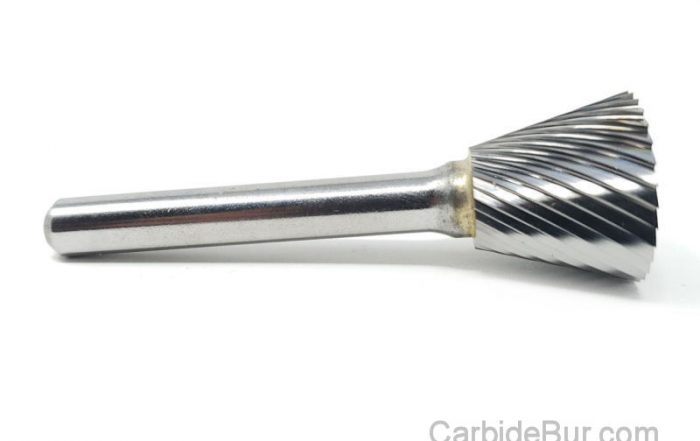
Can You Use Carbide Burrs in a Dremel? Shank Sizes Explained
Can You Use Carbide Burrs in a Dremel? Shank Sizes Explained If you use a Dremel or another rotary tool for detail work, metal shaping, or small fabrication projects, you may wonder whether you can [...]
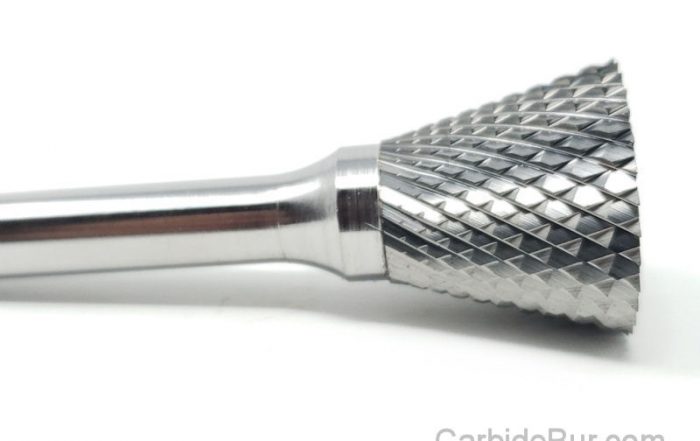
How to Choose the Best Carbide Burr for Welding and Metal Fabrication
How to Choose the Best Carbide Burr for Welding and Metal Fabrication Welding and metal fabrication often require more than joining two pieces of metal together. Once the welding is finished, fabricators frequently need to [...]
Carbide Burrs for Cylinder Heads: What Automotive Enthusiasts Need to Know
Carbide Burrs for Cylinder Heads: What Automotive Enthusiasts Need to Know Cylinder head work is an important part of engine building, restoration, and performance machining. Whether you are cleaning up casting imperfections, refining port surfaces, [...]
Engine Porting 101: How Carbide Burrs Help Shape Cylinder Head Ports
Engine Porting 101: How Carbide Burrs Help Shape Cylinder Head Ports Engine performance enthusiasts, automotive machinists, and engine builders often look for ways to improve airflow through an engine's cylinder heads. One technique used in [...]
When to Use a 4-Inch or 9-Inch Die Grinder Extension
When to Use a 4-Inch or 9-Inch Die Grinder Extension Metal fabrication, welding, automotive repair, and engine building often require working in places where a standard die grinder and carbide burr cannot easily reach. Recessed [...]
Why Buy USA-Made Carbide Burr Tools? What Buyers Should Compare
Why Buy USA-Made Carbide Burr Tools? What Buyers Should Compare When shopping for carbide burr tools, it's tempting to compare products based on price alone. However, professionals who use rotary cutting tools for welding, metal [...]
How to Use 1/8-Inch Rotary Bits with a Die Grinder
How to Use 1/8-Inch Rotary Bits with a Die Grinder Die grinders are popular tools for metalworking, fabrication, deburring, and precision material removal. However, many die grinders use a 1/4-inch collet, while smaller rotary tools [...]

Can You Use a Carbide Burr With an Electric Die Grinder?
Can You Use a Carbide Burr With an Electric Die Grinder? Most people don’t realize how much a carbide burr can change the way an electric die grinder works. Using the right burr type can [...]
