
Boost Your Porting Performance with Pro Tips for Long-Lasting Carbide Burs
You spend hours porting only to have your carbide burs dull too fast. Wasting time and money on replacements cuts into your work and your wallet. Mastering carbide bur maintenance can keep your tools sharper longer and slash those costs. Let’s break down simple bur cleaning techniques, storage hacks, and sharpening tips that boost your porting performance every time. For more detailed guidance, check out this maintenance guide.
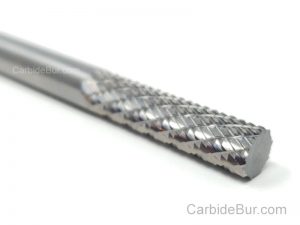
Have you checked out our selection of Carbide Bur Tools?
Carbide Bur Maintenance Essentials
Understanding how to maintain your carbide burs is key to ensuring they last longer and perform better. Let’s explore some practical techniques for keeping your tools in top shape.
Effective Bur Cleaning Techniques
Cleaning your burs after each use is crucial. Residual materials can build up, making them less effective. Here’s how you can keep them clean:
-
Immediate Rinsing: After use, rinse your burs under warm water to remove debris. This helps prevent buildup that can dull the tool.
-
Use a Brush: A small wire brush can effectively remove stubborn particles. Gently scrub the bur to maintain its sharpness without scratching it.
-
Ultrasonic Cleaning: This method uses high-frequency sound waves to clean burs thoroughly. It’s particularly useful for reaching small crevices.
For more detailed cleaning advice, visit this troubleshooting guide.
Proper Carbide Bur Storage
Proper storage can significantly extend the life of your carbide burs. Avoid tossing them into a drawer where they can get damaged. Instead, consider these tips:
-
Individual Cases: Store each bur in its own case to prevent them from knocking against each other. This minimizes the risk of chipping.
-
Dry Environment: Moisture can cause burs to rust over time. Store them in a dry place to maintain their integrity.
-
Organize by Size: Keep your burs organized by size and shape for easy access. This not only saves time but also prevents accidental damage.
You can learn more about storage best practices here.
Sharpening for Long-Lasting Burs
Maintaining the sharpness of your burs is not just about longevity but also about performance. Let’s delve into sharpening techniques that will keep your tools in peak condition.
Techniques for Sharpening Carbide Burs
Sharpening carbide burs can be tricky, but with the right approach, it’s manageable. Here’s what you need to know:
-
Manual Sharpening: Use a diamond file to manually sharpen your burs. This process requires patience but is effective for minor touch-ups.
-
Professional Services: If your burs are severely dull, consider professional sharpening services. They use specialized equipment to restore the burs to their original sharpness.
-
Sharpening Frequency: Regularly assess your burs for sharpness. Sharpen them only when necessary to avoid excessive wear.
For more detailed sharpening strategies, check out this optimization guide.
Benefits of Regular Sharpening
Regular sharpening ensures your burs perform at their best, reducing wear and tear. Here’s why it’s beneficial:
-
Improved Efficiency: Sharp burs cut more effectively, requiring less force and reducing the risk of errors.
-
Cost Savings: By maintaining sharpness, you extend the life of your burs, saving money on replacements.
-
Consistent Performance: Sharp burs deliver consistent results, which is crucial for precision work.
Regular sharpening is a small investment that yields significant returns in performance and cost savings.
Boosting Porting Performance
Now that your burs are clean, stored, and sharp, it’s time to focus on improving your overall porting performance. Here’s how you can elevate your work.
Key Porting Performance Tips
To achieve the best results, consider these performance-enhancing tips:
-
Steady Hand: Maintain a steady hand while working. This ensures precise cuts and minimizes mistakes.
-
Correct Speed: Adjust the speed of your tool according to the material. Faster speeds may cause overheating, while slower speeds can result in imprecise cuts.
-
Use the Right Bur: Choose the appropriate bur type for the task. This enhances efficiency and reduces tool wear.
These tips help ensure that your porting projects are executed with precision and efficiency.
How to Reduce Costs with Burs
Effective bur maintenance can’t be overstated when it comes to cost reduction. Here’s how you can cut down expenses:
-
Invest in Quality: While high-quality burs might have a higher upfront cost, they generally last longer and perform better.
-
Routine Maintenance: Regular cleaning and sharpening extend the life of your burs, reducing the need for frequent replacements.
-
Educate Yourself: Stay informed about the latest maintenance techniques and tools. This knowledge can save you time and money.
For additional cost-saving strategies, explore this best practices guide.
By implementing these strategies, you can enjoy enhanced porting performance and reduced costs, making your work more efficient and profitable. Keep these insights in mind to maximize the value of your carbide burs.
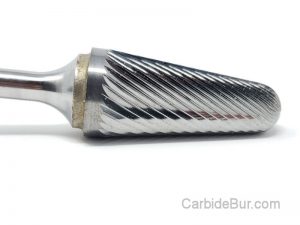
Find more information at CarbideBur.com

Can You Use a Carbide Burr With an Electric Die Grinder?
Can You Use a Carbide Burr With an Electric Die Grinder? Most people don’t realize how much a carbide burr can change the way an electric die grinder works. Using the right burr type can [...]
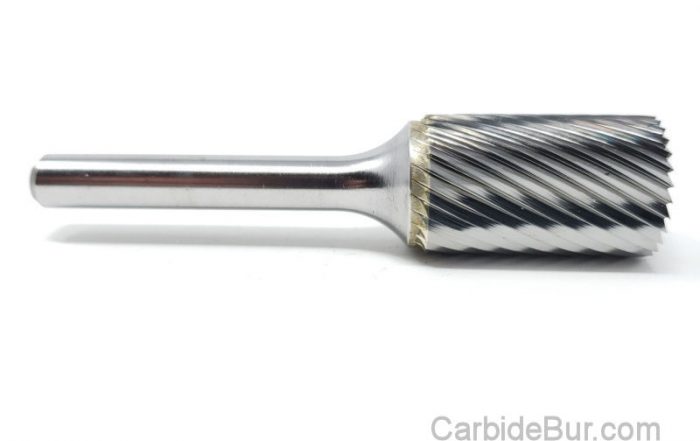
How to Deburr Holes With a Carbide Burr
How to Deburr Holes With a Carbide Burr Most people think any tool will do for deburring holes. The truth is, using the right carbide burr with the correct size and shape changes everything. In [...]
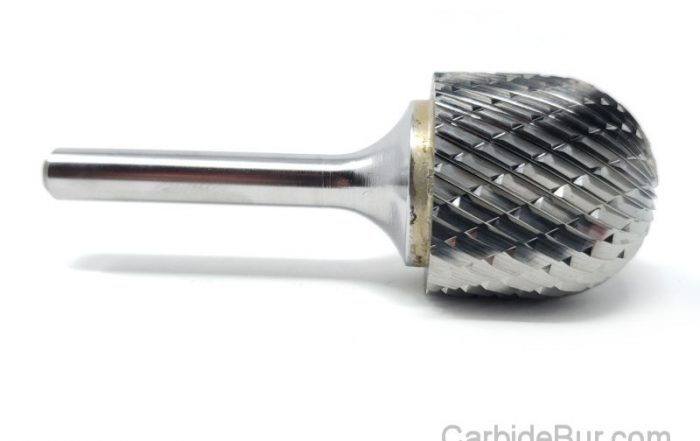
How to Choose the Correct Carbide Burr Shank Size
How to Choose the Correct Carbide Burr Shank Size Many machinists lose hours troubleshooting tool issues caused by the wrong carbide burr shank size. Using a shank that doesn’t fit your grinder can lead to [...]
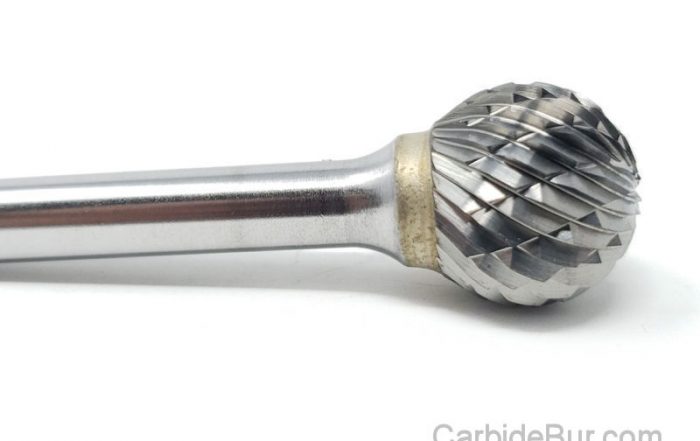
How to Remove Casting Flash With a Carbide Burr
How to Remove Casting Flash With a Carbide Burr Casting flash ruins the look and fit of your metal parts. You’ve tried sanding or grinding, but the results aren’t clean or fast enough. Learning how [...]
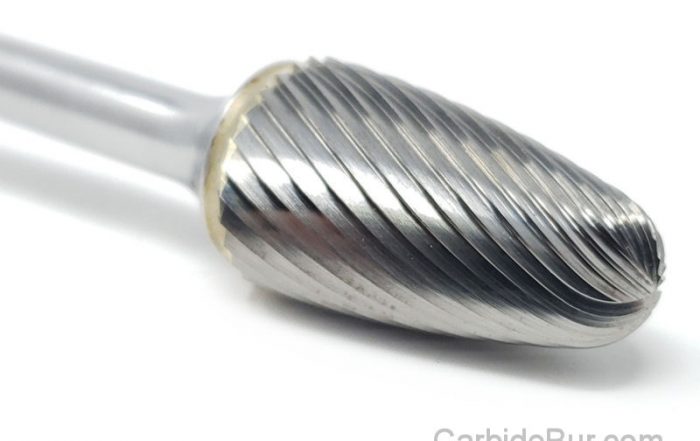
Best Carbide Burr for Enlarging a Hole in Metal
Best Carbide Burr for Enlarging a Hole in Metal When you need to enlarge a hole in metal, grabbing the wrong carbide burr can turn a simple task into a frustrating mess. Picking the best [...]
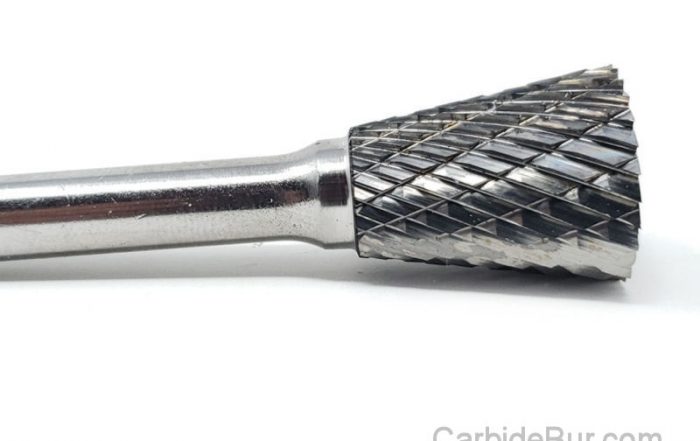
Carbide Burr Safety: 15 Mistakes That Can Cause Injury or Damage
Carbide Burr Safety: 15 Mistakes That Can Cause Injury or Damage Carbide burr safety is often overlooked until a costly mistake happens. Many metalworkers and DIYers make the same errors that lead to injuries or [...]
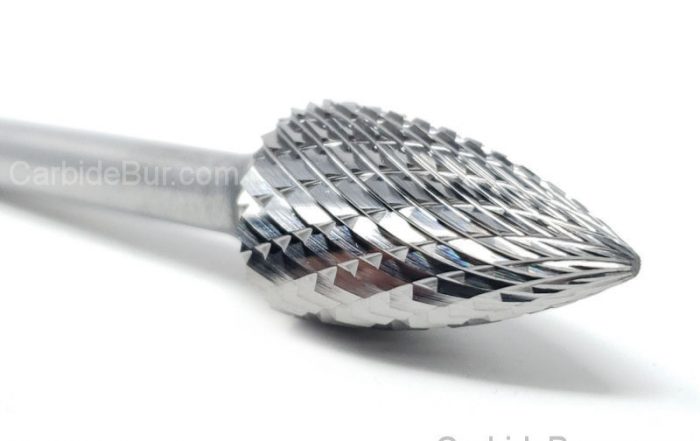
Can You Use a Carbide Burr in a Drill?
Can You Use a Carbide Burr in a Drill? Most people think a standard drill can’t handle a carbide burr, but that’s not true. Using carbide burr in the right drill can speed up your [...]
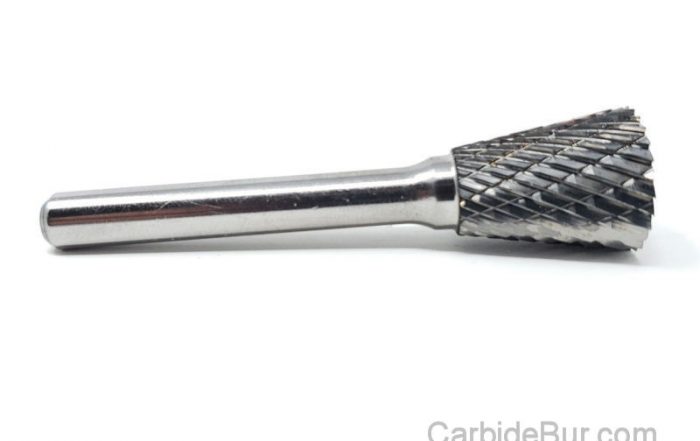
Carbide Burrs for Removing Rust: What Works Best?
Carbide Burrs for Removing Rust: What Works Best? Rust can turn your favorite tools into useless junk faster than you expect. Removing it without ruining the metal underneath takes more than just elbow grease—it demands [...]
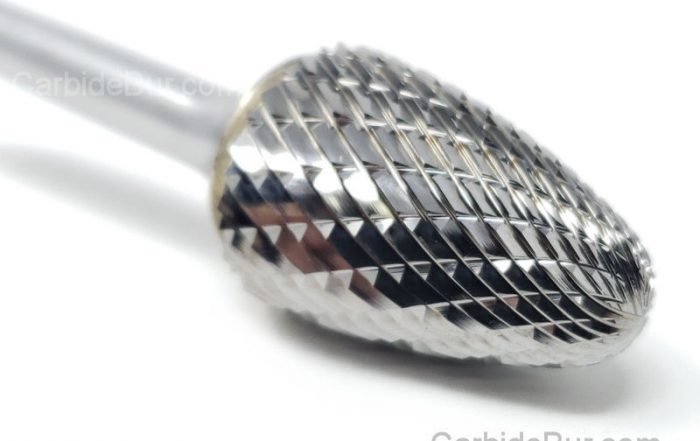
How Much Pressure Should You Use With a Carbide Burr?
How Much Pressure Should You Use With a Carbide Burr? Most people think pressing harder with a carbide burr speeds up the job. That’s not true—too much pressure wears out your tool and ruins the [...]
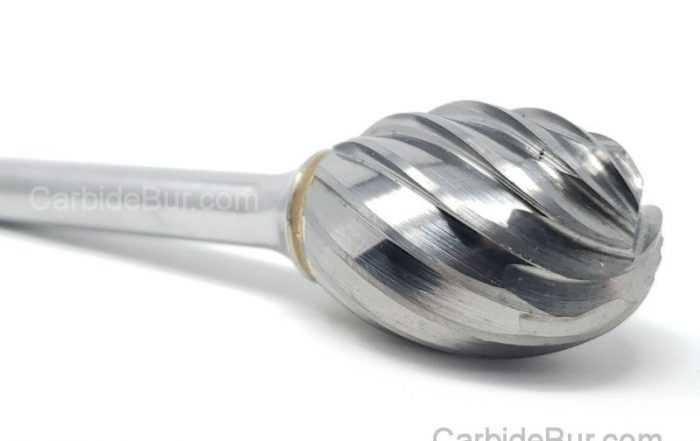
Can You Use Carbide Burrs With an Air Die Grinder?
Can You Use Carbide Burrs With an Air Die Grinder? Most people don’t realize how well carbide burrs work with air die grinders until they try them. If you’ve ever struggled with finding the right [...]
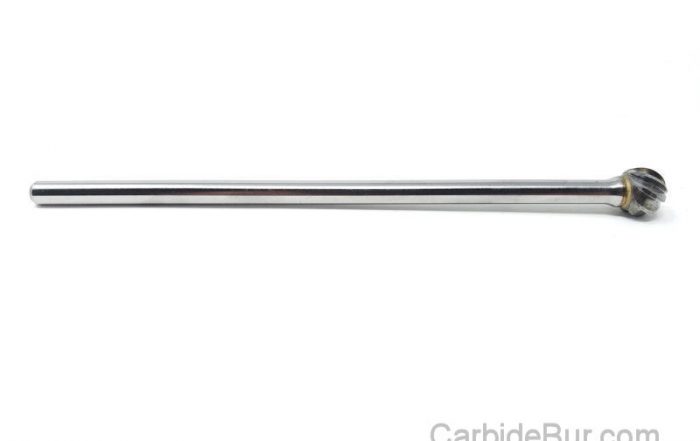
Best Long Reach Carbide Burr for Deep Metal Work
Best Long Reach Carbide Burr for Deep Metal Work Long reach carbide burrs often promise deep metal access, but many fall short where it counts most. You need a tool that cuts cleanly, lasts through [...]
What RPM Should You Use for a 1/8 Inch Carbide Burr?
What RPM Should You Use for a 1/8 Inch Carbide Burr? Most people guess the right carbide burr RPM by feel—and waste hours redoing work. If you want cleaner cuts and longer tool life, your [...]
