
Mastering Port Blending: Advanced Carbide Burs Techniques for Velocity Optimization
Most port blending methods sacrifice velocity for volume without you realizing it. Your engine’s flow can improve dramatically when you master bowl blending and short-turn radius work with carbide burs. This guide shows you precise steps that boost velocity optimization while keeping airflow volume intact. Ready to sharpen your performance tuning skills? Learn more here.
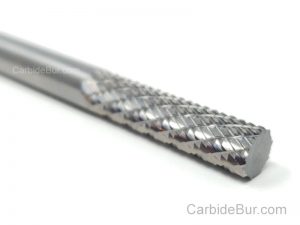
Have you checked out our selection of Carbide Bur Tools?
Advanced Port Blending Techniques
Unlocking the full potential of your engine starts with advanced port blending. This process boosts airflow without losing power. Let’s dive into the vital techniques that make this possible.
Mastering Bowl Blending
Imagine smoother airflow in your engine. Bowl blending makes this a reality. By refining the area beneath the valve seat, you reduce turbulence and enhance flow. Picture a river running smoothly over rocks, not crashing against them. You can achieve this by carefully shaping the bowl with precision tools.
-
Use a steady hand to ensure even shaping.
-
Avoid removing too much material. It’s about finesse, not force.
Most people think removing more material is better, but subtle adjustments are key. You’ll see improvements in how your engine breathes.
Navigating Short-Turn Radius Challenges
The short-turn radius often poses a tricky challenge. This bend in the port needs careful attention. When you get it right, you maintain speed through the curve. Start by understanding the curve’s impact on airflow, then refine it.
-
Use gentle, consistent movements.
-
Test regularly to gauge improvements.
By focusing on small, precise cuts, you ensure efficient flow. Many overlook this step, but mastering it leads to significant gains in performance.
Carbide Burs for Velocity Optimization
Choosing the right tools is half the battle won. Carbide burs offer the precision needed to optimize velocity. Let’s explore how to make the best selection and use them effectively.
Selecting the Right Carbide Burs
The right carbide bur can transform your work. It’s about matching the tool to the task. Consider the size and shape based on your specific porting needs. Each bur type offers unique advantages.
-
Round burs for smoothing.
-
Tapered burs for detailed work.
Invest in quality burs for better results. They last longer and perform better, providing a smoother finish. Remember, the choice impacts your outcomes, so choose wisely.
Techniques for Velocity Enhancement
You’ve got the right tools, now let’s enhance velocity. Focus on technique over speed. Precision cuts lead to better airflow. Start with a clear plan and follow through meticulously.
-
Keep your hand steady.
-
Adjust pressure based on material needs.
Many assume speed is key, but controlled movements yield superior results. By taking your time, you achieve the desired improvements in airflow and performance.
Performance Tuning and Engine Optimization
Now that we have explored the tools and techniques, let’s focus on tuning your engine’s performance. Proper balancing ensures you don’t sacrifice volume for velocity.
Balancing Volume and Velocity
Finding the right balance is crucial. You want increased velocity without reducing volume. The trick lies in maintaining the port shape while enhancing flow.
-
Monitor changes carefully.
-
Adjust as needed to maintain balance.
People often think more velocity means less volume, but with the right approach, you can have both. This balance is the key to successful engine tuning.
Achieving Precision in Advanced Machining
Precision is the final touch in advanced machining. It requires attention to detail and a patient approach. With precise adjustments, you refine engine performance to the highest standard.
-
Focus on small, meaningful changes.
-
Regularly test to ensure accuracy.
Precision separates good machinists from great ones. By dedicating time to fine-tuning, you achieve excellence in engine optimization. For more tips on mastering precision, visit this comprehensive guide.
In conclusion, mastering these techniques not only enhances velocity but also elevates overall engine performance. By focusing on precision and balance, you unlock the full potential of your machine.
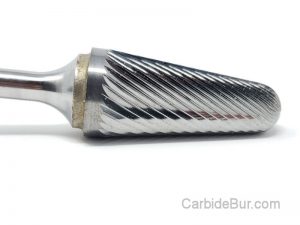
Find more information at CarbideBur.com

Can You Use a Carbide Burr With an Electric Die Grinder?
Can You Use a Carbide Burr With an Electric Die Grinder? Most people don’t realize how much a carbide burr can change the way an electric die grinder works. Using the right burr type can [...]
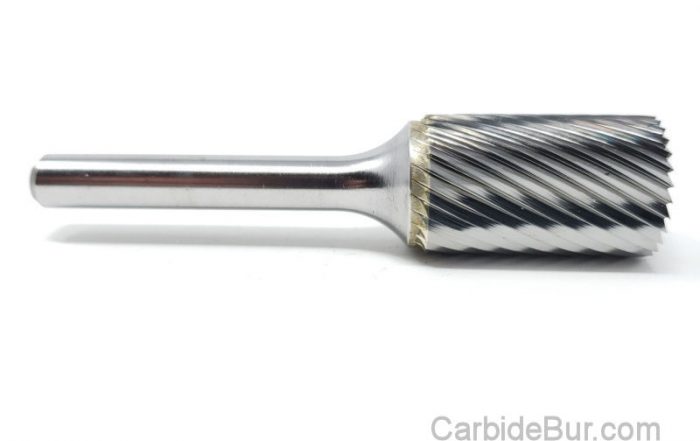
How to Deburr Holes With a Carbide Burr
How to Deburr Holes With a Carbide Burr Most people think any tool will do for deburring holes. The truth is, using the right carbide burr with the correct size and shape changes everything. In [...]
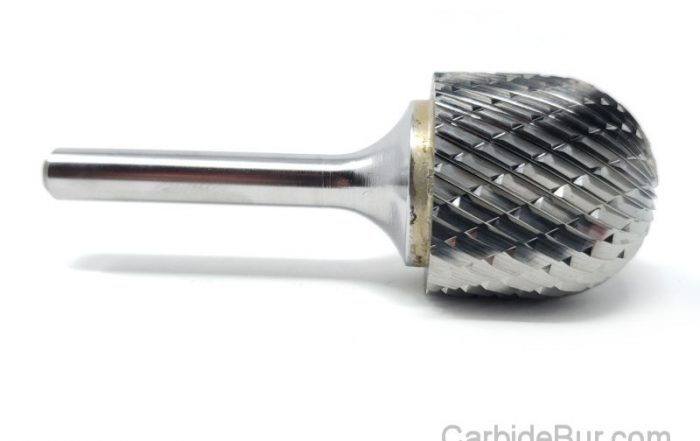
How to Choose the Correct Carbide Burr Shank Size
How to Choose the Correct Carbide Burr Shank Size Many machinists lose hours troubleshooting tool issues caused by the wrong carbide burr shank size. Using a shank that doesn’t fit your grinder can lead to [...]
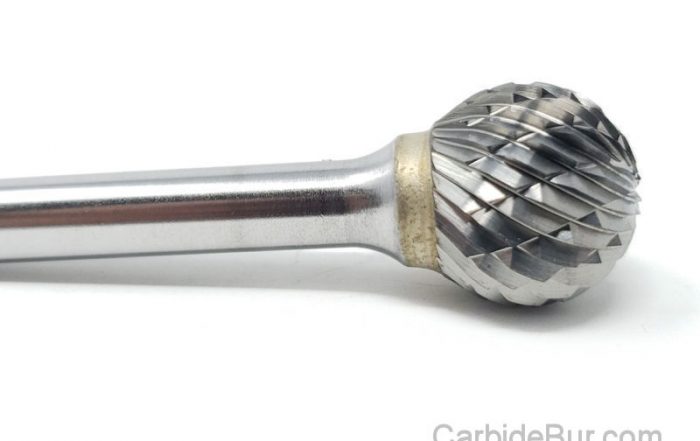
How to Remove Casting Flash With a Carbide Burr
How to Remove Casting Flash With a Carbide Burr Casting flash ruins the look and fit of your metal parts. You’ve tried sanding or grinding, but the results aren’t clean or fast enough. Learning how [...]
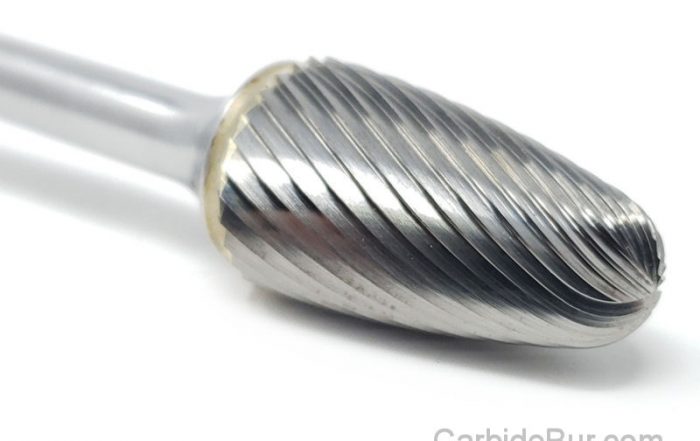
Best Carbide Burr for Enlarging a Hole in Metal
Best Carbide Burr for Enlarging a Hole in Metal When you need to enlarge a hole in metal, grabbing the wrong carbide burr can turn a simple task into a frustrating mess. Picking the best [...]
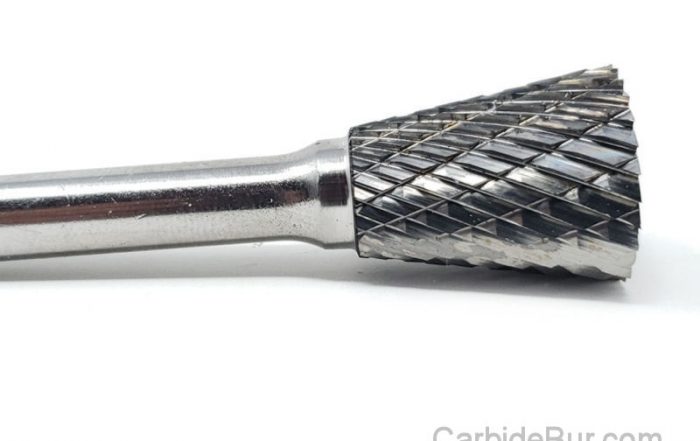
Carbide Burr Safety: 15 Mistakes That Can Cause Injury or Damage
Carbide Burr Safety: 15 Mistakes That Can Cause Injury or Damage Carbide burr safety is often overlooked until a costly mistake happens. Many metalworkers and DIYers make the same errors that lead to injuries or [...]
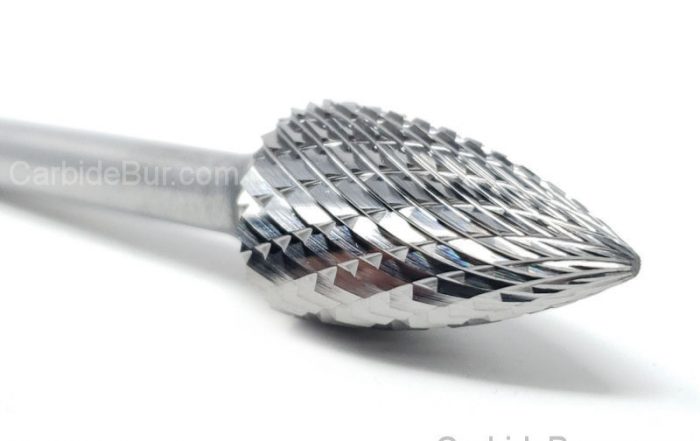
Can You Use a Carbide Burr in a Drill?
Can You Use a Carbide Burr in a Drill? Most people think a standard drill can’t handle a carbide burr, but that’s not true. Using carbide burr in the right drill can speed up your [...]
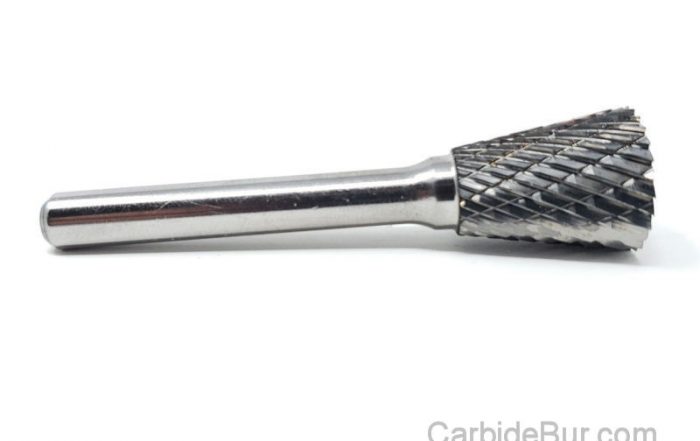
Carbide Burrs for Removing Rust: What Works Best?
Carbide Burrs for Removing Rust: What Works Best? Rust can turn your favorite tools into useless junk faster than you expect. Removing it without ruining the metal underneath takes more than just elbow grease—it demands [...]
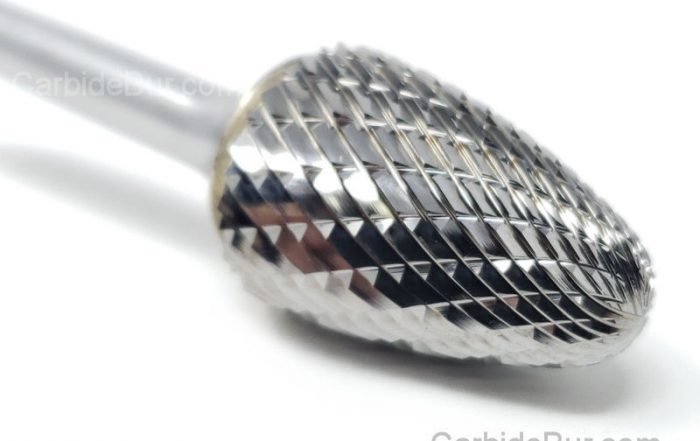
How Much Pressure Should You Use With a Carbide Burr?
How Much Pressure Should You Use With a Carbide Burr? Most people think pressing harder with a carbide burr speeds up the job. That’s not true—too much pressure wears out your tool and ruins the [...]
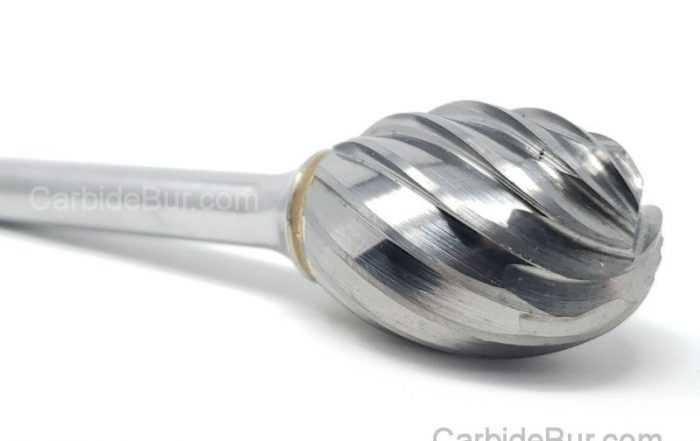
Can You Use Carbide Burrs With an Air Die Grinder?
Can You Use Carbide Burrs With an Air Die Grinder? Most people don’t realize how well carbide burrs work with air die grinders until they try them. If you’ve ever struggled with finding the right [...]
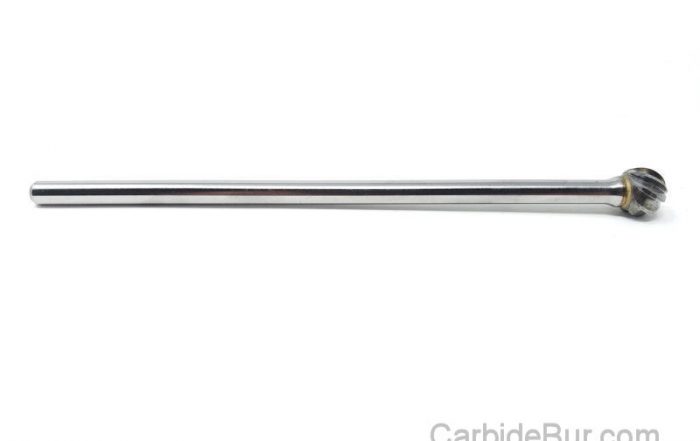
Best Long Reach Carbide Burr for Deep Metal Work
Best Long Reach Carbide Burr for Deep Metal Work Long reach carbide burrs often promise deep metal access, but many fall short where it counts most. You need a tool that cuts cleanly, lasts through [...]
What RPM Should You Use for a 1/8 Inch Carbide Burr?
What RPM Should You Use for a 1/8 Inch Carbide Burr? Most people guess the right carbide burr RPM by feel—and waste hours redoing work. If you want cleaner cuts and longer tool life, your [...]
