
Safe and Sleek: Techniques for Using Carbide Burs in Metalworking
Welding leaves behind sharp edges and burrs that can cause injuries or weaken your work. Carbide burs cut through these rough spots quickly, giving you smooth surfaces that look great and hold up longer. Learning the right metalworking techniques for using carbide burs not only improves weld finishing but also boosts welding safety and weld integrity. Let’s break down how these tools help you get cleaner, safer results every time. Explore more about weld safety and carbide burs here.
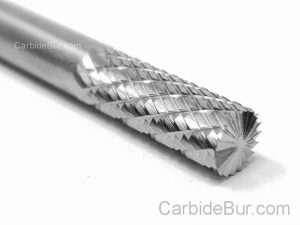
Which carbide bur tools do you use the most?
Essential Carbide Burs Techniques
Carbide burs are your go-to tool for achieving smooth, safe welds. Let’s dive into the techniques that bring out the best in your metalwork.
Efficient Sharp Edge Removal
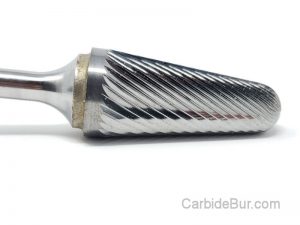
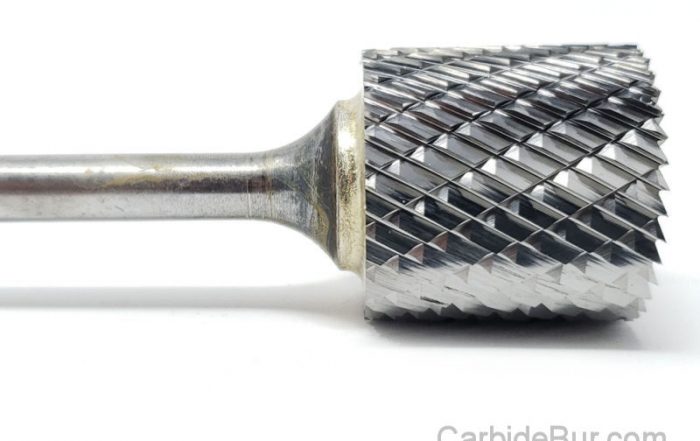
Sharp edges are not just unsightly—they’re dangerous. By using carbide burs, you can eliminate these hazards fast. Start by selecting the right bur shape, such as a cylindrical or ball shape, depending on your project’s needs.
Once you’ve chosen the right tool, make sure to maintain a steady hand. Glide the bur gently along the edge. This ensures an even finish. Remember, less is more. Applying too much pressure can damage the surface. Always wear protective gear, especially goggles and gloves, to keep safe from metal shavings.
For more detailed guidance on preparing surfaces with carbide burs, check this resource.
Burr Removal in Metalwork
Burrs are pesky and can compromise the quality of your welds. With carbide burs, burr removal becomes straightforward. Begin by identifying all burrs on your workpiece.
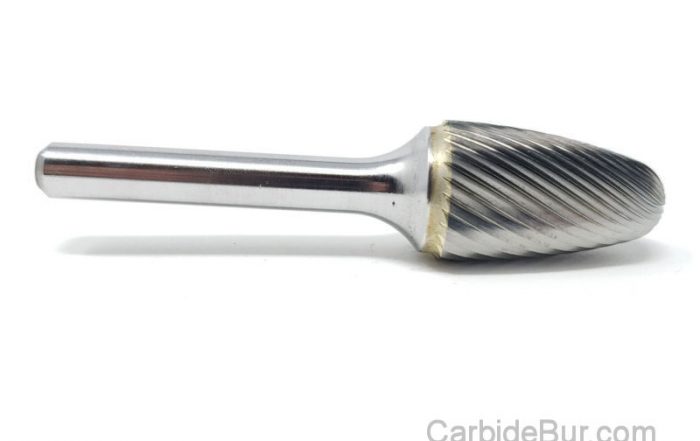
Switch to a pointed bur for tight spots and a rounded bur for broader areas. Work in short bursts to prevent overheating the metal. This method preserves the integrity of your welds. A clean finish not only looks professional but also enhances structural strength.
For insights on using carbide burrs for steel, visit this ultimate guide.
Achieving Precision Finishing
Precision is key in metalworking. To achieve it, choose carbide burs that match your project requirements. Whether it’s a fine finish or a rough texture, there’s a bur for every job.
Work methodically over the surface, checking your progress often. This attention to detail ensures a flawless finish. Your effort will shine through in the final product, giving you a sense of pride in your craftsmanship.
For more on weld smoothing precision, this guide is worth a read.
Enhancing Weld Finishing Safety
Using carbide burs not only perfects your welds but also boosts safety. Let’s explore safe practices that protect you while enhancing your work’s integrity.
Safe Metalworking Practices
Safety in metalworking is paramount. Always inspect your equipment before starting. Ensure all tools are in good condition. As you begin, keep your workspace tidy and well-lit.
Use carbide burs with care, staying mindful of their speed and direction. This prevents accidents and prolongs tool life. Regular breaks are crucial for maintaining focus and reducing fatigue, crucial for safe work practices.
Ensuring Weld Integrity
The integrity of your welds relies heavily on proper finishing. Carbide burs help in achieving that by removing imperfections that can weaken joints.
Focus on consistent pressure and speed. This method improves the strength and durability of your welds. A well-finished weld is less likely to fail, ensuring safety and reliability in your projects.
Aesthetic and Structural Benefits
Carbide burs transform your metalwork into pieces of art. Let’s see how they offer both aesthetic and structural advantages.
Long-lasting Weld Finishes
A smooth, polished finish is not just about looks. It protects your metal from corrosion and wear. By using carbide burs, you ensure your welds resist the test of time.
Quality finishing reduces the need for frequent maintenance. This saves you time and resources, allowing you to focus on creating new projects.
Elevating Metalwork Craftsmanship
Your craftsmanship speaks through the details. With carbide burs, you can achieve precision and beauty in your work. It’s about turning ordinary metal into something extraordinary.
By mastering these tools, you elevate your skills, producing work that stands out. Your dedication to excellence will be evident in every piece you create. For further understanding of the purpose of carbide burs, delve into this informative page.
In conclusion, carbide burs are a powerful ally in metalworking, enhancing both safety and aesthetics. By applying these techniques, you not only improve your welds but also ensure they last. Keep honing your skills, and let your craftsmanship shine.
Follow us on Twitter

Return to CarbideBur.com
Carbide Burs – 1/4″ on 1/8″ Shanks – Accessories – Aluminum Cut – Bur Sets – End Mills – Long Shank – Solid Burs
How to Grind a Groove in Metal With a Carbide Burr
How to Grind a Groove in Metal With a Carbide Burr Most metalworkers struggle to cut clean grooves without wasting time or ruining their workpiece. Many try different metalworking tools but end up with uneven [...]
Can Carbide Burrs Cut Through Welds?
Can Carbide Burrs Cut Through Welds? Cutting through welds can feel like a battle, especially when you need clean results without harming the base metal. Carbide burrs offer a sharp edge in this fight, but [...]
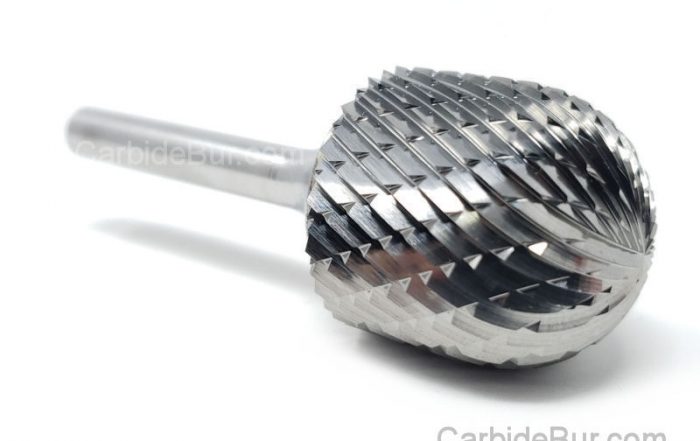
How to Use a Carbide Burr With a Die Grinder
How to Use a Carbide Burr With a Die Grinder Most people treat a carbide burr like just another tool, but using it with a die grinder takes skill. If you’ve struggled with burr installation [...]
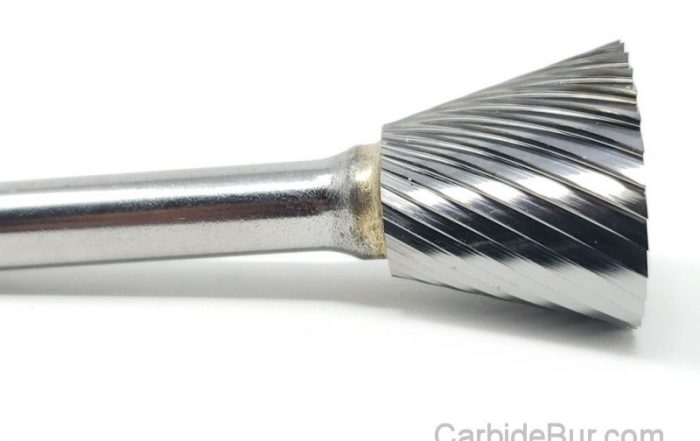
1/8 vs 1/4 Inch Carbide Burrs: What’s the Difference?
1/8 vs 1/4 Inch Carbide Burrs: What's the Difference? Choosing between a 1/8 inch carbide burr and a 1/4 inch carbide burr can change how your project turns out. Many machinists and hobbyists overlook how [...]

Best Carbide Burr for Removing Flash From Castings
Best Carbide Burr for Removing Flash From Castings Removing flash from castings is a task that can slow down your entire metalworking process if you don’t have the right tools. Picking the best carbide burr [...]
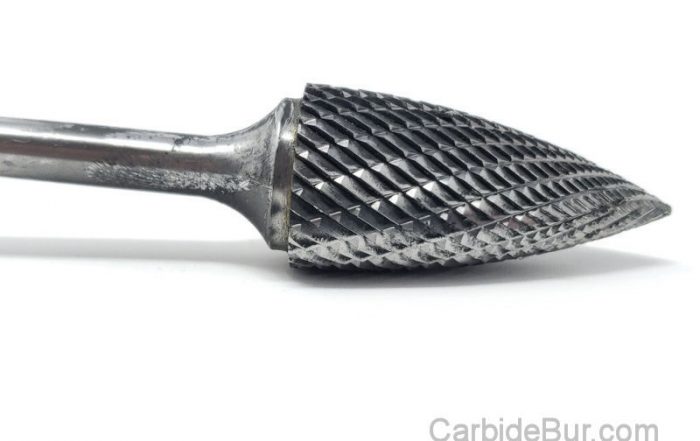
What RPM Should You Use for a 1/4 Inch Carbide Burr?
What RPM Should You Use for a 1/4 Inch Carbide Burr? Most machinists guess the right speed for a 1/4 inch carbide burr and hope for the best. Using the wrong carbide burr RPM can [...]
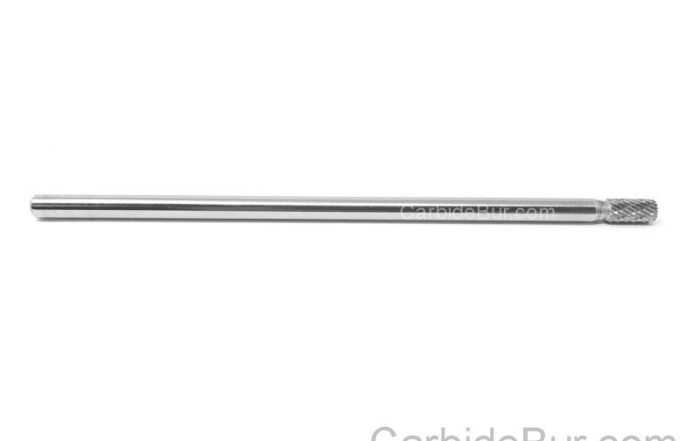
Long Shank Carbide Burrs: When Do You Need One?
Long Shank Carbide Burrs: When Do You Need One? Most machinists overlook the power of long shank carbide burrs until a project demands precision in tight spaces. When your usual tools can’t reach intricate contours, [...]
How Deep Can a Carbide Burr Cut Metal?
How Deep Can a Carbide Burr Cut Metal? Carbide burrs often get praised for their precision, but many users hit a wall wondering how deep they can actually cut metal. The truth is, cutting depth [...]
How to Use Carbide Burrs for Port Matching
How to Use Carbide Burrs for Port Matching Most engine builds hit a wall when airflow doesn’t flow smoothly between the ports and manifolds. If your engine isn’t breathing right, your performance stalls. Using the [...]
Best Carbide Burr for Porting Intake Manifolds
Best Carbide Burr for Porting Intake Manifolds Porting intake manifolds can make or break your engine’s airflow, yet many struggle with the right tools for the job. Choosing the best carbide burrs is key to [...]
Best Carbide Burr for Concave Surfaces
Best Carbide Burr for Concave Surfaces Concave surfaces can turn a straightforward project into a frustrating challenge if you don’t have the right tool. Carbide burrs designed for these tricky curves make all the difference [...]
How to Grind a Slot in Metal With a Carbide Burr
How to Grind a Slot in Metal With a Carbide Burr Grinding a precise slot in metal can feel like a tricky task, especially if you’re unsure which tools to trust. Carbide burr grinding offers [...]
