
Beginner’s Guide to Using Die Grinder Tool Bits: Start with USA Quality
Most beginners with die grinders start with the wrong bits and end up frustrated or worse, injured. Using cheap or unknown carbide tools raises the risk of accidents and poor finishes. This beginner’s guide shows you how to use die grinders safely, pick the right carbide bits, and why USA-made tools matter for your projects. Follow these clear tutorials and safety guidelines to build your skills and confidence from the ground up.
Introduction to Die Grinders
Getting started with die grinders can seem overwhelming, but choosing quality tools makes all the difference. By focusing on USA-made carbide tools, you ensure safety and superior results.
Importance of USA-Made Tools
Using tools made in the USA isn’t just about supporting local businesses; it’s about quality and safety. American-made tools often undergo stringent quality checks. This means you get a product that’s reliable and built to last. When you buy USA-made carbide tools, you’re investing in durability. They are designed to withstand tough conditions, reducing the chance of accidents. Most people think any tool will do, but quality matters. So, start your grinding projects on the right foot by choosing tools you can trust.
Basics of Die Grinders
Die grinders are versatile tools that can handle a variety of tasks. They cut, grind, and polish with precision. The main component is the bit, which does the actual work. Selecting the right bit for your project is crucial. A good bit makes the job easier and ensures a smooth finish. Beginners often overlook this, but understanding your tool is the first step to mastery. Whether you’re smoothing out rough edges or shaping metal, die grinders are your go-to tool. Remember, practice and patience are key. As you gain experience, your skills will grow, making each project easier and more enjoyable.
Choosing the Right Carbide Bits
Selecting the correct carbide bits is essential for successful die grinding. The right bit transforms your work, making tasks easier and more precise.
Types of Carbide Bits
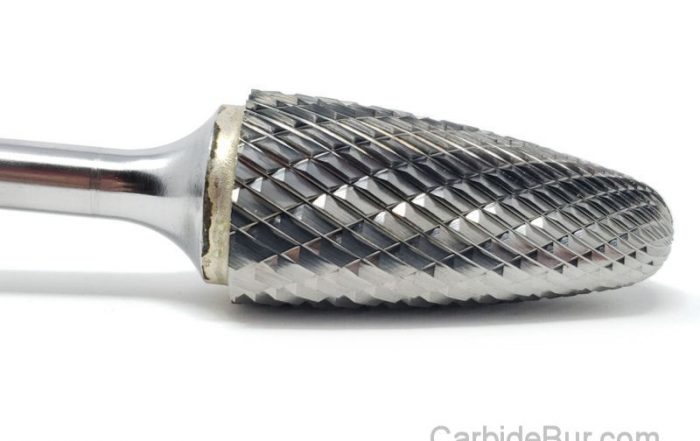
Carbide bits come in various shapes and sizes, each designed for specific tasks. There are ball-shaped bits for detailed work and cylindrical bits for flat surfaces. Choosing the right type depends on the project at hand. For instance, a ball-shaped bit is perfect for intricate designs, while a cylindrical bit is ideal for smoothing flat areas. Understanding these differences helps you select the best tool for the job. Most people think all bits are the same, but this isn’t true. Each shape has a purpose, so knowing what you need is crucial. For more on choosing the right bit, check out this guide on burr bits.
Selecting USA-Made Carbide Tools
Why choose USA-made carbide tools? Because they offer unmatched quality. When you pick a tool made in the USA, you know it meets high standards. This means fewer tool changes and more precise work. You get a consistent performance that saves time and effort. Most beginners think cheaper tools are sufficient, but investing in quality pays off. Not only do you get a better finish, but you also work safer. For a deeper insight into these tools, explore this resource on tungsten carbide burrs.
Mastering Safe Operation Practices
Safety is paramount when using die grinders. By adopting safe practices, you protect yourself and enhance the quality of your work.
Essential Safety Guidelines
Safety starts with understanding your tool. Always wear protective gear like gloves and goggles. Make sure your work area is clean and well-lit. This reduces the chance of accidents. Keep a firm grip on the grinder and work steadily. Rushing leads to mistakes and injuries. Most people think a quick job is better, but patience is key. Following safety guidelines ensures you stay safe and your projects turn out well. Here’s an interesting discussion on die grinder techniques that might help.
Step-by-Step Die Grinder Tutorials
Ready to dive into the practical side? Here’s a simple tutorial to get you started:
-
Choose the right bit: Select a carbide bit that matches your project’s needs.
-
Secure your material: Ensure your material is clamped down to prevent movement.
-
Start your grinder: Turn on the tool and let it reach full speed before use.
-
Apply gentle pressure: Guide the grinder along your material, letting the tool do the work.
Following these steps helps you achieve a smooth finish every time. Remember, practice makes perfect. As you become more familiar with the tool, your confidence will grow. For more detailed instructions, visit this tutorial on using die grinders.
By focusing on quality tools and safe practices, you pave the way for successful projects. Take your time, trust in your tools, and enjoy the process of mastering die grinding.
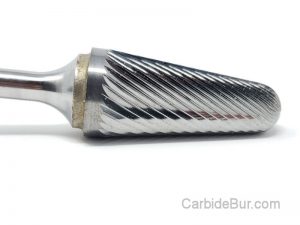
Find more information at CarbideBur.com
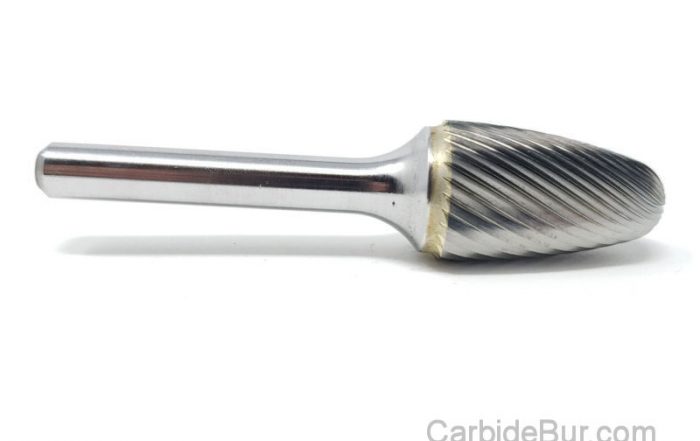
How to Grind a Groove in Metal With a Carbide Burr
How to Grind a Groove in Metal With a Carbide Burr Most metalworkers struggle to cut clean grooves without wasting time or ruining their workpiece. Many try different metalworking tools but end up with uneven [...]
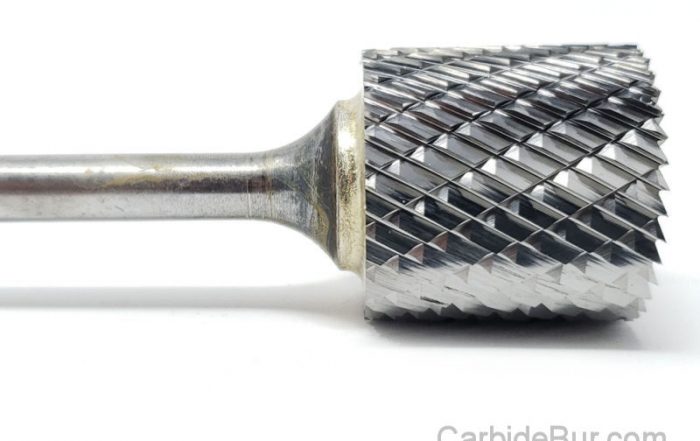
Can Carbide Burrs Cut Through Welds?
Can Carbide Burrs Cut Through Welds? Cutting through welds can feel like a battle, especially when you need clean results without harming the base metal. Carbide burrs offer a sharp edge in this fight, but [...]
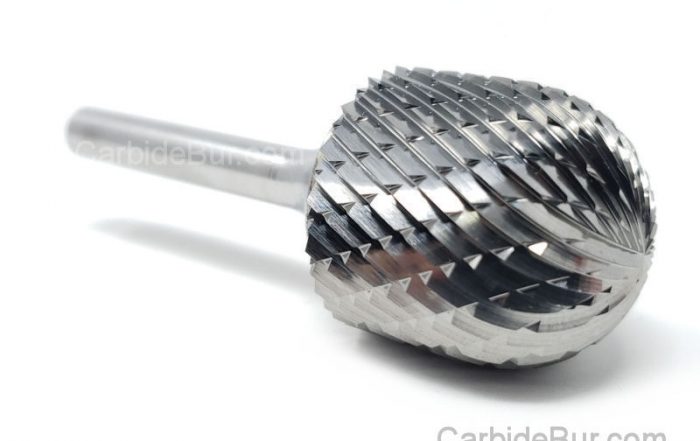
How to Use a Carbide Burr With a Die Grinder
How to Use a Carbide Burr With a Die Grinder Most people treat a carbide burr like just another tool, but using it with a die grinder takes skill. If you’ve struggled with burr installation [...]
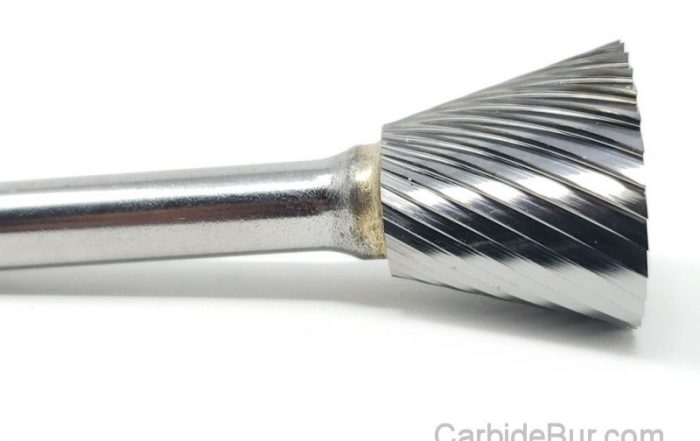
1/8 vs 1/4 Inch Carbide Burrs: What’s the Difference?
1/8 vs 1/4 Inch Carbide Burrs: What's the Difference? Choosing between a 1/8 inch carbide burr and a 1/4 inch carbide burr can change how your project turns out. Many machinists and hobbyists overlook how [...]
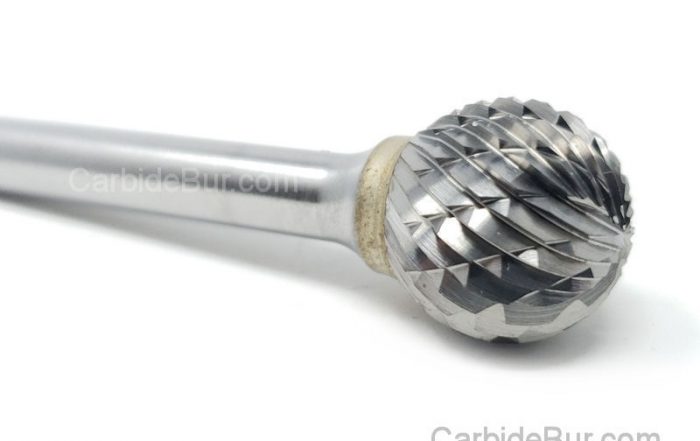
Best Carbide Burr for Removing Flash From Castings
Best Carbide Burr for Removing Flash From Castings Removing flash from castings is a task that can slow down your entire metalworking process if you don’t have the right tools. Picking the best carbide burr [...]
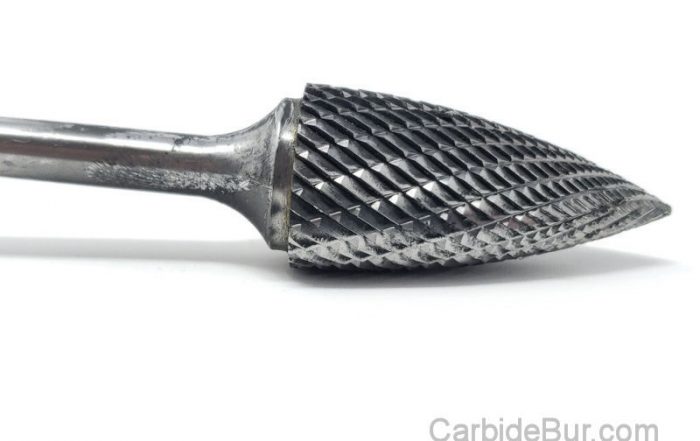
What RPM Should You Use for a 1/4 Inch Carbide Burr?
What RPM Should You Use for a 1/4 Inch Carbide Burr? Most machinists guess the right speed for a 1/4 inch carbide burr and hope for the best. Using the wrong carbide burr RPM can [...]
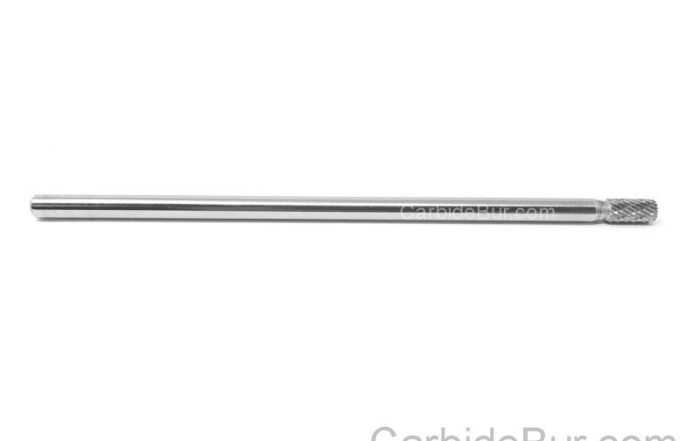
Long Shank Carbide Burrs: When Do You Need One?
Long Shank Carbide Burrs: When Do You Need One? Most machinists overlook the power of long shank carbide burrs until a project demands precision in tight spaces. When your usual tools can’t reach intricate contours, [...]
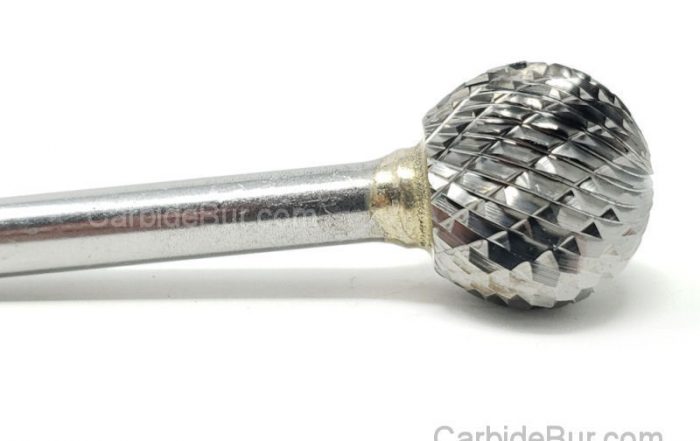
How Deep Can a Carbide Burr Cut Metal?
How Deep Can a Carbide Burr Cut Metal? Carbide burrs often get praised for their precision, but many users hit a wall wondering how deep they can actually cut metal. The truth is, cutting depth [...]
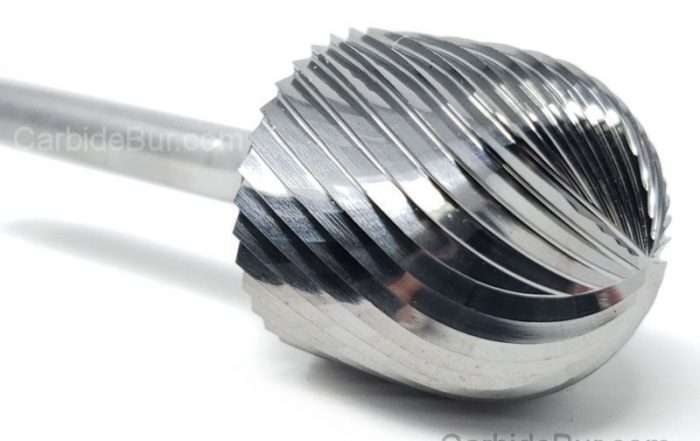
How to Use Carbide Burrs for Port Matching
How to Use Carbide Burrs for Port Matching Most engine builds hit a wall when airflow doesn’t flow smoothly between the ports and manifolds. If your engine isn’t breathing right, your performance stalls. Using the [...]
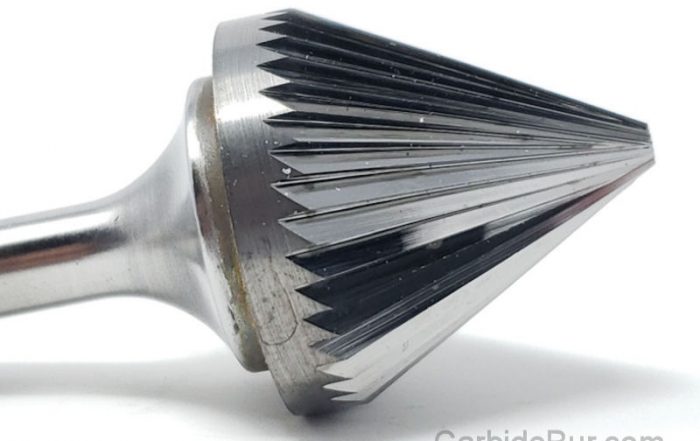
Best Carbide Burr for Porting Intake Manifolds
Best Carbide Burr for Porting Intake Manifolds Porting intake manifolds can make or break your engine’s airflow, yet many struggle with the right tools for the job. Choosing the best carbide burrs is key to [...]
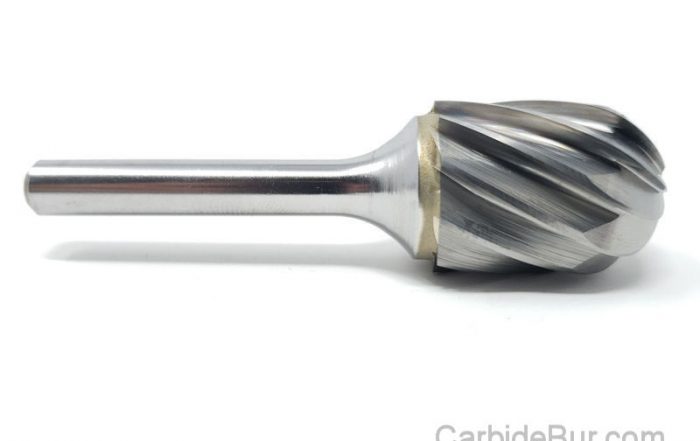
Best Carbide Burr for Concave Surfaces
Best Carbide Burr for Concave Surfaces Concave surfaces can turn a straightforward project into a frustrating challenge if you don’t have the right tool. Carbide burrs designed for these tricky curves make all the difference [...]
How to Grind a Slot in Metal With a Carbide Burr
How to Grind a Slot in Metal With a Carbide Burr Grinding a precise slot in metal can feel like a tricky task, especially if you’re unsure which tools to trust. Carbide burr grinding offers [...]
