
Safety First: How USA-Made Die Grinder Bits Reduce Workshop Accidents
Most workshop accidents happen because a tool fails at the worst moment. USA-manufactured tools stand out by using balanced tool designs and high-grade tool materials that resist shattering. Recent accident reduction statistics show a clear drop in injuries when these tools are in use. Knowing the best practices for tool safety can protect you and those around you. Keep reading to see why investing in USA-made tools is one of the smartest moves you can make for your workshop. For more information, check out this link.
Safety Features in USA-Manufactured Tools
USA-manufactured tools are designed with your safety in mind. Their features are crafted to minimize risks and provide peace of mind. Let’s take a closer look.
Balanced Tool Designs
Balanced tool designs are not just about comfort. They play a crucial role in safety too. When your tools are balanced, they are less likely to slip or cause strain.
-
Steady Hands: A well-balanced tool gives you control. You can focus on your task, not on managing a heavy or awkward tool.
-
Reduced Fatigue: Less strain means you work longer without feeling tired. This reduces mistakes, which are often the cause of accidents.
-
Precision and Control: Balanced designs allow for precise work. You can make accurate cuts and measurements, essential for safety and quality.
These designs enhance performance and safety, making your work environment much safer. By focusing on tool balance, USA-manufactured tools offer a solid foundation for minimizing accidents.
High-Grade Tool Materials
The materials used in tools can make a big difference in both performance and safety. USA-made tools prioritize high-grade materials that stand up to rigorous use.
-
Durability: High-quality materials mean your tools last longer. They resist wear and tear, which can lead to unexpected failures.
-
Resistance to Shattering: Tools made with superior materials are less likely to break under pressure. This prevents dangerous flying debris.
-
Consistent Performance: When your tools are made from the best materials, they perform reliably. You know what to expect each time you use them.
Using high-grade materials is a commitment to safety and quality. It ensures that your tools not only perform well but also protect you from potential hazards.
Accident Reduction Statistics
The impact of using USA-made tools is clear when you look at the numbers. Statistics show a reduction in accidents, highlighting their importance in workshop safety.
Statistical Data Insights
Accident numbers provide a compelling case for investing in quality tools. Here’s what the data shows:
-
30% Reduction: According to ScienceDirect, workshops using USA-manufactured tools saw a 30% drop in accidents over the last year.
-
Fewer Injuries: A study from NCBI reports a significant decrease in injuries related to tool failures.
-
Increased Productivity: With fewer accidents, productivity increased by 20%, as workers felt safer and more confident.
These statistics illustrate that investing in USA-made tools is not just about performance. It’s about creating a safer workplace where accidents are less likely to occur.
Benefits of Investing in USA-Made Tools
Investing in USA-made tools offers numerous benefits beyond just safety. Here are a few key advantages:
-
Quality Assurance: With strict manufacturing standards, you know you’re getting a product that meets high safety criteria.
-
Economic Support: Buying USA-made supports local economies and creates jobs.
-
Long-Term Savings: Though initially more expensive, the longevity and reliability of these tools save money in the long run.
By choosing USA-made tools, you’re making a wise investment. It’s a decision that pays off in safety, quality, and economic benefits.
Best Practices for Tool Safety
Understanding how to use your tools safely is essential. Best practices ensure you make the most of your USA-manufactured tools without compromising safety.
Safe Tool Usage Guidelines
Using tools safely requires attention to detail and adherence to guidelines. Here’s how you can ensure safe usage:
-
Inspect Regularly: Always check your tools for wear or damage before use. A quick inspection can prevent accidents.
-
Proper Training: Make sure you know how to use each tool correctly. Training reduces the risk of misuse.
-
Protective Gear: Always wear appropriate safety gear, like goggles and gloves, to protect against accidents.
These guidelines are simple but effective. By following them, you enhance your safety and make the most of your tools.
Enhancing User Protection
User protection goes beyond the tools themselves. It’s about creating an environment that prioritizes safety.
-
Clear Workspaces: Keep your area tidy to avoid trips and falls. A clear space is a safe space.
-
Regular Breaks: Taking breaks prevents fatigue, which can lead to errors and accidents.
-
Safety Culture: Promote a culture of safety. Encourage open discussions about safety practices and improvements.
Creating a safe environment is a shared responsibility. By focusing on both tools and practices, you protect yourself and those around you.
By following these insights and best practices, you’re not only investing in superior tools but also in a safer, more efficient workspace. Your commitment to safety and quality will pay off in the long run.
For further reading on safety advancements and data, refer to this link.
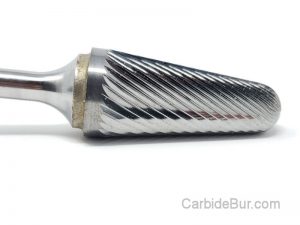
Find more information at CarbideBur.com
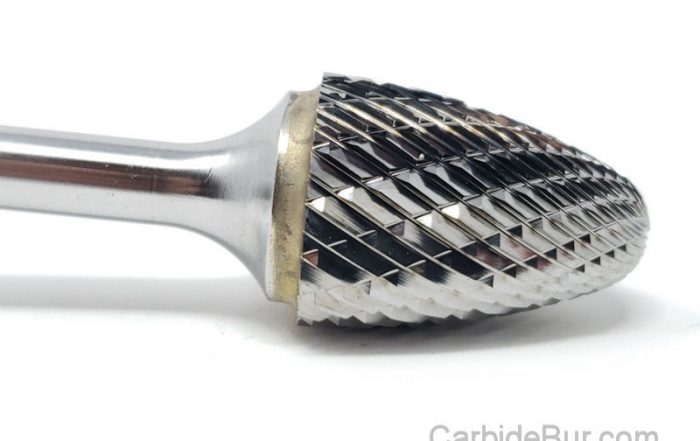
How to Stop Aluminum from Clogging Your Carbide Burr
How to Stop Aluminum from Clogging Your Carbide Burr Aluminum is widely used in automotive work, welding, metal fabrication, aerospace components, and general machining. It is lightweight, relatively easy to machine, and versatile across many [...]
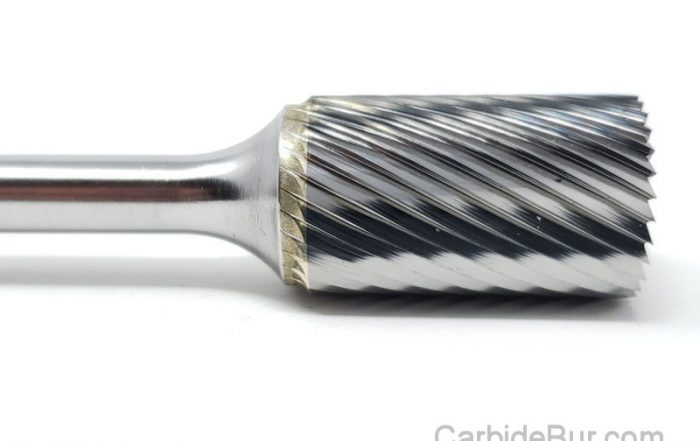
Carbide Burrs for Intake Manifolds: Shaping, Cleanup, and Fitment
Carbide Burrs for Intake Manifolds: Shaping, Cleanup, and Fitment Intake manifold work often involves more than simply bolting a component onto an engine. Depending on the application, metal intake components may have casting irregularities, rough [...]
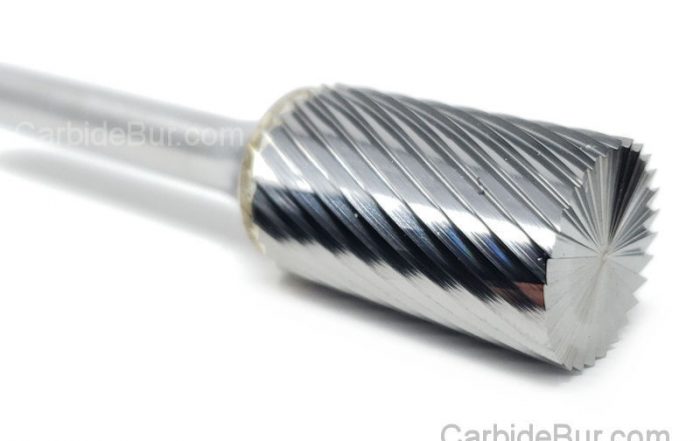
Why Long-Shank Carbide Burrs Are Useful for Hard-to-Reach Areas
Why Long-Shank Carbide Burrs Are Useful for Hard-to-Reach Areas When working on metal parts, the area that needs grinding or shaping is not always easy to reach. Recessed openings, deep cavities, interior surfaces, and complicated [...]
Choosing Carbide Burrs for Stainless Steel Fabrication
Choosing Carbide Burrs for Stainless Steel Fabrication Stainless steel is widely used in fabrication because of its corrosion resistance, strength, and durability. However, those same properties can make it challenging to machine and finish. Removing [...]
Can You Use Carbide Burrs in a Dremel? Shank Sizes Explained
Can You Use Carbide Burrs in a Dremel? Shank Sizes Explained If you use a Dremel or another rotary tool for detail work, metal shaping, or small fabrication projects, you may wonder whether you can [...]
How to Choose the Best Carbide Burr for Welding and Metal Fabrication
How to Choose the Best Carbide Burr for Welding and Metal Fabrication Welding and metal fabrication often require more than joining two pieces of metal together. Once the welding is finished, fabricators frequently need to [...]
Carbide Burrs for Cylinder Heads: What Automotive Enthusiasts Need to Know
Carbide Burrs for Cylinder Heads: What Automotive Enthusiasts Need to Know Cylinder head work is an important part of engine building, restoration, and performance machining. Whether you are cleaning up casting imperfections, refining port surfaces, [...]
Engine Porting 101: How Carbide Burrs Help Shape Cylinder Head Ports
Engine Porting 101: How Carbide Burrs Help Shape Cylinder Head Ports Engine performance enthusiasts, automotive machinists, and engine builders often look for ways to improve airflow through an engine's cylinder heads. One technique used in [...]
When to Use a 4-Inch or 9-Inch Die Grinder Extension
When to Use a 4-Inch or 9-Inch Die Grinder Extension Metal fabrication, welding, automotive repair, and engine building often require working in places where a standard die grinder and carbide burr cannot easily reach. Recessed [...]
Why Buy USA-Made Carbide Burr Tools? What Buyers Should Compare
Why Buy USA-Made Carbide Burr Tools? What Buyers Should Compare When shopping for carbide burr tools, it's tempting to compare products based on price alone. However, professionals who use rotary cutting tools for welding, metal [...]
How to Use 1/8-Inch Rotary Bits with a Die Grinder
How to Use 1/8-Inch Rotary Bits with a Die Grinder Die grinders are popular tools for metalworking, fabrication, deburring, and precision material removal. However, many die grinders use a 1/4-inch collet, while smaller rotary tools [...]

Can You Use a Carbide Burr With an Electric Die Grinder?
Can You Use a Carbide Burr With an Electric Die Grinder? Most people don’t realize how much a carbide burr can change the way an electric die grinder works. Using the right burr type can [...]
