
Enhance Your Craftsmanship: Selecting Carbide Burs for Superior Finish Quality and Control
Picking the right carbide bur diameter can change how your die grinder handles tricky slots and holes. Using a bur about half the width of the area you’re working on keeps chips from clogging the bit and stops it from binding or skipping. This simple die grinder tip helps push debris out while making material removal smoother. Stick with the right bur size, and you’ll see better finish quality and more control on your grinding tasks, saving time and lifting your craftsmanship. For more details, check out this guide on choosing the perfect carbide burr size.
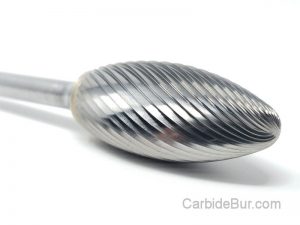
Looking for Carbide Bur Tools?
Check out our entire selection of USA made carbide bur die grinder tool bits
Understanding Carbide Burs
Carbide burs might seem simple, but choosing the right one can dramatically impact your projects. Let’s dig deeper into these essential tools.
What Are Carbide Burs?
Carbide burs are small cutting tools used in rotary tools like die grinders. Made from a tough material called tungsten carbide, they are perfect for shaping, cutting, and grinding various materials. You typically use them on metals, woods, and even plastics. These versatile tools come in different shapes and sizes, each serving a unique purpose in crafting or metalworking.
Importance of Carbide Bur Diameter
Choosing the correct diameter for your carbide bur is critical. A bur that is too large can cause your tool to bind or skip, while a smaller bur might not remove enough material efficiently. When working on slots or holes, aim for a bur that is about half the width of the area. This ensures better control and prevents clogging, which can make your work smoother.
Types of Carbide Burs
There are many types of carbide burs, each designed for specific tasks. Some have fine teeth for detailed work, while others have larger, more aggressive teeth for rapid material removal. Common shapes include the ball, cylindrical, and flame shapes. Understanding these differences helps you select the right bur for your specific needs. If you’re curious about the various shapes and their uses, check out this comprehensive guide to carbide burr shapes.
Techniques for Die Grinder Use
Mastering the use of a die grinder is crucial for achieving the best results. The right techniques can make all the difference in your projects.
Essential Die Grinder Tips
A die grinder is a powerful tool, and using it effectively requires some know-how. Start with a firm grip and maintain a steady hand to avoid accidents. Always wear protective gear to prevent injuries from flying debris. Remember to let the grinder do the work; applying too much pressure can damage both the tool and the material.
Optimizing Chip Clearance
Good chip clearance is vital when using a die grinder. As you work, chips can build up and cause your tool to slow down or even stop. To prevent this, choose a carbide bur diameter that allows for efficient chip removal. This reduces the risk of clogging and ensures your tool performs at its best. For more detailed tips on burr usage, explore this resource.
Ensuring Grinding Efficiency
Keeping your grinding efficient saves you time and effort. Always use a sharp bur, as dull tools can lead to uneven finishes and require more force. Regularly check your tools for wear and tear, replacing them as needed to maintain optimal performance. This keeps your projects on track and ensures a high-quality finish.
Enhancing Material Removal
The right techniques and tools can significantly enhance how you remove material, leading to a smoother workflow and better results.
Choosing the Right Bur for Tasks
Selecting the right bur for your task is essential for effective material removal. Consider the hardness and thickness of the material you are working with. A coarse bur may work well for hard metals, while a finer one is ideal for detailed tasks. This choice impacts your efficiency and the quality of your work.
Effective Debris Expulsion
Removing debris as you work keeps your tools running smoothly. Consistently clear away chips and dust, and use a vacuum or air blower if needed. This practice prevents clogs and extends the life of your tools. A clean workspace also contributes to a safer working environment.
Improving Finish Quality
A high-quality finish is the hallmark of excellent craftsmanship. To achieve this, ensure that your carbide burs are sharp and suitable for the material. Smooth, even strokes with consistent pressure help in obtaining that perfect finish. Regularly inspect your work for imperfections and adjust your technique accordingly.
Mastering Craftsmanship
As you hone your skills with carbide burs, you’ll find that craftsmanship becomes more intuitive and rewarding.
Maintaining Control During Grinding
Control is key when working with a die grinder. Position yourself comfortably and maintain a steady hand. Practice makes perfect, so don’t rush the process. Precision in your movements will lead to better results and fewer mistakes. Most people think speed is all that matters, but control is the true game-changer.
Achieving Superior Finish Quality
To achieve a superior finish, pay attention to your technique and tool selection. Clean and maintain your equipment regularly. Use gentle, consistent motions to avoid gouging or uneven surfaces. Over time, these small adjustments make a big difference in the quality of your projects.
Completing Projects Efficiently
Efficiency in project completion is both an art and a science. Plan your work and organize your tools before beginning. This preparation saves time and reduces stress. By following the tips and techniques discussed, you’ll notice your projects finish faster without sacrificing quality.
Selecting the Perfect Carbide Bur
Choosing the perfect carbide bur is crucial for achieving the best results on your projects. Let’s explore how to make the right choice.
Matching Bur Size to Task Needs
The right bur size depends on the task at hand. For intricate work, a smaller bur offers precision, while larger burs are better for removing significant material. Evaluate your project’s requirements and choose a bur that matches your needs. This ensures you maintain control and achieve the desired outcome.
Balancing Finish and Control
Striking the right balance between finish quality and control is vital. Too aggressive a bur might remove material quickly but leave a rough surface. Conversely, a finer bur provides a smooth finish but may require more time. Experiment with different burs to find what works best for your projects.
Ensuring Long-term Tool Performance
Maintaining your tools ensures they perform well over time. Regularly clean and inspect your carbide burs for wear. Replace them when necessary to keep your work efficient and your results top-notch. Consistent maintenance extends the life of your tools and supports superior craftsmanship. For more insights into selecting the right burr set, visit this helpful guide.
Looking for Carbide Bur Tools?
Check out our entire selection of USA made carbide bur die grinder tool bits
Follow us on Twitter

Return to CarbideBur.com
Carbide Burs – 1/4″ on 1/8″ Shanks – Accessories – Aluminum Cut – Bur Sets – End Mills – Long Shank – Solid Burs
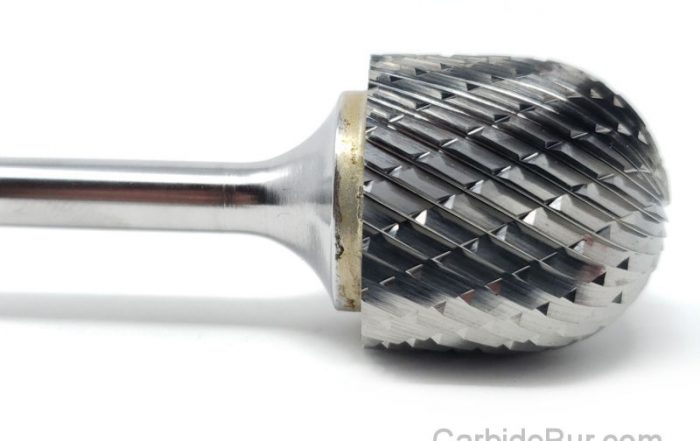
How to Use Carbide Burrs for Weld Removal
How to Use Carbide Burrs for Weld Removal Weld removal can slow down any metalworking project when you’re stuck with the wrong tools or techniques. Using carbide burrs the right way cuts your cleanup time [...]
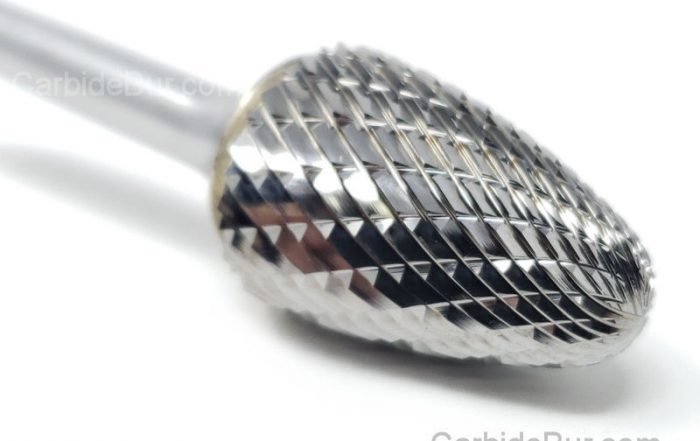
Carbide Burr RPM Guide: How Fast Should You Run a Carbide Burr?
Carbide Burr RPM Guide: How Fast Should You Run a Carbide Burr? Most people run their carbide burrs too fast or too slow without realizing it. Using the wrong speed wears out your tools faster [...]
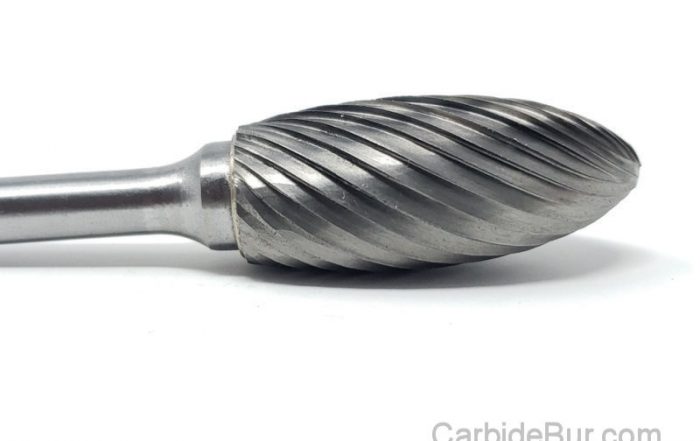
Flame Carbide Burr vs. Tree Carbide Burr: Which Should You Use?
Flame Carbide Burr vs. Tree Carbide Burr: Which Should You Use? You’ve got the right tools, but choosing between a flame carbide burr and a tree carbide burr can still slow down your project. Picking [...]
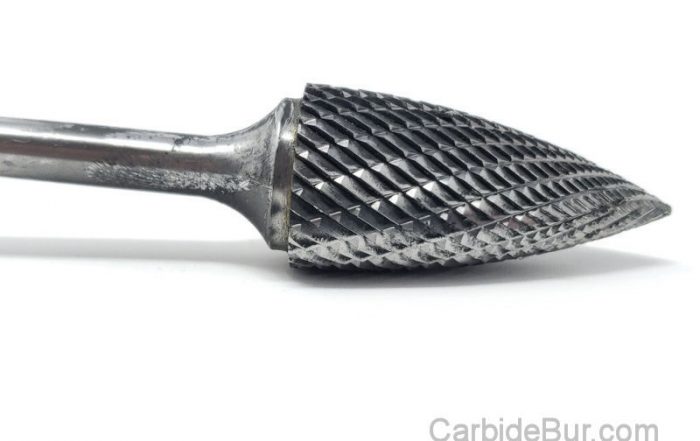
Why Does My Carbide Burr Break? 10 Common Causes
Why Does My Carbide Burr Break? 10 Common Causes Carbide burrs breaking in the middle of a project can bring everything to a halt and drain your budget fast. You’ve probably wondered why your tools [...]
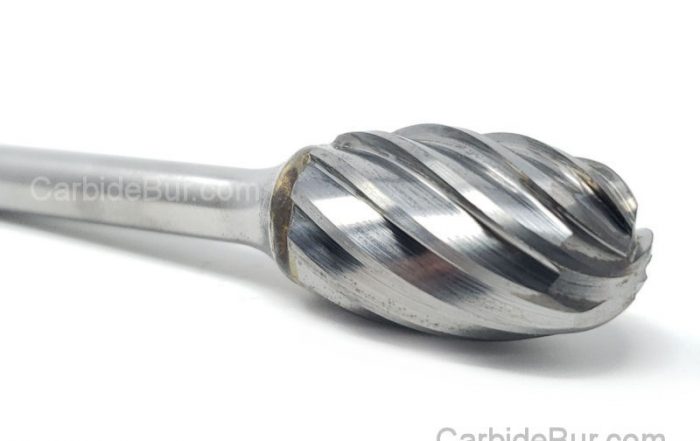
Best Carbide Burr for Aluminum Without Clogging
Best Carbide Burr for Aluminum Without Clogging Clogging ruins more than just your workflow when machining aluminum—it wastes your time and wears out your tools. If you’ve struggled to find a carbide burr that keeps [...]
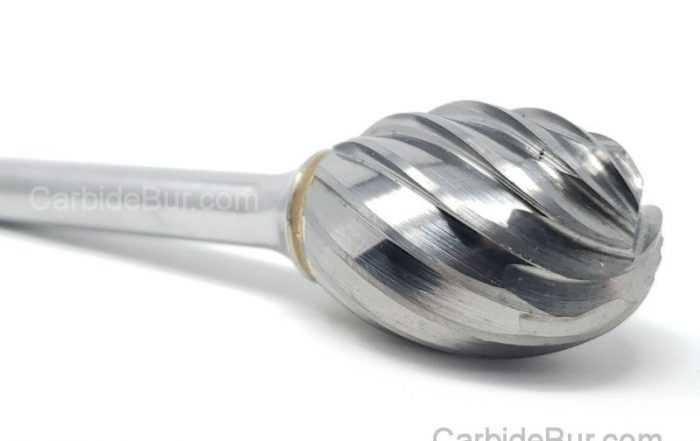
Can You Use Carbide Burrs on Brass and Copper?
Can You Use Carbide Burrs on Brass and Copper? Most machinists hesitate when it comes to using carbide burrs on soft metals like brass and copper. The challenge is real: these metals tend to clog [...]
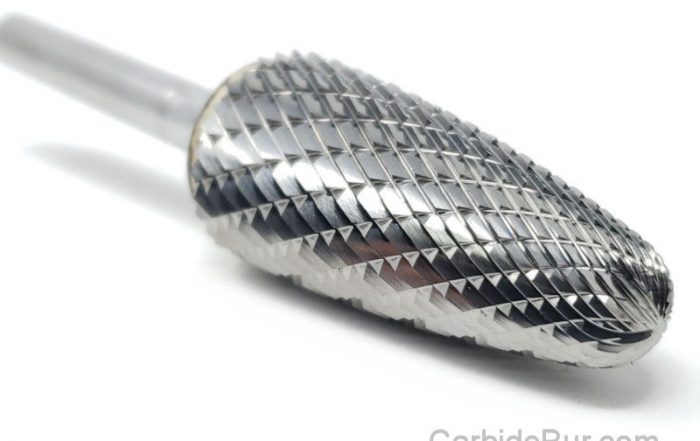
Best Carbide Burr for Stainless Steel: Complete Guide
Best Carbide Burr for Stainless Steel: Complete Guide Working with stainless steel can quickly wear down your tools if you don’t have the right carbide burrs. Choosing the best carbide burr for stainless steel means [...]
Choosing the Right Carbide Burrs for Bolt Cutting
Mastering Metalwork: Choosing the Right Carbide Burrs for Bolt Cutting Cutting bolts with the wrong tool can waste hours and wear down your equipment fast. Carbide burrs offer a powerful option, but not all of [...]
Exploring the Versatility of Carbide Burrs
From Metal Engraving to Crafting: Exploring the Versatility of Carbide Burrs Metal engraving can be a slow, frustrating grind when your tools don’t keep up. If you’ve struggled to get precise cuts or smooth finishes, [...]
Perfecting Material Removal in Tight Spaces
The Ultimate Guide to Tree Shape Carbide Burrs: Perfecting Material Removal in Tight Spaces Most people think all carbide burrs handle tight spaces the same way. That’s not true when it comes to the tree [...]
How to Choose the Best Carbide Burrs for Hard Materials
From Hobbyist to Pro: How to Choose the Best Carbide Burrs for Hard Materials Most metalworkers struggle to find carbide burrs that can handle titanium without wearing out fast. If you’ve wasted time and money [...]
Best Practices for Cleaning Carbide Burrs
Ultrasonic Cleaners vs. Solvent Baths: Best Practices for Cleaning Carbide Burrs Carbide burrs lose their edge fast when resin and material build up. You’ve probably tried scrubbing or soaking with mixed results. Knowing the right [...]
