
Achieve Smoother Finishes: The Carbide Bur Cutting Method Explained
Most people push their die grinder against edges and end up fighting kickback. You lose control, and the finish suffers. Using climb milling with your carbide bur changes everything: the tool cuts with the feed direction, reducing kickback and letting you shape metal with more precision and smoother finishes. Mastering this die grinder technique will sharpen your machining skills and help you get longer life from your tools. Learn more here.
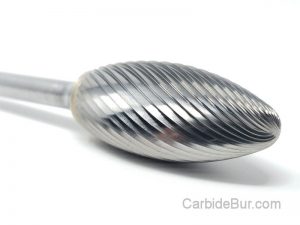
Looking for Carbide Bur Tools?
Check out our entire selection of USA made carbide bur die grinder tool bits
Mastering the Carbide Bur Cutting Method
To achieve precision in machining, understanding your tools is crucial. Let’s start by demystifying carbide burs and their role in the process.
Understanding Carbide Burs
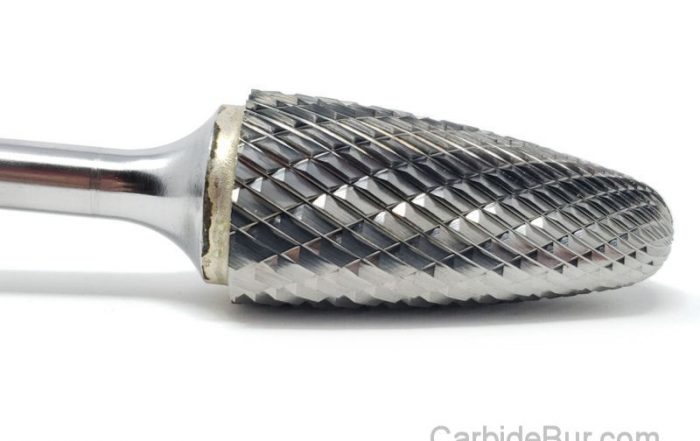
Carbide burs are essential in the machining world. They are tools made from a combination of carbon and tungsten, offering exceptional hardness. This attribute makes them perfect for cutting, shaping, and grinding metal surfaces. You might find these in various shapes and sizes, each designed for specific tasks. For instance, a cylindrical bur is great for removing sharp edges, while a ball-shaped bur can carve intricate designs. Recognizing these differences helps you choose the right tool for the job.
Key Benefits of Carbide Burs
Why choose carbide burs over other options? Their durability and strength are unparalleled. You can rely on them for consistent performance, even with frequent use. These burs resist wear, meaning fewer replacements and lower costs in the long run. Additionally, their precision cutting abilities ensure smoother finishes, which can transform your projects from good to exceptional.
Choosing the Right Die Grinder
The right die grinder is your partner in precision. When selecting one, consider the power source: electric for continuous tasks or pneumatic for those who need more power. Also, look at the speed settings, which allow you to adjust the grinder to fit the task at hand. A variable speed grinder provides flexibility and better control, crucial for achieving a fine finish on your workpiece.
The Climb Milling Technique
Now that you know your tools, it’s time to dive into the climb milling technique. This method can revolutionize how you approach machining tasks.
Basics of Climb Milling
Climb milling cuts in the same direction as the feed. This means the cutting edge enters the workpiece at a lower angle, reducing the tool’s tendency to pull away. This technique is particularly effective for machining metal surfaces, where precision is key. By adopting climb milling, you can reduce wear and extend the life of your tools, leading to cost savings over time.
Advantages in Machining
Adopting this technique provides several benefits. First, it reduces kickback, a common challenge when working with high-speed tools. With less kickback, you maintain control, ensuring your cuts are accurate. Moreover, the smoother cutting action results in better surface finishes, which is ideal for projects requiring high precision and quality.
How to Apply Climb Milling
To apply climb milling, adjust your die grinder’s settings to rotate with the feed direction. Start with a slow, steady motion, allowing the bur to cut effortlessly into the material. Practice on scrap pieces to develop your skills before tackling important projects. With time, you’ll notice the difference in the quality of your finishes and the ease of handling.
Minimizing Kickback and Enhancing Control
Kickback can disrupt your workflow and affect the quality of your work. By focusing on tool precision and control, you can minimize these disruptions.
Importance of Tool Precision
Precision is paramount in machining. Accurate tools ensure that every cut is exact, reducing the risk of errors. Investing in quality carbide burs and maintaining them properly can significantly impact the outcome of your projects. Remember, a well-maintained tool is a reliable tool.
Techniques to Minimize Kickback
To combat kickback, ensure your bur is sharp and not worn down. Dull tools can easily snag on materials, leading to unexpected movements. Additionally, maintain a firm grip on your grinder and position it correctly against the workpiece. Practicing steady, controlled movements can further help minimize kickback.
Improving Control in Machining
Control is about balance and technique. Keep your workspace tidy and free of distractions. This environment allows you to focus on precision and accuracy. Additionally, wearing the proper protective gear can enhance your confidence, letting you concentrate on the task without worrying about safety issues.
Achieving Smoother Finishes
A smooth finish is the hallmark of quality craftsmanship. Here’s how you can achieve it consistently.
Steps for a Smooth Finish
-
Start with a clean surface: Remove any debris or imperfections.
-
Use the right bur shape: Tailor your choice to the task, ensuring you have the right tool for the job.
-
Apply consistent pressure: Even pressure ensures uniform results across your workpiece.
Common Mistakes to Avoid
Avoid rushing through the process. Speed can lead to mistakes, which are costly. Also, ensure your tools are properly secured before starting. Loose burs can lead to uneven cuts and potential injuries.
Enhancing Quality and Precision
Quality results from attention to detail. Regularly inspect your tools for wear and replace them when necessary. Also, consider enrolling in courses or workshops to enhance your skills and stay updated with the latest techniques in machining. Check out this training sheet for more insights.
Extending Tool Life and Performance
Maintaining your tools is as important as using them correctly. Proper care can extend their lifespan significantly.
Maintaining Your Carbide Bur
Clean your burs after each use to prevent debris build-up. Store them in a dry, safe place to avoid rust and damage. Regular maintenance ensures they remain sharp and effective for longer periods.
Best Practices for Tool Longevity
Invest in high-quality storage solutions to protect your tools. Regularly check for signs of wear and replace any components that appear damaged. This proactive approach can save you money and extend the life of your tools.
Optimizing Your Machining Skills
Continuous improvement is key. Practice regularly, seek feedback, and learn from mistakes. Stay connected with the machining community to share insights and techniques. By doing so, you not only improve your skills but also contribute to the growth and innovation within the field. For further reading on machining techniques, visit this comprehensive guide.
By mastering these techniques and maintaining your tools, you’ll achieve smoother finishes and extend the life of your equipment. Embrace the journey of honing your skills, and watch as your projects reach new levels of excellence.
Looking for Carbide Bur Tools?
Check out our entire selection of USA made carbide bur die grinder tool bits
Follow us on Twitter

Return to CarbideBur.com
Carbide Burs – 1/4″ on 1/8″ Shanks – Accessories – Aluminum Cut – Bur Sets – End Mills – Long Shank – Solid Burs
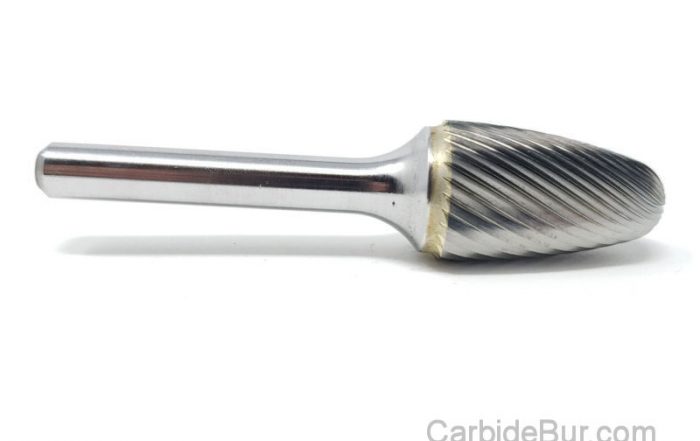
How to Grind a Groove in Metal With a Carbide Burr
How to Grind a Groove in Metal With a Carbide Burr Most metalworkers struggle to cut clean grooves without wasting time or ruining their workpiece. Many try different metalworking tools but end up with uneven [...]
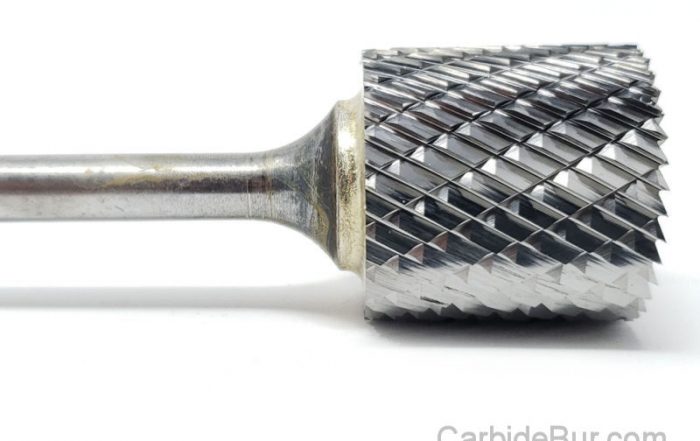
Can Carbide Burrs Cut Through Welds?
Can Carbide Burrs Cut Through Welds? Cutting through welds can feel like a battle, especially when you need clean results without harming the base metal. Carbide burrs offer a sharp edge in this fight, but [...]
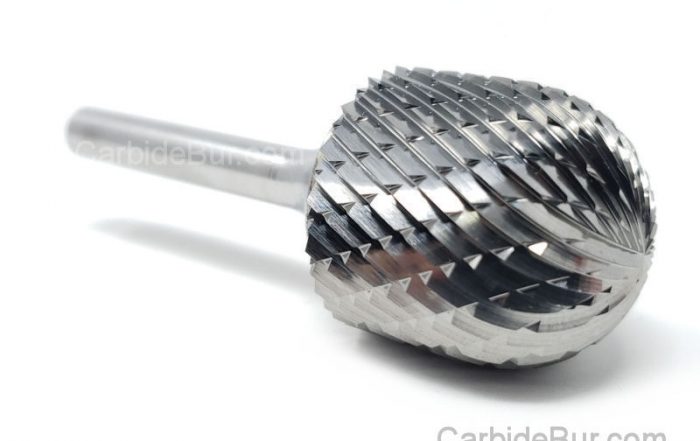
How to Use a Carbide Burr With a Die Grinder
How to Use a Carbide Burr With a Die Grinder Most people treat a carbide burr like just another tool, but using it with a die grinder takes skill. If you’ve struggled with burr installation [...]
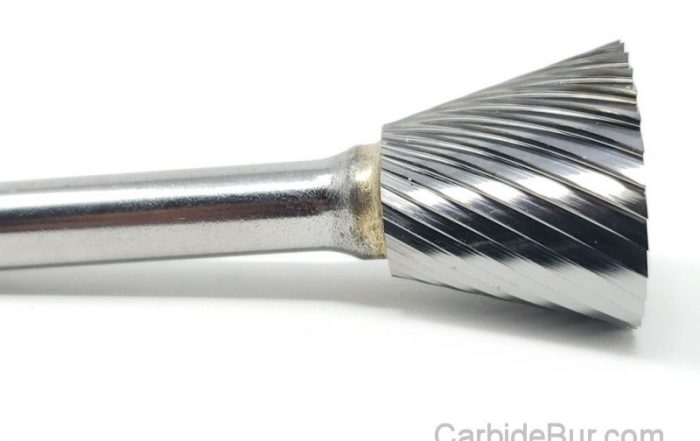
1/8 vs 1/4 Inch Carbide Burrs: What’s the Difference?
1/8 vs 1/4 Inch Carbide Burrs: What's the Difference? Choosing between a 1/8 inch carbide burr and a 1/4 inch carbide burr can change how your project turns out. Many machinists and hobbyists overlook how [...]
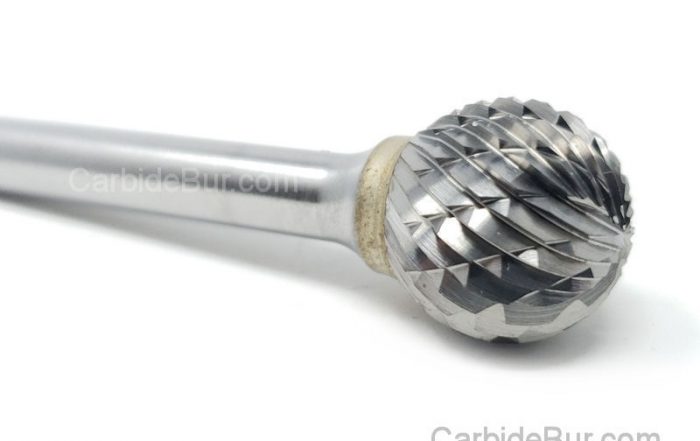
Best Carbide Burr for Removing Flash From Castings
Best Carbide Burr for Removing Flash From Castings Removing flash from castings is a task that can slow down your entire metalworking process if you don’t have the right tools. Picking the best carbide burr [...]
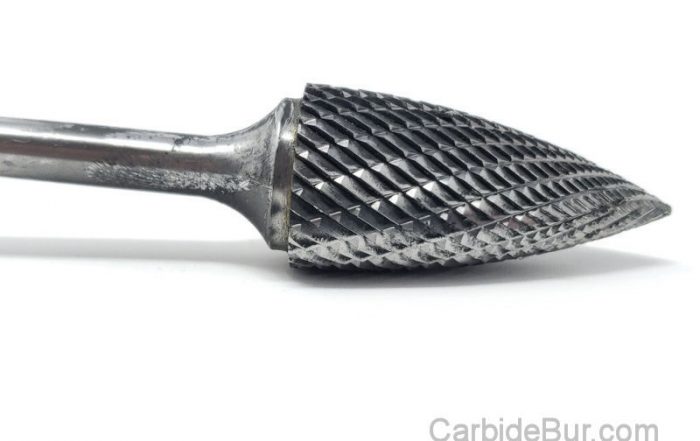
What RPM Should You Use for a 1/4 Inch Carbide Burr?
What RPM Should You Use for a 1/4 Inch Carbide Burr? Most machinists guess the right speed for a 1/4 inch carbide burr and hope for the best. Using the wrong carbide burr RPM can [...]
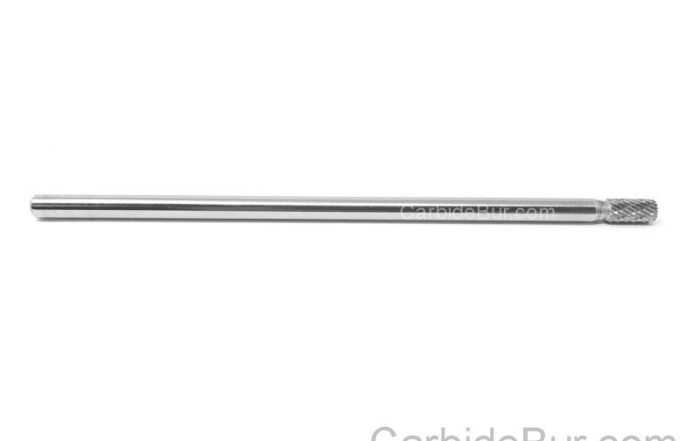
Long Shank Carbide Burrs: When Do You Need One?
Long Shank Carbide Burrs: When Do You Need One? Most machinists overlook the power of long shank carbide burrs until a project demands precision in tight spaces. When your usual tools can’t reach intricate contours, [...]
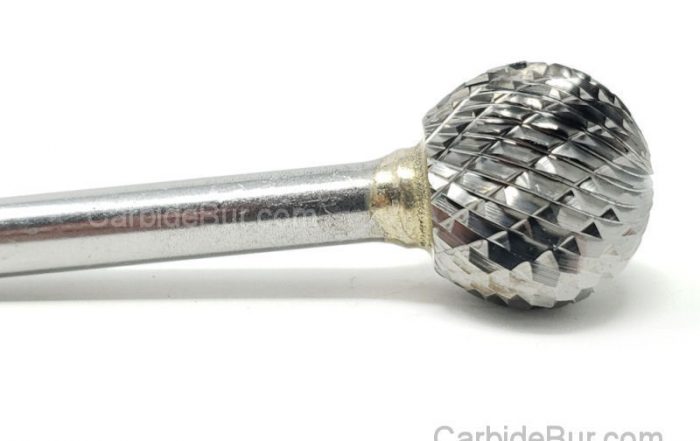
How Deep Can a Carbide Burr Cut Metal?
How Deep Can a Carbide Burr Cut Metal? Carbide burrs often get praised for their precision, but many users hit a wall wondering how deep they can actually cut metal. The truth is, cutting depth [...]
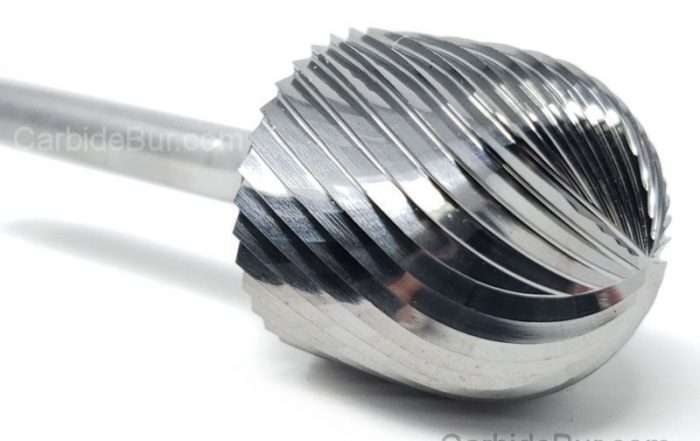
How to Use Carbide Burrs for Port Matching
How to Use Carbide Burrs for Port Matching Most engine builds hit a wall when airflow doesn’t flow smoothly between the ports and manifolds. If your engine isn’t breathing right, your performance stalls. Using the [...]
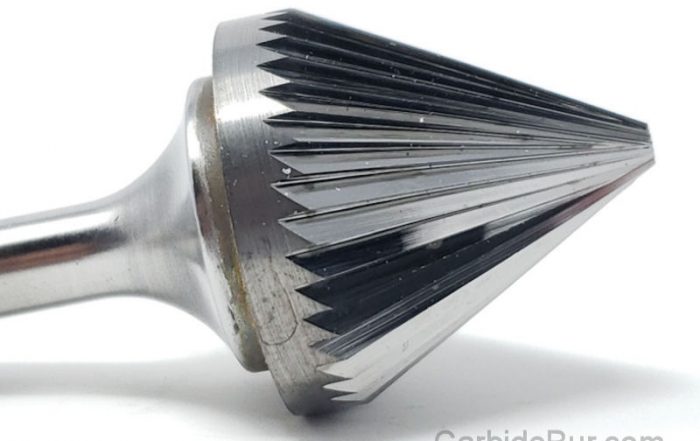
Best Carbide Burr for Porting Intake Manifolds
Best Carbide Burr for Porting Intake Manifolds Porting intake manifolds can make or break your engine’s airflow, yet many struggle with the right tools for the job. Choosing the best carbide burrs is key to [...]
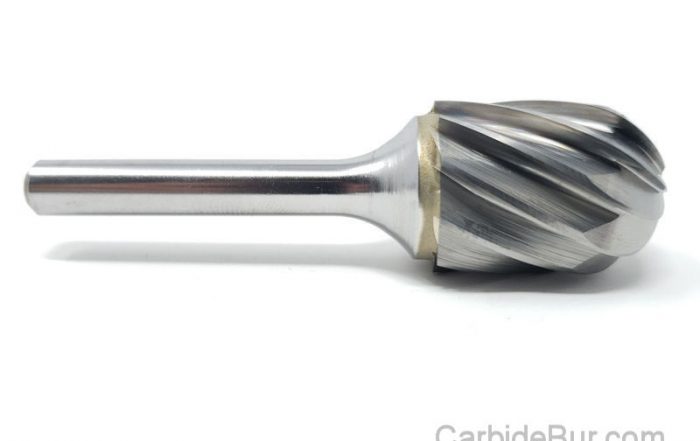
Best Carbide Burr for Concave Surfaces
Best Carbide Burr for Concave Surfaces Concave surfaces can turn a straightforward project into a frustrating challenge if you don’t have the right tool. Carbide burrs designed for these tricky curves make all the difference [...]
How to Grind a Slot in Metal With a Carbide Burr
How to Grind a Slot in Metal With a Carbide Burr Grinding a precise slot in metal can feel like a tricky task, especially if you’re unsure which tools to trust. Carbide burr grinding offers [...]
