
Breathing Easy: Ensuring Die Grinder Safety with Proper Ventilation
Grinding with a die grinder puts fine metal particles in the air, and breathing them in can cause serious problems. You might think just wearing a mask is enough, but proper ventilation and dust extraction techniques make a huge difference. Keeping airflow steady not only protects your lungs but also keeps your workspace clean and clear, helping you work with better precision. In this post, you’ll find simple steps to improve die grinder safety and get the best results from your carbide bur grinding. For more information, you can check out this guide on die grinder safety.
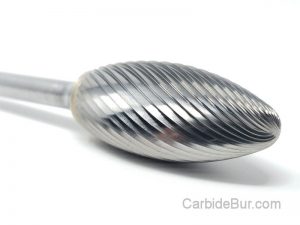
Looking for Carbide Bur Tools?
Check out our entire selection of USA made carbide bur die grinder tool bits
Importance of Proper Ventilation
Proper ventilation is your first line of defense against harmful particles. By managing airflow, you reduce hazards and improve the work environment.
Health and Safety in Machining
Your health matters. When working with a die grinder, airborne particles can pose significant risks. Utilizing ventilation systems keeps the air cleaner, minimizing exposure to harmful substances. This means fewer respiratory problems and healthier working conditions.
Most people think a simple mask is enough, but ventilation systems are crucial. They catch particles before they reach you, leading to a safer workspace. With the right setup, you not only protect your health but also enhance your productivity.
Reducing Metal Particle Inhalation
Wearing a mask reduces inhalation, but it’s not foolproof. Ventilation is key in capturing particles at the source. This approach ensures that you aren’t breathing in harmful materials while grinding. It’s about creating an environment where you’re confident in your safety.
Imagine grinding without worries: a clean space, clear air, and better focus. With reduced inhalation risks, you achieve more with less stress. Don’t overlook this vital step in your safety practices.
Airflow in Workshops
Airflow transforms your workshop into a safer space. By maintaining a steady stream of air, contaminants are swiftly moved away from your breathing zone. This not only protects your lungs but also clears the view of your work.
Think of airflow as the silent guardian of your shop. It quietly ensures your safety and maintains cleanliness. When airflow is properly managed, your work environment becomes more efficient, allowing you to achieve precision in your projects.
Effective Dust Extraction Techniques
Beyond ventilation, dust extraction techniques provide an essential layer of protection. By actively removing particles, they maintain a clean and efficient workspace.
Choosing the Right Equipment
Selecting the right equipment is crucial. Not all systems are created equal, so it’s important to choose one that fits your needs. Look for systems specifically designed for metalwork. They better handle the demands of your projects.
When you invest in quality gear, the benefits are clear: cleaner air, safer conditions, and longer tool life. Make informed choices to get the most out of your setup. Your health and safety are worth the investment.
Installation and Maintenance Tips
Proper installation maximizes your system’s potential. Ensure your dust extraction unit is positioned to cover your work area effectively. Regular maintenance keeps it running optimally. A system that is well-maintained captures more particles and provides better air quality.
Routine checks are simple yet effective. Clean filters, assess components, and ensure connections are secure. A little upkeep goes a long way in maintaining a healthy workspace and prolonging equipment life.
Maximizing Efficiency for Cleanliness
A clean workspace boosts morale and productivity. Efficient dust extraction maintains cleanliness by removing debris before it settles. This means less cleanup and more focus on your projects.
Adopt a proactive approach. Keeping your workshop tidy enhances workspace cleanliness and ensures smooth workflow. With the right techniques, you spend less time cleaning and more time creating.
Best Practices for Die Grinder Safety
With ventilation and dust extraction in place, focus on safety practices. Doing so ensures you get the best results from your projects.
Grinding Tips for Optimal Outcomes
For the best results, follow tried-and-true grinding tips. Use the right technique to maintain control and precision. Let the tool do the work, applying gentle pressure to avoid damaging the surface.
Carbide bur grinding demands focus. Keep the tool steady, and adjust your speed based on material resistance. These practices enhance both safety and quality, ensuring your projects meet high standards.
Safe Use of Carbide Bur
Carbide burs are essential tools, but they require careful handling. Secure them properly in your die grinder, and check for damage before use. A loose or damaged bur can lead to accidents or subpar results.
Stay vigilant about safety. These practices not only protect you but also ensure your tools function at their best. Treat your equipment with respect, and it will perform reliably.
Maintaining Workspace Cleanliness
A clean workspace is a safe workspace. Regularly remove debris, and organize your tools for easy access. This promotes a smoother workflow, allowing you to focus on your work without distractions.
Cleanliness isn’t just about aesthetics. It’s a practical step towards maintaining safety and efficiency. Keep your area tidy, and enjoy the benefits of a well-organized workshop.
Impact on Tool Longevity
Proper practices extend the life of your tools. By maintaining cleanliness and using the right techniques, you prevent premature wear.
Preventing Premature Wear
Dust buildup accelerates wear. Regularly clean your tools to prevent this. Proper maintenance ensures they perform well and last longer. This saves you money and hassle in the long run.
Your tools are an investment. Protect them by keeping them clean and well-maintained. This leads to consistent performance and reliability in your projects.
Enhancing Tool Performance
Clean tools work better. By preventing dust contamination, you enhance performance. This allows for precise results and efficient operations, driving better outcomes in your work.
Performance isn’t just about speed. It’s about achieving the quality you need. Keeping your tools in top condition ensures they deliver every time you use them.
Ensuring a Safe Work Environment
Safety encompasses tools and workspace. A well-maintained environment supports both. By focusing on safety, you create a space where you can work confidently and efficiently.
Safety yields peace of mind. Knowing your environment is secure allows you to focus on what matters: producing quality work and achieving your goals.
Creating a Safe and Efficient Workspace
With safety measures in place, turn your attention to efficiency. An organized workspace streamlines operations and boosts productivity.
Organizing for Better Workflow
Organization transforms chaos into order. Arrange your tools logically, and label storage areas for quick access. This minimizes downtime and maximizes productivity.
Efficiency starts with organization. By setting up your workspace for success, you enable smoother operations and better focus on your projects.
Improving Visibility and Accuracy
Good lighting and clear lines of sight enhance accuracy. Ensure your workspace is well-lit, and remove obstructions that hinder visibility. This reduces mistakes and improves outcomes.
Seeing clearly is key to precision. By enhancing visibility, you improve accuracy and achieve better results. It’s a simple step with significant benefits.
Achieving Optimal Machining Outcomes
When safety, cleanliness, and organization align, optimal outcomes follow. These practices ensure you get the best from your tools and materials, producing work that meets high standards.
Optimal outcomes are within reach. By prioritizing these elements, you create a workspace that supports your goals and enables you to achieve excellence in your projects.
Looking for Carbide Bur Tools?
Check out our entire selection of USA made carbide bur die grinder tool bits
Follow us on Twitter

Return to CarbideBur.com
Carbide Burs – 1/4″ on 1/8″ Shanks – Accessories – Aluminum Cut – Bur Sets – End Mills – Long Shank – Solid Burs
How to Grind a Groove in Metal With a Carbide Burr
How to Grind a Groove in Metal With a Carbide Burr Most metalworkers struggle to cut clean grooves without wasting time or ruining their workpiece. Many try different metalworking tools but end up with uneven [...]
Can Carbide Burrs Cut Through Welds?
Can Carbide Burrs Cut Through Welds? Cutting through welds can feel like a battle, especially when you need clean results without harming the base metal. Carbide burrs offer a sharp edge in this fight, but [...]
How to Use a Carbide Burr With a Die Grinder
How to Use a Carbide Burr With a Die Grinder Most people treat a carbide burr like just another tool, but using it with a die grinder takes skill. If you’ve struggled with burr installation [...]
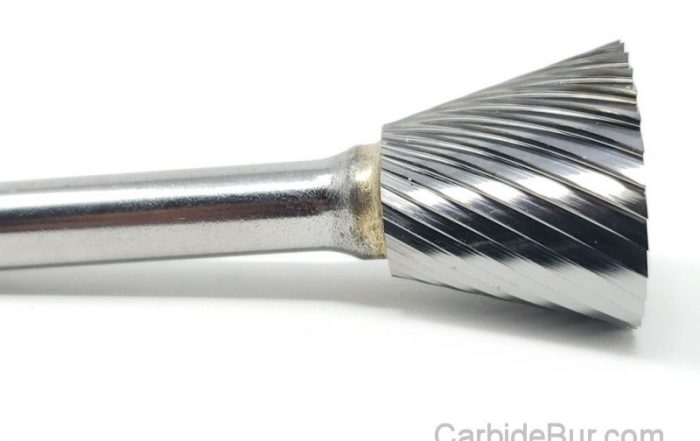
1/8 vs 1/4 Inch Carbide Burrs: What’s the Difference?
1/8 vs 1/4 Inch Carbide Burrs: What's the Difference? Choosing between a 1/8 inch carbide burr and a 1/4 inch carbide burr can change how your project turns out. Many machinists and hobbyists overlook how [...]
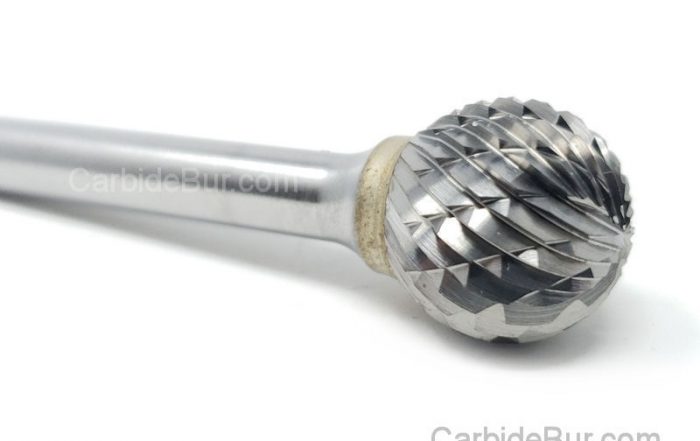
Best Carbide Burr for Removing Flash From Castings
Best Carbide Burr for Removing Flash From Castings Removing flash from castings is a task that can slow down your entire metalworking process if you don’t have the right tools. Picking the best carbide burr [...]
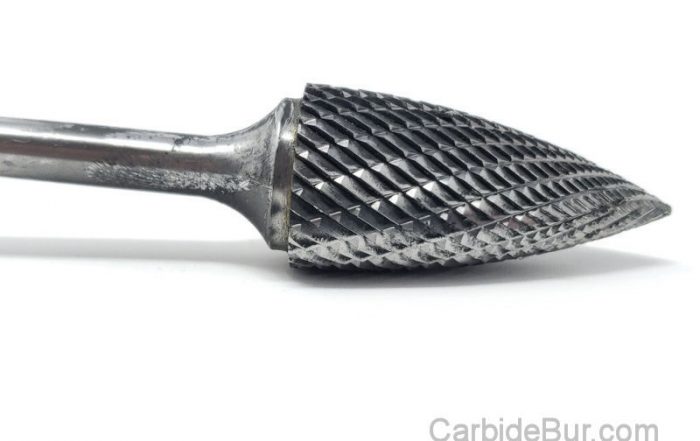
What RPM Should You Use for a 1/4 Inch Carbide Burr?
What RPM Should You Use for a 1/4 Inch Carbide Burr? Most machinists guess the right speed for a 1/4 inch carbide burr and hope for the best. Using the wrong carbide burr RPM can [...]
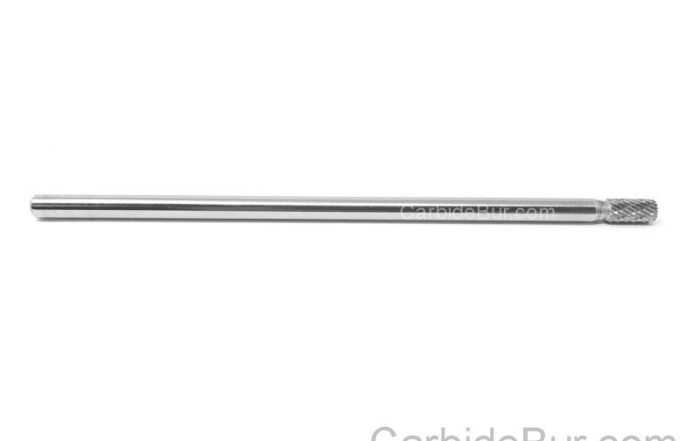
Long Shank Carbide Burrs: When Do You Need One?
Long Shank Carbide Burrs: When Do You Need One? Most machinists overlook the power of long shank carbide burrs until a project demands precision in tight spaces. When your usual tools can’t reach intricate contours, [...]
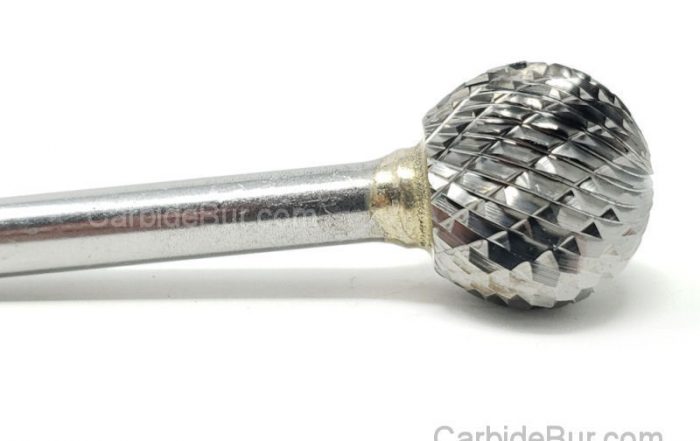
How Deep Can a Carbide Burr Cut Metal?
How Deep Can a Carbide Burr Cut Metal? Carbide burrs often get praised for their precision, but many users hit a wall wondering how deep they can actually cut metal. The truth is, cutting depth [...]
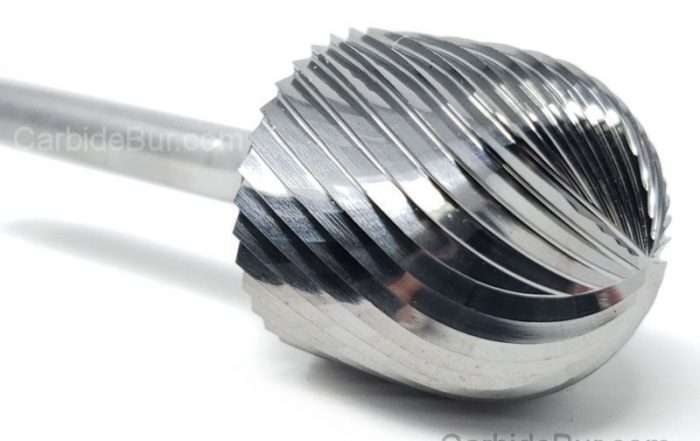
How to Use Carbide Burrs for Port Matching
How to Use Carbide Burrs for Port Matching Most engine builds hit a wall when airflow doesn’t flow smoothly between the ports and manifolds. If your engine isn’t breathing right, your performance stalls. Using the [...]
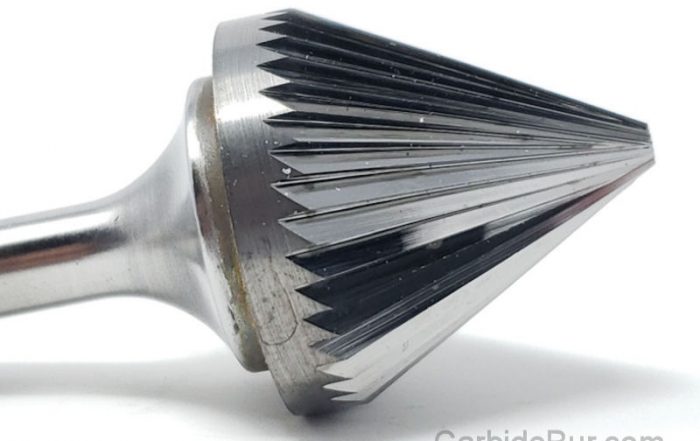
Best Carbide Burr for Porting Intake Manifolds
Best Carbide Burr for Porting Intake Manifolds Porting intake manifolds can make or break your engine’s airflow, yet many struggle with the right tools for the job. Choosing the best carbide burrs is key to [...]
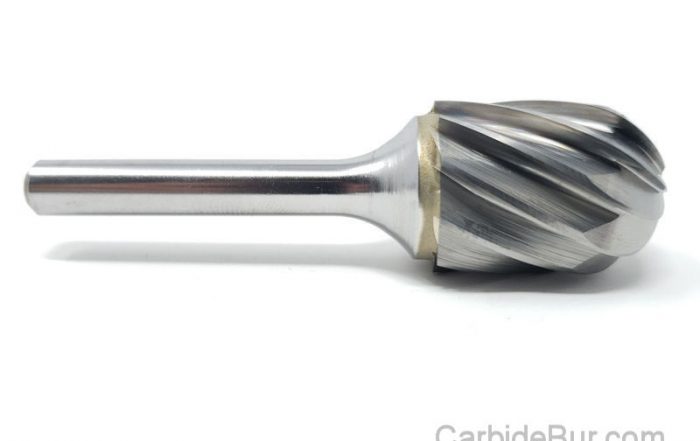
Best Carbide Burr for Concave Surfaces
Best Carbide Burr for Concave Surfaces Concave surfaces can turn a straightforward project into a frustrating challenge if you don’t have the right tool. Carbide burrs designed for these tricky curves make all the difference [...]
How to Grind a Slot in Metal With a Carbide Burr
How to Grind a Slot in Metal With a Carbide Burr Grinding a precise slot in metal can feel like a tricky task, especially if you’re unsure which tools to trust. Carbide burr grinding offers [...]
