
Chip Removal Technique 101: Enhancing Machining Efficiency with Simple Carbide Bur Tricks
Long machining passes can fill your carbide bur with chips, killing your rhythm and finish quality. Stopping to clear those clogs wastes time and breaks your flow. A simple carbide bur technique—briefly reversing the die grinder’s direction—keeps chips moving without a full stop, helping you maintain machining efficiency and a consistent finish. Keep reading to find out how this quick trick can save you time and improve every cut. For more insights, check out this guide on essential cutting techniques for long-lasting carbide burrs.
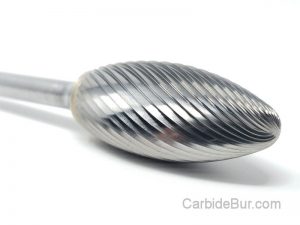
Looking for Carbide Bur Tools?
Check out our entire selection of USA made carbide bur die grinder tool bits
Understanding Carbide Bur Basics
Diving into the world of carbide burs, you’ll find that choosing the right tools is crucial for your work. Let’s uncover what makes a carbide bur the ideal choice for your metalworking needs.
Choosing the Right Carbide Bur
Selecting the perfect carbide bur involves considering the material, shape, and size. Different tasks need different shapes, like flame, ball, or cylindrical. Your choice affects the finish and speed of your work.
-
Material: Tungsten carbide is durable and perfect for hard materials.
-
Shape: Match the shape to the job. A ball shape works well for concave cuts.
For more detailed info, check out this guide on carbide burs.
Importance of Flute Design
Flute design is the heart of a carbide bur’s efficiency. The flutes dictate how chips are removed and how smooth your surface will be. Double cut flutes, for example, provide a smoother finish and remove material faster.
-
Single Cut: Ideal for harder materials, offering a rougher finish.
-
Double Cut: Provides a smoother finish and is versatile.
Understanding these designs can improve your machining efficiency by reducing clogging and achieving a consistent finish.
Key Applications in Metalworking
Carbide burs are versatile tools with a range of uses in metalworking. From shaping metals to smooth surfaces, their applications are broad.
-
Deburring: Smooth out rough edges with ease.
-
Shaping: Perfect for precise cuts and fine details.
Explore more about their applications here.
Essential Die Grinder Tips
Once you’ve chosen your carbide bur, pairing it with the right die grinder is next. This section will walk you through selecting and maintaining your die grinder to optimize performance.
Selecting the Proper Die Grinder
The right die grinder complements your carbide bur, enhancing your metalworking tips. Consider the power, speed, and compatibility with your burs.
-
Power: Choose a grinder with sufficient power for your tasks.
-
Speed: Variable speed options give you greater control.
-
Compatibility: Ensure your burs fit the collet size.
Read this article for more tips on choosing and using burr bits effectively.
Safe Operation Practices
Safety is paramount when working with die grinders. Proper handling minimizes risks and prolongs tool life.
-
Wear Protection: Always use gloves and eye protection.
-
Secure Workpieces: Prevent movement during operation.
Following these practices ensures you can achieve a consistent finish safely.
Maintenance and Care
Regular maintenance of your die grinder keeps it running smoothly. Simple steps like cleaning and lubricating can prevent malfunctions and extend tool life.
-
Clean Regularly: Remove debris after each use.
-
Lubricate: Keep moving parts working smoothly.
Prioritize these tasks to minimize downtime and keep your tools in top shape.
Chip Removal Technique Strategies
Now that your tools are in place, let’s explore the chip removal technique that can revolutionize your metalworking process. This approach prevents clogging and ensures a smooth finish.
Reversing Direction for Chip Clearance
The key to keeping the bur clear is briefly reversing the grinder’s direction. This action dislodges chips efficiently, without halting your work.
-
Clearance: Keeps the flutes from clogging.
-
Efficiency: Allows continuous operation.
This strategy saves time and improves your overall productivity.
Timing and Frequency of Reversal
Knowing when and how often to reverse is crucial. Timing the reversals during long passes helps maintain an efficient workflow.
-
Timing: Reverse every few minutes during long passes.
-
Frequency: Adjust based on material and bur type.
Mastering this technique can lead to a more consistent finish and less downtime.
Benefits for Consistent Finish
A consistent finish reflects a job well done. By using the chip removal technique, you can achieve a smoother surface, enhancing the quality of your work.
-
Smoother Surface: Reduces uneven areas.
-
Higher Quality: Results in professional-grade finishes.
Implementing this simple trick can significantly boost your work quality.
Enhancing Machining Efficiency
With a clear understanding of chip removal, it’s time to focus on enhancing overall machining efficiency. This section provides strategies to help you work smarter, not harder.
Techniques for Reducing Clogging
Preventing clogs is essential for seamless operation. Consistent chip removal and proper tool choices play a role.
-
Tool Selection: Use double cut burs to reduce buildup.
-
Regular Clearing: Incorporate chip removal into your routine.
These steps help you maintain a steady workflow and avoid unnecessary interruptions.
Improving Work Quality
High-quality work comes from attention to detail and proper technique. By focusing on consistent finishes and efficient methods, you enhance the value of your projects.
-
Detail: Ensure precision in every cut.
-
Technique: Follow proven strategies for optimal results.
Refining your approach leads to superior outcomes and satisfied clients.
Minimizing Downtime
Downtime can be costly in metalworking. By keeping tools in peak condition and using efficient techniques, you minimize disruptions.
-
Maintenance: Keep equipment in top shape.
-
Efficiency: Implement time-saving strategies.
Maximizing uptime ensures your projects stay on track and within budget.
Advanced Metalworking Tips
Finally, let’s look at advanced techniques to elevate your metalworking skills. Integrating these practices can make a significant difference in your workflow.
Integrating Carbide Bur Techniques
Bringing everything together, integrating these techniques enhances your overall performance. By combining proper tool use with efficient strategies, you improve your output.
-
Combine Techniques: Use chip removal with proper bur choice.
-
Streamline Process: Focus on efficiency in every step.
This integration leads to consistent, high-quality work.
Optimizing Tool Performance
Fine-tuning your tools can make a significant impact on your work. Regular checks and adjustments ensure they perform at their best.
-
Regular Checks: Identify wear and tear early.
-
Adjustments: Fine-tune settings for optimal performance.
Keeping tools at peak condition supports your efficiency goals.
Building a Routine for Success
Developing a routine ensures consistency and reliability in your work. Establish habits that support efficiency and high-quality outcomes.
-
Consistency: Stick to proven methods.
-
Reliability: Build trust through quality work.
Crafting a routine sets the foundation for ongoing success in your metalworking endeavors.
Looking for Carbide Bur Tools?
Check out our entire selection of USA made carbide bur die grinder tool bits
Follow us on Twitter

Return to CarbideBur.com
Carbide Burs – 1/4″ on 1/8″ Shanks – Accessories – Aluminum Cut – Bur Sets – End Mills – Long Shank – Solid Burs
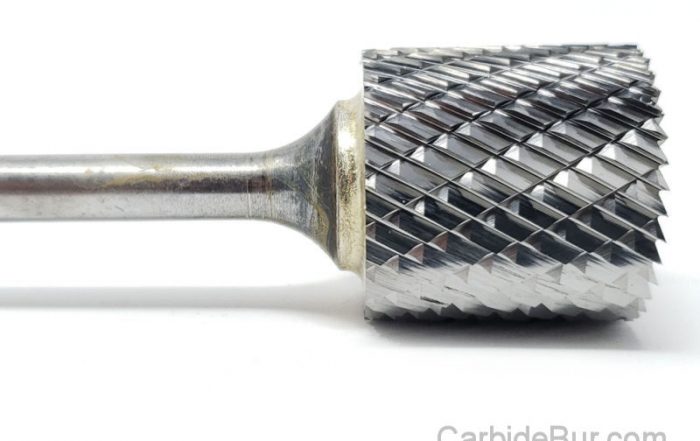
Can Carbide Burrs Cut Through Welds?
Can Carbide Burrs Cut Through Welds? Cutting through welds can feel like a battle, especially when you need clean results without harming the base metal. Carbide burrs offer a sharp edge in this fight, but [...]
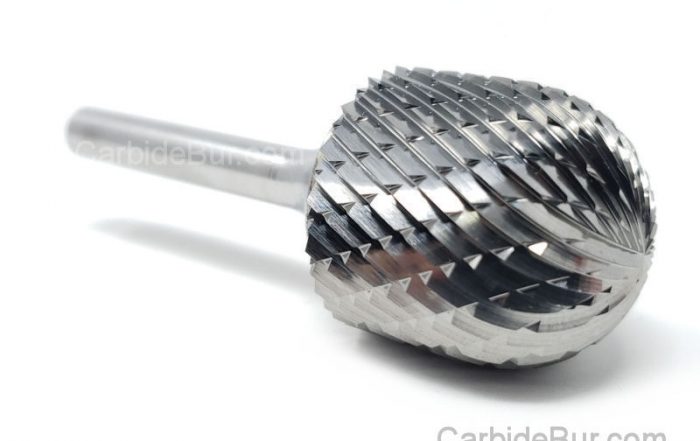
How to Use a Carbide Burr With a Die Grinder
How to Use a Carbide Burr With a Die Grinder Most people treat a carbide burr like just another tool, but using it with a die grinder takes skill. If you’ve struggled with burr installation [...]
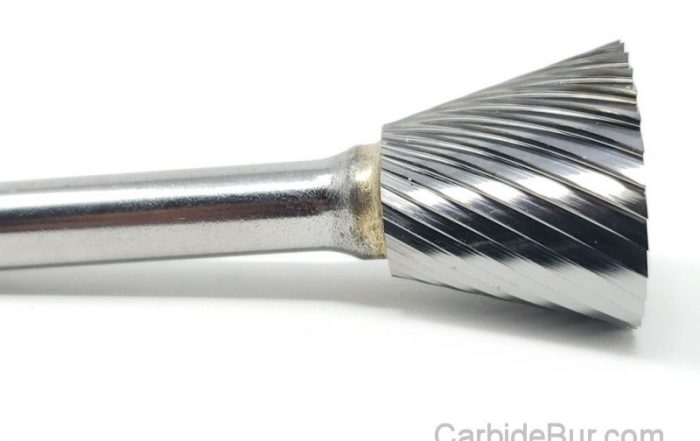
1/8 vs 1/4 Inch Carbide Burrs: What’s the Difference?
1/8 vs 1/4 Inch Carbide Burrs: What's the Difference? Choosing between a 1/8 inch carbide burr and a 1/4 inch carbide burr can change how your project turns out. Many machinists and hobbyists overlook how [...]

Best Carbide Burr for Removing Flash From Castings
Best Carbide Burr for Removing Flash From Castings Removing flash from castings is a task that can slow down your entire metalworking process if you don’t have the right tools. Picking the best carbide burr [...]
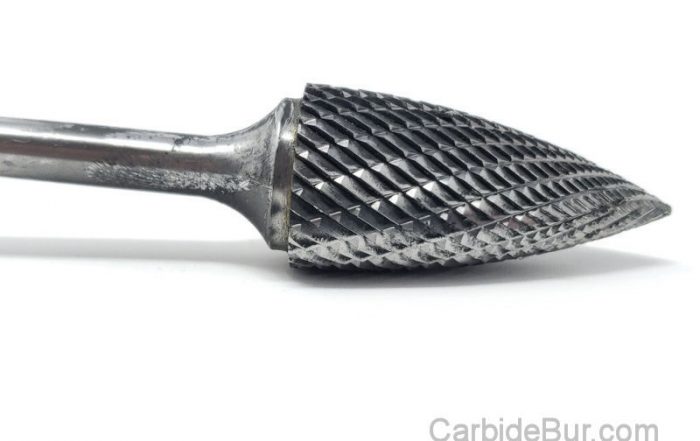
What RPM Should You Use for a 1/4 Inch Carbide Burr?
What RPM Should You Use for a 1/4 Inch Carbide Burr? Most machinists guess the right speed for a 1/4 inch carbide burr and hope for the best. Using the wrong carbide burr RPM can [...]
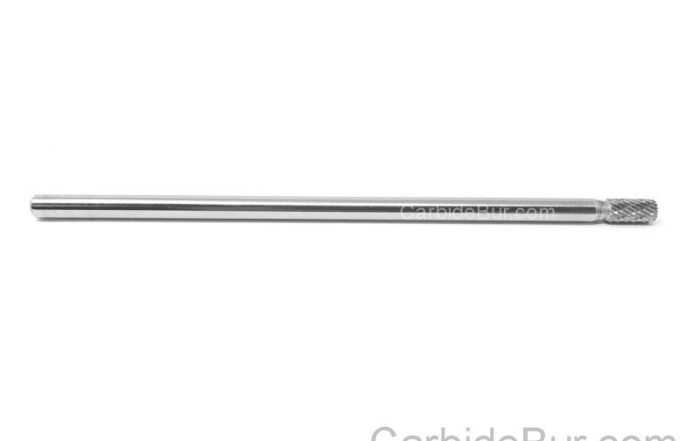
Long Shank Carbide Burrs: When Do You Need One?
Long Shank Carbide Burrs: When Do You Need One? Most machinists overlook the power of long shank carbide burrs until a project demands precision in tight spaces. When your usual tools can’t reach intricate contours, [...]
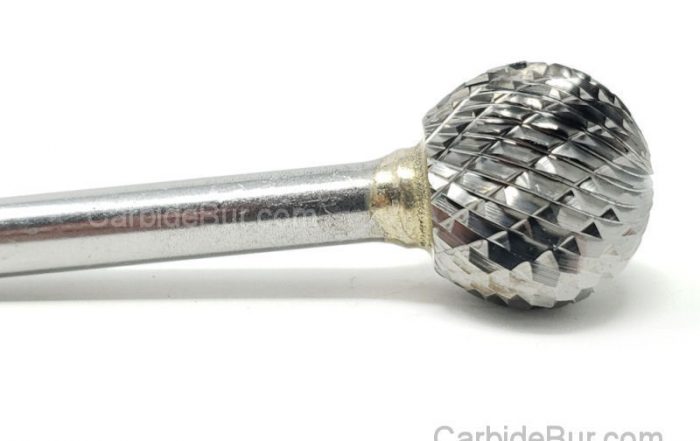
How Deep Can a Carbide Burr Cut Metal?
How Deep Can a Carbide Burr Cut Metal? Carbide burrs often get praised for their precision, but many users hit a wall wondering how deep they can actually cut metal. The truth is, cutting depth [...]
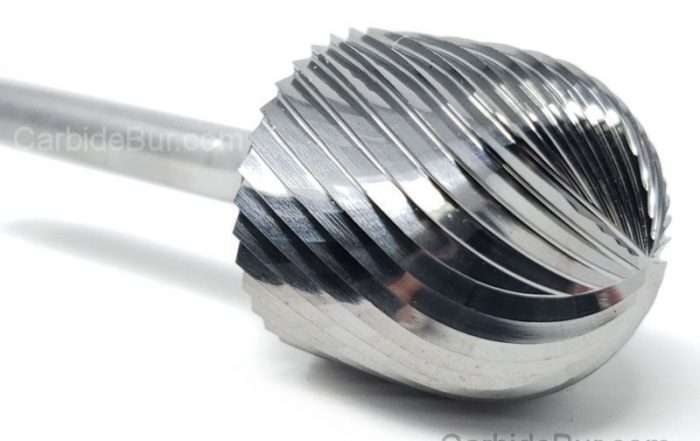
How to Use Carbide Burrs for Port Matching
How to Use Carbide Burrs for Port Matching Most engine builds hit a wall when airflow doesn’t flow smoothly between the ports and manifolds. If your engine isn’t breathing right, your performance stalls. Using the [...]
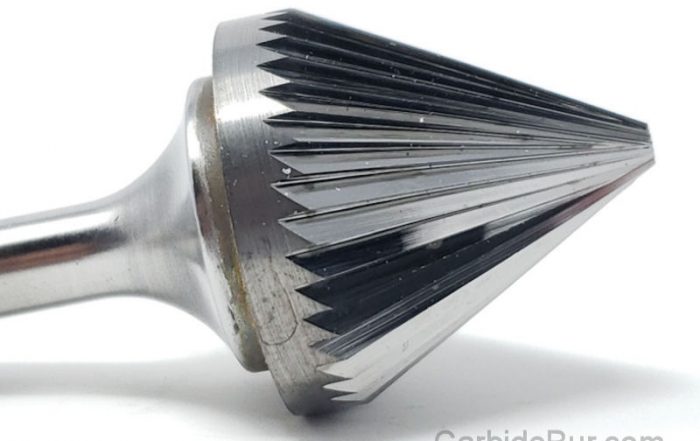
Best Carbide Burr for Porting Intake Manifolds
Best Carbide Burr for Porting Intake Manifolds Porting intake manifolds can make or break your engine’s airflow, yet many struggle with the right tools for the job. Choosing the best carbide burrs is key to [...]
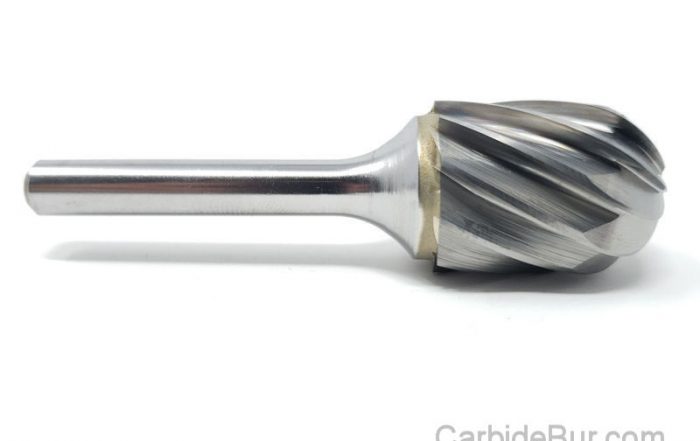
Best Carbide Burr for Concave Surfaces
Best Carbide Burr for Concave Surfaces Concave surfaces can turn a straightforward project into a frustrating challenge if you don’t have the right tool. Carbide burrs designed for these tricky curves make all the difference [...]
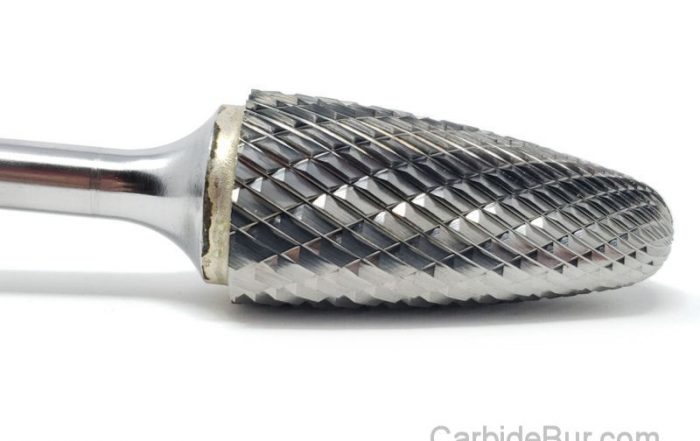
How to Grind a Slot in Metal With a Carbide Burr
How to Grind a Slot in Metal With a Carbide Burr Grinding a precise slot in metal can feel like a tricky task, especially if you’re unsure which tools to trust. Carbide burr grinding offers [...]

Best Carbide Burr for Inside Corners
Best Carbide Burr for Inside Corners Working in tight inside corners can turn even simple projects into frustrating tasks. Many carbide burrs just don’t fit or cut cleanly where you need them most. The best [...]
