
From Hobbyist to Expert: Your Path to Professional Metal Shaping
Metal shaping techniques aren’t as simple as most guides make them seem. You might have spent hours on your DIY metal projects only to end up with uneven curves or weak joints. This guide cuts through the noise and shows you the exact steps and shaping tools professionals use in metal fabrication and automotive metal work. Get ready to move beyond hobbyist attempts and shape metal like a pro. For more insights, check out this detailed guide.
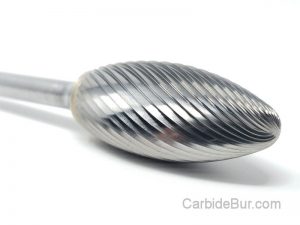
Looking for Carbide Bur Tools?
Check out our entire selection of USA made carbide bur die grinder tool bits
Exploring Metal Shaping Techniques
Discovering the art of metal shaping opens up a world of possibilities. Let’s start by understanding the fundamental aspects of this craft, setting a solid foundation for your journey into metalwork.
Basics of Metal Fabrication
Metal fabrication is the craft of shaping metal into functional items. Think of it as the backbone of metalwork. Fabricators create everything from simple brackets to complex structures. Begin with understanding different metals: steel, aluminum, and copper are common choices. Steel is strong; aluminum is light; copper is malleable. Knowing these properties helps you select the right material for your project. If you’re curious, this metal shaping guide offers a deeper dive into the subject.
Essential Shaping Tools
Your toolbox is your best friend in metal shaping. Each tool has a unique role. Hammers shape; anvils brace; and pliers twist. Start with these basics. As you advance, consider adding more specialized tools like English wheels or planishing hammers. These tools refine your work, giving a professional finish. For guidance, watch this playlist on using shaping tools effectively.
Techniques for Shaping Metal
Shaping metal requires patience and precision. Simple techniques like bending and cutting lay the groundwork. As you progress, techniques like welding and riveting become essential. Welding joins metals; riveting secures them. Practice these techniques to master the art of shaping. Remember, the more you practice, the more skilled you become.
Automotive Metal Work Insights
Now that you know the basics, let’s explore how these techniques apply to automotive projects. This section is where your skills meet the road.
Custom Car Fabrication
Custom car fabrication is a blend of creativity and skill. You’re not just building parts; you’re crafting an experience. Start with small projects like custom fenders or frameworks. Each piece you create enhances your vehicle’s performance and style. Dive into the world of custom car fabrication to transform your vehicle.
Repair and Restoration Methods
Repairing and restoring cars is an art. You’re bringing old beauties back to life. Start by assessing damage. Is it a bent fender or a rusted panel? Each issue requires different methods. Use patching for small rust spots; replace entire panels for severe damage. These skills are not just practical; they are essential for any car enthusiast.
Advanced Metalworking Skills
As you gain confidence, advanced skills await. Techniques like TIG welding and metal spinning elevate your work. TIG welding offers precision; metal spinning shapes complex curves. These skills are challenging but rewarding. Master them, and you’ll see your projects transform into masterpieces.
DIY Metal Projects Made Simple
Feeling inspired? It’s time to turn that inspiration into action. DIY metal projects put your skills to the test, offering valuable experience along the way.
Starting Your First Project
Your first project is an exciting milestone. Choose something simple like a garden sculpture or a metal shelf. Gather your materials and plan each step. Remember, every project teaches you something new. Don’t rush; take your time to enjoy the process.
Choosing the Right Materials
Materials matter. Choose metals based on project needs. For outdoor items, use stainless steel to resist rust. For indoor projects, aluminum might be more suitable due to its lightweight nature. Selecting the right material is crucial for project success.
Safety Tips for Beginners
Safety is your top priority. Wear gloves to protect your hands; goggles to shield your eyes. Always work in a well-ventilated area. These precautions ensure a safe and enjoyable experience. Safety is not just a habit; it’s a necessity.
Transitioning to Professional Metal Shaping
Ready to take your skills to the next level? Transitioning from hobbyist to professional requires more than skill; it demands business savvy and networking.
Building a Business in Metalwork
Turning a passion into a profession involves planning. Start by setting up a workspace. Invest in quality tools and equipment. Next, identify your niche: are you focusing on custom jobs or large-scale fabrication? Clear goals guide your business journey.
Marketing Your Metal Creations
Marketing is key to attracting clients. Showcase your work through a website or social media. Highlight unique projects and satisfied customers. Word of mouth is powerful. As your reputation grows, so will your business opportunities.
Networking with Industry Experts
Connect with others in the field. Attend workshops and join forums. Learn from experienced metalworkers. Relationships can lead to collaborations and new insights. Networking isn’t just about connections; it’s about growing your expertise and influence.
Advanced Techniques and Innovations
Let’s look to the future. Advanced techniques and innovations keep the craft of metal shaping vibrant and relevant.
High-Tech Tools in Metal Shaping
Technology transforms metal shaping. Tools like CNC machines offer precision and efficiency. They handle complex designs with ease. Embracing these tools can expand your capabilities significantly.
Integrating New Methods
Stay open to new methods. Techniques like 3D printing are making waves in metalwork. They offer new possibilities and challenges. Adapting these methods can keep your skills sharp and projects cutting-edge.
Continuous Learning in Metalwork
Learning never stops in metalwork. New techniques and tools emerge constantly. Stay curious and seek knowledge. This ongoing learning ensures your skills remain relevant and your work remains innovative. Keep the passion alive, and your path from hobbyist to expert will be a rewarding one.
This comprehensive guide equips you with everything you need to shape metal like a pro, from foundational skills to advanced techniques. Whether you’re working on a DIY project or looking to transition into a professional setting, these insights will help you excel.
Looking for Carbide Bur Tools?
Check out our entire selection of USA made carbide bur die grinder tool bits
Follow us on Twitter

Return to CarbideBur.com
Carbide Burs – 1/4″ on 1/8″ Shanks – Accessories – Aluminum Cut – Bur Sets – End Mills – Long Shank – Solid Burs
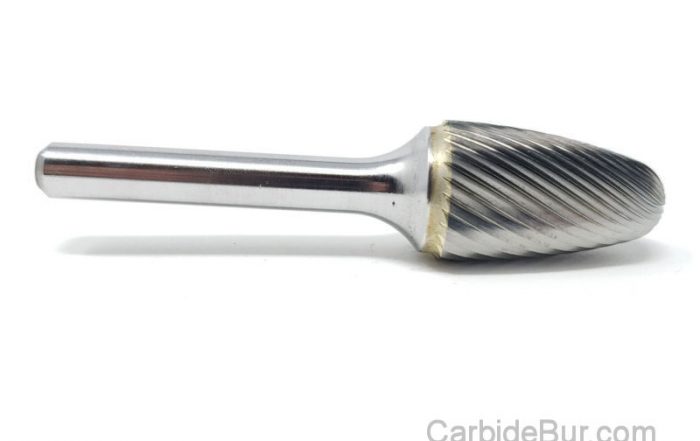
How to Grind a Groove in Metal With a Carbide Burr
How to Grind a Groove in Metal With a Carbide Burr Most metalworkers struggle to cut clean grooves without wasting time or ruining their workpiece. Many try different metalworking tools but end up with uneven [...]
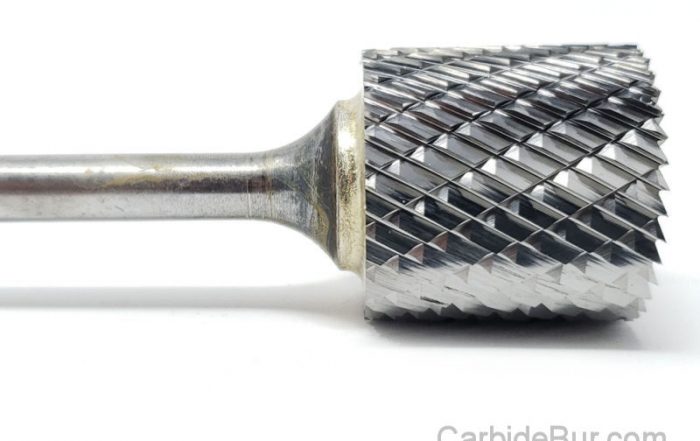
Can Carbide Burrs Cut Through Welds?
Can Carbide Burrs Cut Through Welds? Cutting through welds can feel like a battle, especially when you need clean results without harming the base metal. Carbide burrs offer a sharp edge in this fight, but [...]
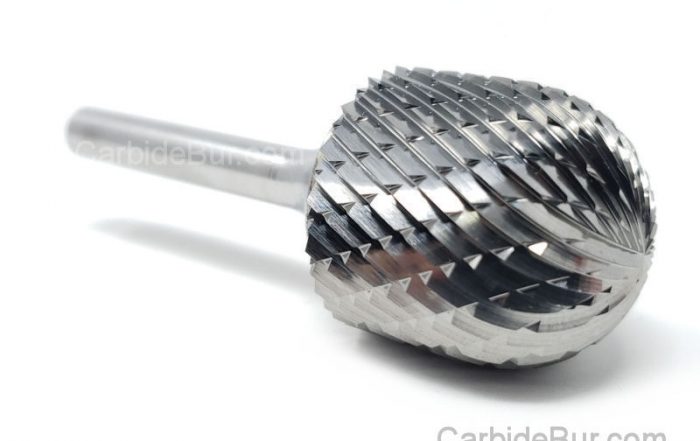
How to Use a Carbide Burr With a Die Grinder
How to Use a Carbide Burr With a Die Grinder Most people treat a carbide burr like just another tool, but using it with a die grinder takes skill. If you’ve struggled with burr installation [...]
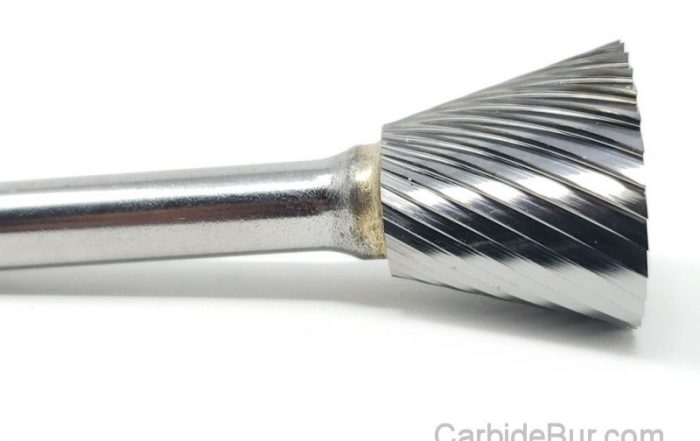
1/8 vs 1/4 Inch Carbide Burrs: What’s the Difference?
1/8 vs 1/4 Inch Carbide Burrs: What's the Difference? Choosing between a 1/8 inch carbide burr and a 1/4 inch carbide burr can change how your project turns out. Many machinists and hobbyists overlook how [...]
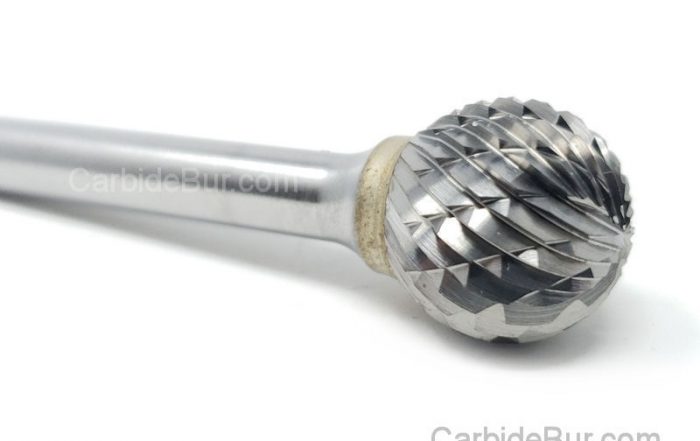
Best Carbide Burr for Removing Flash From Castings
Best Carbide Burr for Removing Flash From Castings Removing flash from castings is a task that can slow down your entire metalworking process if you don’t have the right tools. Picking the best carbide burr [...]
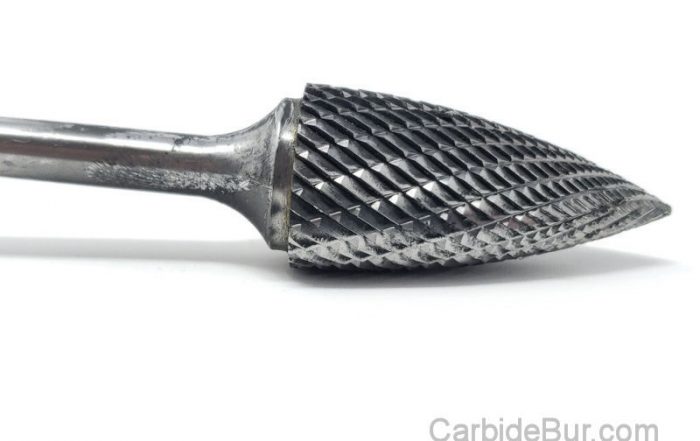
What RPM Should You Use for a 1/4 Inch Carbide Burr?
What RPM Should You Use for a 1/4 Inch Carbide Burr? Most machinists guess the right speed for a 1/4 inch carbide burr and hope for the best. Using the wrong carbide burr RPM can [...]
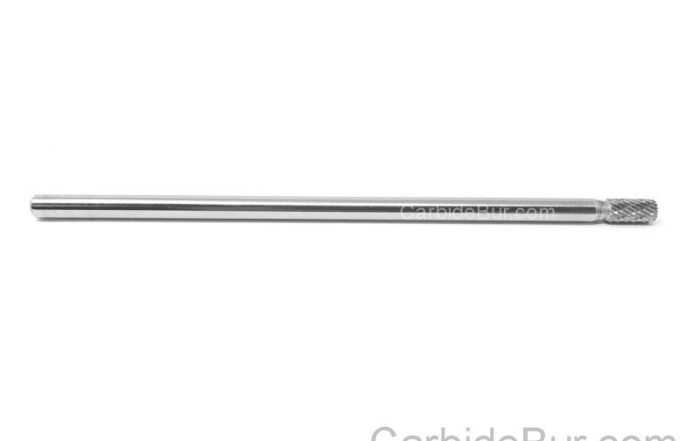
Long Shank Carbide Burrs: When Do You Need One?
Long Shank Carbide Burrs: When Do You Need One? Most machinists overlook the power of long shank carbide burrs until a project demands precision in tight spaces. When your usual tools can’t reach intricate contours, [...]
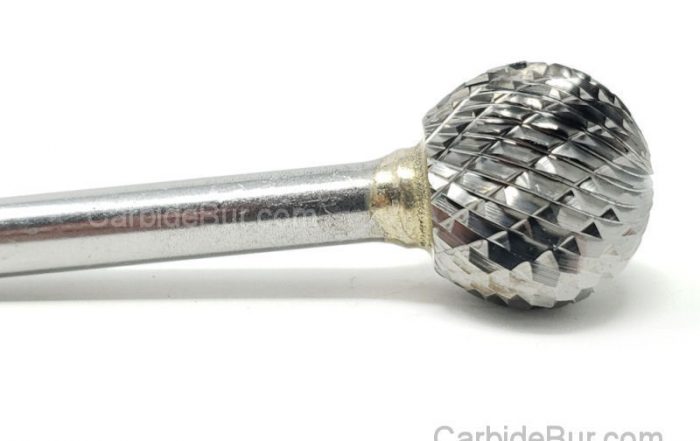
How Deep Can a Carbide Burr Cut Metal?
How Deep Can a Carbide Burr Cut Metal? Carbide burrs often get praised for their precision, but many users hit a wall wondering how deep they can actually cut metal. The truth is, cutting depth [...]
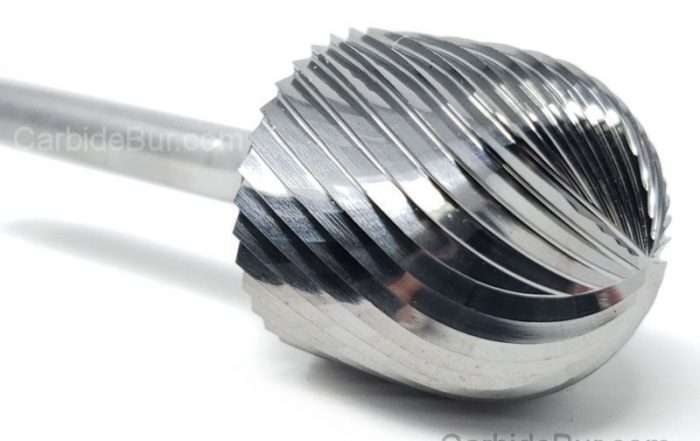
How to Use Carbide Burrs for Port Matching
How to Use Carbide Burrs for Port Matching Most engine builds hit a wall when airflow doesn’t flow smoothly between the ports and manifolds. If your engine isn’t breathing right, your performance stalls. Using the [...]
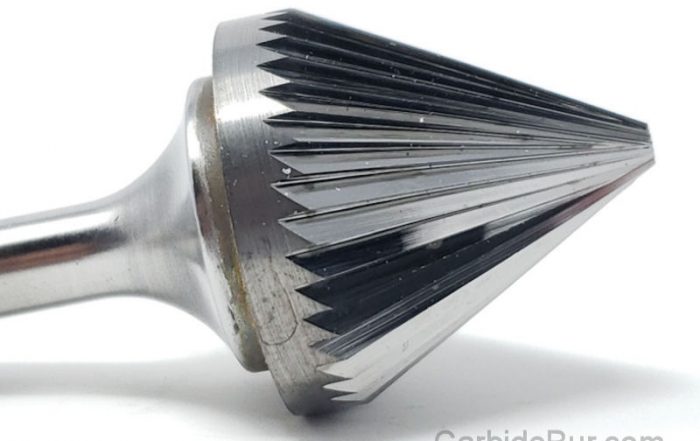
Best Carbide Burr for Porting Intake Manifolds
Best Carbide Burr for Porting Intake Manifolds Porting intake manifolds can make or break your engine’s airflow, yet many struggle with the right tools for the job. Choosing the best carbide burrs is key to [...]
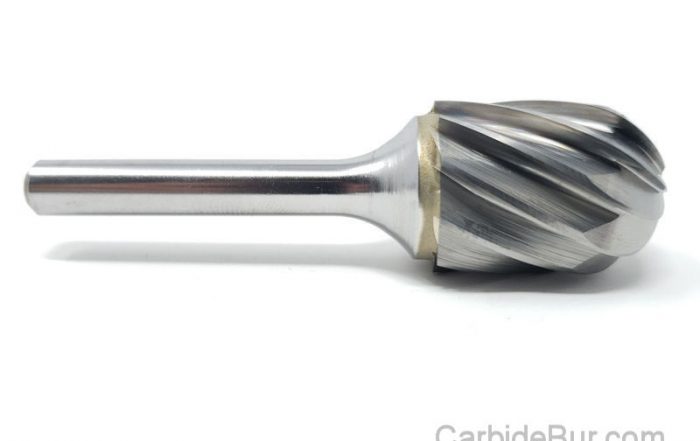
Best Carbide Burr for Concave Surfaces
Best Carbide Burr for Concave Surfaces Concave surfaces can turn a straightforward project into a frustrating challenge if you don’t have the right tool. Carbide burrs designed for these tricky curves make all the difference [...]
How to Grind a Slot in Metal With a Carbide Burr
How to Grind a Slot in Metal With a Carbide Burr Grinding a precise slot in metal can feel like a tricky task, especially if you’re unsure which tools to trust. Carbide burr grinding offers [...]
