
Mastering Welding Projects: Choosing the Right Carbide Burrs for Metal Finishing
Welding projects often stall because the right metal finishing tools are missing from your kit. Choosing the wrong carbide burrs slows your work and leaves welds rough or uneven. The best burrs for welders can cut through slag, smooth sharp edges, and prep surfaces with precision. Let’s break down which carbide burrs fit your welding needs and get your projects looking sharp and professional. Check out this guide on selecting the best carbide burrs to make sure you have the right tools at hand.
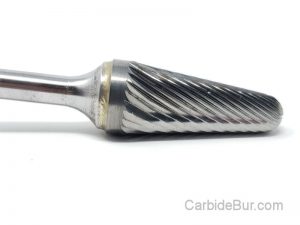
Have you tried using carbide burr tools for your job?
Understanding Carbide Burrs
To enhance your welding projects, it’s essential to grasp the basics of carbide burrs. These tools are pivotal in shaping and smoothing welds. Let’s unveil their types and features.
Types of Carbide Burrs
Selecting the right carbide burr begins with understanding the various types available:
-
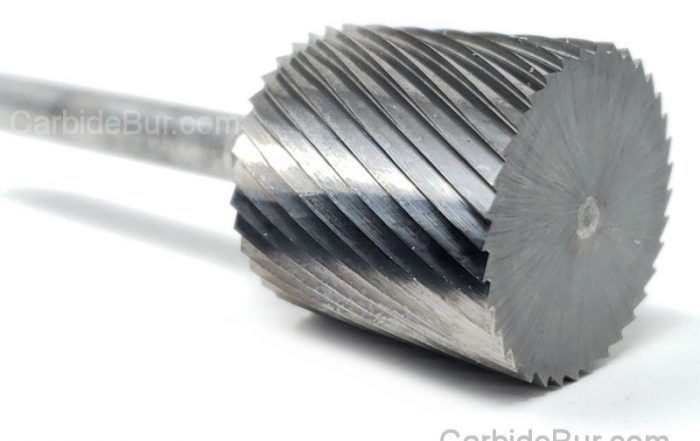
Cylinder Burrs: Great for flat areas and surfaces, perfect for cleaning up welds.
-
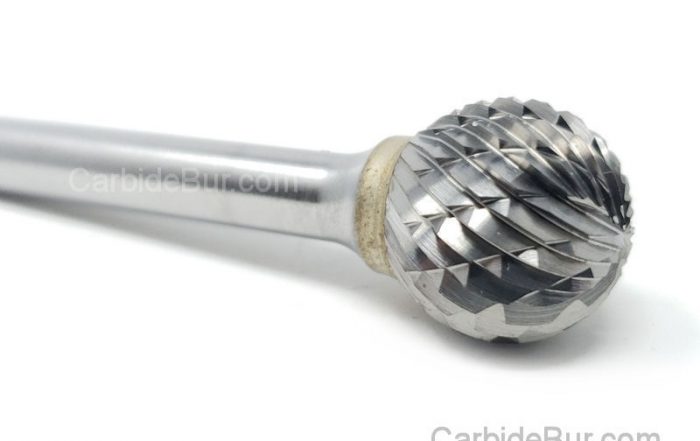
Ball Burrs: Ideal for making concave cuts or hollowing out areas.
-
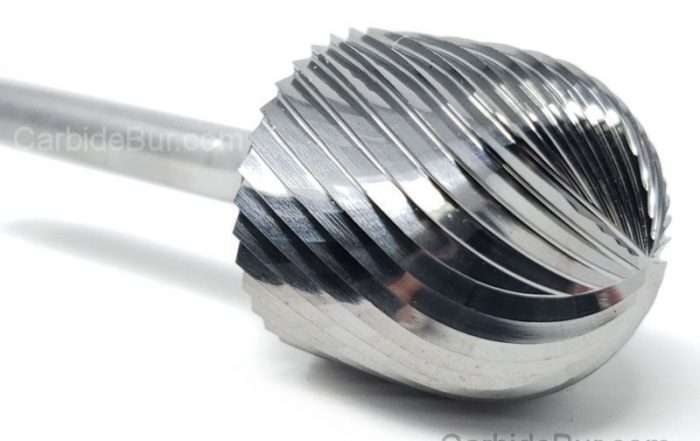
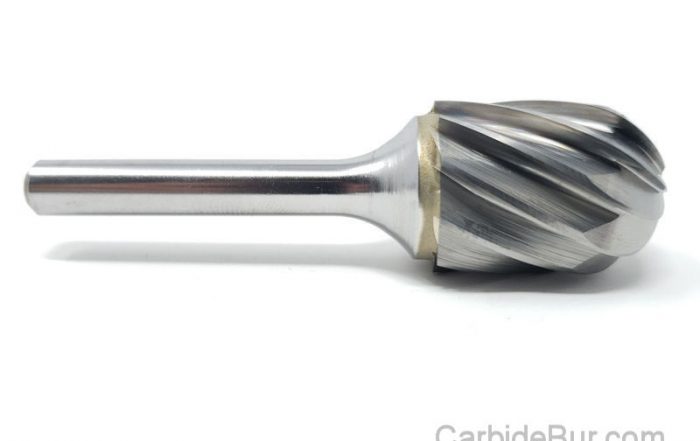
Oval Burrs: These are versatile, offering both concave and convex shapes.
Each type serves a specific purpose. For instance, cylinder burrs excel at flattening surfaces, while ball burrs create intricate patterns and grooves. Choosing the right one ensures precision in your projects.
Key Features to Consider
When picking carbide burrs, some features are crucial to consider:
-
Material: Look for tungsten carbide; it’s durable and cuts faster.
-
Shank Size: Ensure it fits your rotary tool, typically available in 1/4 inch or 1/8 inch.
-
Cut Type: Single-cut for hardened metals, double-cut for smooth finishes on ferrous metals.
These features dictate how well a burr will perform in different scenarios. Tungsten carbide, for instance, is known for its longevity and efficiency.
Benefits for Welders
Carbide burrs offer significant advantages to welders:
-
Precision: Achieve smooth, professional finishes on welds.
-
Speed: Reduce time spent on grinding, enhancing productivity.
-
Versatility: Suitable for a wide range of metals and applications.
These benefits make carbide burrs indispensable in any metalworking toolkit, especially when aiming for perfection in your welds.
Selecting the Best Burrs for Welders
Understanding the types and features of carbide burrs sets the stage for making informed selections. Next, identify the best shapes and sizes tailored for welding.
Top Shapes and Sizes
Choosing the right shape and size is vital for effective metalwork:
-
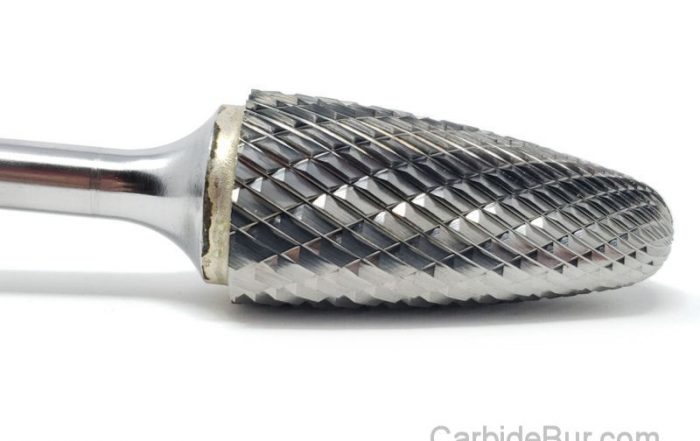
Flame Shape: Perfect for curved surfaces and intricate angles.
-
Tree Shape: Ideal for rounding off edges or tackling tight spots.
-
Sizes: Ranges vary, but common sizes between 1/4 inch to 3/4 inch work well.
Flame-shaped burrs help in precision work on curves, while tree-shaped ones navigate hard-to-reach areas. Picking the right size and shape boosts your efficiency.
Essential Material Compatibility
Selecting the right burr also involves matching it to the material:
-
Steel: Use diamond cut burrs for intricate detailing.
-
Aluminum: Opt for coarse burrs to prevent loading issues.
-
Cast Iron: Single cut burrs work best for smooth finishes.
Understanding material compatibility ensures that your burrs won’t wear out prematurely, saving time and resources in the long run. For more details on selecting burrs for specific metals, check out this comprehensive guide.
Durability and Performance
To ensure longevity and performance, focus on:
-
Quality: Opt for burrs that resist chipping and wear.
-
Heat Resistance: High-quality burrs withstand high temperatures without degrading.
-
Maintenance: Regular cleaning extends the life of your tools.
Durability paired with high performance means fewer replacements and consistent results, allowing you to focus more on crafting quality welds.

Effective Metal Finishing Techniques
Now that you know how to choose the right burrs, it’s time to discuss techniques for effective metal finishing. These methods will refine your welding projects.
Removing Slag Efficiently
Slag removal is crucial for a clean welding finish. Here’s how:
-
Right Burr: Use double-cut burrs for faster slag removal.
-
Technique: Apply steady pressure, moving in a circular motion.
These steps ensure a smooth surface, crucial for the next stages of finishing.
Deburring Sharp Edges
Sharp edges can be tricky. To deburr them effectively:
-
Burr Type: Use a cylindrical burr for straight edges, a ball burr for rounded edges.
-
Process: Light passes reduce the risk of gouging.
A proper deburring technique enhances safety and aesthetics, vital for professional results.
Preparing Surfaces for Finishing
Prepping surfaces is the final step before applying finishes:
-
Clean Surface: Remove all debris and rough spots with a flame burr.
-
Consistency: Ensure even passes for uniformity.
Proper preparation sets the stage for flawless finishes, improving the overall look of your work. For more tips on perfecting your techniques, visit this Reddit discussion.
Optimizing Welding Quality and Efficiency
With techniques at your fingertips, it’s time to focus on optimizing your welding quality and efficiency.
Enhancing Welding Tools Usage
Maximizing tool usage leads to improved results:
-
Correct Speed: Operate at optimal RPMs for your burr type.
-
Tool Maintenance: Regularly sharpen and clean burrs.
Proper tool use extends their life and boosts project quality.
Improving Metal Finishing Results
To improve your metal finishing:
-
Right Technique: Use smooth, consistent strokes.
-
Quality Burrs: Invest in high-quality options for better results.
These practices ensure that your projects not only look great but also stand the test of time.
Achieving Flawless Welding Projects
To achieve perfection in your work:
-
Attention to Detail: Focus on every weld and cut.
-
Continuous Learning: Stay updated on new techniques and tools.
Mastering these elements allows for flawless welds, setting you apart in your field. Watch this YouTube video for more insights on achieving stunning results.
Conclusion and Recommendations
With a solid understanding of carbide burrs and effective techniques, you’re equipped for success. Let’s wrap up with some top recommendations.
Top Picks for Welding Professionals
Consider these burrs for top performance:
-
Tungsten Carbide Burrs: Durable and precise.
-
Diamond Cut: Ideal for detailed work.
These choices ensure quality results every time.
Tips for Maximizing Tool Longevity
Keep your tools in top shape:
-
Regular Cleaning: Extends life and maintains performance.
-
Proper Storage: Prevents damage.
These simple practices enhance tool longevity and efficiency.
Future Trends in Welding Tools
Stay ahead by embracing future trends:
-
Advanced Materials: New alloys improve burr performance.
-
Smart Technology: Innovations in welding tools enhance precision.
Keeping up with trends ensures your skills and tools remain cutting-edge, ready for any project challenge. Join discussions with other welders on this Facebook group to stay informed.
Looking for Carbide Bur Tools?
Check out our entire selection of USA made carbide bur die grinder tool bits
Follow us on Twitter

Return to CarbideBur.com
Carbide Burs – 1/4″ on 1/8″ Shanks – Accessories – Aluminum Cut – Bur Sets – End Mills – Long Shank – Solid Burs
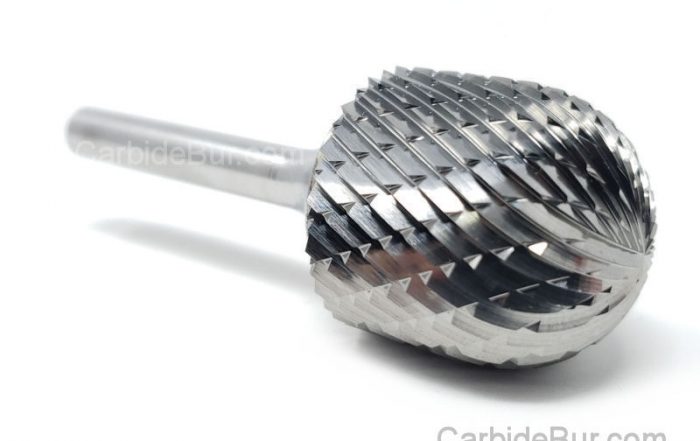
How to Use a Carbide Burr With a Die Grinder
How to Use a Carbide Burr With a Die Grinder Most people treat a carbide burr like just another tool, but using it with a die grinder takes skill. If you’ve struggled with burr installation [...]
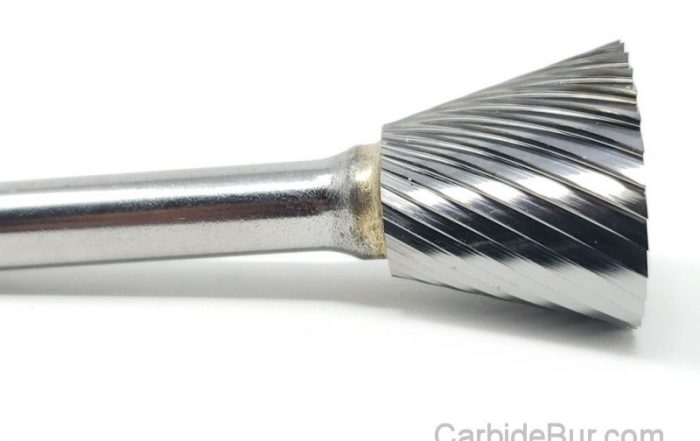
1/8 vs 1/4 Inch Carbide Burrs: What’s the Difference?
1/8 vs 1/4 Inch Carbide Burrs: What's the Difference? Choosing between a 1/8 inch carbide burr and a 1/4 inch carbide burr can change how your project turns out. Many machinists and hobbyists overlook how [...]
Best Carbide Burr for Removing Flash From Castings
Best Carbide Burr for Removing Flash From Castings Removing flash from castings is a task that can slow down your entire metalworking process if you don’t have the right tools. Picking the best carbide burr [...]
What RPM Should You Use for a 1/4 Inch Carbide Burr?
What RPM Should You Use for a 1/4 Inch Carbide Burr? Most machinists guess the right speed for a 1/4 inch carbide burr and hope for the best. Using the wrong carbide burr RPM can [...]
Long Shank Carbide Burrs: When Do You Need One?
Long Shank Carbide Burrs: When Do You Need One? Most machinists overlook the power of long shank carbide burrs until a project demands precision in tight spaces. When your usual tools can’t reach intricate contours, [...]
How Deep Can a Carbide Burr Cut Metal?
How Deep Can a Carbide Burr Cut Metal? Carbide burrs often get praised for their precision, but many users hit a wall wondering how deep they can actually cut metal. The truth is, cutting depth [...]
How to Use Carbide Burrs for Port Matching
How to Use Carbide Burrs for Port Matching Most engine builds hit a wall when airflow doesn’t flow smoothly between the ports and manifolds. If your engine isn’t breathing right, your performance stalls. Using the [...]
Best Carbide Burr for Porting Intake Manifolds
Best Carbide Burr for Porting Intake Manifolds Porting intake manifolds can make or break your engine’s airflow, yet many struggle with the right tools for the job. Choosing the best carbide burrs is key to [...]
Best Carbide Burr for Concave Surfaces
Best Carbide Burr for Concave Surfaces Concave surfaces can turn a straightforward project into a frustrating challenge if you don’t have the right tool. Carbide burrs designed for these tricky curves make all the difference [...]
How to Grind a Slot in Metal With a Carbide Burr
How to Grind a Slot in Metal With a Carbide Burr Grinding a precise slot in metal can feel like a tricky task, especially if you’re unsure which tools to trust. Carbide burr grinding offers [...]

Best Carbide Burr for Inside Corners
Best Carbide Burr for Inside Corners Working in tight inside corners can turn even simple projects into frustrating tasks. Many carbide burrs just don’t fit or cut cleanly where you need them most. The best [...]
What Size Carbide Burr Do I Need?
What Size Carbide Burr Do I Need? Picking the wrong carbide burr can turn a simple project into a frustrating mess. You might have the best machining tools but still miss the mark if your [...]
