
Enhance Your Metalworking Projects: Choosing the Best Carbide Burr for Welds
Welding projects often hit a snag when it comes to removing welds cleanly and quickly. The wrong tool can turn a simple task into a frustrating grind that wastes your time and effort. Knowing which carbide burr suits your specific weld removal needs can make all the difference in your metalworking results and safety. This guide breaks down the best carbide burr shapes and offers practical tips to help you finish with precision and confidence. Learn more about selecting the right carbide burr here.
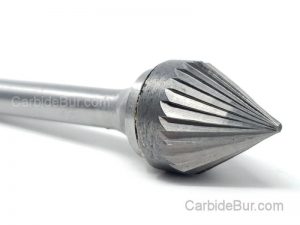
Which carbide bur tool shape do you use most?
Understanding Carbide Burrs
Carbide burrs are essential tools in the metalworking world. They come in various types, each designed for specific tasks. Let’s uncover their key features and benefits.
Types of Carbide Burrs
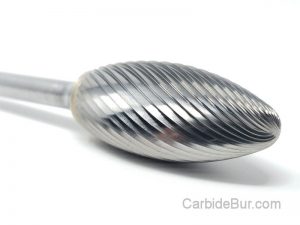
There are many different types of carbide burrs available. Each serves a unique purpose in metalworking. For instance, cylindrical burrs are perfect for flat surfaces, while ball-shaped burrs are ideal for contouring. Your choice depends on the task at hand. Understanding the specific functions of each type will help you choose the right one for your projects.
Key Features and Benefits
Carbide burrs offer numerous advantages for weld removal. Their design ensures they cut through metal effortlessly, saving you time and energy. These tools are known for their durability and can withstand tough conditions without wearing out quickly. In addition, their sharp edges provide precise cuts, enhancing your metalworking accuracy. With carbide burrs, you can achieve professional results every time.
Importance in Metalworking
The role of carbide burrs in metalworking cannot be overstated. They are invaluable for achieving the perfect finish on metal surfaces. These tools help you remove welds cleanly without damaging the surrounding material. By using the right burrs, you’ll ensure that your projects meet high standards of quality and precision. This attention to detail sets your work apart from the rest.
Selecting the Best Burr for Welds
Choosing the right burr for weld removal is crucial. This section will guide you through the different shapes, materials, and performance factors to consider.
Different Burr Shapes and Sizes
Carbide burrs come in a variety of shapes and sizes, each suited to specific tasks. For example, a cone-shaped burr is excellent for reaching tight spaces, while a flame-shaped burr works well for detailed engraving. When selecting a burr, consider the nature of your project and the specific area you need to work on. The right shape and size will make the job easier and more efficient.
Comparing Burr Materials
The material of your burr is just as important as its shape. Tungsten carbide is the most common material due to its strength and heat resistance. Other materials might wear out faster or fail to deliver the same level of precision. When comparing materials, consider the types of metals you work with and the intensity of your projects. Tungsten carbide burrs are a reliable choice for most metalworking needs.
Evaluating Tool Performance
Performance is key when it comes to selecting a burr. High-performance burrs can handle more demanding tasks with ease. Consider burrs that offer high RPM ratings and sharp cutting edges. These features ensure that the tool can cut through metal smoothly and quickly. By evaluating performance, you’ll ensure your projects are completed efficiently without compromising on quality.

Techniques for Effective Weld Removal
Mastering weld removal involves more than just choosing the right tool. Let’s explore some techniques to enhance precision and efficiency.
Proper Burr Application Tips
Applying the burr correctly is vital for effective weld removal. Start by ensuring the burr is securely attached to your rotary tool. Use light pressure and let the burr do the work. Avoid forcing it into the material, as this can cause damage. Practice makes perfect, so take the time to get a feel for how the burr interacts with the metal. Discover more application tips here.
Enhancing Precision and Efficiency
Precision is key in metalworking. To enhance it, maintain a steady hand and use a consistent speed. This consistency prevents uneven cuts and reduces the chance of errors. Efficiency also improves with practice. The more familiar you become with your tools, the quicker you’ll complete tasks without sacrificing quality. Remember, patience leads to precision.
Achieving Clean Finishes
A clean finish is the hallmark of quality metalwork. To achieve this, remove all excess weld material without leaving scratches. Use progressively finer burrs to polish the surface and refine the edges. This approach results in a smooth, professional finish that enhances the overall appearance of your work. Your attention to detail will be evident in the final product.
Safety Tips for Burr Usage
Safety should always be your top priority when using carbide burrs. Let’s dive into essential tips to keep you safe and prolong your tool’s lifespan.
Essential Burr Safety Tips
Using carbide burrs requires attention to safety. Always wear protective gear, including goggles and gloves, to shield yourself from metal shards. Ensure your work area is well-lit and free from distractions. Secure the material you’re working on to prevent it from moving. These precautions help you avoid accidents and ensure a safer working environment.
Avoiding Common Mistakes
Mistakes are common, but they can be avoided with the right approach. One common error is using excessive force, which can damage both the tool and the material. Another is neglecting to clean your burrs after use. This buildup can affect performance. Stay mindful of these mistakes and take steps to prevent them, ensuring smoother operations and better results.
Prolonging Tool Lifespan
Your carbide burrs are an investment, so it’s important to take care of them. Regular cleaning and proper storage prevent rust and wear. Avoid using them on materials they aren’t designed for, as this can cause premature damage. By maintaining your tools, you’ll extend their lifespan and get the most value from your investment.
In conclusion, selecting and using the right carbide burrs can significantly enhance your metalworking projects. Remember, the tools you choose and the techniques you apply make all the difference in achieving high-quality results.
Looking for Carbide Bur Tools?
Check out our entire selection of USA made carbide bur die grinder tool bits
Follow us on Twitter

Return to CarbideBur.com
Carbide Burs – 1/4″ on 1/8″ Shanks – Accessories – Aluminum Cut – Bur Sets – End Mills – Long Shank – Solid Burs
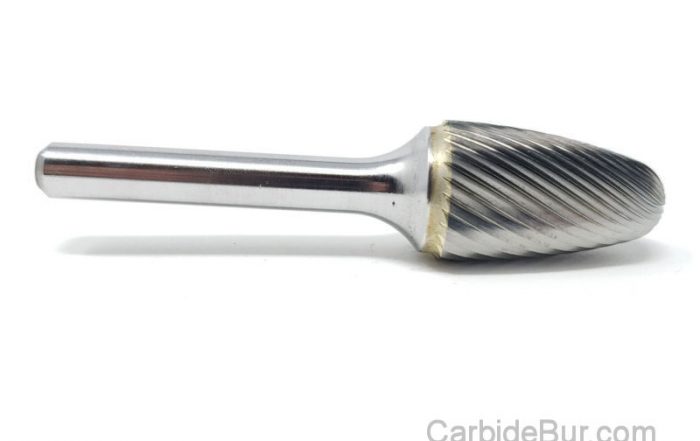
How to Grind a Groove in Metal With a Carbide Burr
How to Grind a Groove in Metal With a Carbide Burr Most metalworkers struggle to cut clean grooves without wasting time or ruining their workpiece. Many try different metalworking tools but end up with uneven [...]
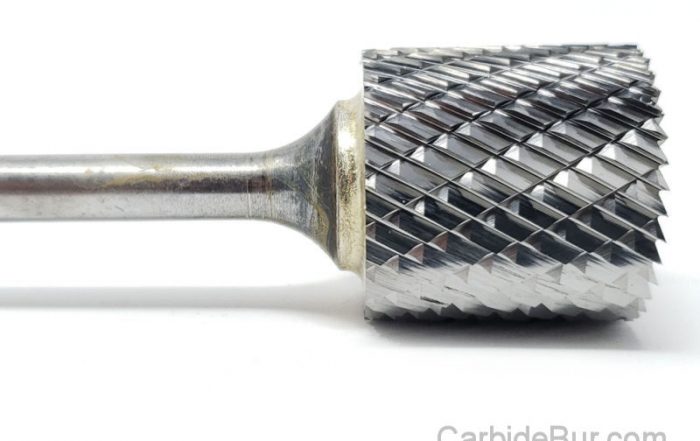
Can Carbide Burrs Cut Through Welds?
Can Carbide Burrs Cut Through Welds? Cutting through welds can feel like a battle, especially when you need clean results without harming the base metal. Carbide burrs offer a sharp edge in this fight, but [...]
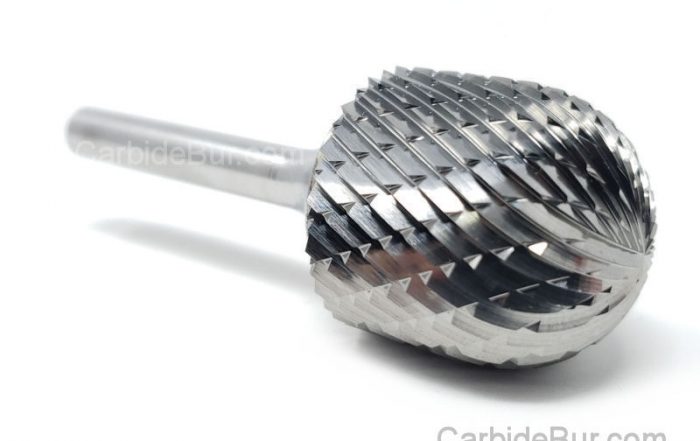
How to Use a Carbide Burr With a Die Grinder
How to Use a Carbide Burr With a Die Grinder Most people treat a carbide burr like just another tool, but using it with a die grinder takes skill. If you’ve struggled with burr installation [...]
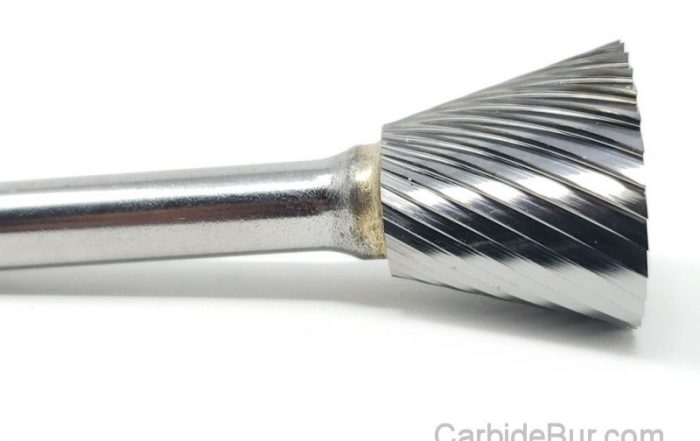
1/8 vs 1/4 Inch Carbide Burrs: What’s the Difference?
1/8 vs 1/4 Inch Carbide Burrs: What's the Difference? Choosing between a 1/8 inch carbide burr and a 1/4 inch carbide burr can change how your project turns out. Many machinists and hobbyists overlook how [...]
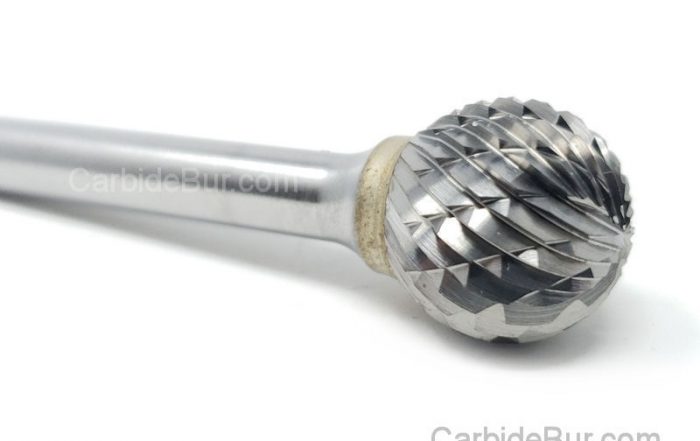
Best Carbide Burr for Removing Flash From Castings
Best Carbide Burr for Removing Flash From Castings Removing flash from castings is a task that can slow down your entire metalworking process if you don’t have the right tools. Picking the best carbide burr [...]
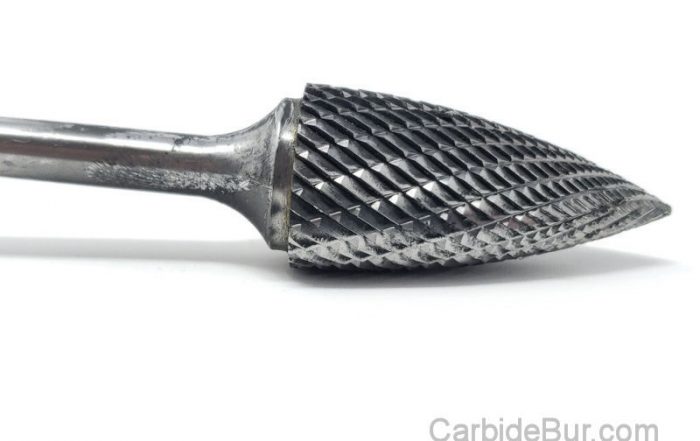
What RPM Should You Use for a 1/4 Inch Carbide Burr?
What RPM Should You Use for a 1/4 Inch Carbide Burr? Most machinists guess the right speed for a 1/4 inch carbide burr and hope for the best. Using the wrong carbide burr RPM can [...]
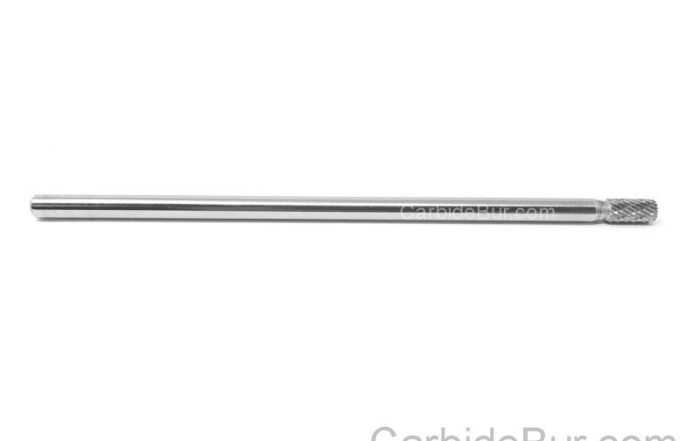
Long Shank Carbide Burrs: When Do You Need One?
Long Shank Carbide Burrs: When Do You Need One? Most machinists overlook the power of long shank carbide burrs until a project demands precision in tight spaces. When your usual tools can’t reach intricate contours, [...]
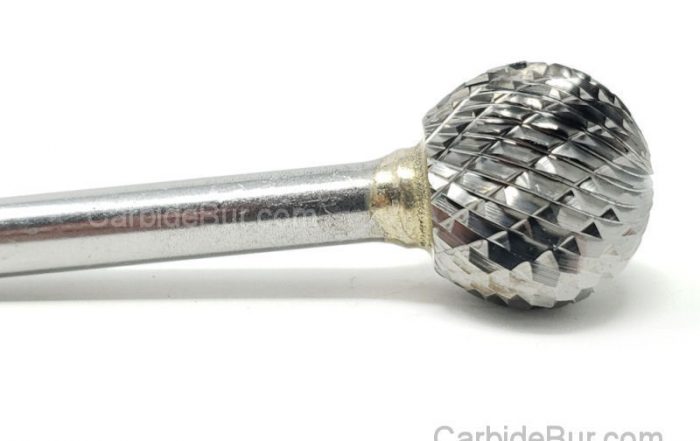
How Deep Can a Carbide Burr Cut Metal?
How Deep Can a Carbide Burr Cut Metal? Carbide burrs often get praised for their precision, but many users hit a wall wondering how deep they can actually cut metal. The truth is, cutting depth [...]
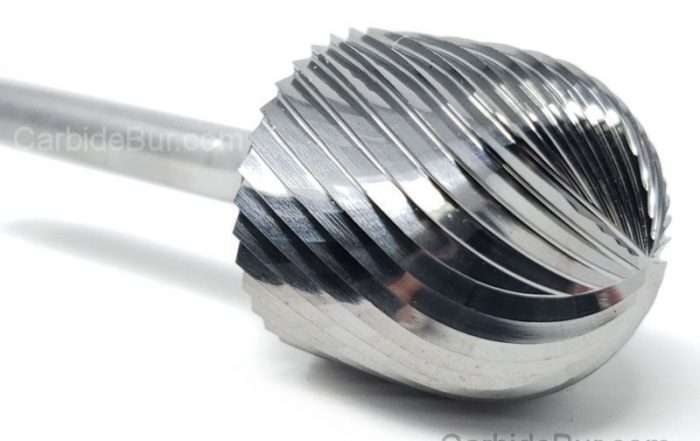
How to Use Carbide Burrs for Port Matching
How to Use Carbide Burrs for Port Matching Most engine builds hit a wall when airflow doesn’t flow smoothly between the ports and manifolds. If your engine isn’t breathing right, your performance stalls. Using the [...]
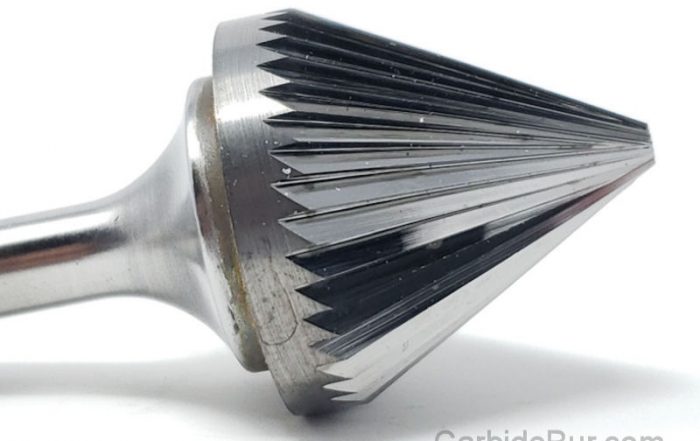
Best Carbide Burr for Porting Intake Manifolds
Best Carbide Burr for Porting Intake Manifolds Porting intake manifolds can make or break your engine’s airflow, yet many struggle with the right tools for the job. Choosing the best carbide burrs is key to [...]
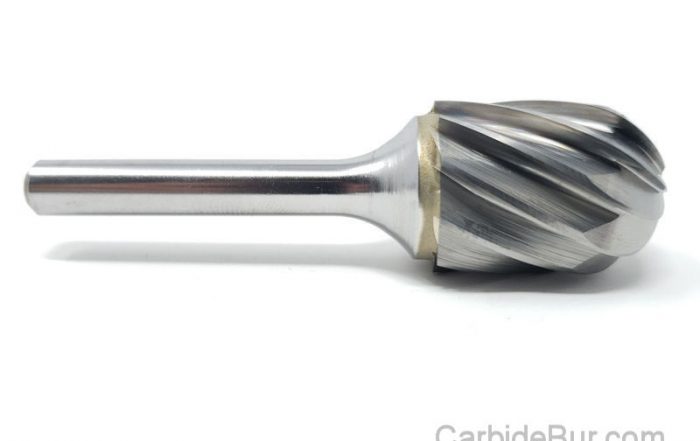
Best Carbide Burr for Concave Surfaces
Best Carbide Burr for Concave Surfaces Concave surfaces can turn a straightforward project into a frustrating challenge if you don’t have the right tool. Carbide burrs designed for these tricky curves make all the difference [...]
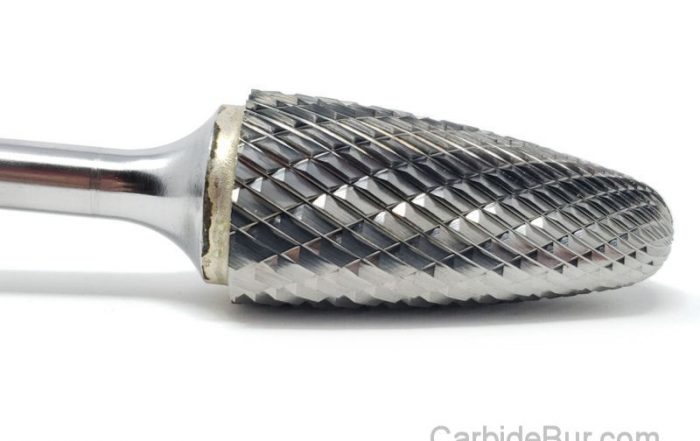
How to Grind a Slot in Metal With a Carbide Burr
How to Grind a Slot in Metal With a Carbide Burr Grinding a precise slot in metal can feel like a tricky task, especially if you’re unsure which tools to trust. Carbide burr grinding offers [...]
