
Mastering Weld Cleanup: A Detailed Comparison of Carbide Burrs and Flap Wheels
You just spent hours grinding welds, only to find uneven finishes and wasted effort. Choosing between a carbide burr and a flap wheel can make or break your weld cleanup process. Let’s break down these metal finishing tools so you know exactly which grinding tool fits your next project. For more insights, check out this resource.
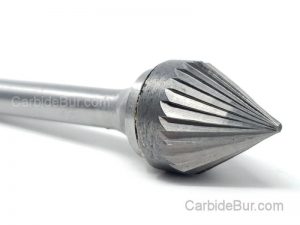
Which carbide bur tool shape do you use most?
Understanding Weld Cleanup
Weld cleanup is a fundamental task that can elevate your projects. Let’s explore the tools that can make this task smoother and more effective.
Importance of Metal Finishing Tools
Metal finishing tools are the backbone of weld cleanup. They transform rough, uneven surfaces into smooth, polished finishes. These tools are not just for appearance, but they also help in prolonging the life of your metalwork by preventing rust and corrosion. When you choose the right tool, you save time and effort while achieving professional results.
Basics of Grinding Tools
Grinding tools come in various shapes and sizes, each serving a unique purpose. From shaping metal to smoothing surfaces, they are essential in any metalworker’s toolkit. Whether you’re using a carbide burr or a flap wheel, understanding their basics can drastically improve your weld cleanup process.
Choosing Welding Accessories
Selecting the right welding accessories involves considering your project requirements. The materials you’re working with, the finish you desire, and the time you can invest all play a role. Assess these factors carefully to make informed decisions that enhance your workflow.
Carbide Burrs Explained
Carbide burrs are a popular choice for many metalworkers. Dive into why these tools are favored in the industry.
What are Carbide Burrs?
Carbide burrs are rotary tools made from tungsten carbide. They’re known for their hardness and durability, which makes them ideal for cutting, shaping, and grinding. These tools are perfect for detailed work where precision is key. Their diverse shapes allow for a variety of applications, making them versatile for different projects.
Applications in Weld Cleanup
In weld cleanup, carbide burrs excel in removing excess welds and smoothing edges. They can handle steel, aluminum, and other metals, making them a go-to for many professionals. The ability to reach tight spaces ensures that no detail is overlooked, providing a thorough finish.
Advantages of Carbide Burrs
Carbide burrs offer unmatched precision and control. Their durability means they last longer, reducing the need for frequent replacements. This longevity, combined with their ability to handle tough materials, makes them a cost-effective choice for many workshops. For more detailed usage, visit this article.
Exploring Flap Wheels
Flap wheels are another essential tool in metal finishing. Discover their unique benefits and applications.

What is a Flap Wheel?
A flap wheel consists of overlapping abrasive sheets attached to a central hub. These wheels are flexible and conform to the shape of the workpiece, making them ideal for finishing curved or irregular surfaces. They provide a consistent finish, which is crucial for achieving professional results.
Uses for Metal Finishing
Flap wheels are perfect for smoothing welds and polishing surfaces. Their flexibility allows them to adjust to the contours of the metal, ensuring even coverage. They’re also great for blending and removing rust, making them versatile for various tasks. For a comparison with other tools, see this resource.
Benefits of Flap Wheels
Flap wheels provide a smooth finish with minimal effort. Their design reduces the risk of gouging, which can occur with harder tools. This makes them user-friendly, even for those new to metalworking. Additionally, they wear evenly, ensuring long-lasting performance. Learn more about their advantages in this comparison.
Comparing Performance
Performance is key when choosing between carbide burrs and flap wheels. Let’s compare their strengths.
Efficiency in Weld Cleanup
Both tools enhance weld cleanup efficiency. Carbide burrs offer speed and precision, making them ideal for small, detailed areas. Flap wheels, on the other hand, cover larger areas quickly with their wide surface. Your choice depends on the specifics of your task.
Durability and Longevity
Durability is crucial for any tool. Carbide burrs are known for their long life due to their robust material. Flap wheels also last long but may wear faster in heavy-duty applications. Consider your project’s demands when selecting a tool.
Cost-effectiveness and Value
Both tools offer value, but in different ways. Carbide burrs are a long-term investment with their durability, while flap wheels provide immediate cost savings. Evaluate your budget and needs to determine which provides the best return on investment.
Making the Right Choice
Choosing the right tool can be challenging. Here’s how to make the best decision for your projects.
Factors to Consider
Consider the material you’ll work with, the finish you desire, and your budget. Carbide burrs are ideal for precision work, while flap wheels are suited for broader tasks. Assess these factors to align your tools with your goals.
Best Practices for Metalworkers
For optimal results, maintain your tools well. Replace them when they show signs of wear to ensure quality finishes. Regular tool maintenance not only prolongs their life but also ensures safety in your workshop.
Recommendations for Professionals
Professionals often have a toolkit that includes both carbide burrs and flap wheels. This allows them to tackle a wide range of tasks efficiently. If you’re serious about metalworking, consider investing in both to enhance your capabilities.
By understanding the strengths and applications of carbide burrs and flap wheels, you can master weld cleanup and produce stunning metalwork. Whether you’re a seasoned professional or a DIY enthusiast, the right tools make all the difference.
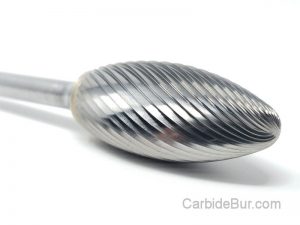
Looking for Carbide Bur Tools?
Check out our entire selection of USA made carbide bur die grinder tool bits
Follow us on Twitter

Return to CarbideBur.com
Carbide Burs – 1/4″ on 1/8″ Shanks – Accessories – Aluminum Cut – Bur Sets – End Mills – Long Shank – Solid Burs
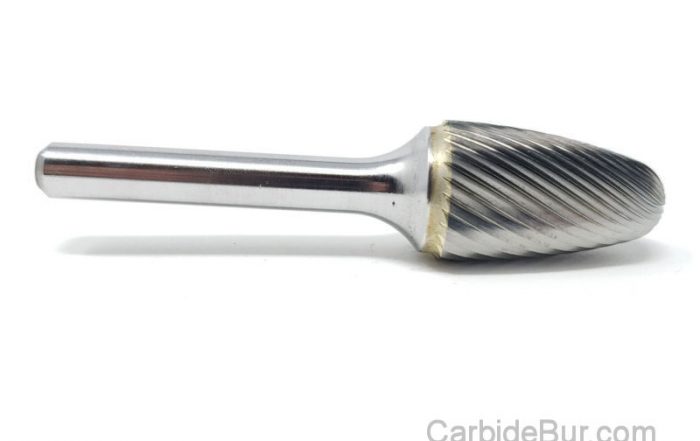
How to Grind a Groove in Metal With a Carbide Burr
How to Grind a Groove in Metal With a Carbide Burr Most metalworkers struggle to cut clean grooves without wasting time or ruining their workpiece. Many try different metalworking tools but end up with uneven [...]
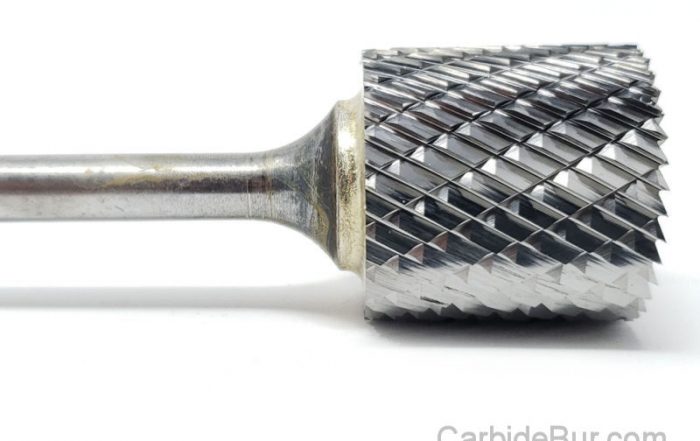
Can Carbide Burrs Cut Through Welds?
Can Carbide Burrs Cut Through Welds? Cutting through welds can feel like a battle, especially when you need clean results without harming the base metal. Carbide burrs offer a sharp edge in this fight, but [...]
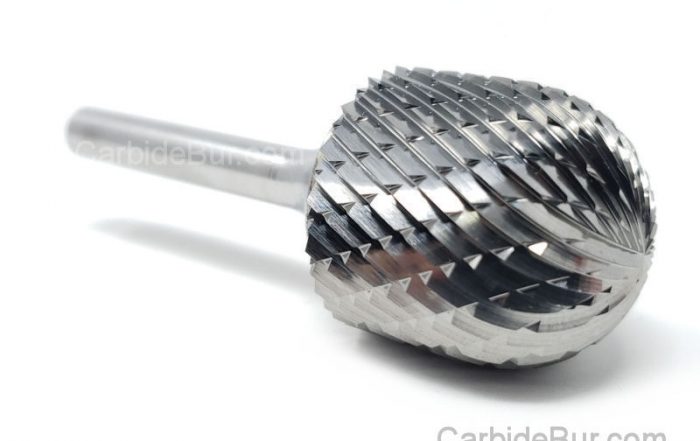
How to Use a Carbide Burr With a Die Grinder
How to Use a Carbide Burr With a Die Grinder Most people treat a carbide burr like just another tool, but using it with a die grinder takes skill. If you’ve struggled with burr installation [...]
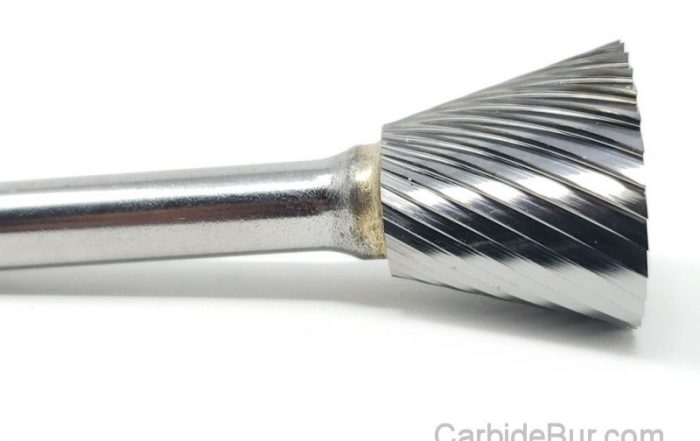
1/8 vs 1/4 Inch Carbide Burrs: What’s the Difference?
1/8 vs 1/4 Inch Carbide Burrs: What's the Difference? Choosing between a 1/8 inch carbide burr and a 1/4 inch carbide burr can change how your project turns out. Many machinists and hobbyists overlook how [...]
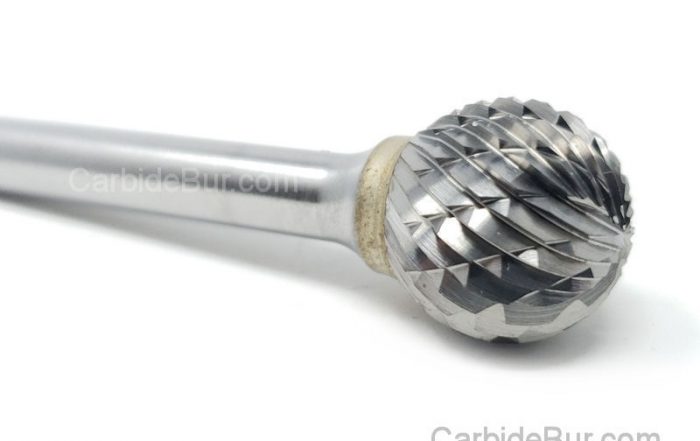
Best Carbide Burr for Removing Flash From Castings
Best Carbide Burr for Removing Flash From Castings Removing flash from castings is a task that can slow down your entire metalworking process if you don’t have the right tools. Picking the best carbide burr [...]
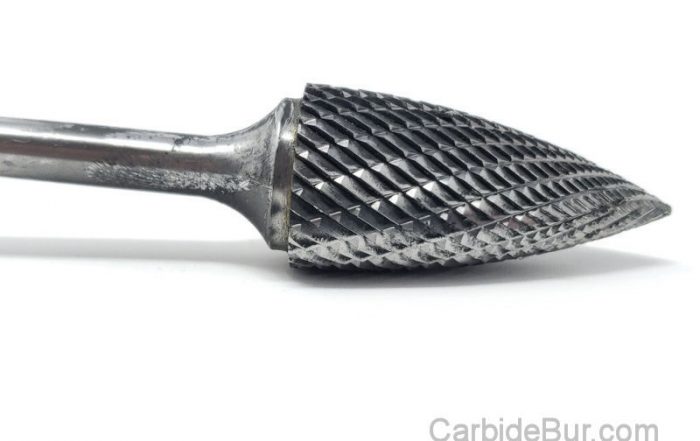
What RPM Should You Use for a 1/4 Inch Carbide Burr?
What RPM Should You Use for a 1/4 Inch Carbide Burr? Most machinists guess the right speed for a 1/4 inch carbide burr and hope for the best. Using the wrong carbide burr RPM can [...]
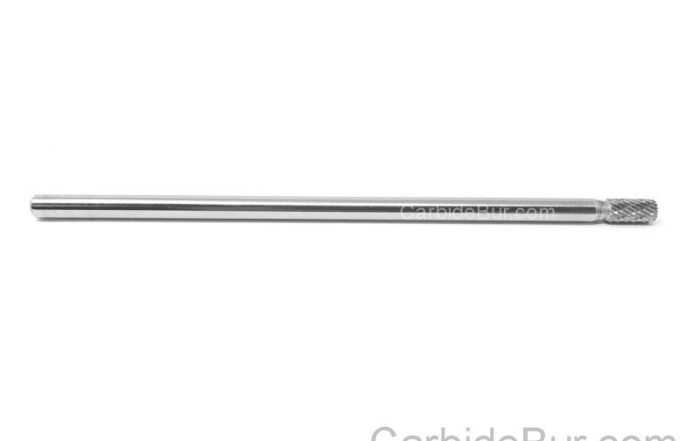
Long Shank Carbide Burrs: When Do You Need One?
Long Shank Carbide Burrs: When Do You Need One? Most machinists overlook the power of long shank carbide burrs until a project demands precision in tight spaces. When your usual tools can’t reach intricate contours, [...]
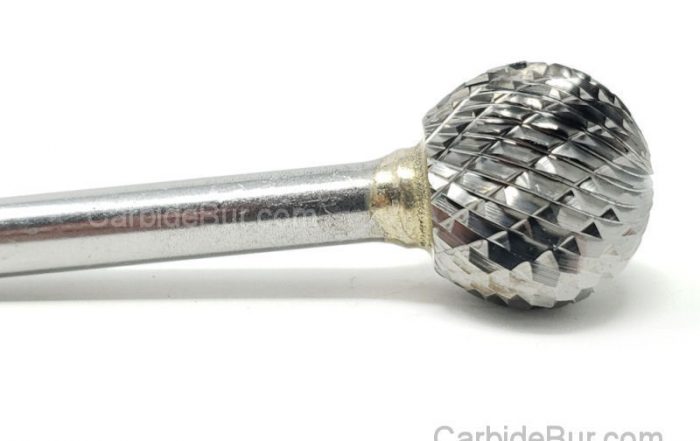
How Deep Can a Carbide Burr Cut Metal?
How Deep Can a Carbide Burr Cut Metal? Carbide burrs often get praised for their precision, but many users hit a wall wondering how deep they can actually cut metal. The truth is, cutting depth [...]
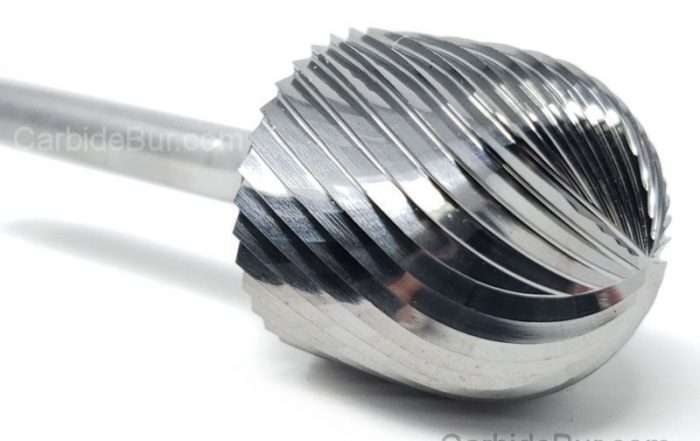
How to Use Carbide Burrs for Port Matching
How to Use Carbide Burrs for Port Matching Most engine builds hit a wall when airflow doesn’t flow smoothly between the ports and manifolds. If your engine isn’t breathing right, your performance stalls. Using the [...]
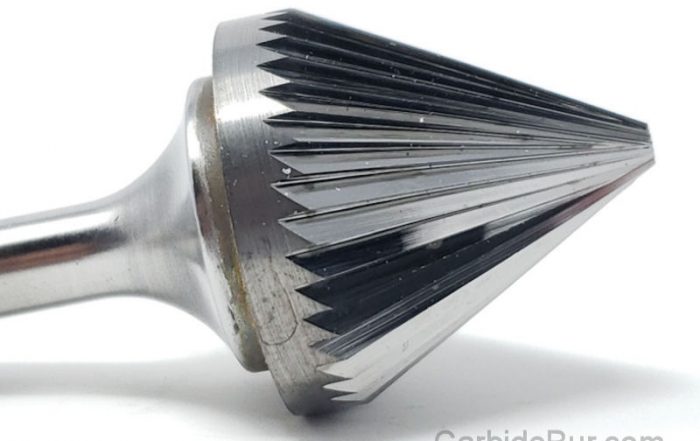
Best Carbide Burr for Porting Intake Manifolds
Best Carbide Burr for Porting Intake Manifolds Porting intake manifolds can make or break your engine’s airflow, yet many struggle with the right tools for the job. Choosing the best carbide burrs is key to [...]
Best Carbide Burr for Concave Surfaces
Best Carbide Burr for Concave Surfaces Concave surfaces can turn a straightforward project into a frustrating challenge if you don’t have the right tool. Carbide burrs designed for these tricky curves make all the difference [...]
How to Grind a Slot in Metal With a Carbide Burr
How to Grind a Slot in Metal With a Carbide Burr Grinding a precise slot in metal can feel like a tricky task, especially if you’re unsure which tools to trust. Carbide burr grinding offers [...]
