
Metalworking Tools 101: When to Use Carbide Burrs Instead of Grinding Stones
Carbide burrs and grinding stones both have their place in your toolbox, but using the wrong one can slow down your project and wear out your tools faster. When it comes to metalworking tools, knowing whether to pick a carbide burr or a grinding stone makes all the difference. This guide breaks down the strengths of each, so you’ll know exactly when to reach for precision cutting versus aggressive material removal. Keep reading to find the best tools for metalworking and woodworking that fit your needs. Learn more here.
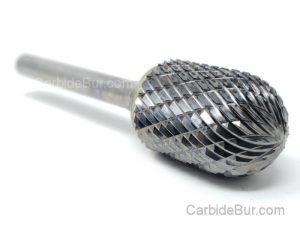
Have you tried our Carbide Burs for your job?
Understanding Metalworking Tools
Choosing the right tool is crucial for effective metalworking and woodworking. It can mean the difference between a smooth project and one fraught with difficulties.
Importance of Choosing the Right Tool
Using the correct tool for your task is like having the right map on a journey. It guides your process, saves time, and ensures quality results. For instance, a carbide burr excels in precision work, while a grinding stone can quickly remove large amounts of material. Knowing which tool to use helps you work smarter, not harder.
Key Differences in Tool Design
Carbide burrs and grinding stones differ significantly in their design and function. Carbide burrs are small, rotary tools used for detailed work. They offer high precision due to their sharp edges. In contrast, grinding stones are larger and used for heavy-duty tasks. Their abrasive surface allows for rapid material removal. Choosing between them depends on your project’s needs.
Applications in Woodworking
In woodworking, both tools serve unique purposes. Carbide burrs are perfect for detail work, carving, and shaping. They provide the accuracy needed for intricate designs. Grinding stones, however, are ideal for smoothing rough edges and preparing surfaces. Understanding these applications ensures you choose the right tool for your woodworking project.
Carbide Burrs: Precision and Versatility
Carbide burrs are known for their versatility and precision. They are an essential tool in both metal and woodworking projects.
Advantages of Carbide Burrs
The primary advantage of carbide burrs is their precision. They can create detailed designs with ease. These tools are also incredibly versatile, able to handle various materials. Whether it’s metal, wood, or plastic, a carbide burr can adapt. Plus, they last longer than many other tools, providing great value.
Best Uses for Precision Cutting
When it comes to precision cutting, carbide burrs are unmatched. They allow you to carve intricate patterns without damaging the material. They are perfect for tasks like engraving, shaping, and deburring. If your project demands fine detail, a carbide burr is your go-to tool.
Material Compatibility Insights
Carbide burrs are compatible with a wide range of materials. They work well on metals like steel and aluminum, as well as on wood and plastics. This compatibility makes them a versatile choice for many projects. Always consider the material you’re working with to ensure the best results.
Grinding Stones: Aggressive Material Removal
Grinding stones are designed for those heavy-duty tasks that require robust material removal.
Strengths of Grinding Stones
Grinding stones are powerful tools for removing large amounts of material quickly. Their abrasive surface is perfect for tasks like smoothing rough edges or preparing surfaces for further work. If you need to remove material fast, a grinding stone is your best bet.
Ideal Tasks for Grinding Stones
These tools shine in tasks where speed and efficiency are critical. They’re great for shaping, smoothing, and even sharpening other tools. When you need to prepare a surface or work through tough materials, reach for a grinding stone.

Handling Different Materials with Ease
Grinding stones are excellent for handling tough materials such as metal and stone. They can also be used on wood, though with caution to avoid over-removal. Knowing how to use them correctly ensures efficiency and prevents damage to your materials.
Tool Longevity and Efficiency
Understanding the lifespan and efficiency of your tools helps in making informed purchasing decisions.
Durability Comparison
When comparing durability, carbide burrs often outlast grinding stones. They are made from more robust materials, allowing them to handle tough tasks without wearing down quickly. This longevity makes carbide burrs a wise investment for frequent users.
Efficiency in Various Applications
Both tools offer efficiency in their respective applications. Carbide burrs provide precision and control, while grinding stones offer speed and power. Your choice will depend on the specific needs of your project. Explore more about tool efficiency.
Cost Considerations for Long-Term Use
Considering the long-term costs is vital. While carbide burrs may have a higher upfront cost, their durability can result in savings over time. Grinding stones, being less expensive initially, might require frequent replacements, adding up in cost. Evaluate your usage to determine the most cost-effective option.
Making the Right Choice
Choosing the right tool involves several factors. Understanding these can lead to better project outcomes.
Factors Influencing Tool Selection
When selecting a tool, consider the material, desired finish, and project scale. The complexity of your task will also guide your choice. A carbide burr is ideal for intricate work, while a grinding stone is best for heavy-duty tasks.
Tips for Optimal Performance
For optimal performance, always match the tool to the task. Keep your tools clean and well-maintained to ensure longevity. Proper technique also plays a crucial role in achieving the best results.
Achieving Best Results in Your Projects
To achieve the best results, carefully assess your project’s needs and choose the appropriate tool. Practice and experience will also improve your outcomes. Remember, the right tool can transform a challenging project into a rewarding experience. Read more tool tips and tricks.
By understanding the strengths and applications of carbide burrs and grinding stones, you can make informed decisions that enhance your projects’ quality and efficiency.
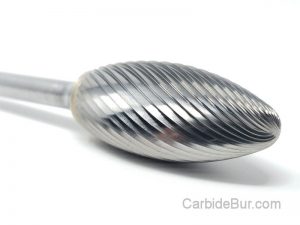
Looking for Carbide Bur Tools?
Check out our entire selection of USA made carbide bur die grinder tool bits
Follow us on Twitter

Return to CarbideBur.com
Carbide Burs – 1/4″ on 1/8″ Shanks – Accessories – Aluminum Cut – Bur Sets – End Mills – Long Shank – Solid Burs
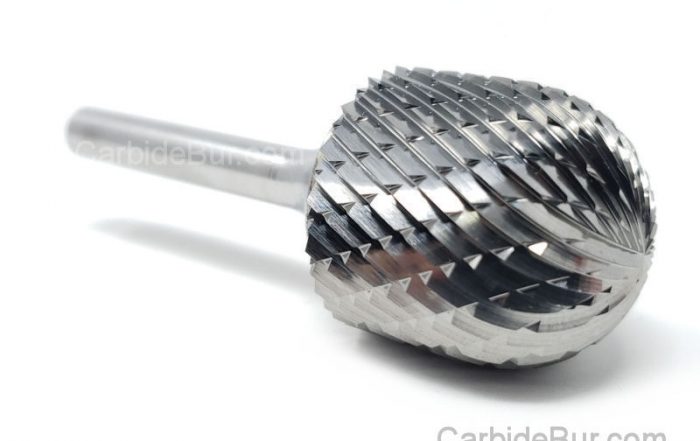
How to Use a Carbide Burr With a Die Grinder
How to Use a Carbide Burr With a Die Grinder Most people treat a carbide burr like just another tool, but using it with a die grinder takes skill. If you’ve struggled with burr installation [...]
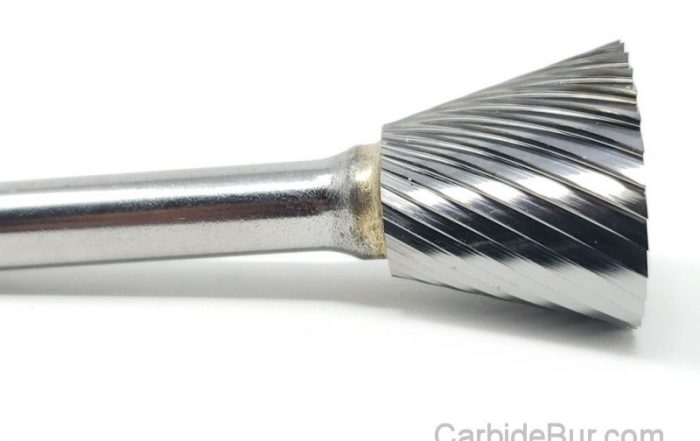
1/8 vs 1/4 Inch Carbide Burrs: What’s the Difference?
1/8 vs 1/4 Inch Carbide Burrs: What's the Difference? Choosing between a 1/8 inch carbide burr and a 1/4 inch carbide burr can change how your project turns out. Many machinists and hobbyists overlook how [...]

Best Carbide Burr for Removing Flash From Castings
Best Carbide Burr for Removing Flash From Castings Removing flash from castings is a task that can slow down your entire metalworking process if you don’t have the right tools. Picking the best carbide burr [...]
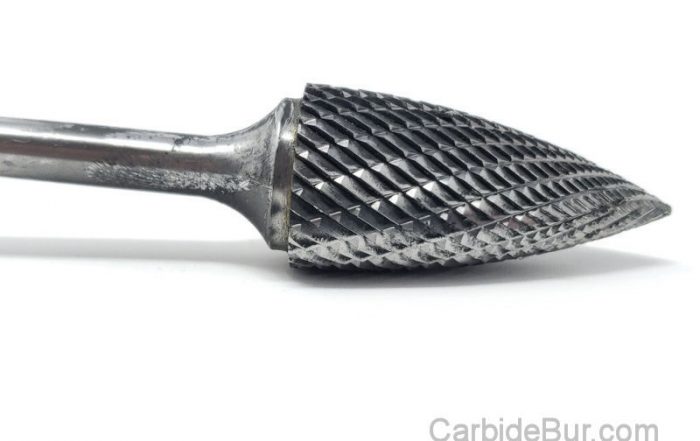
What RPM Should You Use for a 1/4 Inch Carbide Burr?
What RPM Should You Use for a 1/4 Inch Carbide Burr? Most machinists guess the right speed for a 1/4 inch carbide burr and hope for the best. Using the wrong carbide burr RPM can [...]
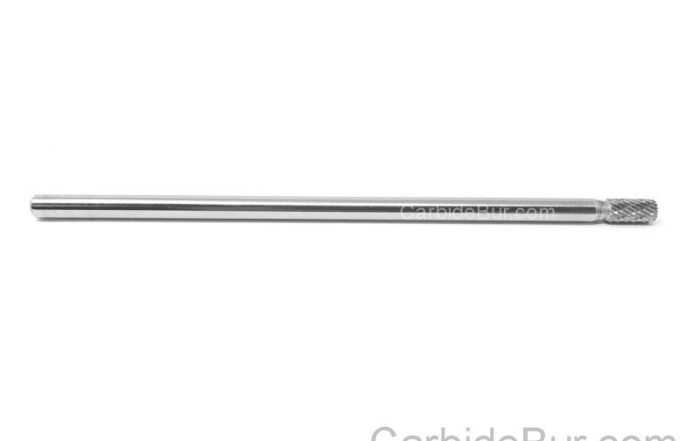
Long Shank Carbide Burrs: When Do You Need One?
Long Shank Carbide Burrs: When Do You Need One? Most machinists overlook the power of long shank carbide burrs until a project demands precision in tight spaces. When your usual tools can’t reach intricate contours, [...]
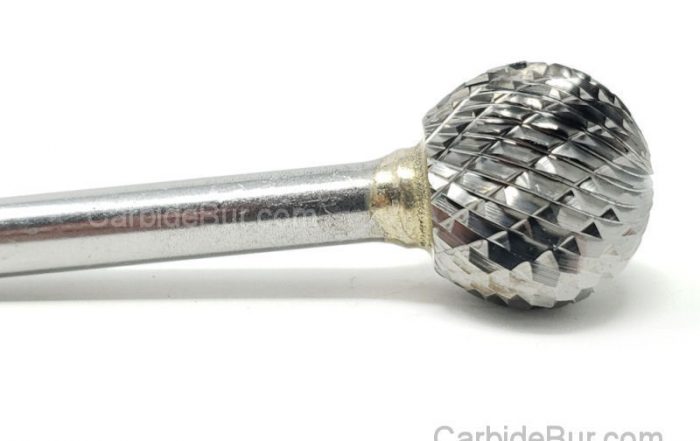
How Deep Can a Carbide Burr Cut Metal?
How Deep Can a Carbide Burr Cut Metal? Carbide burrs often get praised for their precision, but many users hit a wall wondering how deep they can actually cut metal. The truth is, cutting depth [...]
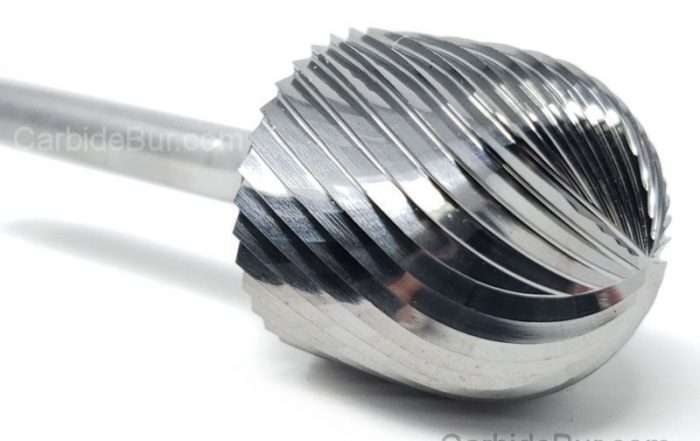
How to Use Carbide Burrs for Port Matching
How to Use Carbide Burrs for Port Matching Most engine builds hit a wall when airflow doesn’t flow smoothly between the ports and manifolds. If your engine isn’t breathing right, your performance stalls. Using the [...]
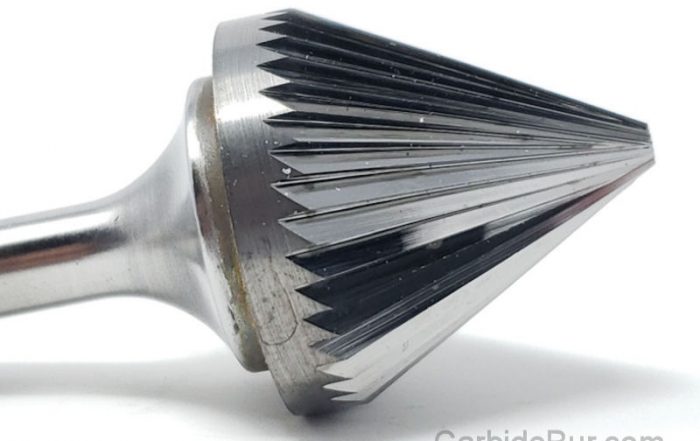
Best Carbide Burr for Porting Intake Manifolds
Best Carbide Burr for Porting Intake Manifolds Porting intake manifolds can make or break your engine’s airflow, yet many struggle with the right tools for the job. Choosing the best carbide burrs is key to [...]
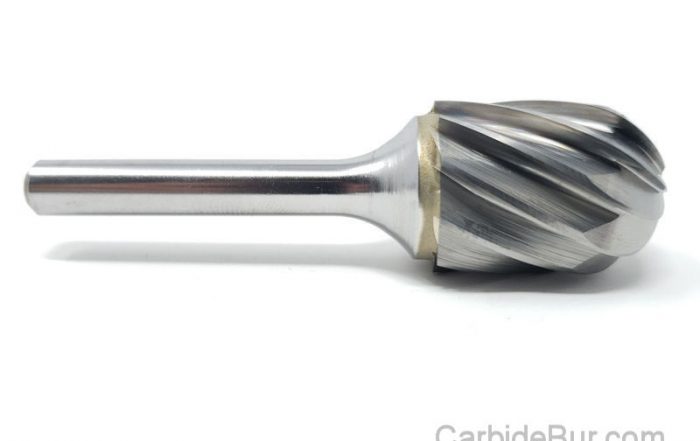
Best Carbide Burr for Concave Surfaces
Best Carbide Burr for Concave Surfaces Concave surfaces can turn a straightforward project into a frustrating challenge if you don’t have the right tool. Carbide burrs designed for these tricky curves make all the difference [...]
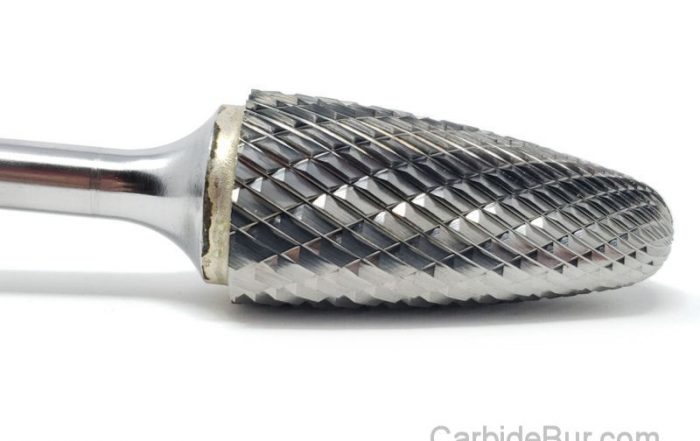
How to Grind a Slot in Metal With a Carbide Burr
How to Grind a Slot in Metal With a Carbide Burr Grinding a precise slot in metal can feel like a tricky task, especially if you’re unsure which tools to trust. Carbide burr grinding offers [...]

Best Carbide Burr for Inside Corners
Best Carbide Burr for Inside Corners Working in tight inside corners can turn even simple projects into frustrating tasks. Many carbide burrs just don’t fit or cut cleanly where you need them most. The best [...]
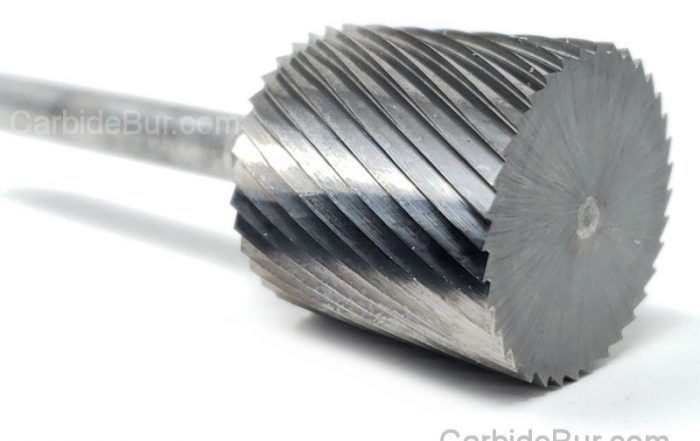
What Size Carbide Burr Do I Need?
What Size Carbide Burr Do I Need? Picking the wrong carbide burr can turn a simple project into a frustrating mess. You might have the best machining tools but still miss the mark if your [...]
