
The Ultimate Carbide Burrs Guide: Double Cut or Single Cut for Your Next Project?
Picking the right carbide burrs can make or break your project’s finish. You’ve likely faced the choice between double cut burrs and single cut burrs without a clear answer. This guide breaks down the burr cutting tools you need for metalworking tools or woodworking tools, helping you settle the burr shape comparison once and for all. Check out this guide to learn more.
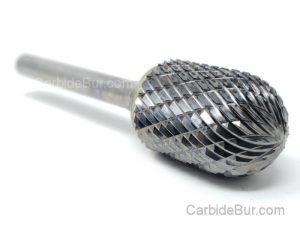
Have you tried our Carbide Burs for your job?
Understanding Carbide Burrs
Navigating the world of carbide burrs can be daunting. To make informed choices, you need to grasp the basics. Let’s start by understanding what these tools are and why they’re essential.
What Are Carbide Burrs?
Carbide burrs are precision cutting tools used for shaping, grinding, and deburring materials. Made from tungsten carbide, they offer high durability and can handle various materials with ease. These tools come in various shapes and sizes, designed to suit different applications. Their primary purpose is to deliver a smooth finish while reducing the effort required in manual processing.
Types of Burr Cutting Tools
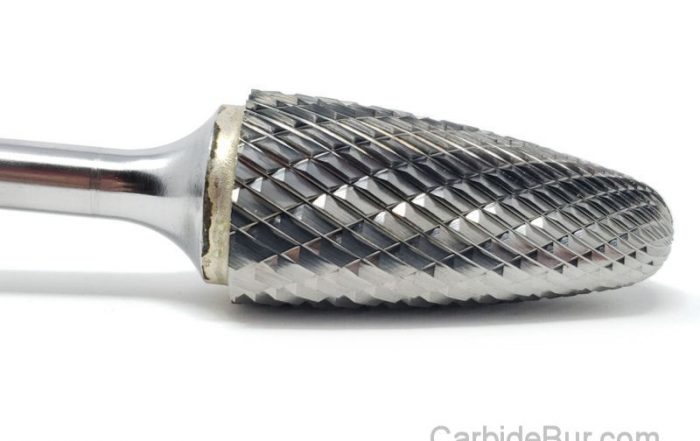
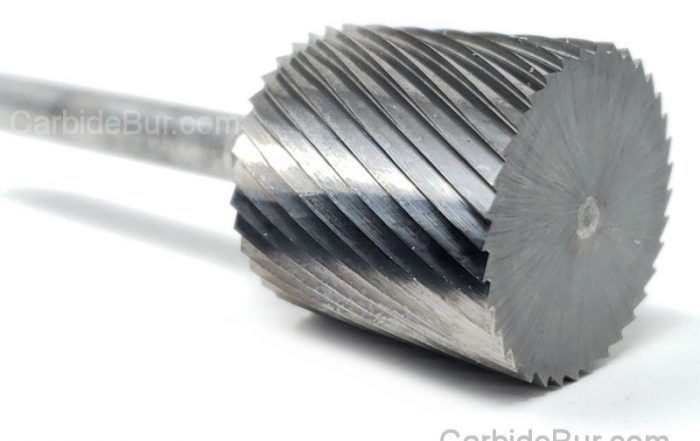
There are two main types of burr cutting tools: double cut and single cut. Double cut burrs have intersecting teeth that provide a finer finish, while single cut burrs have a straight pattern suitable for heavy material removal. Each type offers unique benefits. The choice between them depends on the material you’re working with and the desired outcome.
Importance in Metalworking and Woodworking
In both metalworking and woodworking, carbide burrs are invaluable. They allow you to shape, smooth, and refine your projects with precision. These tools can handle a variety of tasks, from removing rust to creating intricate designs. Without them, achieving professional results would be much more challenging.
Double Cut Burrs: A Closer Look
Now that you know the basics, let’s explore double cut burrs. These tools offer unique advantages that make them a favorite among many professionals.
Advantages of Double Cut Burrs
Double cut burrs are known for their versatility and efficiency. Their design allows for rapid material removal, reducing the time spent on each task. They also provide a smoother finish, which is ideal for projects requiring high precision. The cross-cut pattern minimizes the risk of clogging, ensuring longer tool life.
Ideal Projects for Double Cut Burrs
These burrs excel in tasks requiring delicate detail and a polished finish. They’re perfect for fine-tuning metal surfaces or adding intricate designs to woodwork. Whether you’re removing sharp edges or creating detailed sculptures, double cut burrs are your go-to.
Choosing Double Cut Burrs for Metalworking Tools
When selecting double cut burrs for metalworking tools, consider the material type and desired finish. For soft metals like aluminum, these burrs provide a clean cut without deformation. For harder metals, their dual cutting action ensures quick and precise results. Explore more on choosing the right geometry for your needs.
Single Cut Burrs: Essential Insights
Switching gears, let’s dive into single cut burrs. These tools offer distinct benefits that make them indispensable in many settings.
Benefits of Single Cut Burrs
Single cut burrs are designed for aggressive cutting and material removal. Their straight teeth pattern can easily tackle tough materials, making quick work of heavy-duty tasks. They deliver a rougher finish, which is useful when precision is less of a concern. Their unique design also helps in maintaining control during use.
Best Uses for Single Cut Burrs
These burrs shine in applications requiring significant material removal. They’re ideal for clearing out large sections of metal or shaping hard woods. If you’re working on a project where speed is a priority, single cut burrs won’t disappoint.
Single Cut Burrs in Woodworking Tools
In woodworking, single cut burrs prove valuable for initial shaping and roughing out designs. They can efficiently remove large amounts of wood, setting the stage for finer details. Their robust nature makes them a staple in any woodworker’s toolkit. Discover more about single cut vs double cut in this comprehensive guide.
Burr Shape Comparison
Choosing the right burr shape is just as crucial as selecting the type. Let’s break down the common shapes and their impacts on your projects.

Common Burr Shapes Explained
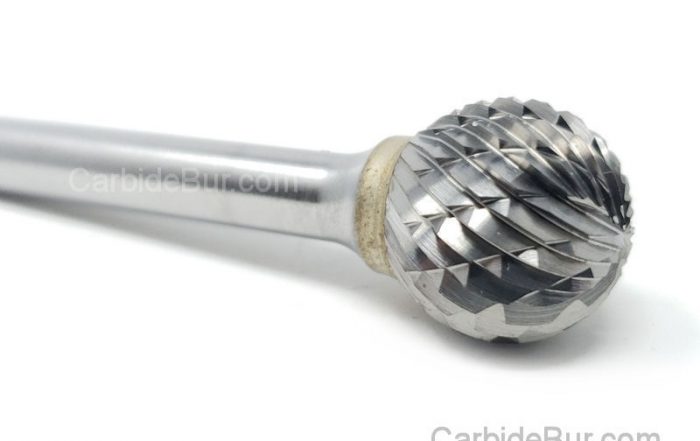
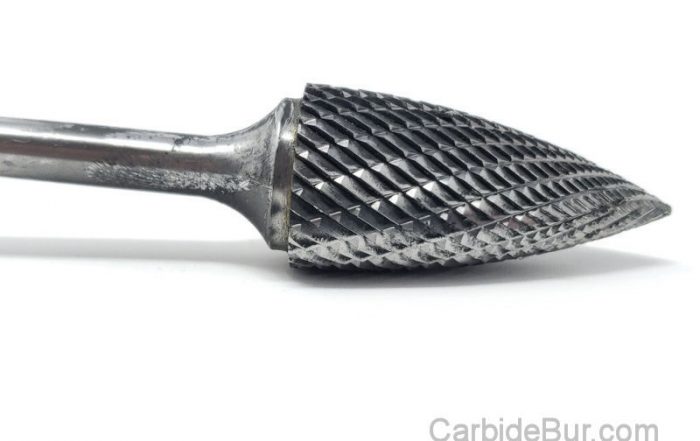
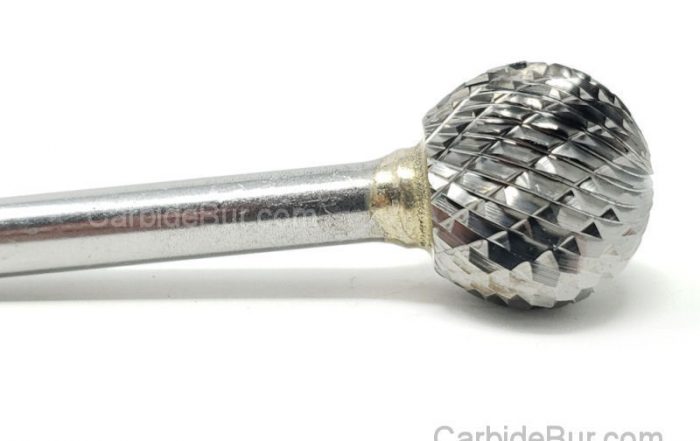
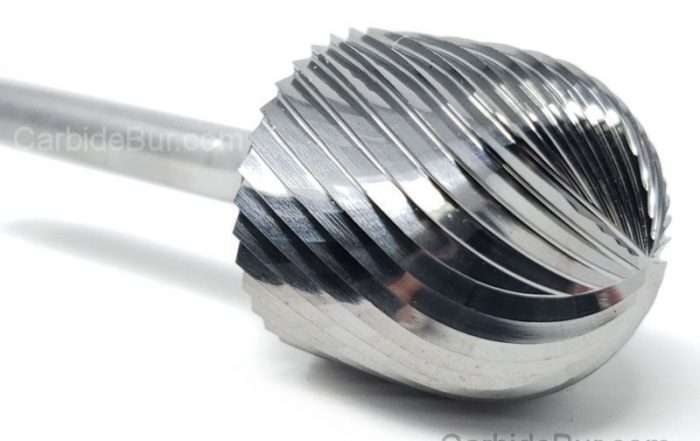
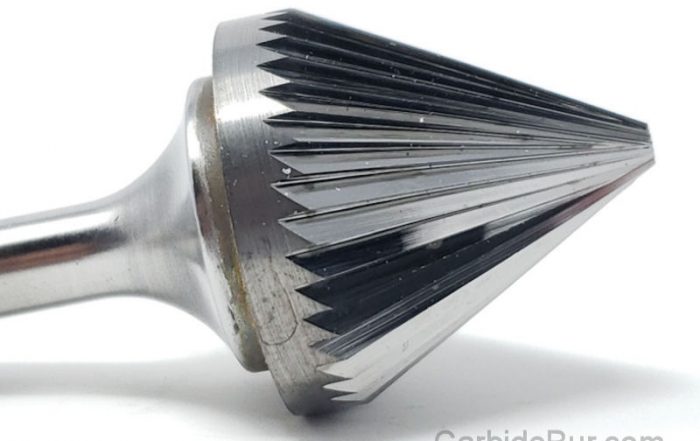
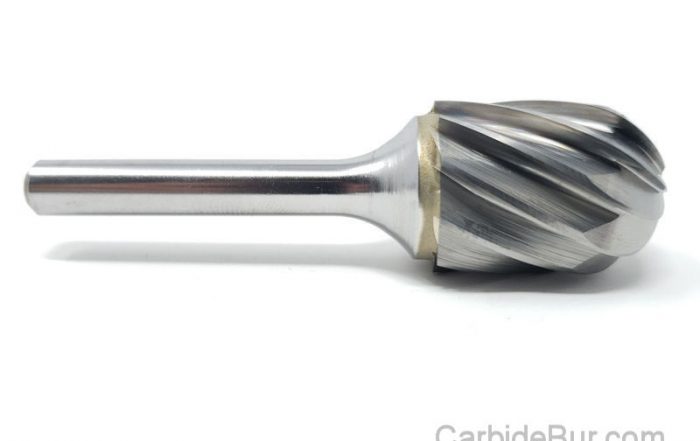
Carbide burrs come in various shapes, each designed for specific tasks. Common shapes include cylindrical, ball-shaped, flame-shaped, and pointed. Cylindrical burrs are perfect for flat surfaces, while ball-shaped burrs work well for intricate grooves. Understanding these shapes can significantly enhance your tool selection process.
Selecting the Right Shape for Your Project
Selecting the right shape depends on your project’s requirements. Consider the surface and the detail level needed. For example, if you’re detailing a small area, a pointed or ball-shaped burr might be your best bet. Remember, the right shape can improve both efficiency and results.
Impact of Shape on Cutting Efficiency
The shape of the burr can greatly impact cutting efficiency. A well-chosen burr shape can reduce the time needed for tasks and improve the final outcome. Cylindrical burrs, for instance, are efficient for long, straight cuts. Flame-shaped burrs allow for more control in curved or detailed areas.
Making Your Decision
With a clearer understanding of burrs, you’re ready to make informed decisions. Let’s explore key factors and tips for choosing the right tool for your needs.
Factors to Consider: Material and Application
Consider the material you’re working with and the application’s specific needs. For soft materials, double cut burrs offer precision. For hard materials, single cut burrs provide the necessary power. Balancing these factors ensures optimal results.
Tips for Choosing Between Double and Single Cut
To decide between double and single cut, evaluate your project’s requirements. If fine detail is crucial, lean towards double cut. If speed and material removal are priorities, single cut is your friend. Test different burrs to see what works best for you.
Investing in Quality Burr Cutting Tools
Investing in quality tools is key to achieving the best results. High-quality burrs last longer and provide better performance. Don’t compromise on quality; choose burrs that meet your project’s demands. For more insights, check out this quality guide.
By understanding carbide burrs and their applications, you empower yourself to tackle any project with confidence. Happy crafting!
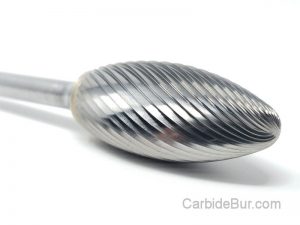
Looking for Carbide Bur Tools?
Check out our entire selection of USA made carbide bur die grinder tool bits
Follow us on Twitter

Return to CarbideBur.com
Carbide Burs – 1/4″ on 1/8″ Shanks – Accessories – Aluminum Cut – Bur Sets – End Mills – Long Shank – Solid Burs
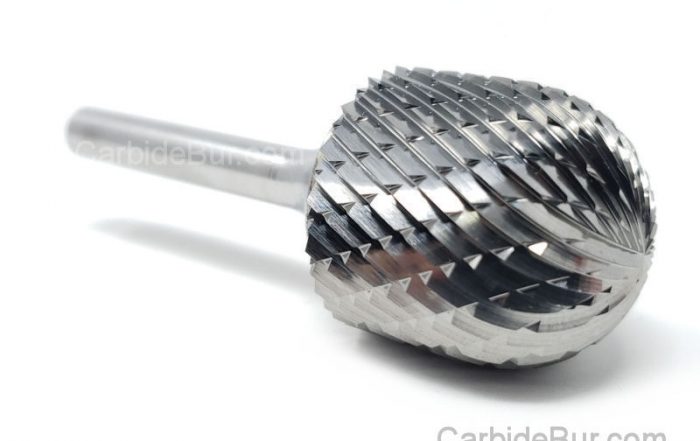
How to Use a Carbide Burr With a Die Grinder
How to Use a Carbide Burr With a Die Grinder Most people treat a carbide burr like just another tool, but using it with a die grinder takes skill. If you’ve struggled with burr installation [...]
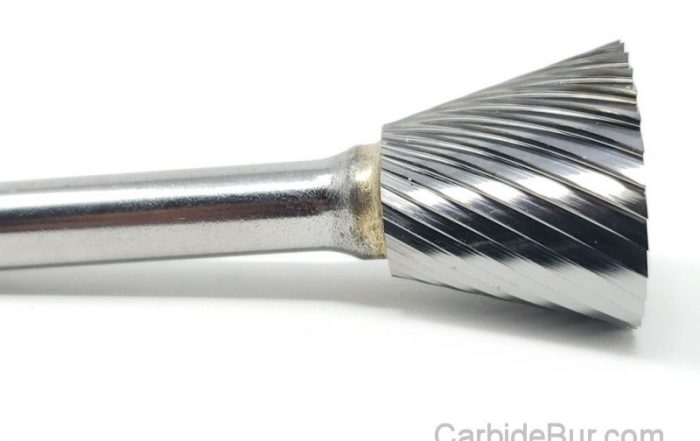
1/8 vs 1/4 Inch Carbide Burrs: What’s the Difference?
1/8 vs 1/4 Inch Carbide Burrs: What's the Difference? Choosing between a 1/8 inch carbide burr and a 1/4 inch carbide burr can change how your project turns out. Many machinists and hobbyists overlook how [...]
Best Carbide Burr for Removing Flash From Castings
Best Carbide Burr for Removing Flash From Castings Removing flash from castings is a task that can slow down your entire metalworking process if you don’t have the right tools. Picking the best carbide burr [...]
What RPM Should You Use for a 1/4 Inch Carbide Burr?
What RPM Should You Use for a 1/4 Inch Carbide Burr? Most machinists guess the right speed for a 1/4 inch carbide burr and hope for the best. Using the wrong carbide burr RPM can [...]
Long Shank Carbide Burrs: When Do You Need One?
Long Shank Carbide Burrs: When Do You Need One? Most machinists overlook the power of long shank carbide burrs until a project demands precision in tight spaces. When your usual tools can’t reach intricate contours, [...]
How Deep Can a Carbide Burr Cut Metal?
How Deep Can a Carbide Burr Cut Metal? Carbide burrs often get praised for their precision, but many users hit a wall wondering how deep they can actually cut metal. The truth is, cutting depth [...]
How to Use Carbide Burrs for Port Matching
How to Use Carbide Burrs for Port Matching Most engine builds hit a wall when airflow doesn’t flow smoothly between the ports and manifolds. If your engine isn’t breathing right, your performance stalls. Using the [...]
Best Carbide Burr for Porting Intake Manifolds
Best Carbide Burr for Porting Intake Manifolds Porting intake manifolds can make or break your engine’s airflow, yet many struggle with the right tools for the job. Choosing the best carbide burrs is key to [...]
Best Carbide Burr for Concave Surfaces
Best Carbide Burr for Concave Surfaces Concave surfaces can turn a straightforward project into a frustrating challenge if you don’t have the right tool. Carbide burrs designed for these tricky curves make all the difference [...]
How to Grind a Slot in Metal With a Carbide Burr
How to Grind a Slot in Metal With a Carbide Burr Grinding a precise slot in metal can feel like a tricky task, especially if you’re unsure which tools to trust. Carbide burr grinding offers [...]

Best Carbide Burr for Inside Corners
Best Carbide Burr for Inside Corners Working in tight inside corners can turn even simple projects into frustrating tasks. Many carbide burrs just don’t fit or cut cleanly where you need them most. The best [...]
What Size Carbide Burr Do I Need?
What Size Carbide Burr Do I Need? Picking the wrong carbide burr can turn a simple project into a frustrating mess. You might have the best machining tools but still miss the mark if your [...]
