
How to Choose the Best Rotary Tool for Your Fabrication Shop
Most fabrication shops waste hours on rotary tools that slow work down and wear out fast. You don’t need another tool that promises everything but delivers little. In this guide, you’ll learn how to choose the best rotary tool tailored for your shop’s needs, with insights on top rotary tools, carbide burrs, and honest rotary tool reviews. For further insights, you might find this reddit discussion helpful.
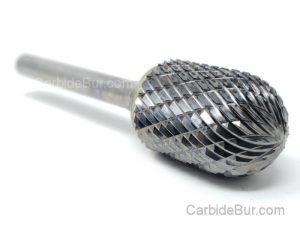
Have you tried our Carbide Burs for your job?
Understanding Rotary Tools
Rotary tools are an essential part of any fabrication shop. They offer versatility that few other tools can match. But what exactly are they and how do they fit into your workflow?
What Are Rotary Tools?
Rotary tools are handheld devices with fast-rotating tips. They are used for cutting, grinding, sanding, and polishing. You’ll find them in almost every shop because they can handle a wide range of tasks. These tools are known for their ability to tackle intricate details with ease. Speed is their key feature: most models offer variable settings to suit different applications.
These tools are not just for professionals. They are perfect for hobbyists and DIY enthusiasts too. Whether you are working with metal, wood, or plastic, a rotary tool can be your go-to solution.
Common Uses in Fabrication Shops
In fabrication shops, rotary tools perform tasks that require precision and accuracy. They are used for cutting through metal sheets, sanding rough edges, and polishing surfaces to a shine. Many shop owners rely on them to shape and finish intricate designs. This makes them indispensable in industries where detail and quality matter.
Let’s consider a common scenario: You need to remove rust from metal parts. A rotary tool lets you do this quickly, saving time and effort. This is why they are favored by many shop owners. The right attachments can expand the tool’s capabilities even further.
Key Features to Consider
Choosing a rotary tool isn’t just about picking the first one you see. Several features can make a difference in your daily tasks. Here’s what you should look for when shopping around.
Power and Speed Variability
The power of a rotary tool determines how efficiently it can perform tasks. Most tools run on electric motors, but you’ll find battery-operated versions too. Variable speed settings are crucial, as different materials require different speeds. For instance, cutting metal demands more power compared to polishing wood.
High-speed settings are great for heavy-duty work, while lower speeds offer more control for detailed projects. Always check the tool’s specifications to ensure it matches your shop’s needs. A tool with a broad speed range gives you more flexibility, allowing you to tackle a wider variety of tasks.
Attachments and Accessories
The versatility of a rotary tool comes from its attachments. Common accessories include cutting wheels, sanding drums, and polishing pads. When choosing a tool, consider the range of attachments available. A tool that supports a wide variety of accessories will serve you better in the long run.
Some brands offer exclusive attachments that enhance their tools’ capabilities. It’s worth exploring these options to get the most out of your tool. Keep an eye on compatibility with third-party accessories as well, as this can save you money over time.
Top Rotary Tools in the Market
Now that you know what to look for, let’s dive into some of the best options available. This section will give you a snapshot of leading rotary tools in the market today.
Comprehensive Rotary Tool Reviews
Choosing the right tool can be daunting, but reviews can guide you. Websites like Reviewed and Outdoor Life provide detailed insights. They rank tools based on performance, durability, and user feedback. These reviews are invaluable for making an informed choice.
One highly rated tool often mentioned is the Dremel 4000. Known for its power and versatility, it’s a favorite among professionals. It offers a range of attachments and accessories, making it a reliable choice for various tasks.

Best Rotary Tool for Heavy-Duty Work
For shops that require heavy-duty performance, it’s important to choose a tool that can withstand rigorous use. The Dremel 4300 is a top contender. It boasts a powerful motor and is built for demanding tasks. Its electronic feedback system maintains consistent speed and torque, ensuring smooth operation even under pressure.
Heavy-duty tools often come with a higher price tag, but they provide value through durability and performance. If your shop handles tough materials regularly, investing in a tool like the Dremel 4300 can be a game-changer.
Materials and Applications
Rotary tools can work with a variety of materials. Understanding their applications can help you use them more effectively in your shop.
Using Carbide Bur for Precision
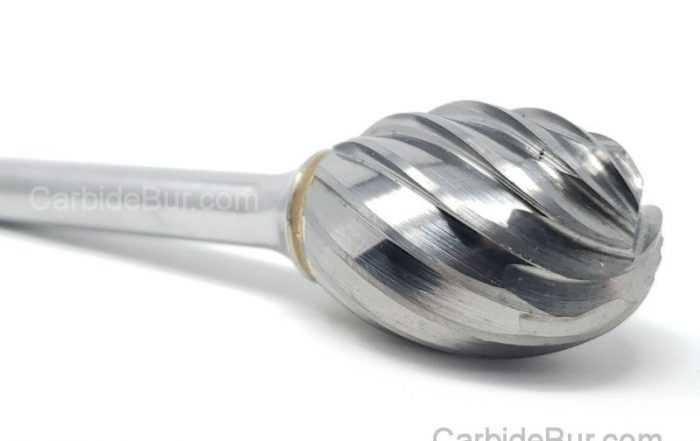
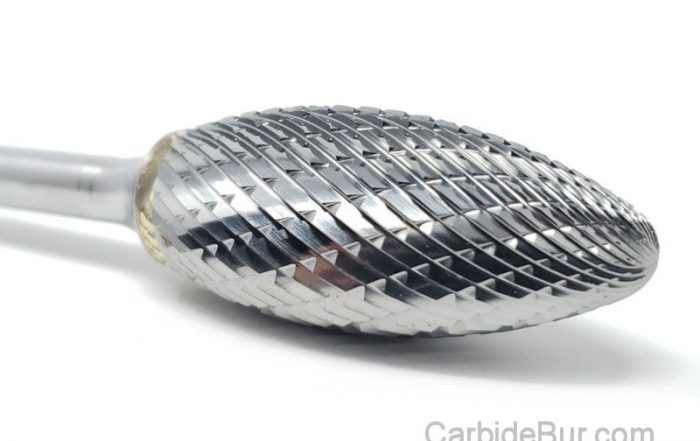
Carbide burrs are essential for precision work. They are used for shaping, grinding, and removing material efficiently. Made of tungsten carbide, these burrs are incredibly durable. They maintain their sharpness longer than other types, making them ideal for metalwork.
Fabrication shops often use carbide burrs for intricate detailing. Their precision is unmatched, allowing for clean cuts and smooth finishes. Whether you’re engraving metal or shaping wood, carbide burrs offer the control you need for precise work.
Best Practices for Carbide Burr Use
To get the most out of your carbide burrs, follow these best practices:
-
Select the right size: Match the burr size to your project’s needs.
-
Use consistent pressure: Apply even pressure to avoid damaging the material.
-
Keep it clean: Remove debris after each use to prolong the burr’s life.
Using these tips can enhance your rotary tool’s performance, ensuring your projects are completed smoothly and efficiently.
Making the Right Choice
With so many options, choosing the right rotary tool can feel overwhelming. Here’s how to narrow down your choices and find the best fit for your shop.
How to Choose Rotary Tool for Your Shop
Start by assessing your shop’s specific needs. Consider the types of materials you work with most often. Do you need a tool for precision or heavy-duty tasks? Your answers will guide your decision.
Think about power and speed requirements as well. A tool with adjustable settings offers more flexibility. If you’re unsure, reviews and expert recommendations can provide direction.
Tips for Comparing Top Rotary Tools
When comparing tools, focus on:
-
Performance: Check power and speed specs.
-
Durability: Read user reviews for insights on longevity.
-
Accessories: Consider the range and compatibility of attachments.
Taking these factors into account will help you make a choice that enhances your shop’s productivity. By evaluating these aspects, you can select a rotary tool that meets your needs and exceeds expectations.
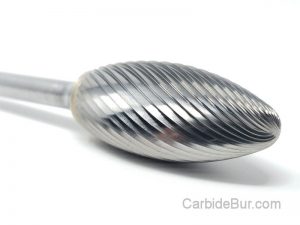
Looking for Carbide Bur Tools?
Check out our entire selection of USA made carbide bur die grinder tool bits
Follow us on Twitter

Return to CarbideBur.com
Carbide Burs – 1/4″ on 1/8″ Shanks – Accessories – Aluminum Cut – Bur Sets – End Mills – Long Shank – Solid Burs
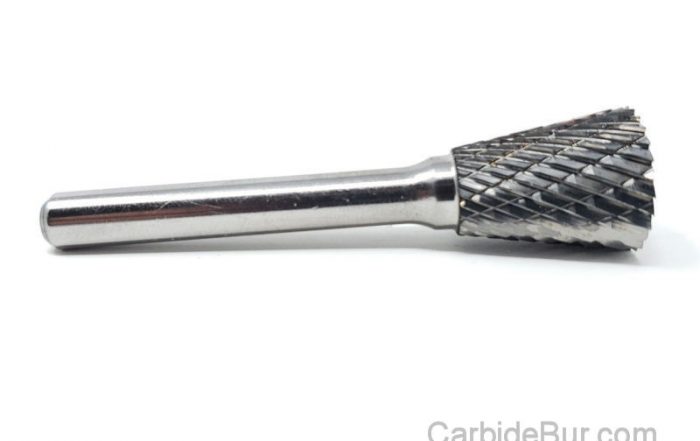
Carbide Burrs for Removing Rust: What Works Best?
Carbide Burrs for Removing Rust: What Works Best? Rust can turn your favorite tools into useless junk faster than you expect. Removing it without ruining the metal underneath takes more than just elbow grease—it demands [...]
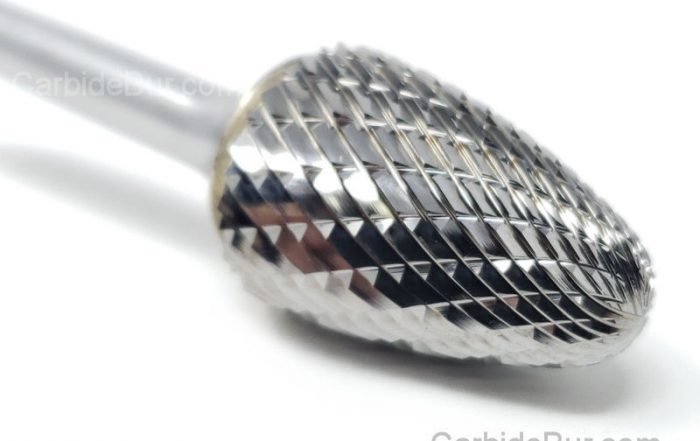
How Much Pressure Should You Use With a Carbide Burr?
How Much Pressure Should You Use With a Carbide Burr? Most people think pressing harder with a carbide burr speeds up the job. That’s not true—too much pressure wears out your tool and ruins the [...]
Can You Use Carbide Burrs With an Air Die Grinder?
Can You Use Carbide Burrs With an Air Die Grinder? Most people don’t realize how well carbide burrs work with air die grinders until they try them. If you’ve ever struggled with finding the right [...]
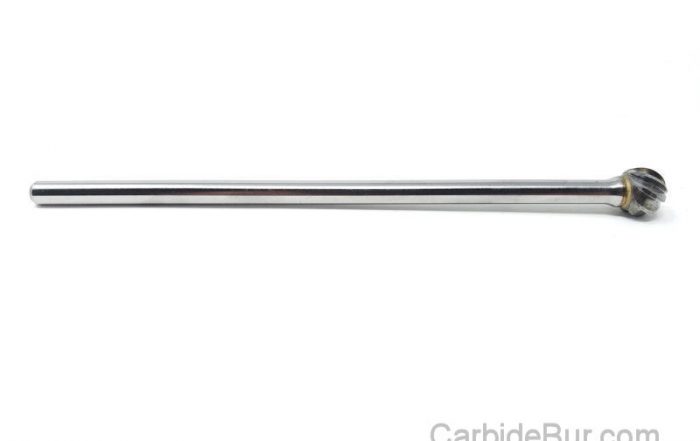
Best Long Reach Carbide Burr for Deep Metal Work
Best Long Reach Carbide Burr for Deep Metal Work Long reach carbide burrs often promise deep metal access, but many fall short where it counts most. You need a tool that cuts cleanly, lasts through [...]
What RPM Should You Use for a 1/8 Inch Carbide Burr?
What RPM Should You Use for a 1/8 Inch Carbide Burr? Most people guess the right carbide burr RPM by feel—and waste hours redoing work. If you want cleaner cuts and longer tool life, your [...]
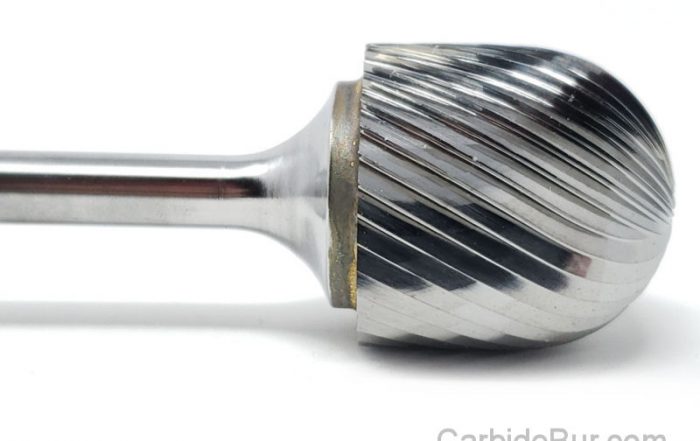
Carbide Burrs for Tight Spaces: Choosing the Right Shape
Carbide Burrs for Tight Spaces: Choosing the Right Shape Tackling tight spaces with the wrong carbide burrs wastes time and risks damaging your work. Choosing the right burr shape makes all the difference when working [...]
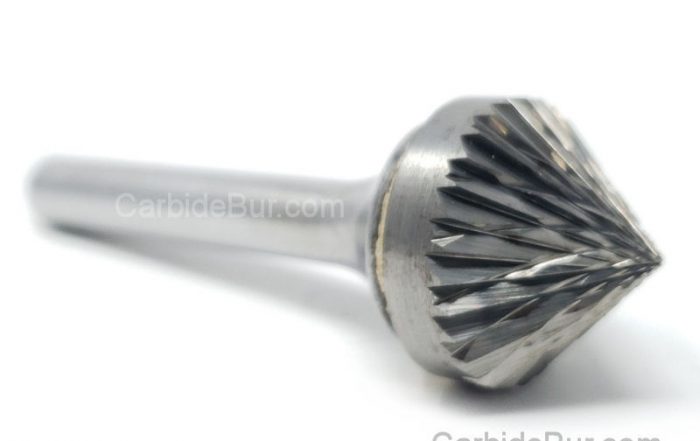
Can Carbide Burrs Remove Paint From Metal?
Can Carbide Burrs Remove Paint From Metal? Stripping paint from metal often feels like a tough chore that risks damaging the surface underneath. Many turn to carbide burrs hoping they can speed things up without [...]
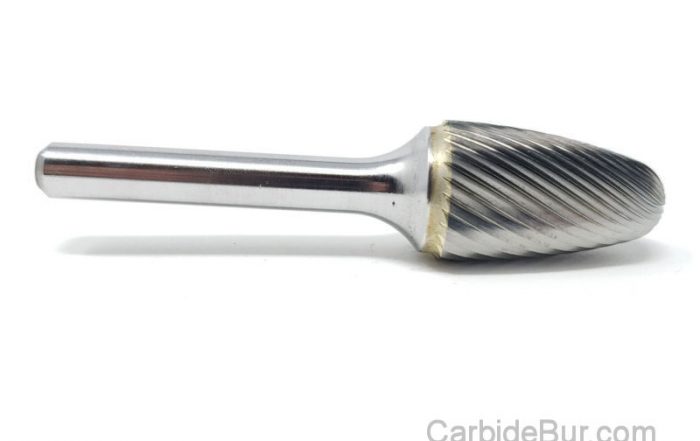
How to Grind a Groove in Metal With a Carbide Burr
How to Grind a Groove in Metal With a Carbide Burr Most metalworkers struggle to cut clean grooves without wasting time or ruining their workpiece. Many try different metalworking tools but end up with uneven [...]
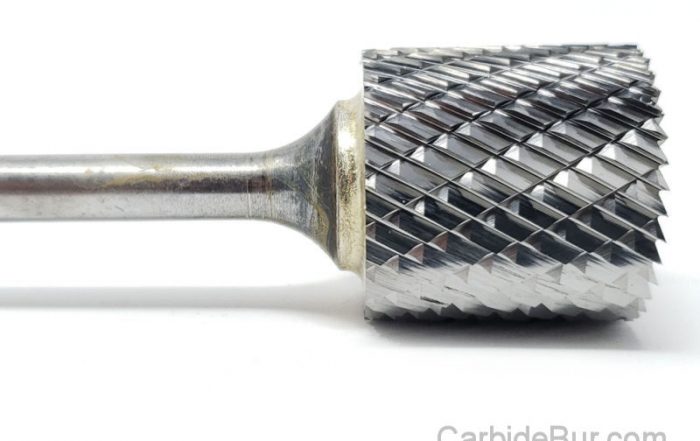
Can Carbide Burrs Cut Through Welds?
Can Carbide Burrs Cut Through Welds? Cutting through welds can feel like a battle, especially when you need clean results without harming the base metal. Carbide burrs offer a sharp edge in this fight, but [...]
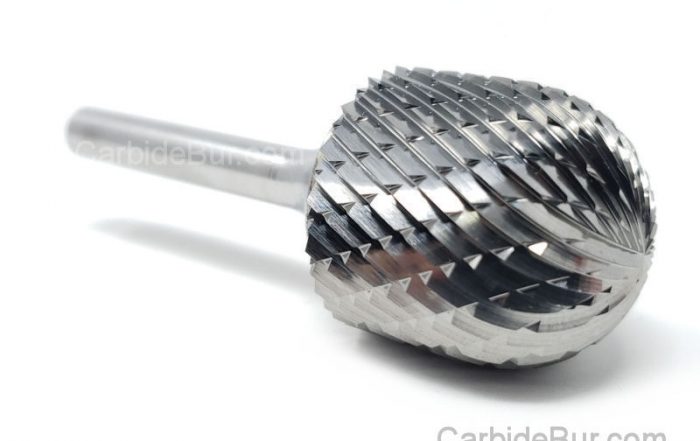
How to Use a Carbide Burr With a Die Grinder
How to Use a Carbide Burr With a Die Grinder Most people treat a carbide burr like just another tool, but using it with a die grinder takes skill. If you’ve struggled with burr installation [...]
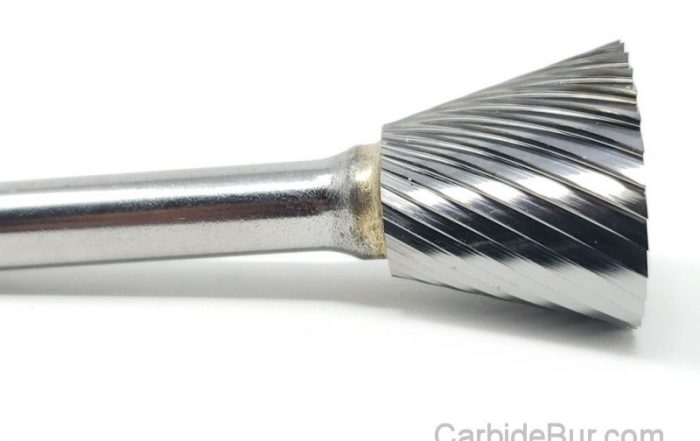
1/8 vs 1/4 Inch Carbide Burrs: What’s the Difference?
1/8 vs 1/4 Inch Carbide Burrs: What's the Difference? Choosing between a 1/8 inch carbide burr and a 1/4 inch carbide burr can change how your project turns out. Many machinists and hobbyists overlook how [...]
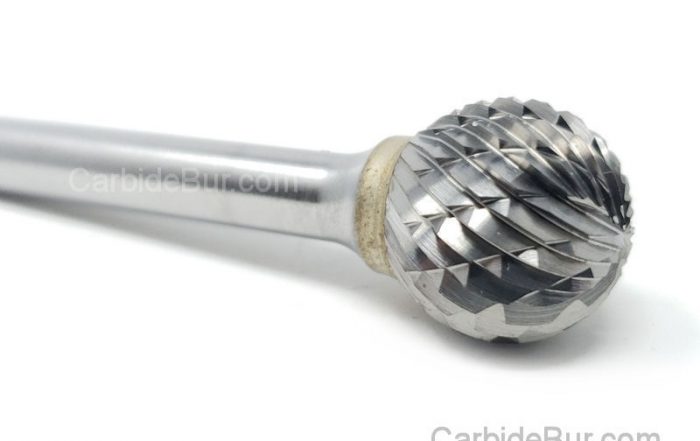
Best Carbide Burr for Removing Flash From Castings
Best Carbide Burr for Removing Flash From Castings Removing flash from castings is a task that can slow down your entire metalworking process if you don’t have the right tools. Picking the best carbide burr [...]
