
Hand Files vs. Power Tools: Choosing the Right Deburring Method
Most metalworkers waste hours sanding rough edges the wrong way. You know the frustration when the finish isn’t smooth and the tool just doesn’t feel right in your hand. This guide breaks down metal deburring techniques, comparing hand files, deburring tools, and power tools so you can pick the best method for your project and nail that clean, smooth finish every time. For more insights, check out this guide on deburring methods.
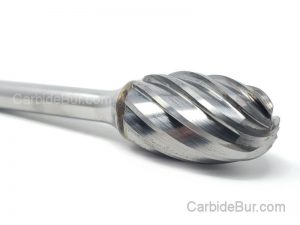
Which carbide bur tool works best for your job?
Understanding Deburring
Metalworking enthusiasts often stumble upon the rough edges of freshly cut metal. This is where deburring comes in, smoothing out those imperfections.
What is Deburring?
Deburring is the process of removing burrs, which are rough edges left on metal after cutting. This is crucial because burrs can cause injury or affect the fit of the pieces. Deburring techniques vary depending on the tools and metal types. For instance, using a carbide burr is common for harder metals, while softer metals might need gentler tools. Learning the right approach can save you time and frustration.
Importance of Metal Deburring Techniques
Why focus on deburring techniques? It’s simple: safety and quality. Proper deburring prevents injuries from sharp edges and ensures your project aligns perfectly. Without it, metal pieces might not fit or function as intended. Most people underestimate the importance, but mastering these techniques can significantly improve your results. Plus, it enhances the longevity of your metal structures, making it a vital skill for any metalworking enthusiast.
Hand Files and Their Uses
Moving from basics to tools, let’s explore hand files. They are often the first choice for many due to their simplicity and control.
Advantages of Using Hand Files
Hand files offer precision and control, making them ideal for detailed work. They’re perfect for small projects where you need to focus on specific areas. Hand files come in various shapes, like flat, round, and half-round, each serving a different purpose. The main advantage is the tactile feedback you get, allowing you to feel and adjust as you work. This tactile connection makes hand files a favorite among traditionalists who appreciate the craftsmanship involved.
Best Practices for Hand Filing
To get the best results, hold the file with both hands and use smooth, even strokes. Focus on maintaining a consistent angle. It’s vital to clean the file regularly to prevent clogging and ensure efficiency. Remember, less is more: don’t apply too much pressure. Consistent, gentle strokes are key to achieving a flawless smooth finish. For more tips, visit this article on hand filing techniques.
Exploring Deburring Tools
As projects grow in complexity, you might need specialized tools. Deburring tools offer a range of options for different tasks.
Different Types of Deburring Tools
From manual tools to machine-assisted options, the world of deburring tools is vast. Common options include rotary tools, edge deburring tools, and deburring blades. Each tool serves a specific purpose, like removing burrs from holes or flat surfaces. These tools are designed to handle various materials, from soft to hard metals. Choosing the right one can significantly affect your project’s outcome, ensuring both speed and precision.
Selecting the Right Deburring Tool
When selecting a tool, consider the material and complexity of your project. For harder metals, carbide bur tools are effective. In contrast, softer metals may require more gentle options. Always match the tool to the task to avoid damaging your workpiece. Don’t forget to factor in your comfort with the tool. A tool that feels right in your hand will make the process smoother and more enjoyable. For guidance on choosing the right tool, check out this resource.

Power Tools for Deburring
Power tools can be a game-changer for large projects. They offer speed and efficiency that manual tools can’t match.
Benefits of Power Tools
Power tools cut down on time and effort. They’re ideal for large surfaces or repetitive tasks. With various attachments available, you can customize them for different jobs. The primary benefit is speed: what takes hours manually can be done in minutes. This efficiency is especially valuable in professional settings where time is money. Plus, the consistent power ensures a uniform finish, enhancing the overall quality of your work.
Choosing Between Power Tools and Hand Files
Deciding between power tools and hand files depends on your project’s scale and detail. Hand files offer precision, while power tools provide speed. For intricate work, hand files give you control. For larger tasks, power tools are more efficient. The key is to assess your needs: small, detailed work may benefit from hand files, while extensive projects might require the power of machines. This choice can set the tone for your workflow, so choose wisely.
Achieving a Smooth Finish Safely
Safety and quality are paramount in metalworking. Let’s ensure you’re equipped to handle both.
Safety Tips for Metalworking
Safety in metalworking can’t be overstated. Always wear protective gear, like goggles and gloves. Ensure your workspace is organized and free from hazards. Regularly inspect your tools for wear and tear to prevent accidents. Taking these steps not only protects you but also enhances the quality of your work. A safe environment leads to better focus and more precise results.
Mastering the Smooth Finish
Achieving a smooth finish requires patience and practice. Start with the right tools and techniques. Gradually work your way through coarser to finer grits. Remember, consistency is key. Regular practice will refine your skills, enabling you to create high-quality finishes every time. By mastering this art, you’ll stand out in the field of metalworking, producing work that not only looks good but also functions flawlessly.
For more on balancing safety and quality, explore this community discussion.
In conclusion, whether using hand files or power tools, understanding and mastering deburring techniques elevate your craft. Embrace the journey, refine your skills, and achieve the smooth, professional results you desire.
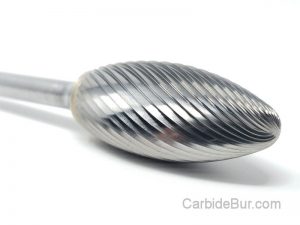
Looking for Carbide Bur Tools?
Check out our entire selection of USA made carbide bur die grinder tool bits
Follow us on Twitter

Return to CarbideBur.com
Carbide Burs – 1/4″ on 1/8″ Shanks – Accessories – Aluminum Cut – Bur Sets – End Mills – Long Shank – Solid Burs
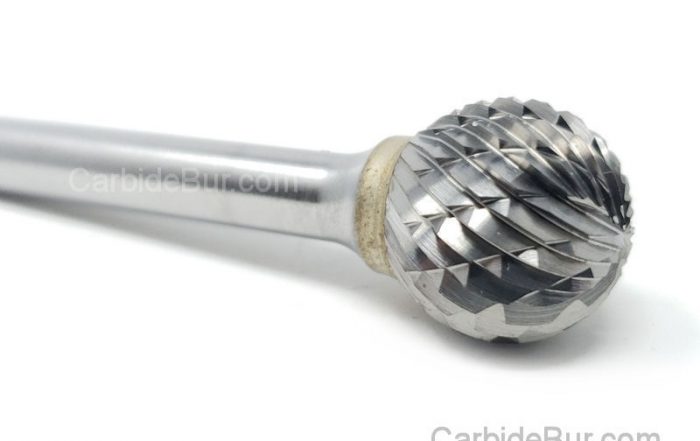
Carbide Burr vs. Grinding Stone: Which Is Better for Metal Removal?
Carbide Burr vs. Grinding Stone: Which Is Better for Metal Removal? When you need to remove metal, smooth a rough edge, or shape a metal component, two common options are carbide burrs and grinding stones. [...]
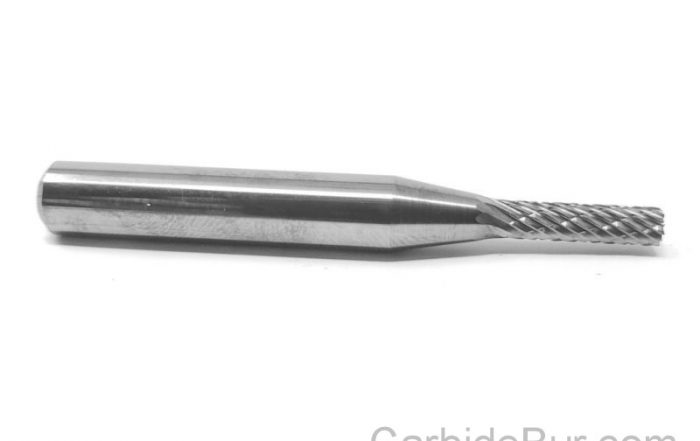
Carbide Burr Safety: RPM, Eye Protection, and Common Mistakes
Carbide Burr Safety: RPM, Eye Protection, and Common Mistakes Carbide burrs are versatile cutting tools used for metal fabrication, welding cleanup, engine porting, deburring, and general material removal. When used correctly, they can help remove [...]
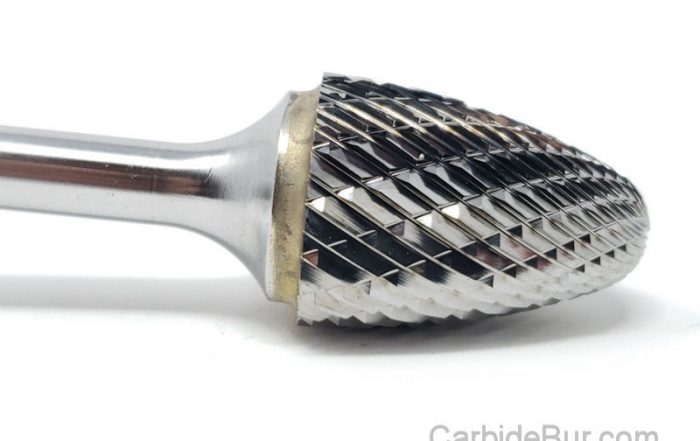
How to Stop Aluminum from Clogging Your Carbide Burr
How to Stop Aluminum from Clogging Your Carbide Burr Aluminum is widely used in automotive work, welding, metal fabrication, aerospace components, and general machining. It is lightweight, relatively easy to machine, and versatile across many [...]
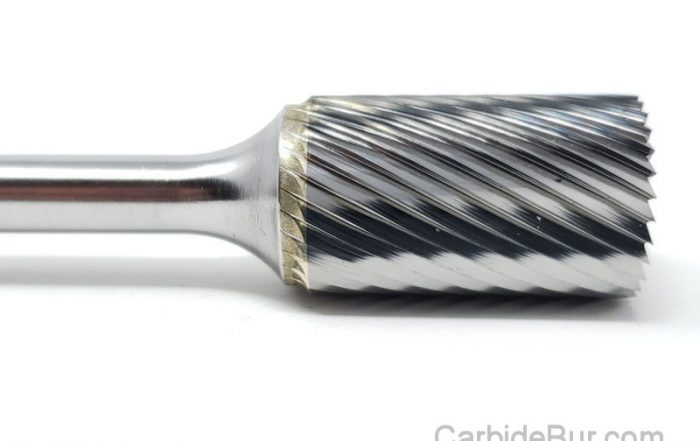
Carbide Burrs for Intake Manifolds: Shaping, Cleanup, and Fitment
Carbide Burrs for Intake Manifolds: Shaping, Cleanup, and Fitment Intake manifold work often involves more than simply bolting a component onto an engine. Depending on the application, metal intake components may have casting irregularities, rough [...]
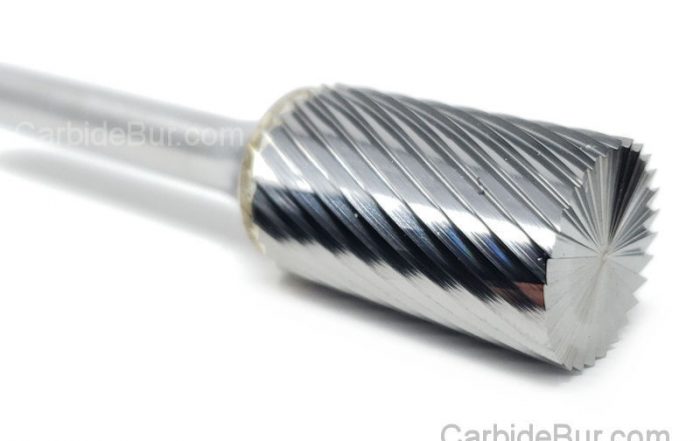
Why Long-Shank Carbide Burrs Are Useful for Hard-to-Reach Areas
Why Long-Shank Carbide Burrs Are Useful for Hard-to-Reach Areas When working on metal parts, the area that needs grinding or shaping is not always easy to reach. Recessed openings, deep cavities, interior surfaces, and complicated [...]
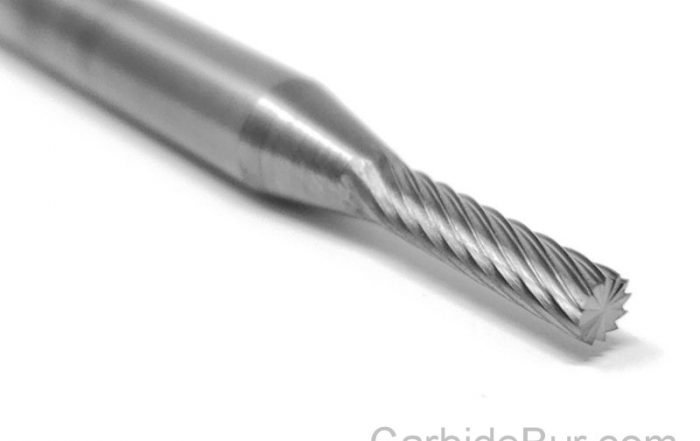
Choosing Carbide Burrs for Stainless Steel Fabrication
Choosing Carbide Burrs for Stainless Steel Fabrication Stainless steel is widely used in fabrication because of its corrosion resistance, strength, and durability. However, those same properties can make it challenging to machine and finish. Removing [...]
Can You Use Carbide Burrs in a Dremel? Shank Sizes Explained
Can You Use Carbide Burrs in a Dremel? Shank Sizes Explained If you use a Dremel or another rotary tool for detail work, metal shaping, or small fabrication projects, you may wonder whether you can [...]
How to Choose the Best Carbide Burr for Welding and Metal Fabrication
How to Choose the Best Carbide Burr for Welding and Metal Fabrication Welding and metal fabrication often require more than joining two pieces of metal together. Once the welding is finished, fabricators frequently need to [...]
Carbide Burrs for Cylinder Heads: What Automotive Enthusiasts Need to Know
Carbide Burrs for Cylinder Heads: What Automotive Enthusiasts Need to Know Cylinder head work is an important part of engine building, restoration, and performance machining. Whether you are cleaning up casting imperfections, refining port surfaces, [...]
Engine Porting 101: How Carbide Burrs Help Shape Cylinder Head Ports
Engine Porting 101: How Carbide Burrs Help Shape Cylinder Head Ports Engine performance enthusiasts, automotive machinists, and engine builders often look for ways to improve airflow through an engine's cylinder heads. One technique used in [...]
When to Use a 4-Inch or 9-Inch Die Grinder Extension
When to Use a 4-Inch or 9-Inch Die Grinder Extension Metal fabrication, welding, automotive repair, and engine building often require working in places where a standard die grinder and carbide burr cannot easily reach. Recessed [...]
Why Buy USA-Made Carbide Burr Tools? What Buyers Should Compare
Why Buy USA-Made Carbide Burr Tools? What Buyers Should Compare When shopping for carbide burr tools, it's tempting to compare products based on price alone. However, professionals who use rotary cutting tools for welding, metal [...]
