
How to Deburr Steel
Sharp metal edges slow down your project and put you at risk of injury. Tackling those rough spots with the right deburring techniques makes all the difference in metal edge finishing. This guide breaks down manual deburring methods and power tools for deburring, so you can smooth steel edges safely and effectively. For more insights, check out this helpful guide.
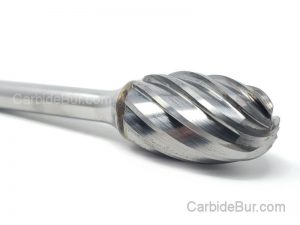
Which carbide bur tool works best for your job?
Understanding Steel Deburring
Steel deburring is a crucial step in metalwork, ensuring both safety and aesthetic finish. Let’s explore the basics and why it matters so much.
What is Deburring?
Deburring is the process of removing sharp edges or burrs from metal parts. These burrs are unwanted extras that arise during cutting, drilling, or welding. You can think of them as tiny metal splinters. They can cause harm if not dealt with, leading to injuries or damage. Whether you’re a DIY enthusiast or a professional, knowing how to properly deburr can save you time and keep you safe. For a comprehensive overview, check out this deburring guide.
Importance of Smooth Metal Edges
Smooth metal edges aren’t just about looks. They are vital for safety and functionality. When metal edges are smooth, there is less risk of cuts and scrapes. This is particularly important in environments where people handle metal frequently. Moreover, smooth edges ensure components fit together seamlessly, reducing wear and tear. This enhances the longevity of metal products, saving you both time and money in the long run.
Common Deburring Challenges
Despite its importance, deburring can present challenges. The first is selecting the right method. With manual and power tools available, it can be hard to know which is best. Another challenge is maintaining precision. Over-deburring can alter dimensions, affecting how well parts fit together. Lastly, safety is a major concern. Without the right precautions, deburring can lead to injuries. Understanding these challenges is the first step toward overcoming them.
Manual Deburring Methods
Manual methods offer a hands-on approach to deburring, perfect for those who prefer precision and control. Let’s delve into some manual techniques.
Using Files and Sandpaper
Files and sandpaper are classic tools for deburring. Files come in various shapes, such as flat or round, allowing you to tackle different edge types. Sandpaper, on the other hand, is versatile and can be used on various metals. When using files, maintain a consistent angle to ensure even edges. For sandpaper, start with a coarse grit to remove large burrs, then switch to a finer one for a smooth finish. This two-step approach ensures clean edges without compromising the metal’s integrity.
Deburring with Hand Tools
Hand tools offer a traditional approach to metal finishing. They include deburring knives and scrapers. These tools are ideal for small jobs or intricate work where precision is key. Using hand tools allows you to have full control over pressure and angle, which is critical for maintaining the part’s dimensions. They are also easy to use and don’t require electricity, making them a perfect choice for quick fixes or small-scale projects.
Pros and Cons of Manual Techniques
Manual deburring techniques come with their own set of advantages and disadvantages. On the plus side, they are cost-effective and require minimal setup. You have greater control over the process, which is ideal for delicate parts. However, manual methods can be time-consuming, especially for larger tasks. They also require physical effort, which can be tiring over time. For those reasons, combining manual methods with power tools might offer a balanced solution.
Power Tools for Deburring
Power tools bring speed and efficiency to deburring tasks, making them indispensable in larger projects. Here’s how they stack up.
Grinders and Their Uses
Grinders are powerful tools that quickly remove burrs from metal. They come in various forms, including bench and angle grinders. These tools use abrasive discs to smooth out edges swiftly. Grinders are best suited for large surfaces and hefty materials. However, they require careful handling to avoid over-grinding. Proper technique involves using light pressure and consistent movement. For more about metal deburring with power tools, refer to this guide.
Rotary Burrs in Action
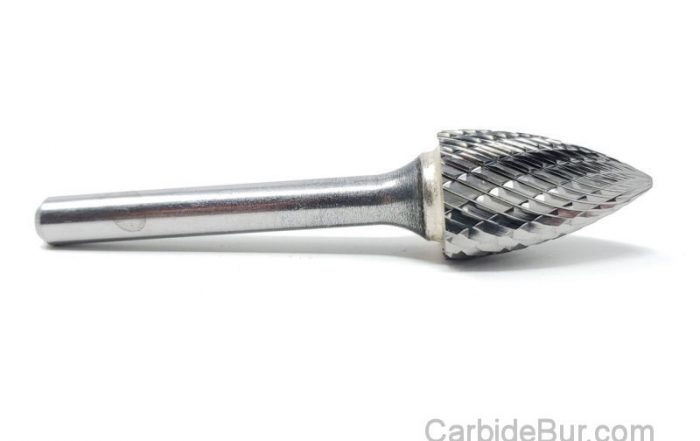
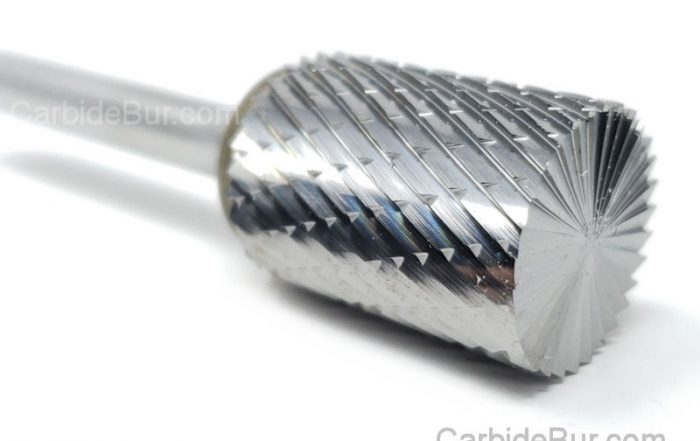
Rotary burrs are small, cylindrical tools that fit into drills. They spin at high speeds, making quick work of burrs in tight spaces. These burrs come in various shapes and sizes, allowing you to customize your approach. They are especially useful for detailed work where precision is necessary. Rotary burrs are also versatile, suitable for different metals, including steel and aluminum. When used correctly, they produce smooth, clean edges without much effort.
Choosing the Right Power Tool
Selecting the right power tool can be daunting. Consider the size and material of your project. For small, intricate tasks, a rotary burr may be ideal. For larger surfaces, a grinder will be more efficient. Think about your skill level too; some tools require more expertise than others. By matching the tool to the task, you ensure a smooth, efficient deburring process.

Safety in Deburring
Safety is critical when working with sharp metal edges and power tools. Following these guidelines will keep you safe and productive.
Essential Safety Gear
Safety gear is a non-negotiable part of deburring. Essential items include gloves, goggles, and ear protection. Gloves protect your hands from sharp edges, while goggles shield your eyes from flying debris. Ear protection is important when using noisy power tools like grinders. Investing in quality safety gear is a small price to pay for your well-being.
Tips for Safe Deburring Practices
Follow these tips to ensure a safe deburring experience:
-
Inspect Tools: Always check your tools before use to ensure they are in good condition.
-
Secure Workpieces: Make sure your metal piece is securely clamped to avoid movement during deburring.
-
Use Proper Technique: Apply steady pressure and maintain a consistent angle to prevent accidents.
-
Take Breaks: Regular breaks help you maintain focus and reduce the risk of injury.
Avoiding Common Hazards
Common hazards in deburring include flying debris, noise, and sharp edges. To avoid these:
-
Keep your workspace clean and organized.
-
Use tools as intended and follow manufacturer guidelines.
-
Stay alert and focused; distractions can lead to accidents.
Achieving Professional Results
With safety covered, it’s time to focus on achieving top-notch results. Follow these strategies for a professional finish.
Strategies for Steel Surface Preparation
Proper preparation is key to successful deburring. Begin by cleaning the metal surface to remove dirt and grease. Use a degreaser or soap and water. Once clean, inspect the edges for burrs. Mark any areas needing attention. This preparation ensures you won’t miss any spots during the deburring process.
Finishing Touches for Metal Edges
After deburring, it’s time for finishing touches. Use a fine-grit sandpaper for a smooth, polished look. You can also apply a protective coating to prevent rust and corrosion. This not only enhances the appearance but also prolongs the life of your metal piece. Small details can make a big difference in the overall result.
Tips for DIY Metalwork Projects
If you’re tackling a DIY project, here are some top tips:
-
Plan Ahead: Outline each step of your project to avoid surprises.
-
Start Small: If you’re new to metalwork, begin with a simple project to build your skills.
-
Seek Advice: Don’t hesitate to ask for help or consult online resources.
By following these guidelines, you’ll be well on your way to mastering steel deburring, creating smooth, safe, and professional metal finishes. Remember, the longer you wait to address those sharp edges, the greater the risk. So, take action today and transform your metalwork projects with confidence.
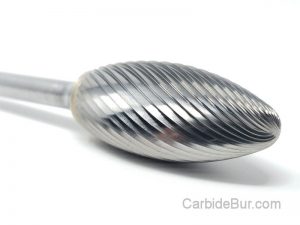
Looking for Carbide Bur Tools?
Check out our entire selection of USA made carbide bur die grinder tool bits
Follow us on Twitter

Return to CarbideBur.com
Carbide Burs – 1/4″ on 1/8″ Shanks – Accessories – Aluminum Cut – Bur Sets – End Mills – Long Shank – Solid Burs
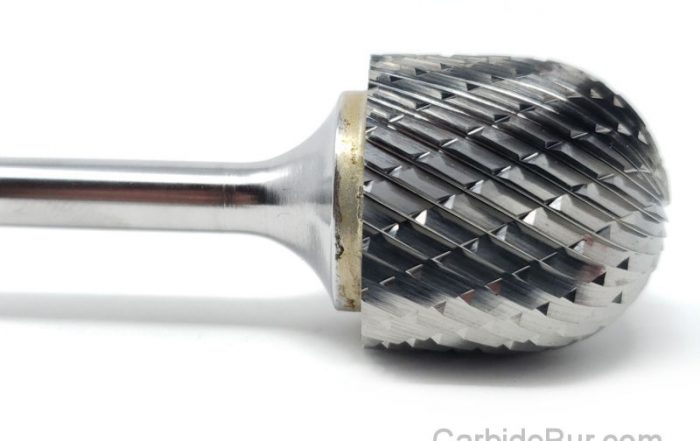
Are Expensive Carbide Burrs Worth It? Comparing Price and Performance
Are Expensive Carbide Burrs Worth It? Comparing Price and Performance When shopping for carbide burrs, it's easy to assume that the cheapest option saves money. But if you use rotary cutting tools regularly for welding, [...]
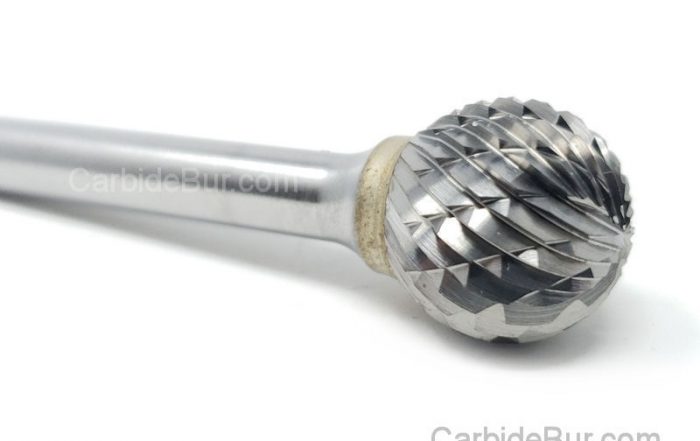
Carbide Burr vs. Grinding Stone: Which Is Better for Metal Removal?
Carbide Burr vs. Grinding Stone: Which Is Better for Metal Removal? When you need to remove metal, smooth a rough edge, or shape a metal component, two common options are carbide burrs and grinding stones. [...]
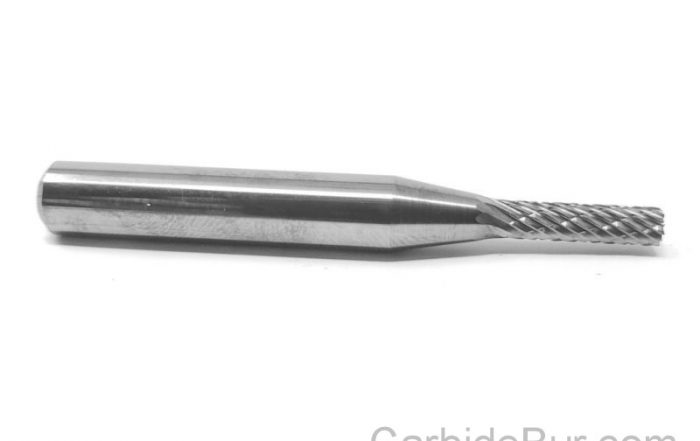
Carbide Burr Safety: RPM, Eye Protection, and Common Mistakes
Carbide Burr Safety: RPM, Eye Protection, and Common Mistakes Carbide burrs are versatile cutting tools used for metal fabrication, welding cleanup, engine porting, deburring, and general material removal. When used correctly, they can help remove [...]
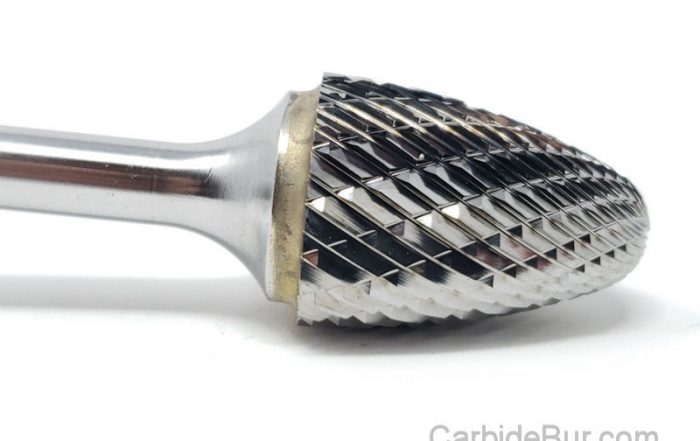
How to Stop Aluminum from Clogging Your Carbide Burr
How to Stop Aluminum from Clogging Your Carbide Burr Aluminum is widely used in automotive work, welding, metal fabrication, aerospace components, and general machining. It is lightweight, relatively easy to machine, and versatile across many [...]
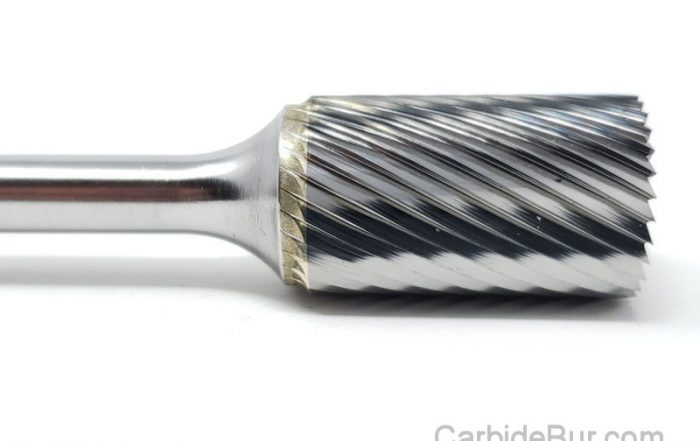
Carbide Burrs for Intake Manifolds: Shaping, Cleanup, and Fitment
Carbide Burrs for Intake Manifolds: Shaping, Cleanup, and Fitment Intake manifold work often involves more than simply bolting a component onto an engine. Depending on the application, metal intake components may have casting irregularities, rough [...]
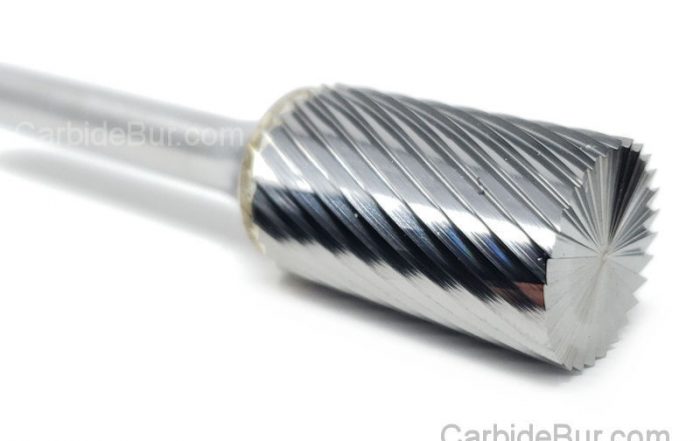
Why Long-Shank Carbide Burrs Are Useful for Hard-to-Reach Areas
Why Long-Shank Carbide Burrs Are Useful for Hard-to-Reach Areas When working on metal parts, the area that needs grinding or shaping is not always easy to reach. Recessed openings, deep cavities, interior surfaces, and complicated [...]
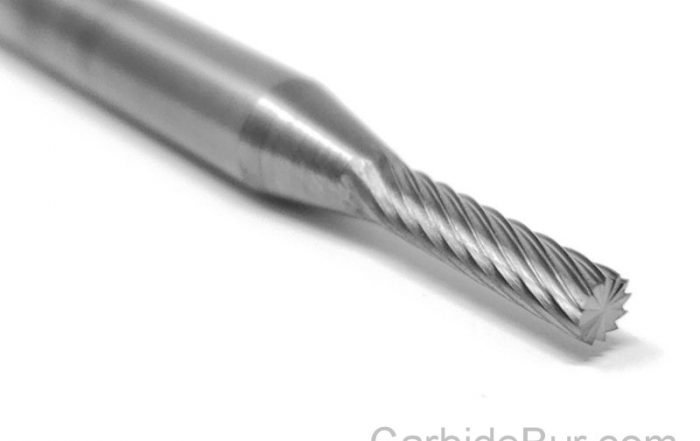
Choosing Carbide Burrs for Stainless Steel Fabrication
Choosing Carbide Burrs for Stainless Steel Fabrication Stainless steel is widely used in fabrication because of its corrosion resistance, strength, and durability. However, those same properties can make it challenging to machine and finish. Removing [...]
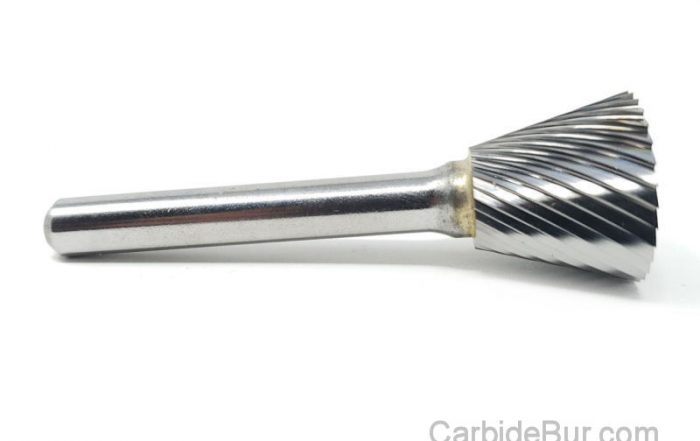
Can You Use Carbide Burrs in a Dremel? Shank Sizes Explained
Can You Use Carbide Burrs in a Dremel? Shank Sizes Explained If you use a Dremel or another rotary tool for detail work, metal shaping, or small fabrication projects, you may wonder whether you can [...]
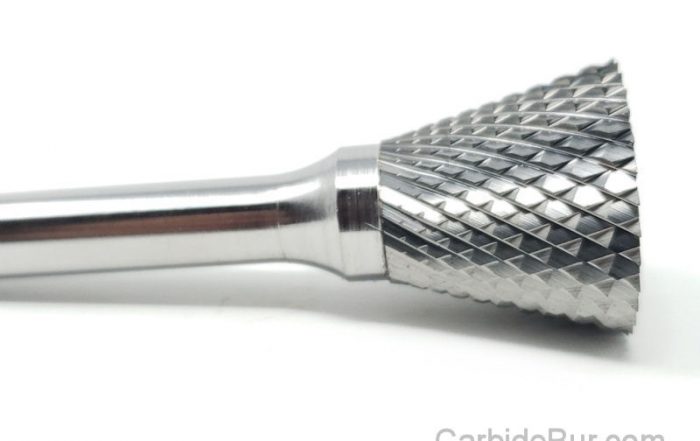
How to Choose the Best Carbide Burr for Welding and Metal Fabrication
How to Choose the Best Carbide Burr for Welding and Metal Fabrication Welding and metal fabrication often require more than joining two pieces of metal together. Once the welding is finished, fabricators frequently need to [...]
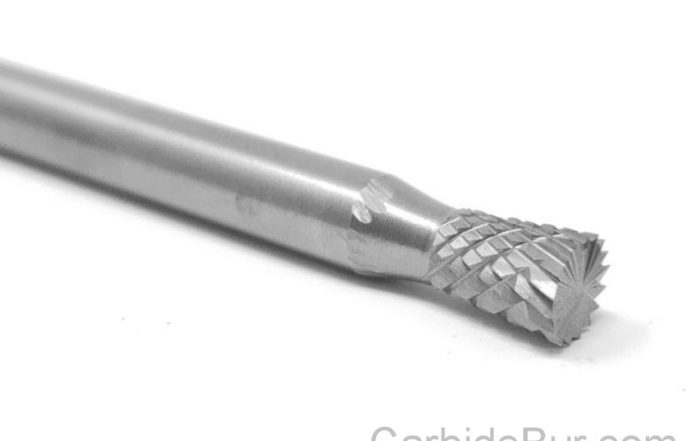
Carbide Burrs for Cylinder Heads: What Automotive Enthusiasts Need to Know
Carbide Burrs for Cylinder Heads: What Automotive Enthusiasts Need to Know Cylinder head work is an important part of engine building, restoration, and performance machining. Whether you are cleaning up casting imperfections, refining port surfaces, [...]
Engine Porting 101: How Carbide Burrs Help Shape Cylinder Head Ports
Engine Porting 101: How Carbide Burrs Help Shape Cylinder Head Ports Engine performance enthusiasts, automotive machinists, and engine builders often look for ways to improve airflow through an engine's cylinder heads. One technique used in [...]
When to Use a 4-Inch or 9-Inch Die Grinder Extension
When to Use a 4-Inch or 9-Inch Die Grinder Extension Metal fabrication, welding, automotive repair, and engine building often require working in places where a standard die grinder and carbide burr cannot easily reach. Recessed [...]
