
Master Aluminum Grinding: Techniques to Prevent Clogging Your Burr
Grinding aluminum without clogging your carbide burr is tougher than it looks. You’ve probably wasted time scraping packed metal off your tools instead of focusing on your project. The secret to smooth machining aluminum lies in simple aluminum grinding techniques that keep your burr clean and cutting sharp. Let’s break down proven burr removal tips that save your tools and boost your work quality. Check out more insights here.
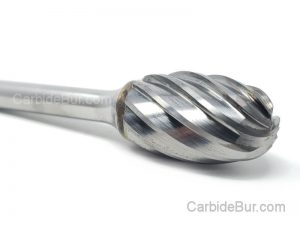
Which carbide bur tool works best for your job?
Understanding Aluminum Grinding
Grasping the basics of aluminum grinding sets the stage for flawless execution. You might think it’s as easy as using any standard technique, but there’s more to it.
Importance of Proper Techniques
Mastering the right strategies is essential. Not only does it save time, but it also extends the life of your tools. When you grind aluminum correctly, your burr stays clean and sharp. This means fewer interruptions and better results. Proper techniques lead to a smoother and more efficient process.
Common Challenges in Aluminum Grinding
You might face several obstacles while working with aluminum. One major issue is the material’s tendency to clog your tools. This can slow you down and cause frustration. Another problem is overheating, which can damage your burr. Understanding these challenges helps you prepare better and avoid common pitfalls.
Benefits of Mastering the Skill
Why does mastering aluminum grinding matter? First, it boosts your productivity. You spend less time cleaning and more time creating. Second, it improves your craftsmanship, leading to higher-quality results. Lastly, it empowers you to tackle complex projects with confidence.
Essential Tools for Success
Once you understand the importance of the right techniques, the next step is gathering the proper tools. The right equipment can make a world of difference in your projects.
Selecting the Right Burr
Choosing the perfect burr is crucial. A carbide burr is a popular choice due to its durability and sharpness. It cuts through aluminum smoothly and reduces the risk of clogging. When selecting a burr, consider the shape and size to match your specific needs.
Advantages of Carbide Burs
Using carbide burs offers several advantages. They are strong and long-lasting, meaning you’ll spend less on replacements. Their sharp edges provide clean cuts, reducing the need for additional finishing. With a carbide burr, you’ll find grinding aluminum much easier and more efficient.
Must-Have Equipment for DIY
For any DIY enthusiast, having the right gear is essential. Invest in a quality grinder and protective gear like goggles and gloves. Ensure your workspace is well-ventilated to avoid inhaling dust. With the right setup, you’re ready to take on any aluminum project.
Techniques to Prevent Clogging
Preventing clogging is a key step to maintaining a smooth workflow. Here, you’ll discover strategies that make grinding aluminum a breeze.

Effective Grinding Strategies
To prevent clogging, keep your burr cool. Use a lubricant or wax to reduce friction. This keeps the aluminum from sticking to your tool. Another tip is to use short, quick passes instead of long strokes. This minimizes heat build-up and keeps your burr clean.
Burr Removal Tips
Removing built-up aluminum can be tricky. One method is to use a wire brush to gently scrub the burr. Another option is to soak the burr in a solvent to dissolve the aluminum. Regular cleaning ensures your tools remain in top condition.
Maintenance for Longevity
Maintaining your tools is vital for their longevity. Regularly inspect your burrs for wear and tear. Keep them sharp with a sharpening stone or file. Store them properly to avoid damage. With good maintenance, your tools will last longer and perform better.
Machining Aluminum with Precision
Precision is key in aluminum machining. By honing your techniques, you can achieve professional-level results.
Key Aluminum Grinding Techniques
Precision starts with the right technique. Keep a steady hand and apply consistent pressure. Use guides or templates for accuracy. Practice makes perfect, so keep honing your skills for better results.
Safety Measures and Best Practices
Safety should always come first. Wear protective gear and ensure your workspace is tidy. Keep flammable materials away from grinding areas. Follow best practices to minimize risks and ensure a safe working environment.
Troubleshooting Common Issues
Issues can arise even with the best preparation. If your burr clogs, stop immediately and clean it. If overheating occurs, pause and let your tool cool down. With patience and practice, you’ll overcome these obstacles with ease.
Enhancing Your Craftsmanship
Improving your skills is a continuous journey. There’s always room for growth and development in your craft.
Skills for Aspiring Metalworkers
Whether you’re just starting or have experience, building a solid skillset is essential. Focus on precision, patience, and practice. These skills form the foundation of any successful metalworking project.
Continuous Improvement Tips
Always seek ways to enhance your techniques. Join workshops, watch tutorials, and learn from others. Engage with communities like this one to gain new insights and stay updated on the latest trends.
Building Your DIY Toolkit
A well-stocked toolkit is crucial for any DIY enthusiast. Invest in quality tools and keep them organized. Over time, you’ll build a collection that supports your projects and enhances your craftsmanship.
In summary, mastering aluminum grinding techniques not only saves you time but significantly elevates your work quality. With the right tools and strategies, you’re on the path to becoming a skilled metalworker. Keep pushing the boundaries of your craft and watch your skills soar.
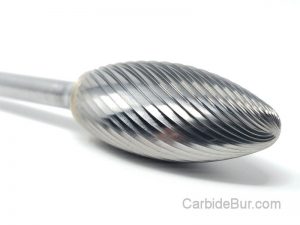
Looking for Carbide Bur Tools?
Check out our entire selection of USA made carbide bur die grinder tool bits
Follow us on Twitter

Return to CarbideBur.com
Carbide Burs – 1/4″ on 1/8″ Shanks – Accessories – Aluminum Cut – Bur Sets – End Mills – Long Shank – Solid Burs
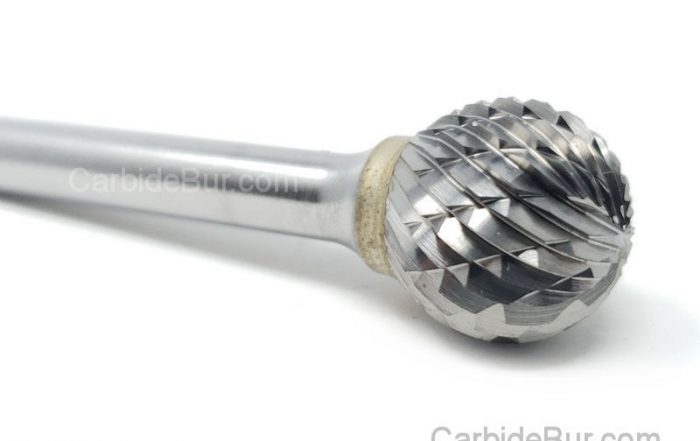
Carbide Burr vs. Grinding Stone: Which Is Better for Metal Removal?
Carbide Burr vs. Grinding Stone: Which Is Better for Metal Removal? When you need to remove metal, smooth a rough edge, or shape a metal component, two common options are carbide burrs and grinding stones. [...]
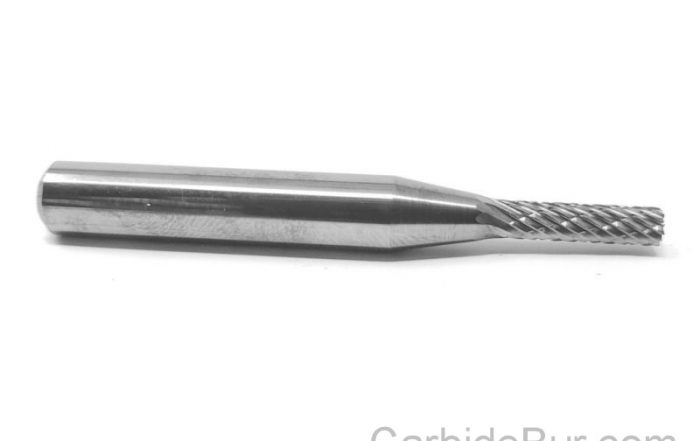
Carbide Burr Safety: RPM, Eye Protection, and Common Mistakes
Carbide Burr Safety: RPM, Eye Protection, and Common Mistakes Carbide burrs are versatile cutting tools used for metal fabrication, welding cleanup, engine porting, deburring, and general material removal. When used correctly, they can help remove [...]
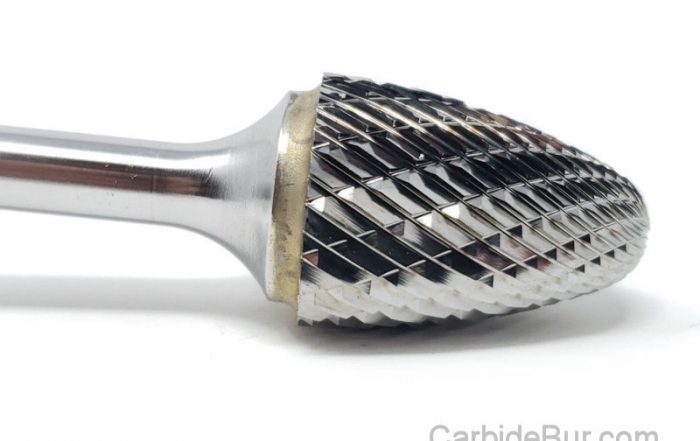
How to Stop Aluminum from Clogging Your Carbide Burr
How to Stop Aluminum from Clogging Your Carbide Burr Aluminum is widely used in automotive work, welding, metal fabrication, aerospace components, and general machining. It is lightweight, relatively easy to machine, and versatile across many [...]
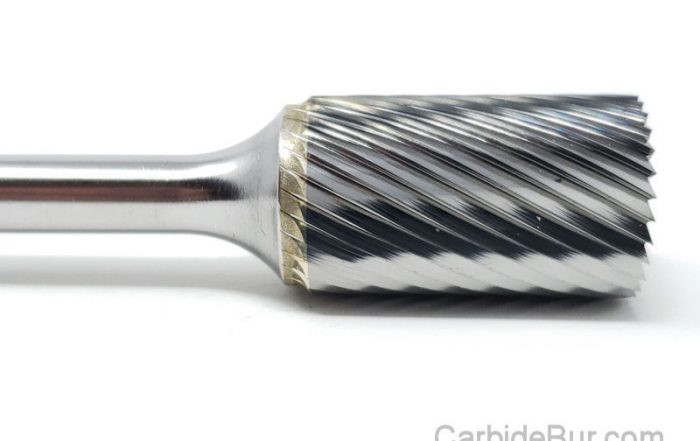
Carbide Burrs for Intake Manifolds: Shaping, Cleanup, and Fitment
Carbide Burrs for Intake Manifolds: Shaping, Cleanup, and Fitment Intake manifold work often involves more than simply bolting a component onto an engine. Depending on the application, metal intake components may have casting irregularities, rough [...]
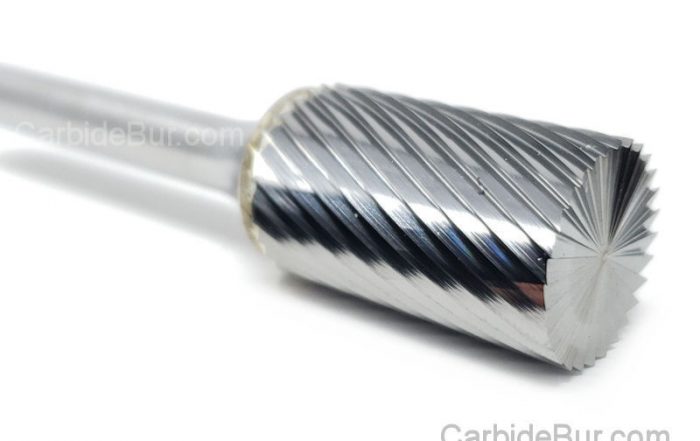
Why Long-Shank Carbide Burrs Are Useful for Hard-to-Reach Areas
Why Long-Shank Carbide Burrs Are Useful for Hard-to-Reach Areas When working on metal parts, the area that needs grinding or shaping is not always easy to reach. Recessed openings, deep cavities, interior surfaces, and complicated [...]
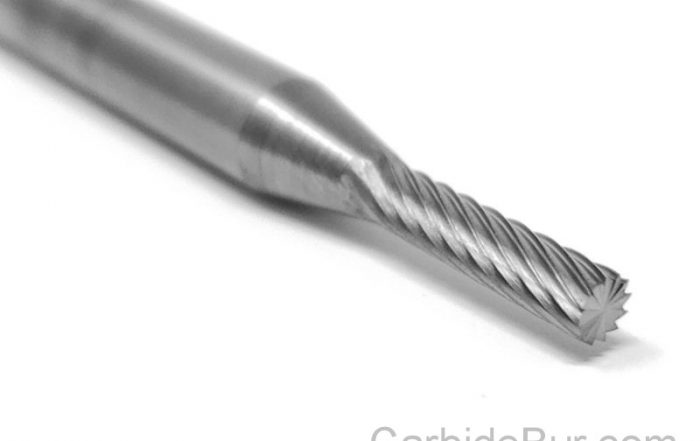
Choosing Carbide Burrs for Stainless Steel Fabrication
Choosing Carbide Burrs for Stainless Steel Fabrication Stainless steel is widely used in fabrication because of its corrosion resistance, strength, and durability. However, those same properties can make it challenging to machine and finish. Removing [...]
Can You Use Carbide Burrs in a Dremel? Shank Sizes Explained
Can You Use Carbide Burrs in a Dremel? Shank Sizes Explained If you use a Dremel or another rotary tool for detail work, metal shaping, or small fabrication projects, you may wonder whether you can [...]
How to Choose the Best Carbide Burr for Welding and Metal Fabrication
How to Choose the Best Carbide Burr for Welding and Metal Fabrication Welding and metal fabrication often require more than joining two pieces of metal together. Once the welding is finished, fabricators frequently need to [...]
Carbide Burrs for Cylinder Heads: What Automotive Enthusiasts Need to Know
Carbide Burrs for Cylinder Heads: What Automotive Enthusiasts Need to Know Cylinder head work is an important part of engine building, restoration, and performance machining. Whether you are cleaning up casting imperfections, refining port surfaces, [...]
Engine Porting 101: How Carbide Burrs Help Shape Cylinder Head Ports
Engine Porting 101: How Carbide Burrs Help Shape Cylinder Head Ports Engine performance enthusiasts, automotive machinists, and engine builders often look for ways to improve airflow through an engine's cylinder heads. One technique used in [...]
When to Use a 4-Inch or 9-Inch Die Grinder Extension
When to Use a 4-Inch or 9-Inch Die Grinder Extension Metal fabrication, welding, automotive repair, and engine building often require working in places where a standard die grinder and carbide burr cannot easily reach. Recessed [...]
Why Buy USA-Made Carbide Burr Tools? What Buyers Should Compare
Why Buy USA-Made Carbide Burr Tools? What Buyers Should Compare When shopping for carbide burr tools, it's tempting to compare products based on price alone. However, professionals who use rotary cutting tools for welding, metal [...]
