
Mastering Metalwork: How to Smooth Metal Edges Quickly and Efficiently
Sharp metal edges can turn a simple project into a frustrating and risky task. If you’ve spent hours cutting and shaping metal, you know the struggle of rough edges that slow you down and cause snags. Learning how to smooth metal edges quickly with the right metal edge finishing techniques will save you time and keep your work safe. This guide shares practical metalworking tips, including how to use a carbide bur to get smooth, precise results fast. For more insights, check out this discussion.
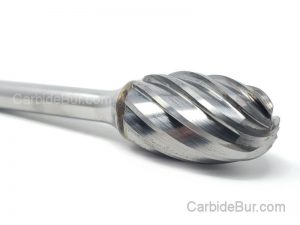
Which carbide bur tool works best for your job?
Essential Tools for Metal Edge Finishing
Choosing the right tools can make or break your metalworking project. The right equipment ensures smooth metal edges and a safer work environment.
Choosing the Right File
When it comes to metal edge finishing, files are a must-have. They come in different shapes and sizes, each serving a unique purpose. For instance, flat files are great for general smoothing, while round files work well on curved surfaces. Always start with a coarser file to remove larger burrs and follow up with a finer one for a polished finish. Remember, the key is to use steady, even strokes to avoid uneven surfaces.
Understanding Sandpaper Grits
Sandpaper is another crucial tool for achieving smooth metal edges. Selecting the right grit size is vital. Start with a coarse grit, like 60 or 80, to tackle rough edges. Then, move to a finer grit, such as 120, to smooth things out. For a final touch, you can use an even finer grit, like 220, for a sleek finish. Pay attention to the pressure you apply; too much can lead to scratches.
Using Carbide Burs
Carbide burs are powerful tools that help achieve precision and speed in your metalwork. They’re perfect for detailed work and can get into tight spots that files or sandpaper can’t reach. To use them effectively, attach the bur to a rotary tool and apply gentle pressure. Keep the tool moving to prevent overheating the metal. With carbide burs, you can achieve a smooth, professional finish in no time. Learn more about using carbide burs here.
Techniques to Quickly Smooth Metal
Now that you’re equipped with the right tools, it’s time to dive into the techniques that will make metal smoothing a breeze.
Sharp Edge Techniques
Dealing with sharp edges can be challenging, but there are ways to tackle them effectively. Start with a file to carefully remove the most prominent burrs. Then, use sandpaper to further soften the edges. A quick tip: If you’re working on thin metal sheets, consider using a deburring tool for clean results. Always work in a well-lit environment to spot any missed spots.
How to Smooth Metal with Power Tools
Power tools can significantly speed up the metal smoothing process. Tools like angle grinders, equipped with flap discs, are excellent for removing rough edges quickly. An orbital sander can also be handy for achieving a consistent finish. Remember to wear safety gear, like goggles and gloves, when operating these tools. For more tips on using power tools, explore this link.
Manual Smoothing Methods
Manual methods may take a bit more time, but they offer precision and control. A simple technique involves using a handheld sanding block. Start with coarser sandpaper and progress to finer grits for a polished look. Another method is hand filing, which is perfect for smaller projects or intricate details. Manual methods allow you to connect with your work, adding a personal touch to each project.
Mastering Metalworking Tips
Taking your metalworking skills to the next level involves more than just tools and techniques. It’s about cultivating safe habits and effective strategies.
Safety Precautions for Metalwork
Safety should always be a top priority in metalworking. Wear protective gear, including gloves, goggles, and a dust mask. Keep your workspace clean to minimize hazards. Ensure your tools are in good condition before use. Regularly check your equipment for any signs of wear and tear. A safe environment not only protects you but also enhances your productivity.

Maintaining Your Tools
Well-maintained tools are essential for efficient metalworking. Start by cleaning them after each use to prevent rust and damage. Regularly sharpen blades and replace worn-out parts. Store your tools in a dry, organized space to extend their lifespan. Proper maintenance ensures that your tools are always ready for the next project, saving you time and effort.
Project Planning for Success
Effective project planning can make a significant difference in your metalworking endeavors. Begin by sketching your design and outlining the steps needed to complete the project. Gather all necessary materials and tools beforehand to avoid interruptions. Allocate time for each stage of the process and set realistic deadlines. A well-thought-out plan sets the stage for a successful and satisfying project.
Advanced Metal Edge Finishing Methods
Ready to take your skills to the next level? These advanced methods will help you achieve professional-quality finishes.
Using a Buffer for Polishing
Buffers are excellent for giving metal a high-gloss finish. To use a buffer, start by applying a polishing compound to the metal surface. Then, use the buffer in circular motions to achieve a shine. Buffing not only enhances the appearance but also protects the metal from corrosion.
Creating a Mirror Finish
A mirror finish is the epitome of smoothness in metalwork. Achieving this level of polish requires patience and precision. Start with a fine grit sandpaper and gradually move to even finer grits. Finish with a polishing compound and a soft cloth for a reflective surface.
Experimenting with Different Metals
Different metals require different approaches for edge finishing. For example, aluminum is softer and more prone to scratches, while stainless steel is hard and durable. Experiment with various techniques to find what works best for each type of metal. This experimentation can lead to new insights and improved methods.
Troubleshooting Common Issues
Every metalworking project comes with its challenges. Here’s how to overcome some common hurdles.
Dealing with Tough Edges
Tough edges can be stubborn, but persistence is key. Start with a coarse file and gradually work towards a finer finish. If the edge remains rough, consider using a carbide bur for more precision. Sometimes, revisiting the basics yields the best results.
Avoiding Common Mistakes
Common mistakes in metalworking include applying too much pressure or using the wrong tool for the job. Always select the appropriate tool and technique for the material you’re working with. Pay attention to detail and take your time, rushing often leads to errors.
Improving Your Technique Over Time
Metalworking is a skill that improves with practice. Take note of what works well and what doesn’t, and make adjustments accordingly. Join online communities or local workshops to learn from others. Remember, every project is an opportunity to refine your technique. For additional tips and community support, visit this Facebook group.
By mastering these techniques and tools, you’ll be well on your way to producing smooth metal edges with confidence and precision. Keep practicing and exploring new methods to elevate your metalworking skills.
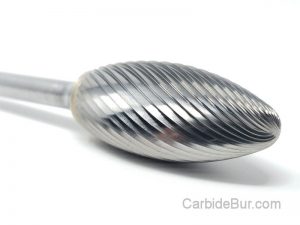
Looking for Carbide Bur Tools?
Check out our entire selection of USA made carbide bur die grinder tool bits
Follow us on Twitter

Return to CarbideBur.com
Carbide Burs – 1/4″ on 1/8″ Shanks – Accessories – Aluminum Cut – Bur Sets – End Mills – Long Shank – Solid Burs
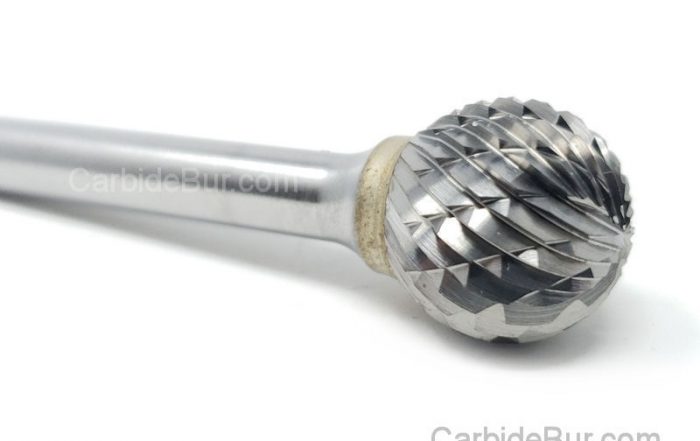
Carbide Burr vs. Grinding Stone: Which Is Better for Metal Removal?
Carbide Burr vs. Grinding Stone: Which Is Better for Metal Removal? When you need to remove metal, smooth a rough edge, or shape a metal component, two common options are carbide burrs and grinding stones. [...]
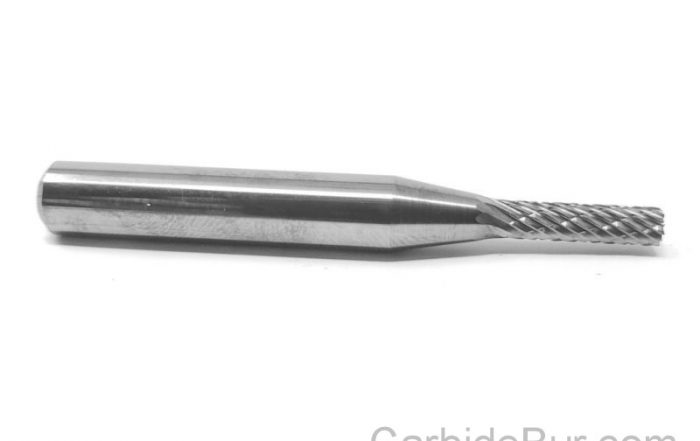
Carbide Burr Safety: RPM, Eye Protection, and Common Mistakes
Carbide Burr Safety: RPM, Eye Protection, and Common Mistakes Carbide burrs are versatile cutting tools used for metal fabrication, welding cleanup, engine porting, deburring, and general material removal. When used correctly, they can help remove [...]
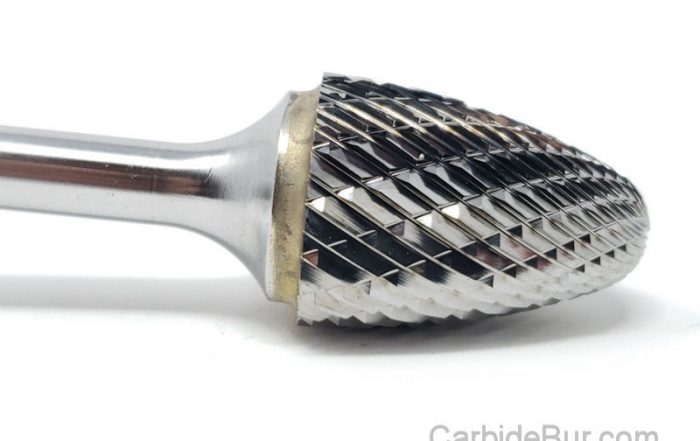
How to Stop Aluminum from Clogging Your Carbide Burr
How to Stop Aluminum from Clogging Your Carbide Burr Aluminum is widely used in automotive work, welding, metal fabrication, aerospace components, and general machining. It is lightweight, relatively easy to machine, and versatile across many [...]
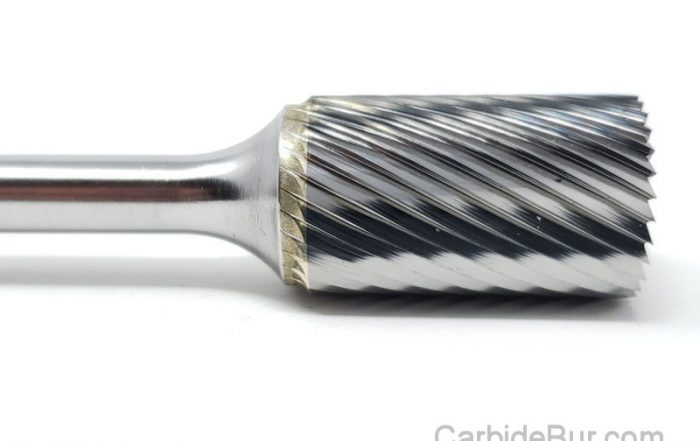
Carbide Burrs for Intake Manifolds: Shaping, Cleanup, and Fitment
Carbide Burrs for Intake Manifolds: Shaping, Cleanup, and Fitment Intake manifold work often involves more than simply bolting a component onto an engine. Depending on the application, metal intake components may have casting irregularities, rough [...]
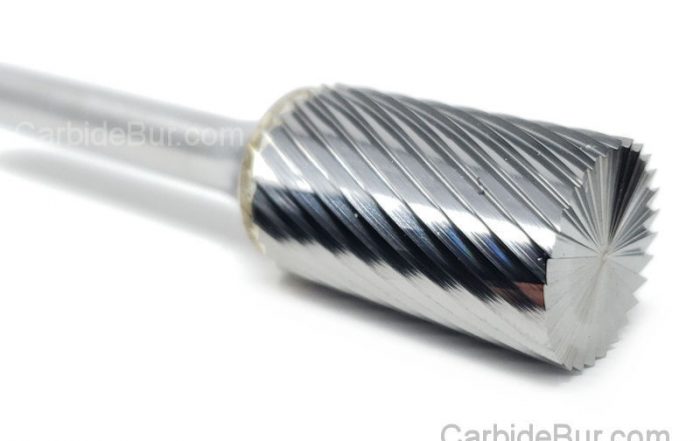
Why Long-Shank Carbide Burrs Are Useful for Hard-to-Reach Areas
Why Long-Shank Carbide Burrs Are Useful for Hard-to-Reach Areas When working on metal parts, the area that needs grinding or shaping is not always easy to reach. Recessed openings, deep cavities, interior surfaces, and complicated [...]
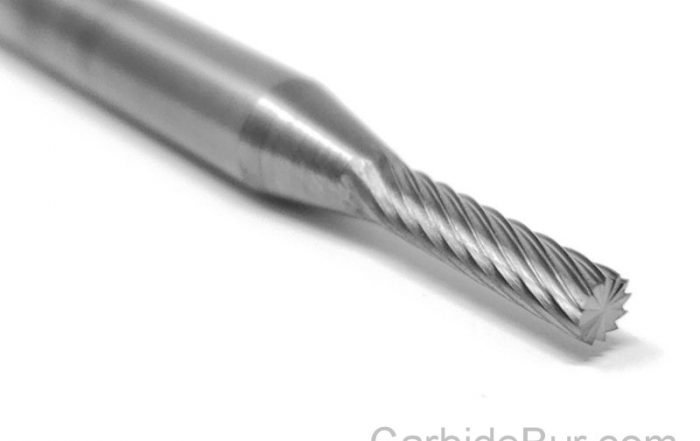
Choosing Carbide Burrs for Stainless Steel Fabrication
Choosing Carbide Burrs for Stainless Steel Fabrication Stainless steel is widely used in fabrication because of its corrosion resistance, strength, and durability. However, those same properties can make it challenging to machine and finish. Removing [...]
Can You Use Carbide Burrs in a Dremel? Shank Sizes Explained
Can You Use Carbide Burrs in a Dremel? Shank Sizes Explained If you use a Dremel or another rotary tool for detail work, metal shaping, or small fabrication projects, you may wonder whether you can [...]
How to Choose the Best Carbide Burr for Welding and Metal Fabrication
How to Choose the Best Carbide Burr for Welding and Metal Fabrication Welding and metal fabrication often require more than joining two pieces of metal together. Once the welding is finished, fabricators frequently need to [...]
Carbide Burrs for Cylinder Heads: What Automotive Enthusiasts Need to Know
Carbide Burrs for Cylinder Heads: What Automotive Enthusiasts Need to Know Cylinder head work is an important part of engine building, restoration, and performance machining. Whether you are cleaning up casting imperfections, refining port surfaces, [...]
Engine Porting 101: How Carbide Burrs Help Shape Cylinder Head Ports
Engine Porting 101: How Carbide Burrs Help Shape Cylinder Head Ports Engine performance enthusiasts, automotive machinists, and engine builders often look for ways to improve airflow through an engine's cylinder heads. One technique used in [...]
When to Use a 4-Inch or 9-Inch Die Grinder Extension
When to Use a 4-Inch or 9-Inch Die Grinder Extension Metal fabrication, welding, automotive repair, and engine building often require working in places where a standard die grinder and carbide burr cannot easily reach. Recessed [...]
Why Buy USA-Made Carbide Burr Tools? What Buyers Should Compare
Why Buy USA-Made Carbide Burr Tools? What Buyers Should Compare When shopping for carbide burr tools, it's tempting to compare products based on price alone. However, professionals who use rotary cutting tools for welding, metal [...]
