
Shaping, Engraving, and Grinding: Choosing the Right Carbide Burr
Most hobbyists settle for one-size-fits-all burrs and wonder why their projects fall short. Choosing the right carbide burr for your Dremel tools can make all the difference when shaping, engraving, or grinding. This guide breaks down the best burr shapes, sizes, and materials to match your woodworking, metalworking, or crafting needs so you get precise, clean results every time. Check out this guide for more information.
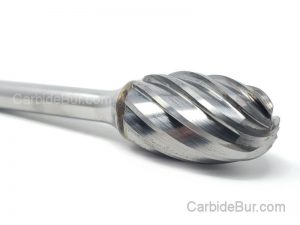
Which carbide bur tool works best for your job?
Understanding Carbide Burrs
Carbide burrs are essential for anyone serious about their craft. These small yet powerful tools can change the outcome of your projects, making sure you achieve clean and precise results. Let’s explore what makes them so valuable.
Types and Sizes of Burrs
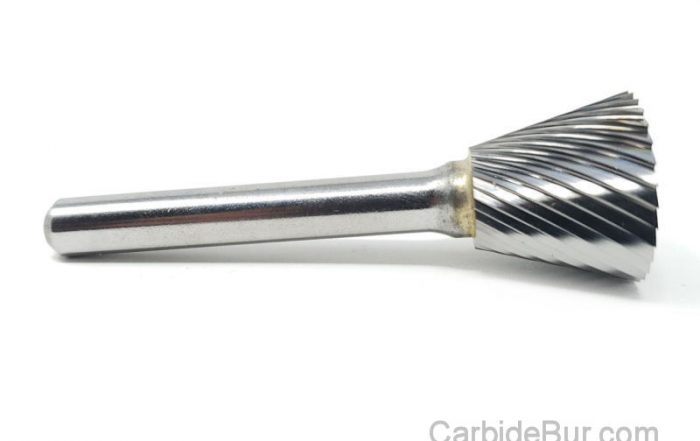
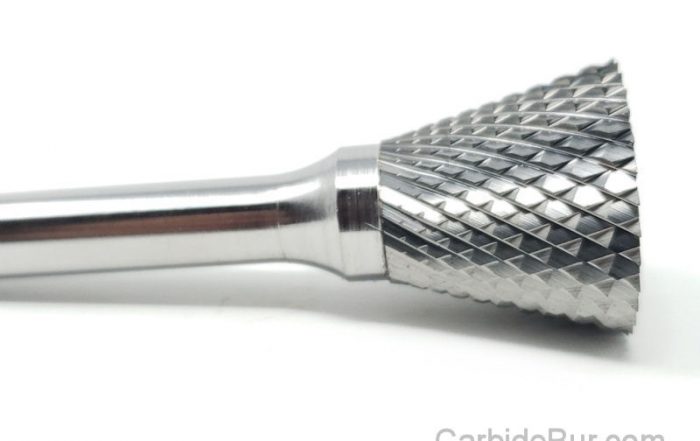
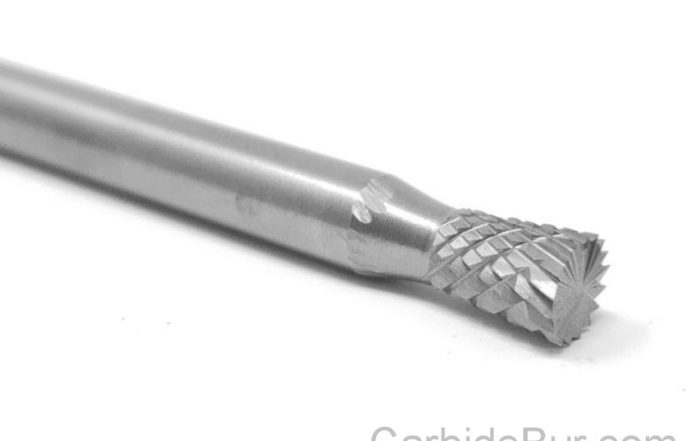
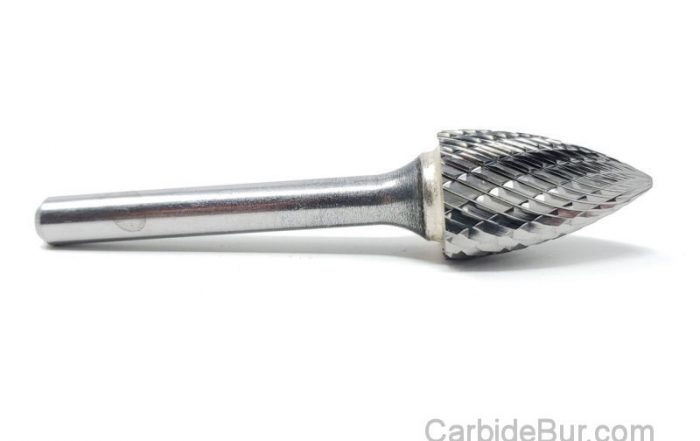
Choosing the right burr shape is crucial. There are many options, each designed for specific tasks. For example, cylindrical burrs are perfect for flat surfaces, while pointed burrs work well for tight spaces. When selecting a size, consider the details: larger burrs remove more material, whereas smaller ones offer precision. Watch this video to see different burr types in action.
Key Materials for Burrs
The material of your burr impacts its performance. Tungsten carbide is a popular choice, known for its durability and ability to maintain sharpness. This makes it ideal for cutting through tough materials like metal and hardwood. Other options include high-speed steel, but they may wear out faster. When working with delicate materials, softer burrs might be more appropriate.
Choosing the Right Burr
Selecting the right burr involves understanding your project’s needs. Think about what material you are working with and the level of detail required. For example, if you’re working on metal projects, a strong and resilient burr is essential. Remember, the longer you wait to choose the correct burr, the more challenging your project may become.
Engraving with Carbide Burrs
Engraving can turn a simple object into a work of art. With the right techniques and tools, your projects will stand out. Let’s dive into the world of engraving.
Techniques for Precision Engraving
Precision is key when engraving. Start by securing your workpiece to prevent movement. Use light pressure and let the burr do the work. Practice on scrap material to gain confidence and control. Consistency in speed and pressure ensures a clean, professional finish. Remember, most people think speed is the answer, but accuracy matters more.
Best Burrs for Engraving Tools
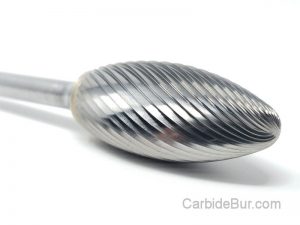
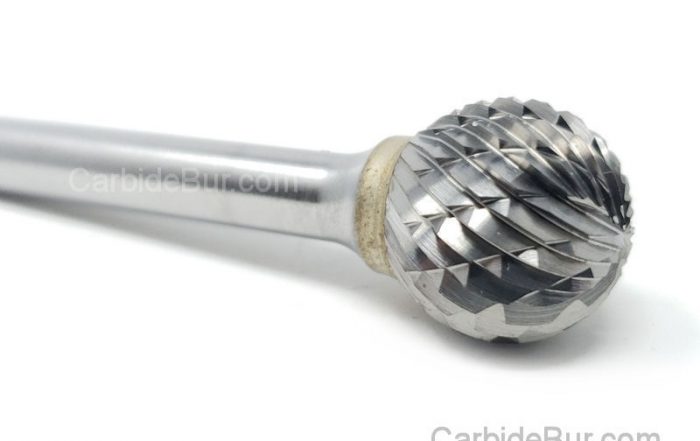
When selecting engraving tools, opt for burrs with fine tips and sharp edges. Ball-shaped burrs are versatile, while flame-shaped burrs excel in creating intricate details. Consider investing in a set to cover various engraving needs. This ultimate guide offers more insights into choosing the best burrs for engraving.
Shaping and Grinding Techniques
Shaping and grinding can transform your raw materials into something beautiful. Understanding the right techniques will elevate your craft.

Using Shaping Burs Effectively
Shaping burs allow you to carve out designs and smooth surfaces. To use them effectively, start with rough shaping using a larger burr. Gradually move to smaller burs for finer details. Keep your Dremel steady to maintain control. Most people overlook the importance of changing burs, but each has a unique purpose.
Ideal Grinding Burrs for Dremel Tools
Grinding burrs help refine your work. Use them to smooth and blend surfaces, giving your project a polished look. For Dremel tools, look for burrs with reinforced tips to handle intense grinding. These burrs are perfect for both metal and wood projects. Explore some top recommendations to enhance your toolkit.
Project Tips and Tricks
Maximizing your results requires the right tools and techniques. Here are some tips to optimize your projects.
Selecting Burrs for Woodworking Tools
Woodworking requires a range of burrs. Use larger, coarse burrs for shaping and smaller, fine burrs for detail work. Keep in mind the wood type, as harder woods need more robust burrs. Mixing and matching burrs can lead to outstanding results in your projects.
Metalworking and Crafting Supplies
Metalworking demands precision and strength. Choose burrs that can handle metal’s toughness. Coarse burrs can remove excess material, while fine burrs polish the surface. Don’t forget to consider the crafting supplies you need alongside your burrs.
Maintaining Your Carbide Burrs
Maintaining your burrs is crucial for longevity. After each use, remove debris with a brush and inspect for wear. Replace burrs showing signs of dullness. Regular maintenance guarantees the best performance and prolongs their life.
By understanding and utilizing the right carbide burrs, you’re set to elevate your projects. Whether you’re engraving intricate designs or shaping materials, the right tools make all the difference. Now, go create something amazing!
Looking for Carbide Bur Tools?
Check out our entire selection of USA made carbide bur die grinder tool bits
Follow us on Twitter

Return to CarbideBur.com
Carbide Burs – 1/4″ on 1/8″ Shanks – Accessories – Aluminum Cut – Bur Sets – End Mills – Long Shank – Solid Burs
Carbide Burr vs. Grinding Stone: Which Is Better for Metal Removal?
Carbide Burr vs. Grinding Stone: Which Is Better for Metal Removal? When you need to remove metal, smooth a rough edge, or shape a metal component, two common options are carbide burrs and grinding stones. [...]
Carbide Burr Safety: RPM, Eye Protection, and Common Mistakes
Carbide Burr Safety: RPM, Eye Protection, and Common Mistakes Carbide burrs are versatile cutting tools used for metal fabrication, welding cleanup, engine porting, deburring, and general material removal. When used correctly, they can help remove [...]
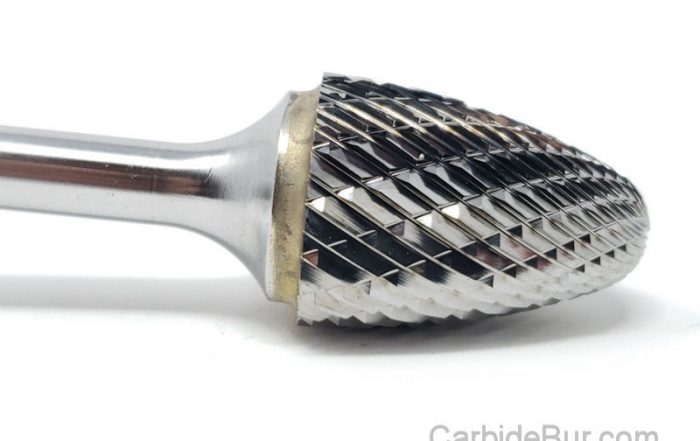
How to Stop Aluminum from Clogging Your Carbide Burr
How to Stop Aluminum from Clogging Your Carbide Burr Aluminum is widely used in automotive work, welding, metal fabrication, aerospace components, and general machining. It is lightweight, relatively easy to machine, and versatile across many [...]
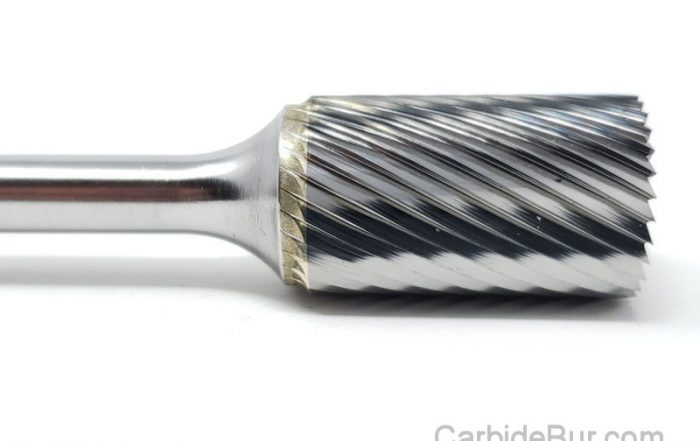
Carbide Burrs for Intake Manifolds: Shaping, Cleanup, and Fitment
Carbide Burrs for Intake Manifolds: Shaping, Cleanup, and Fitment Intake manifold work often involves more than simply bolting a component onto an engine. Depending on the application, metal intake components may have casting irregularities, rough [...]
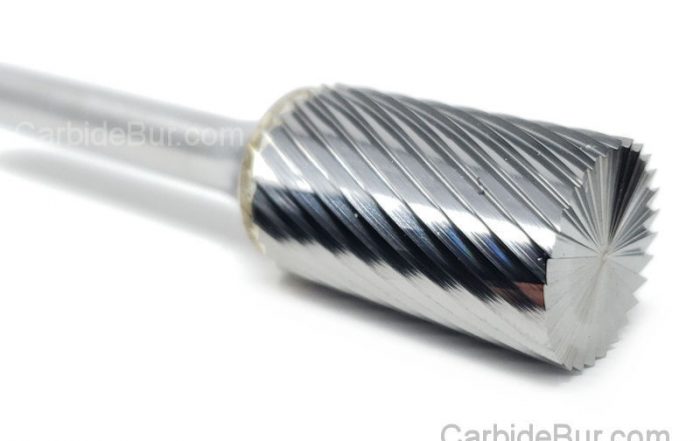
Why Long-Shank Carbide Burrs Are Useful for Hard-to-Reach Areas
Why Long-Shank Carbide Burrs Are Useful for Hard-to-Reach Areas When working on metal parts, the area that needs grinding or shaping is not always easy to reach. Recessed openings, deep cavities, interior surfaces, and complicated [...]
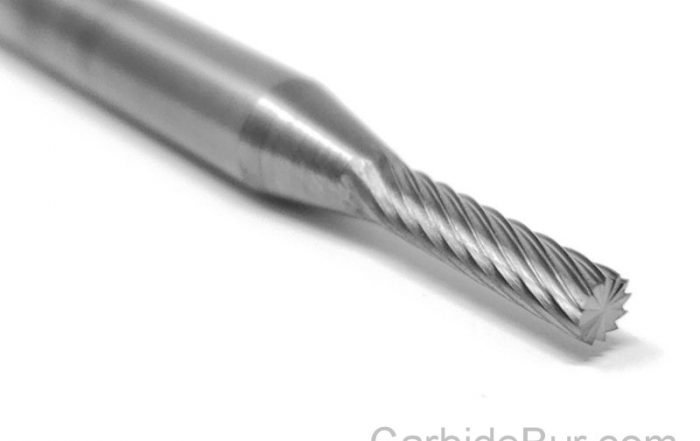
Choosing Carbide Burrs for Stainless Steel Fabrication
Choosing Carbide Burrs for Stainless Steel Fabrication Stainless steel is widely used in fabrication because of its corrosion resistance, strength, and durability. However, those same properties can make it challenging to machine and finish. Removing [...]
Can You Use Carbide Burrs in a Dremel? Shank Sizes Explained
Can You Use Carbide Burrs in a Dremel? Shank Sizes Explained If you use a Dremel or another rotary tool for detail work, metal shaping, or small fabrication projects, you may wonder whether you can [...]
How to Choose the Best Carbide Burr for Welding and Metal Fabrication
How to Choose the Best Carbide Burr for Welding and Metal Fabrication Welding and metal fabrication often require more than joining two pieces of metal together. Once the welding is finished, fabricators frequently need to [...]
Carbide Burrs for Cylinder Heads: What Automotive Enthusiasts Need to Know
Carbide Burrs for Cylinder Heads: What Automotive Enthusiasts Need to Know Cylinder head work is an important part of engine building, restoration, and performance machining. Whether you are cleaning up casting imperfections, refining port surfaces, [...]
Engine Porting 101: How Carbide Burrs Help Shape Cylinder Head Ports
Engine Porting 101: How Carbide Burrs Help Shape Cylinder Head Ports Engine performance enthusiasts, automotive machinists, and engine builders often look for ways to improve airflow through an engine's cylinder heads. One technique used in [...]
When to Use a 4-Inch or 9-Inch Die Grinder Extension
When to Use a 4-Inch or 9-Inch Die Grinder Extension Metal fabrication, welding, automotive repair, and engine building often require working in places where a standard die grinder and carbide burr cannot easily reach. Recessed [...]
Why Buy USA-Made Carbide Burr Tools? What Buyers Should Compare
Why Buy USA-Made Carbide Burr Tools? What Buyers Should Compare When shopping for carbide burr tools, it's tempting to compare products based on price alone. However, professionals who use rotary cutting tools for welding, metal [...]
