
Best carbide burr for aluminum
Aluminum can gum up your tools faster than you expect, turning a simple job into a frustrating battle. Choosing the right carbide burr for aluminum is key to slicing through this soft metal cleanly without clogging. In this post, you’ll learn which burr shapes and cut types cut smooth finishes and keep your tools sharp longer. Whether you’re fine-tuning a project or handling heavy machining, these tips will make your work easier and more precise. For more insights, check out this guide on carbide burrs for aluminum.
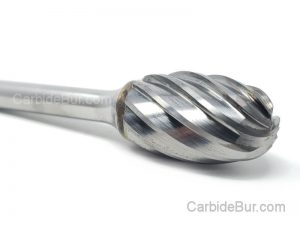
Which carbide bur tool works best for your job?
Understanding Carbide Burrs for Aluminum
Grasping the basics of carbide burrs is key to mastering aluminum machining. Let’s dive into their importance and key features.
Importance of Carbide Burrs
Carbide burrs are vital in the world of metalworking. They offer precision and durability. You can achieve smooth finishes on aluminum, reducing the need for tedious manual sanding. These burrs are crafted from tungsten carbide, a material known for its hardness. This makes them ideal for cutting through soft metals like aluminum with ease. If you’re aiming to boost productivity, a carbide burr is your go-to tool.
Common Challenges With Aluminum
Machining aluminum comes with its own set of challenges. The softness of aluminum can lead to tool clogging. This not only slows down your work but can also damage your tools. Another issue is the heat generated during machining. It can affect the quality of your finish. To combat these problems, choosing the right burr and technique is crucial. With the right approach, you can enhance your workflow and extend tool life.
Key Features of Aluminum Burrs
Aluminum burrs are designed with specific features to tackle the metal’s unique properties. They have larger flutes that help in reducing clogging. This design allows for efficient chip removal. The sharp edges of these burrs ensure clean cuts. When selecting burrs, look for those specifically labeled for aluminum to ensure optimal performance. Remember, a well-chosen burr means less downtime and more consistent results.
Choosing the Right Burr Shapes and Sizes
Selecting the perfect burr shape and size can make a world of difference. Here’s what you need to know about making the right choice.
Popular Burr Shapes for Aluminum
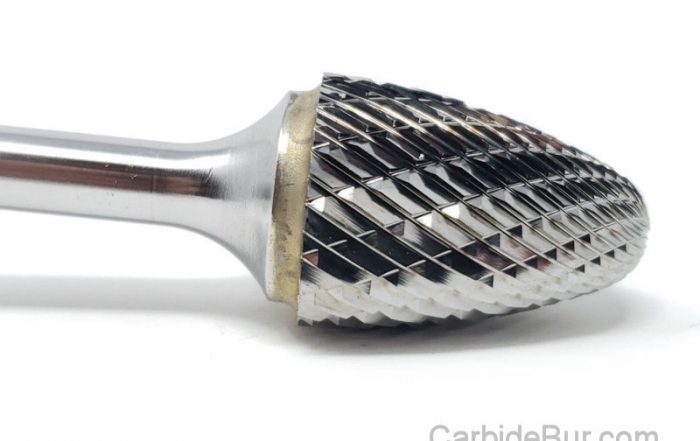
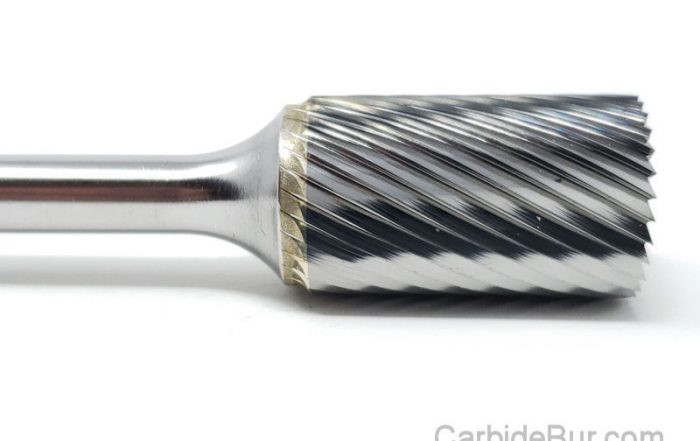
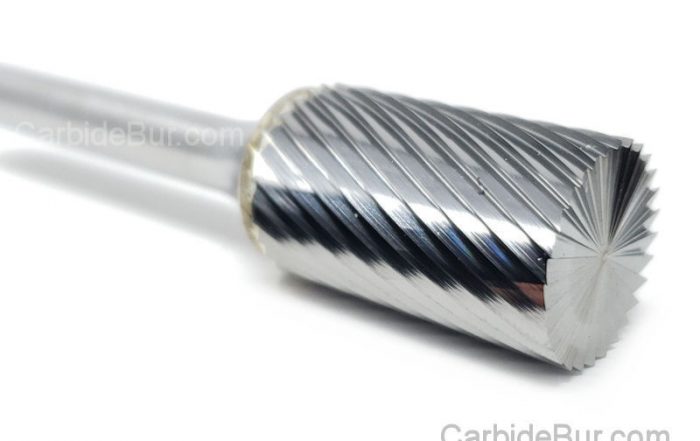
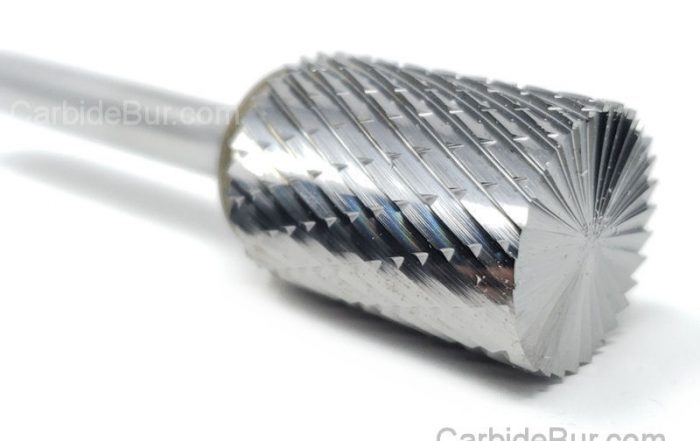
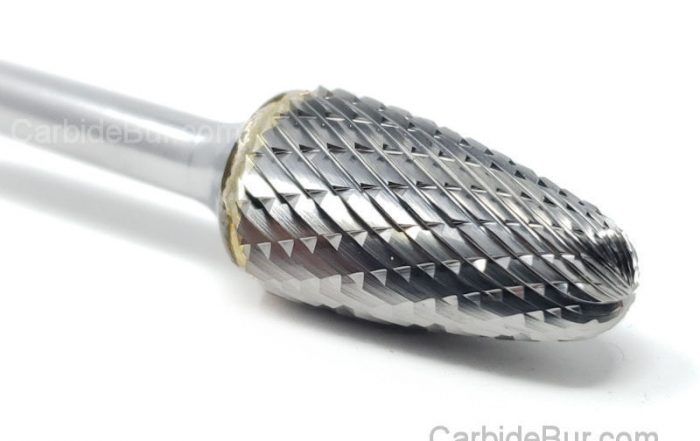
Different tasks require different burr shapes. Cylinder burrs are great for flat surfaces. For tight corners or intricate designs, ball-shaped burrs work wonders. Tree-shaped burrs can help in shaping curved surfaces. Each shape has a unique purpose, and understanding these can enhance your project results. Always match the burr shape with your specific task to ensure efficiency.
Selecting the Appropriate Size
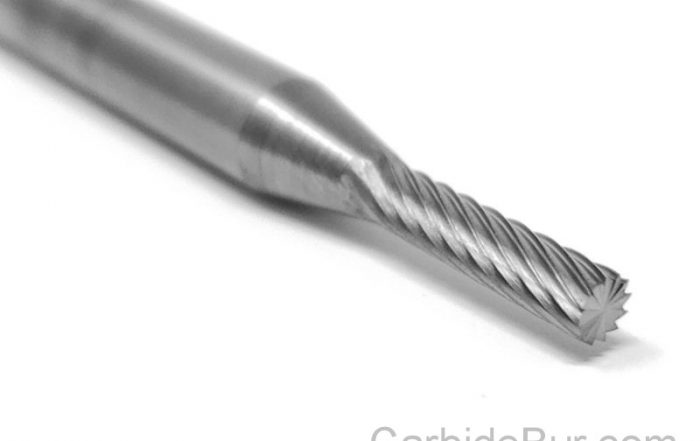
Size matters when it comes to carbide burrs. Larger burrs remove material quickly but can be harder to control. Smaller burrs offer precision but work slower. Consider your project’s needs: if removal speed is a priority, go bigger. For detailed work, opt for smaller sizes. This balance ensures you get the best of both worlds: speed and precision.
Versatility of Different Shapes
Versatility in burr shapes can greatly enhance your machining flexibility. A single burr with a versatile design can tackle various tasks. This saves time and reduces the need for multiple tools. When shopping, look for burrs that offer multi-purpose use. Versatile burrs are a wise investment for both professionals and hobbyists.
Exploring Cut Types and Fluting Design
The right cut type and fluting design can significantly impact your results. Let’s explore how these factors contribute to smoother finishes.
Ideal Cut Types for Smooth Finishes
Choosing the right cut type is critical for achieving smooth surfaces on aluminum. Single-cut burrs are excellent for this purpose as they create smooth edges and require fewer passes. If you’re looking for speed, double-cut burrs can be your ally. However, they might not produce as smooth a finish as single-cut types. Determine your priority—speed or finish—and select accordingly.
Benefits of Fluting Design
Fluting design is not just about aesthetics. It’s crucial for performance. Burrs with larger flutes are designed specifically for soft metals like aluminum. They help in efficient chip removal, reducing the risk of clogging. This design choice contributes to maintaining a high-quality finish and prolonging tool life. When selecting flutes, prioritize functionality over looks.
Improving Performance with Proper Fluting
Proper fluting can greatly enhance your machining performance. It ensures that chips are cleared quickly, preventing tool overheating and wear. An effective fluting design allows for smoother operation and longer tool lifespan. If your burrs are not performing as expected, consider reviewing their fluting design. The right choice can lead to dramatic improvements.
Optimal Usage Tips for Carbide Burrs
Maximizing your tools’ potential requires knowing the best practices. Here are some tips to get the most out of your carbide burrs.
Techniques for Prolonging Tool Life
To extend the life of your carbide burrs, maintain a consistent speed. Avoid applying too much pressure, which can wear out the tool faster. Regular cleaning of the burrs can also prevent material build-up that leads to clogging. Store them properly to protect from damage. Following these steps ensures your tools stay in top condition longer.

Ensuring Efficient Aluminum Machining
Efficiency is key in any project. To achieve this, always match the burr speed with the material. Use lubrication to reduce friction and heat. This not only speeds up the process but also ensures a cleaner finish. Keep a set of spare burrs to avoid downtime in case of wear. These simple adjustments can significantly boost your productivity.
Safety Tips for Burr Usage
Safety should always be a priority. Wear protective gear like goggles and gloves to prevent injuries. Secure your workpiece to avoid slips. Always follow the manufacturer’s guidelines for tool use. These precautions help you work safely without compromising on efficiency. Remember, a safe workspace is a productive one.
Enhancing Machining Efficiency
Improving your aluminum machining process involves more than just the right tools. Let’s delve into the nuances that can enhance your efficiency.
Professional vs. Hobbyist Needs
Professionals and hobbyists have different requirements. Professionals often need faster, more powerful tools to meet high production demands. Hobbyists might prioritize precision and ease of use. Understanding these needs helps in choosing the right tools and techniques. Whether you’re a seasoned pro or a weekend warrior, tailor your approach to meet your specific goals.
Improving Precision and Results
Precision is the hallmark of quality work. Small adjustments, like using the right burr size and speed, can make a big difference. Consistency in technique ensures uniform results. Regularly check and adjust your tools to maintain accuracy. This attention to detail leads to superior outcomes in your projects.
Final Thoughts on Selecting Burrs
Choosing the right burrs for your aluminum projects is crucial. It affects your efficiency, finish quality, and tool life. Consider the material, task, and desired outcome when selecting burrs. By understanding and applying these insights, you can elevate your work and achieve outstanding results. Always be open to experimenting and learning; it’s the key to continued improvement.
For more information on choosing the best carbide burrs, visit Empire Abrasives’ guide on carbide burrs.
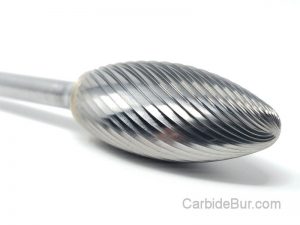
Looking for Carbide Bur Tools?
Check out our entire selection of USA made carbide bur die grinder tool bits
Follow us on Twitter

Return to CarbideBur.com
Carbide Burs – 1/4″ on 1/8″ Shanks – Accessories – Aluminum Cut – Bur Sets – End Mills – Long Shank – Solid Burs
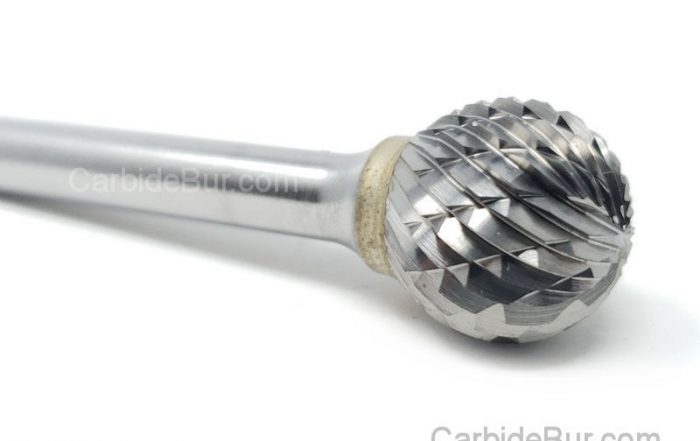
Carbide Burr vs. Grinding Stone: Which Is Better for Metal Removal?
Carbide Burr vs. Grinding Stone: Which Is Better for Metal Removal? When you need to remove metal, smooth a rough edge, or shape a metal component, two common options are carbide burrs and grinding stones. [...]
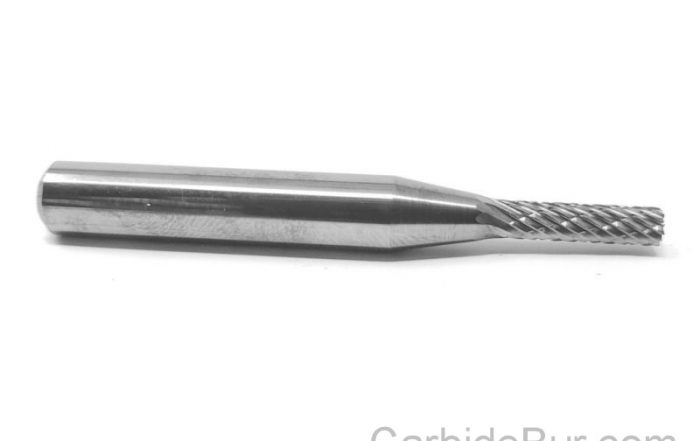
Carbide Burr Safety: RPM, Eye Protection, and Common Mistakes
Carbide Burr Safety: RPM, Eye Protection, and Common Mistakes Carbide burrs are versatile cutting tools used for metal fabrication, welding cleanup, engine porting, deburring, and general material removal. When used correctly, they can help remove [...]
How to Stop Aluminum from Clogging Your Carbide Burr
How to Stop Aluminum from Clogging Your Carbide Burr Aluminum is widely used in automotive work, welding, metal fabrication, aerospace components, and general machining. It is lightweight, relatively easy to machine, and versatile across many [...]
Carbide Burrs for Intake Manifolds: Shaping, Cleanup, and Fitment
Carbide Burrs for Intake Manifolds: Shaping, Cleanup, and Fitment Intake manifold work often involves more than simply bolting a component onto an engine. Depending on the application, metal intake components may have casting irregularities, rough [...]
Why Long-Shank Carbide Burrs Are Useful for Hard-to-Reach Areas
Why Long-Shank Carbide Burrs Are Useful for Hard-to-Reach Areas When working on metal parts, the area that needs grinding or shaping is not always easy to reach. Recessed openings, deep cavities, interior surfaces, and complicated [...]
Choosing Carbide Burrs for Stainless Steel Fabrication
Choosing Carbide Burrs for Stainless Steel Fabrication Stainless steel is widely used in fabrication because of its corrosion resistance, strength, and durability. However, those same properties can make it challenging to machine and finish. Removing [...]
Can You Use Carbide Burrs in a Dremel? Shank Sizes Explained
Can You Use Carbide Burrs in a Dremel? Shank Sizes Explained If you use a Dremel or another rotary tool for detail work, metal shaping, or small fabrication projects, you may wonder whether you can [...]
How to Choose the Best Carbide Burr for Welding and Metal Fabrication
How to Choose the Best Carbide Burr for Welding and Metal Fabrication Welding and metal fabrication often require more than joining two pieces of metal together. Once the welding is finished, fabricators frequently need to [...]
Carbide Burrs for Cylinder Heads: What Automotive Enthusiasts Need to Know
Carbide Burrs for Cylinder Heads: What Automotive Enthusiasts Need to Know Cylinder head work is an important part of engine building, restoration, and performance machining. Whether you are cleaning up casting imperfections, refining port surfaces, [...]
Engine Porting 101: How Carbide Burrs Help Shape Cylinder Head Ports
Engine Porting 101: How Carbide Burrs Help Shape Cylinder Head Ports Engine performance enthusiasts, automotive machinists, and engine builders often look for ways to improve airflow through an engine's cylinder heads. One technique used in [...]
When to Use a 4-Inch or 9-Inch Die Grinder Extension
When to Use a 4-Inch or 9-Inch Die Grinder Extension Metal fabrication, welding, automotive repair, and engine building often require working in places where a standard die grinder and carbide burr cannot easily reach. Recessed [...]
Why Buy USA-Made Carbide Burr Tools? What Buyers Should Compare
Why Buy USA-Made Carbide Burr Tools? What Buyers Should Compare When shopping for carbide burr tools, it's tempting to compare products based on price alone. However, professionals who use rotary cutting tools for welding, metal [...]
