
Cutting Through the Confusion: Which Burr Material Suits Your Project?
Picking the right burr for your project can feel like guesswork, especially when deciding between tungsten carbide burrs and HSS burrs. You want metalworking tools that deliver sharp, clean cuts without slowing you down or wearing out too fast. This post breaks down the key differences in durability, cutting efficiency, and heat resistance in burrs so you can choose the best fit for your work and avoid costly mistakes. For more insights, check out this link.
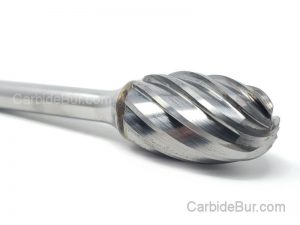
Which carbide bur tool works best for your job?
Understanding Burr Materials
Let’s explore the world of burr materials to better understand their unique properties and uses. These are essential tools in metalworking, offering different advantages based on their material composition.
Overview of Burr Types
Burrs come in various materials, each serving a distinct purpose. The two most common types are tungsten carbide burrs and high-speed steel (HSS) burrs. These burrs are designed for specific tasks, providing versatility to your metalworking projects. Whether you’re smoothing edges or shaping metal, knowing which burr to use can save you time and effort.
Key Differences in Material Composition
Understanding the differences in composition helps in selecting the right burr. Tungsten carbide burrs are made from a combination of tungsten and carbon. This makes them incredibly hard and durable. On the other hand, HSS burrs are crafted from a blend of steel and other elements, offering flexibility and toughness. Each material brings unique benefits to the table, influencing performance and application.
Importance of Choosing the Right Burr
Choosing the right burr impacts the quality of your work. The wrong choice can lead to uneven cuts or excessive wear. By understanding each material’s strengths, you ensure optimal results, reduce costs, and prolong the lifespan of your tools. This knowledge empowers you to make informed decisions, ultimately enhancing your craftsmanship.
Tungsten Carbide Burrs
Diving deeper into tungsten carbide burrs, we see how their composition and properties make them a popular choice for many metalworkers. Let’s explore their durability, cutting performance, and heat resistance.
Durability of Tungsten Carbide
Tungsten carbide burrs are renowned for their durability. They withstand high pressure and maintain sharpness longer than most materials. This toughness means you can use them for heavy-duty projects without worrying about frequent replacements. Their strength offers reliability, making them a staple in many workshops.
Cutting Efficiency and Performance
The cutting efficiency of tungsten carbide burrs is unmatched. They deliver clean, precise cuts with minimal effort. This efficiency translates to faster project completion and superior results. Whether you’re working with tough metals or smooth surfaces, these burrs provide consistent performance, making them a top choice for professionals.
Heat Resistance in Burrs
Heat resistance is crucial in metalworking, and tungsten carbide excels in this area. These burrs can handle high temperatures without losing their shape or effectiveness. This property makes them ideal for prolonged use, reducing the risk of damage from heat. For more information on heat resistance, visit this resource.
High-Speed Steel (HSS) Burrs
Now, let’s shift focus to high-speed steel burrs. These burrs offer their own set of advantages, especially in terms of flexibility and cost-effectiveness.

Advantages of High-Speed Steel Burrs
HSS burrs provide flexibility and adaptability in various projects. They are less brittle than carbide burrs, allowing them to handle impact better. This characteristic makes them suitable for tasks that require precision and care. Their ability to adapt to different conditions makes them a versatile choice for many metalworkers.
Cost-Effectiveness and Longevity
One of the main advantages of HSS burrs is their cost-effectiveness. They are generally more affordable than tungsten carbide burrs, offering a budget-friendly option for hobbyists and professionals alike. Despite their lower cost, they still provide excellent longevity, making them a wise investment for those seeking value without compromising quality.
Best-Use Scenarios for HSS Burrs
HSS burrs are best used in scenarios where flexibility and precision are key. They perform well in applications that involve shaping or finishing metal surfaces. If you’re working on intricate projects that require a delicate touch, HSS burrs are your go-to tool. They offer the finesse needed for detailed work, ensuring smooth and accurate results.
Comparing Tungsten Carbide and HSS
With a clear understanding of both materials, we can compare tungsten carbide and HSS burrs to determine which might be best for your specific needs.
Burr Material Comparison in Projects
When comparing burr materials, consider the demands of your projects. Tungsten carbide burrs are ideal for heavy-duty work due to their durability and heat resistance. In contrast, HSS burrs excel in tasks requiring precision and flexibility. Each burr material has its strengths, and choosing the right one depends on your unique requirements.
Factors Influencing Burr Selection
Several factors influence burr selection, including material hardness, project complexity, and budget. Understanding these factors helps you make informed choices that align with your goals. Evaluate your project’s needs to determine which burr offers the best performance and value.
Real-World Applications and Case Studies
Real-world applications showcase the practical benefits of each burr type. In automotive and aerospace industries, tungsten carbide burrs are favored for their strength and durability. Meanwhile, HSS burrs find their niche in artistic metalwork and detailed fabrication tasks. These examples highlight how different projects benefit from specific burr materials.
Making an Informed Choice
As you wrap up your exploration of burr materials, it’s crucial to assess your project needs and goals to make informed decisions.
Assessing Project Needs and Goals
Start by evaluating what your project demands. Consider factors like material type, project scale, and desired outcomes. This assessment guides you in selecting the best burr material for the job, ensuring successful results every time.
Selecting the Right Metalworking Tools
Once you’ve identified your needs, selecting the right tools becomes easier. Choose burrs that enhance your workflow and deliver consistent quality. This choice not only improves efficiency but also boosts your confidence in tackling various projects.
Tips for Optimal Burr Usage
For optimal burr usage, remember these key tips:
-
Keep your burrs clean and well-maintained.
-
Use the correct speed and pressure to prevent damage.
-
Always wear protective gear during work.
By following these tips, you maximize the lifespan and effectiveness of your burrs, leading to better outcomes in your metalworking endeavors.
In conclusion, understanding the differences between tungsten carbide and HSS burrs empowers you to make informed decisions tailored to your projects. Whether you’re seeking durability or precision, choosing the right burr material enhances your craftsmanship and ensures success in your metalworking tasks. For further reading, explore this resource.
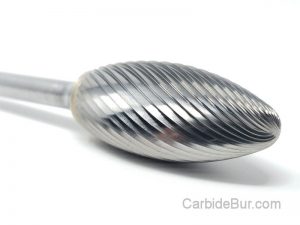
Looking for Carbide Bur Tools?
Check out our entire selection of USA made carbide bur die grinder tool bits
Follow us on Twitter

Return to CarbideBur.com
Carbide Burs – 1/4″ on 1/8″ Shanks – Accessories – Aluminum Cut – Bur Sets – End Mills – Long Shank – Solid Burs

Carbide Burr vs. Grinding Stone: Which Is Better for Metal Removal?
Carbide Burr vs. Grinding Stone: Which Is Better for Metal Removal? When you need to remove metal, smooth a rough edge, or shape a metal component, two common options are carbide burrs and grinding stones. [...]
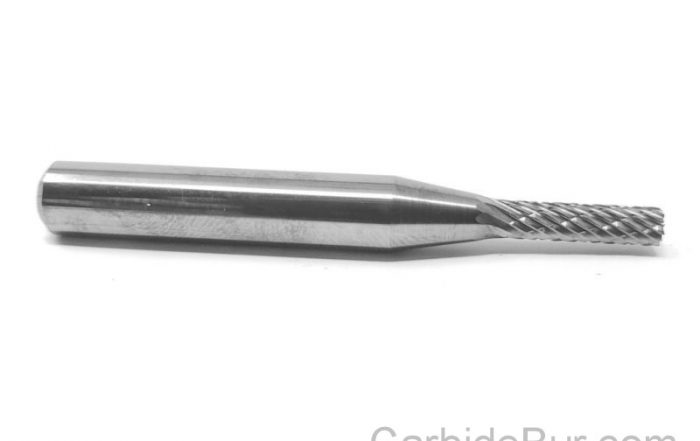
Carbide Burr Safety: RPM, Eye Protection, and Common Mistakes
Carbide Burr Safety: RPM, Eye Protection, and Common Mistakes Carbide burrs are versatile cutting tools used for metal fabrication, welding cleanup, engine porting, deburring, and general material removal. When used correctly, they can help remove [...]
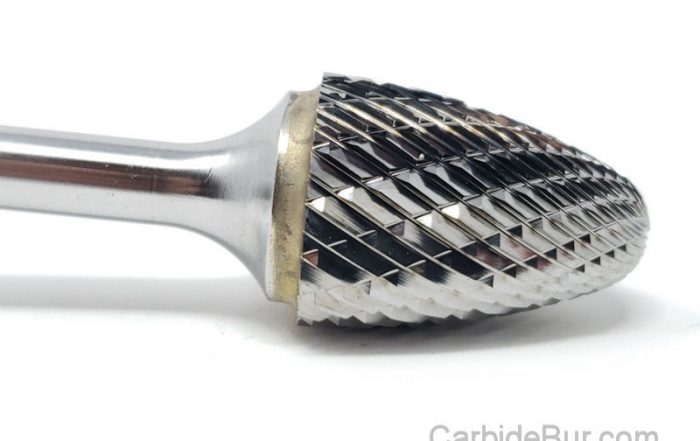
How to Stop Aluminum from Clogging Your Carbide Burr
How to Stop Aluminum from Clogging Your Carbide Burr Aluminum is widely used in automotive work, welding, metal fabrication, aerospace components, and general machining. It is lightweight, relatively easy to machine, and versatile across many [...]
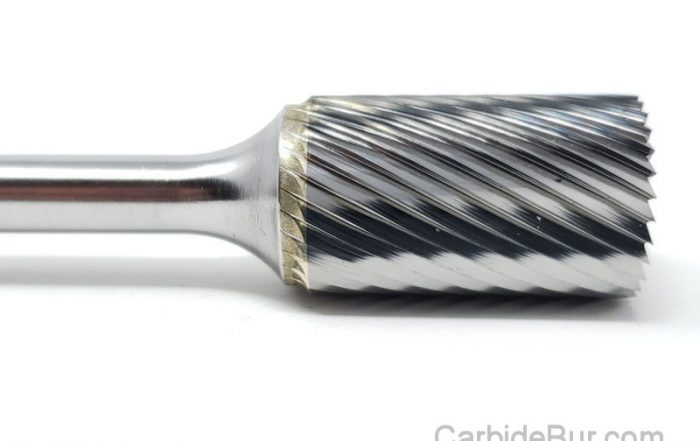
Carbide Burrs for Intake Manifolds: Shaping, Cleanup, and Fitment
Carbide Burrs for Intake Manifolds: Shaping, Cleanup, and Fitment Intake manifold work often involves more than simply bolting a component onto an engine. Depending on the application, metal intake components may have casting irregularities, rough [...]
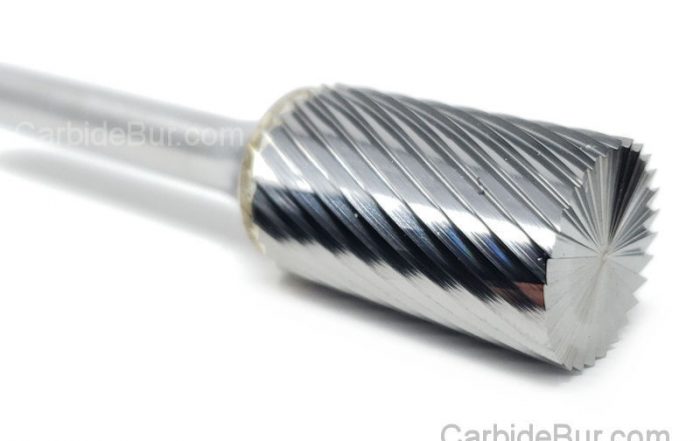
Why Long-Shank Carbide Burrs Are Useful for Hard-to-Reach Areas
Why Long-Shank Carbide Burrs Are Useful for Hard-to-Reach Areas When working on metal parts, the area that needs grinding or shaping is not always easy to reach. Recessed openings, deep cavities, interior surfaces, and complicated [...]
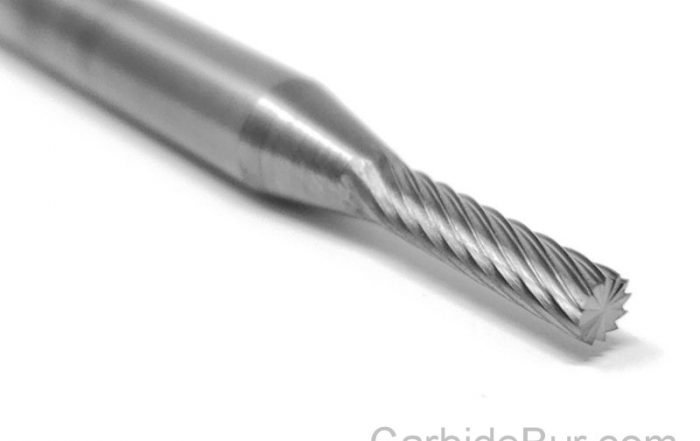
Choosing Carbide Burrs for Stainless Steel Fabrication
Choosing Carbide Burrs for Stainless Steel Fabrication Stainless steel is widely used in fabrication because of its corrosion resistance, strength, and durability. However, those same properties can make it challenging to machine and finish. Removing [...]
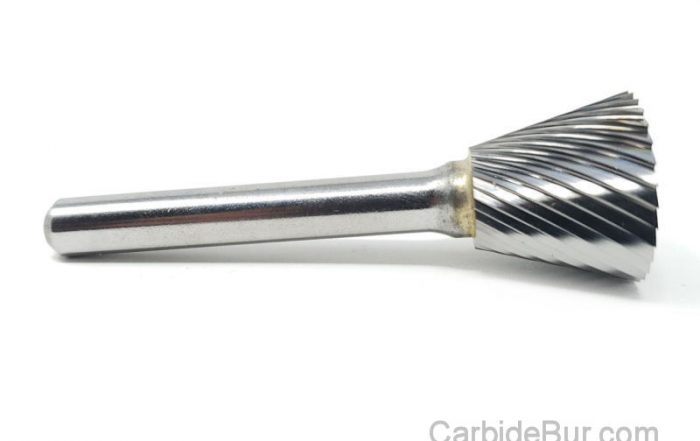
Can You Use Carbide Burrs in a Dremel? Shank Sizes Explained
Can You Use Carbide Burrs in a Dremel? Shank Sizes Explained If you use a Dremel or another rotary tool for detail work, metal shaping, or small fabrication projects, you may wonder whether you can [...]
How to Choose the Best Carbide Burr for Welding and Metal Fabrication
How to Choose the Best Carbide Burr for Welding and Metal Fabrication Welding and metal fabrication often require more than joining two pieces of metal together. Once the welding is finished, fabricators frequently need to [...]
Carbide Burrs for Cylinder Heads: What Automotive Enthusiasts Need to Know
Carbide Burrs for Cylinder Heads: What Automotive Enthusiasts Need to Know Cylinder head work is an important part of engine building, restoration, and performance machining. Whether you are cleaning up casting imperfections, refining port surfaces, [...]
Engine Porting 101: How Carbide Burrs Help Shape Cylinder Head Ports
Engine Porting 101: How Carbide Burrs Help Shape Cylinder Head Ports Engine performance enthusiasts, automotive machinists, and engine builders often look for ways to improve airflow through an engine's cylinder heads. One technique used in [...]
When to Use a 4-Inch or 9-Inch Die Grinder Extension
When to Use a 4-Inch or 9-Inch Die Grinder Extension Metal fabrication, welding, automotive repair, and engine building often require working in places where a standard die grinder and carbide burr cannot easily reach. Recessed [...]
Why Buy USA-Made Carbide Burr Tools? What Buyers Should Compare
Why Buy USA-Made Carbide Burr Tools? What Buyers Should Compare When shopping for carbide burr tools, it's tempting to compare products based on price alone. However, professionals who use rotary cutting tools for welding, metal [...]
