
The Ultimate Guide to Carbide Tools: Making Sense of Burr Shape Codes and Cut Types
Carbide burrs come in countless shapes and cuts, and guessing which one fits your project can waste hours and materials. If you’ve ever stared at a catalog full of baffling burr shape codes, you’re not alone. This guide breaks down those codes step-by-step, so you know exactly which carbide tools match your machining needs. By the end, selecting the right burr tool will feel straightforward, not like decoding a secret language. For more information, explore this resource.
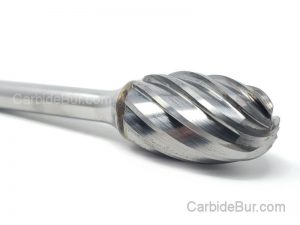
Which carbide bur tool works best for your job?
Understanding Carbide Burrs
Let’s dive into what makes carbide burrs essential in machining and DIY projects. These tools are versatile and offer unique benefits for precise work.
Key Features of Carbide Burrs
Carbide burrs are prized for their durability and cutting ability. Made from tungsten carbide, they can handle high temperatures. This means they last longer and require less frequent replacements. They come in different shapes and sizes, each designed for specific tasks. Whether you’re looking to cut, shape, or grind, there’s a burr that fits the bill. Their versatility is unmatched, making them a must-have in any toolkit.
Benefits of Using Carbide Tools
Using carbide tools can significantly improve your work quality. They provide clean cuts and smooth finishes. This reduces the need for additional polishing. Carbide tools also cut faster and remove material more efficiently than other alternatives. This saves you time and enhances productivity. Plus, they’re perfect for both professional machinists and DIY enthusiasts. Investing in carbide tools can be a game-changer for your projects.
Common Applications in Machining
Carbide burrs are used across various industries. They’re ideal for metalworking, woodworking, and even dentistry. In metalworking, they help in material removal and deburring. Woodworkers use them for carving and shaping wood. Even in dentistry, these tools are utilized for precise work on dental prosthetics. Their adaptability makes them a staple in many fields. The more you use them, the more applications you’ll discover.
Decoding Burr Shape Codes
Understanding burr shape codes is crucial for selecting the right tool. These codes can seem confusing, but we’ll make them simple.
Types of Burr Shape Codes
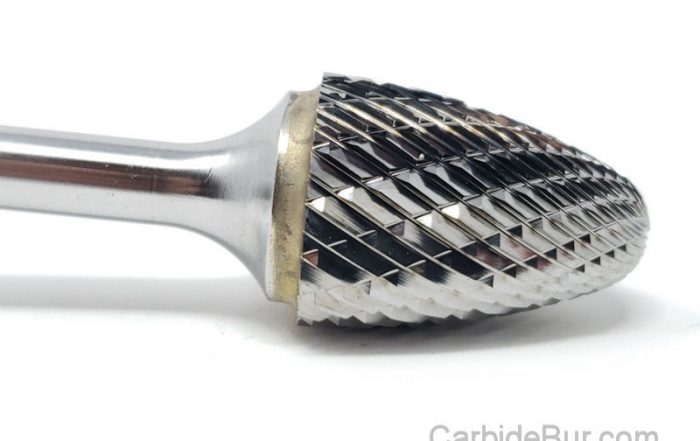
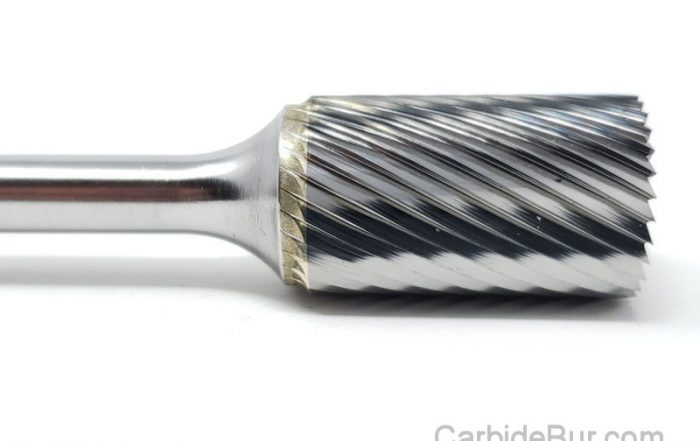
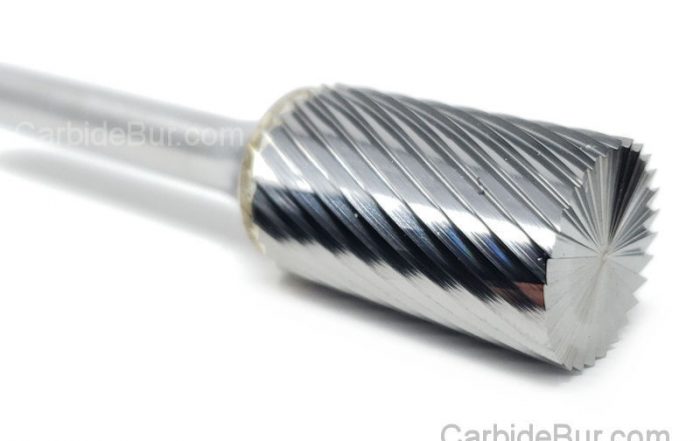
Burr shape codes identify the design and function of each burr. They include numbers and letters, which indicate the shape and size. For instance, a “SA” code might refer to a cylindrical shape. Understanding these codes helps you pick the right tool for your task. This step is essential for achieving desired results without trial and error. More information on these codes can be found here.
Interpreting Code Designations
Interpreting these codes requires a bit of practice. Each letter and number tells a story about the burr’s function. For example, “SC” could denote a spherical shape suited for contouring. By knowing these codes, you select tools that perform specific tasks. This knowledge saves time and enhances efficiency. It also reduces material wastage, ensuring precise cuts every time.
Choosing the Right Shape
Selecting the right shape is key to a successful project. Each shape serves a different purpose. If you’re cutting flat surfaces, a cylindrical burr is ideal. For contours, opt for a spherical shape. Choosing the right tool minimizes errors and maximizes results. The more familiar you become with shapes, the more confident your selection process will be.
Exploring Cut Types
Cut types influence the performance of carbide burrs. Understanding these can elevate your machining projects.
Single Cut vs. Double Cut
Single and double cut types serve distinct purposes. Single cut burrs are great for hard materials. They remove material quickly, creating long chips. Double cut burrs, however, are versatile. They produce finer finishes and smaller chips. This makes them perfect for detailed work. Choosing between them depends on your project’s requirements. For more insights, visit this guide.
Specialty Cut Options
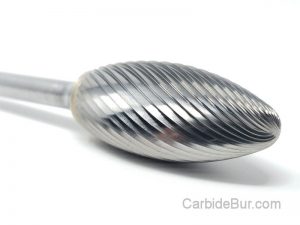
Apart from single and double cuts, specialty cuts offer unique advantages. Flame cuts are ideal for detailed carving. Inverted cone cuts help remove materials from tight spots. Each specialty cut provides specific benefits, enhancing project outcomes. They allow for greater creativity and precision. Experiment with different cuts to find what suits your needs best.

Selecting Cuts for Projects
Choosing the right cut type is essential for success. Consider the material and desired finish. For aggressive material removal, single cuts are effective. For smooth finishes, double cuts are preferable. Specialty cuts can add detail and precision to your work. Selecting the right cut ensures the best results for your project. Understanding this aspect can significantly impact your work’s quality.
Burr Tool Selection Guide
Finding the right burr tool involves matching it to your specific materials and needs.
Matching Burrs to Materials
Different materials require different burrs. For soft materials like wood, use double cut burrs. For hard metals, single cut burrs provide efficiency. Matching burrs to materials enhances tool life and performance. It helps avoid unnecessary wear and tear. By choosing correctly, you ensure smooth, precise machining every time.
Factors Influencing Tool Choices
Several factors influence your tool choices. Consider the material, desired finish, and project scope. Different tasks require specific shapes and cuts. Taking these into account ensures optimal performance. It minimizes errors and boosts productivity. With practice, selecting the right tools becomes second nature.
Tips for Effective Burr Use
Using burrs effectively requires some know-how. Always secure your workpiece to avoid accidents. Use the right speed for your material to prevent tool damage. Regularly inspect your tools for wear. Keeping these tips in mind ensures safe and effective use. This leads to better results and prolongs tool life.
Tips for Machinists and DIY Enthusiasts
Proper care and technique can extend the life of your tools and improve project outcomes.
Maintenance and Care
Maintaining your tools is crucial for longevity. Clean them after each use to prevent buildup. Store them in a dry place to avoid rust. Regular maintenance keeps them in top condition. This extends their life and ensures consistent performance. A little care goes a long way in preserving your investment.
Enhancing Tool Performance
Maximizing tool performance requires attention to detail. Use the correct pressure to avoid overheating. Choose suitable speeds for different materials. Adjusting these factors enhances performance and results. It reduces wear and tear, keeping your tools effective longer. Consistent performance is achievable with mindful adjustments.
Common Mistakes to Avoid
Avoiding common mistakes can save time and resources. Never use the wrong burr for a material. It can damage both the tool and the workpiece. Avoid excessive pressure; it may cause overheating. Being mindful of these errors ensures better results. It also enhances safety and efficiency in your work.
Looking for Carbide Bur Tools?
Check out our entire selection of USA made carbide bur die grinder tool bits
Follow us on Twitter

Return to CarbideBur.com
Carbide Burs – 1/4″ on 1/8″ Shanks – Accessories – Aluminum Cut – Bur Sets – End Mills – Long Shank – Solid Burs
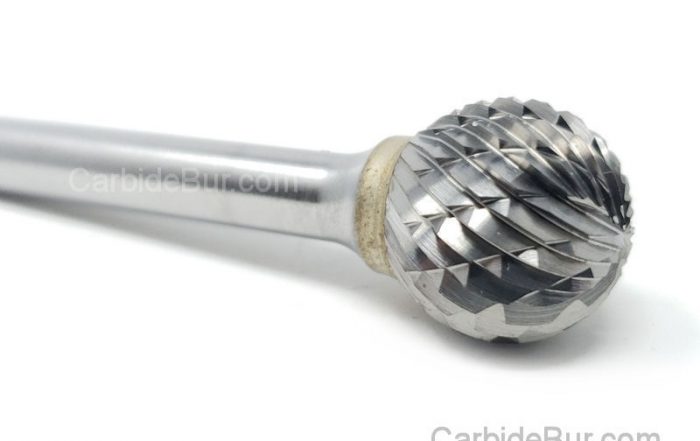
Carbide Burr vs. Grinding Stone: Which Is Better for Metal Removal?
Carbide Burr vs. Grinding Stone: Which Is Better for Metal Removal? When you need to remove metal, smooth a rough edge, or shape a metal component, two common options are carbide burrs and grinding stones. [...]
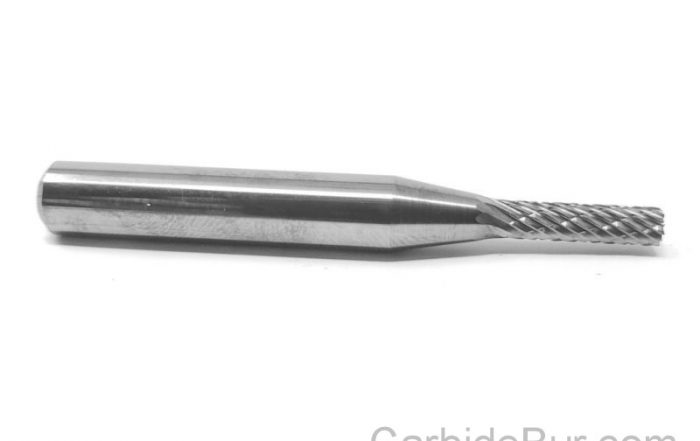
Carbide Burr Safety: RPM, Eye Protection, and Common Mistakes
Carbide Burr Safety: RPM, Eye Protection, and Common Mistakes Carbide burrs are versatile cutting tools used for metal fabrication, welding cleanup, engine porting, deburring, and general material removal. When used correctly, they can help remove [...]
How to Stop Aluminum from Clogging Your Carbide Burr
How to Stop Aluminum from Clogging Your Carbide Burr Aluminum is widely used in automotive work, welding, metal fabrication, aerospace components, and general machining. It is lightweight, relatively easy to machine, and versatile across many [...]
Carbide Burrs for Intake Manifolds: Shaping, Cleanup, and Fitment
Carbide Burrs for Intake Manifolds: Shaping, Cleanup, and Fitment Intake manifold work often involves more than simply bolting a component onto an engine. Depending on the application, metal intake components may have casting irregularities, rough [...]
Why Long-Shank Carbide Burrs Are Useful for Hard-to-Reach Areas
Why Long-Shank Carbide Burrs Are Useful for Hard-to-Reach Areas When working on metal parts, the area that needs grinding or shaping is not always easy to reach. Recessed openings, deep cavities, interior surfaces, and complicated [...]
Choosing Carbide Burrs for Stainless Steel Fabrication
Choosing Carbide Burrs for Stainless Steel Fabrication Stainless steel is widely used in fabrication because of its corrosion resistance, strength, and durability. However, those same properties can make it challenging to machine and finish. Removing [...]
Can You Use Carbide Burrs in a Dremel? Shank Sizes Explained
Can You Use Carbide Burrs in a Dremel? Shank Sizes Explained If you use a Dremel or another rotary tool for detail work, metal shaping, or small fabrication projects, you may wonder whether you can [...]
How to Choose the Best Carbide Burr for Welding and Metal Fabrication
How to Choose the Best Carbide Burr for Welding and Metal Fabrication Welding and metal fabrication often require more than joining two pieces of metal together. Once the welding is finished, fabricators frequently need to [...]
Carbide Burrs for Cylinder Heads: What Automotive Enthusiasts Need to Know
Carbide Burrs for Cylinder Heads: What Automotive Enthusiasts Need to Know Cylinder head work is an important part of engine building, restoration, and performance machining. Whether you are cleaning up casting imperfections, refining port surfaces, [...]
Engine Porting 101: How Carbide Burrs Help Shape Cylinder Head Ports
Engine Porting 101: How Carbide Burrs Help Shape Cylinder Head Ports Engine performance enthusiasts, automotive machinists, and engine builders often look for ways to improve airflow through an engine's cylinder heads. One technique used in [...]
When to Use a 4-Inch or 9-Inch Die Grinder Extension
When to Use a 4-Inch or 9-Inch Die Grinder Extension Metal fabrication, welding, automotive repair, and engine building often require working in places where a standard die grinder and carbide burr cannot easily reach. Recessed [...]
Why Buy USA-Made Carbide Burr Tools? What Buyers Should Compare
Why Buy USA-Made Carbide Burr Tools? What Buyers Should Compare When shopping for carbide burr tools, it's tempting to compare products based on price alone. However, professionals who use rotary cutting tools for welding, metal [...]
