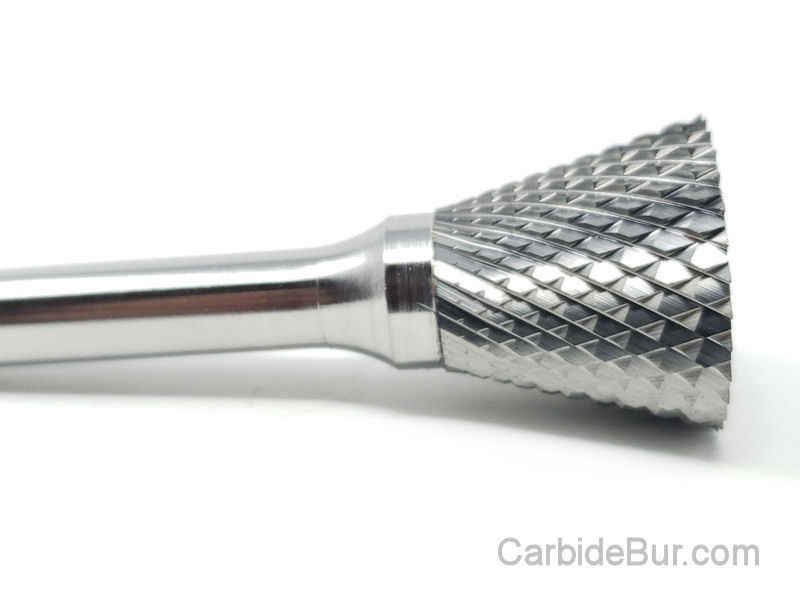
Why Does My Carbide Burr Keep Chattering?
Carbide burr chattering can turn a smooth job into a frustrating mess in minutes. You might be spinning your tool too fast or using the wrong burr size for your material without even realizing it. In this post, you’ll find clear reasons why chatter happens and simple fixes to keep your cuts clean and your tools lasting longer. For more insights, check out this expert guide on avoiding carbide burr chattering.
Understanding Carbide Burr Chattering
Let’s dive into why carbide burrs chatter and how it affects your work. Recognizing these issues early can save you time and effort.
Common Causes of Chattering
Carbide burr chattering often results from a few common mistakes. Spinning your burr too fast or at the wrong angle can create vibrations. Using an incorrect burr size for your material is another frequent cause. This mismatch leads to irregular contact with the surface, causing chatter. Lack of support for your tool might also be to blame. If your tool isn’t stable, it can move unexpectedly, creating a chatter effect.
Impact on Work Quality
Chatter doesn’t just annoy you; it affects the quality of your work. Each vibration can leave tiny marks, altering the smoothness of your finish. This imperfection can complicate further processing. Moreover, chatter can reduce precision, leading to costly material waste. Over time, these issues can compound, negatively impacting your projects’ overall quality.
Recognizing the Signs Early
Spotting chatter early helps in addressing it right away. Listen for unusual noises or feel for vibrations. These are early signs that your tool isn’t operating smoothly. Watch the surface of your workpiece; if it’s not as smooth as expected, chatter might be the culprit. Identifying these signs allows for prompt corrections, reducing damage and maintaining quality.
Key Factors Impacting Burr Performance
Several factors influence how your burr performs. Addressing these can prevent chatter and improve results.
Importance of Burr RPM Settings
Setting the right RPM is crucial for smooth operation. If your RPM is too high or too low, you might end up with chatter. For effective cuts, adjust the speed based on your material. Metals may need slower speeds, while softer materials might require faster RPMs. This adjustment ensures the burr works efficiently with minimal vibration.
Choosing the Right Burr Size and Material
Selecting the appropriate burr size is essential. A burr too large or small for your material can cause chatter. Consider the hardness of your material when choosing your burr. For softer materials, a less aggressive burr can work better. Harder materials might need a more robust burr. This selection helps in achieving a smoother cut without unnecessary vibrations. You can find more tips on choosing the right burr for specific tasks.
Ensuring Adequate Tool Support
Proper tool support is vital for stable operation. If your tool is not well-supported, it can lead to unwanted movements. Secure your tool firmly to avoid these issues. A stable setup minimizes vibration, allowing for a smoother finish. Check your work surface and tool positioning to ensure they’re as stable as possible during operation.
Effective Strategies to Minimize Tool Chatter
Minimizing chatter involves a few strategic adjustments. These tweaks can make a significant difference in your work.
Adjusting RPM and Feed Rates
Fine-tuning your RPM and feed rates can dramatically reduce chatter. Start by setting your RPM to match your material’s requirements. Adjust your feed rate to ensure the burr moves smoothly through the material. A consistent feed without forcing the tool will help maintain a smooth cut. Remember, small changes can have big impacts on reducing chatter.
Proper Burr Maintenance Techniques
Regular maintenance of your burr keeps it in top condition. Clean your burrs after each use to remove debris. Inspect them for any signs of wear and tear, replacing them if necessary. A well-maintained burr cuts more efficiently and vibrates less. Keeping your tools in good shape is a simple way to minimize chatter.
Enhancing Tool Support During Operation
Enhancing support while the tool operates is crucial. Use clamps or additional supports to keep everything steady. This prevents unwanted movements that lead to chatter. Ensure your workspace is organized and stable to provide the best environment for your tools. Small adjustments in support can lead to significant improvements in your work quality.
Practical Machining Tips for Smooth Operation
Smooth operation is about consistency and care. Here are some practical tips to achieve this.
Selecting Compatible Materials
Choose materials that are compatible with your tools. Mismatched materials increase the risk of chatter and tool wear. Understand the properties of your materials to select the right burr and RPM settings. This compatibility ensures smoother operation and better results. For more on material selection, explore this guide on versatile carbide burr applications.
Maintaining Consistent Pressure
Applying consistent pressure during use helps maintain smooth operation. Avoid pressing too hard, as it can cause chatter and damage. Instead, let the tool do the work. Use steady, even pressure to guide the burr through the material. This approach reduces vibrations and improves the quality of your cuts.
Regular Tool Check-Ups and Adjustments
Routine checks and adjustments keep your tools in optimal condition. Inspect your tools for any signs of wear and tear. Make necessary adjustments to ensure they’re working correctly. Regular maintenance helps prevent problems before they arise, ensuring smooth operation. A simple check-up can save time and improve results.
Prolonging the Life of Your Carbide Burr
Extending the life of your burr not only saves money but also maintains performance.
Routine Maintenance Practices
Regular maintenance is key to prolonging your burr’s life. Clean them after use and store them properly. Sharpen your burrs as needed to ensure they cut efficiently. These practices keep your tools in working order and reduce the likelihood of chatter. Consistent care leads to longer-lasting tools.
Safe Storage and Handling
Store your burrs safely to prevent damage. Use cases or holders to keep them organized and protected. Avoid dropping them or exposing them to harsh environments. Handling your tools with care ensures they remain in good condition and ready for use. Safe storage extends their lifespan.
Long-term Performance Optimization
Optimizing performance over the long term involves consistent care and attention. Invest time in understanding your tools and materials. Make adjustments based on experience and feedback. This proactive approach helps in maintaining the quality and efficiency of your tools. Long-term optimization is about making informed decisions and practicing consistent care.
Frequently Asked Questions
What causes carbide burr chattering?
Chattering can occur due to incorrect RPM settings, improper burr size for the material, or insufficient tool support. These factors can cause vibrations that lead to a rough surface finish.
How can I reduce tool chatter during operation?
Adjusting RPM and feed rates, ensuring proper tool support, and maintaining your burrs are key strategies. These steps help minimize vibrations and improve cut quality.
Why is regular maintenance important for carbide burrs?
Routine maintenance keeps burrs sharp and free from debris. It ensures efficient cutting and prolongs tool life, reducing the chance of chatter.
What materials are best for carbide burrs?
Carbide burrs work well with various materials, including metals and woods. Selecting a compatible material for your specific burr ensures better performance and reduced chatter.
How do I choose the right burr size?
Consider the material’s hardness and the desired finish. Choosing the right size ensures efficient cutting and minimizes the risk of chatter.
Looking for Carbide Bur Tools?
Check out our entire selection of USA made carbide bur die grinder tool bits
Follow us on Twitter

Return to CarbideBur.com
Carbide Burs – 1/4″ on 1/8″ Shanks – Accessories – Aluminum Cut – Bur Sets – End Mills – Long Shank – Solid Burs
Carbide Burr vs. Grinding Stone: Which Is Better for Metal Removal?
Carbide Burr vs. Grinding Stone: Which Is Better for Metal Removal? When you need to remove metal, smooth a rough edge, or shape a metal component, two common options are carbide burrs and grinding stones. [...]
Carbide Burr Safety: RPM, Eye Protection, and Common Mistakes
Carbide Burr Safety: RPM, Eye Protection, and Common Mistakes Carbide burrs are versatile cutting tools used for metal fabrication, welding cleanup, engine porting, deburring, and general material removal. When used correctly, they can help remove [...]
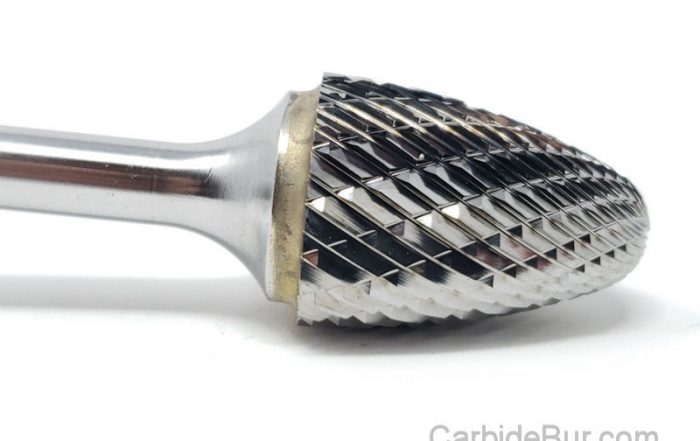
How to Stop Aluminum from Clogging Your Carbide Burr
How to Stop Aluminum from Clogging Your Carbide Burr Aluminum is widely used in automotive work, welding, metal fabrication, aerospace components, and general machining. It is lightweight, relatively easy to machine, and versatile across many [...]
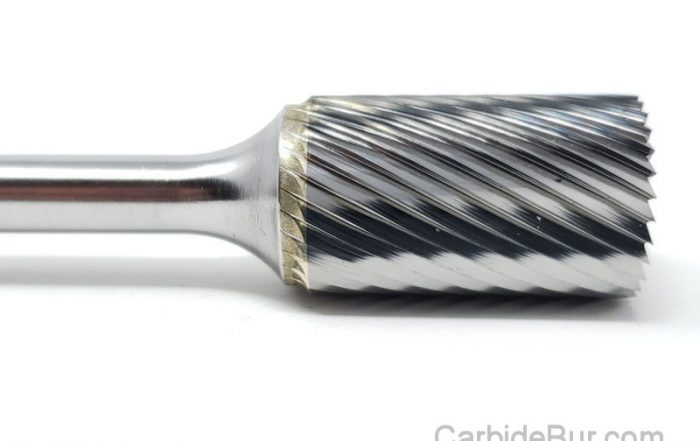
Carbide Burrs for Intake Manifolds: Shaping, Cleanup, and Fitment
Carbide Burrs for Intake Manifolds: Shaping, Cleanup, and Fitment Intake manifold work often involves more than simply bolting a component onto an engine. Depending on the application, metal intake components may have casting irregularities, rough [...]
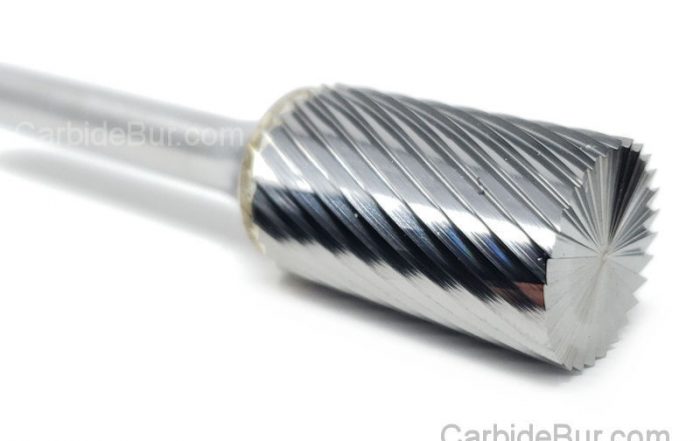
Why Long-Shank Carbide Burrs Are Useful for Hard-to-Reach Areas
Why Long-Shank Carbide Burrs Are Useful for Hard-to-Reach Areas When working on metal parts, the area that needs grinding or shaping is not always easy to reach. Recessed openings, deep cavities, interior surfaces, and complicated [...]
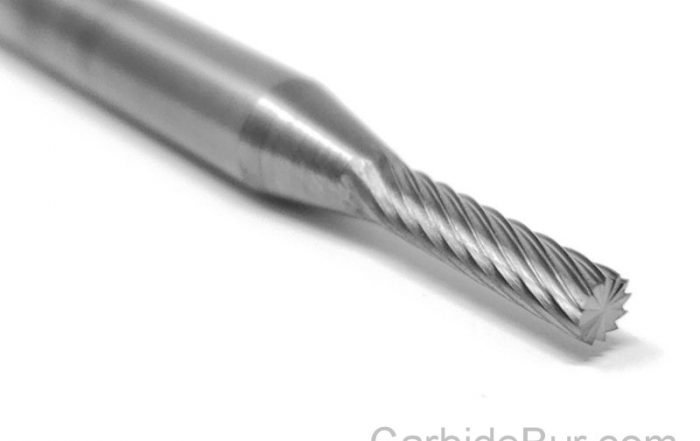
Choosing Carbide Burrs for Stainless Steel Fabrication
Choosing Carbide Burrs for Stainless Steel Fabrication Stainless steel is widely used in fabrication because of its corrosion resistance, strength, and durability. However, those same properties can make it challenging to machine and finish. Removing [...]
Can You Use Carbide Burrs in a Dremel? Shank Sizes Explained
Can You Use Carbide Burrs in a Dremel? Shank Sizes Explained If you use a Dremel or another rotary tool for detail work, metal shaping, or small fabrication projects, you may wonder whether you can [...]
How to Choose the Best Carbide Burr for Welding and Metal Fabrication
How to Choose the Best Carbide Burr for Welding and Metal Fabrication Welding and metal fabrication often require more than joining two pieces of metal together. Once the welding is finished, fabricators frequently need to [...]
Carbide Burrs for Cylinder Heads: What Automotive Enthusiasts Need to Know
Carbide Burrs for Cylinder Heads: What Automotive Enthusiasts Need to Know Cylinder head work is an important part of engine building, restoration, and performance machining. Whether you are cleaning up casting imperfections, refining port surfaces, [...]
Engine Porting 101: How Carbide Burrs Help Shape Cylinder Head Ports
Engine Porting 101: How Carbide Burrs Help Shape Cylinder Head Ports Engine performance enthusiasts, automotive machinists, and engine builders often look for ways to improve airflow through an engine's cylinder heads. One technique used in [...]
When to Use a 4-Inch or 9-Inch Die Grinder Extension
When to Use a 4-Inch or 9-Inch Die Grinder Extension Metal fabrication, welding, automotive repair, and engine building often require working in places where a standard die grinder and carbide burr cannot easily reach. Recessed [...]
Why Buy USA-Made Carbide Burr Tools? What Buyers Should Compare
Why Buy USA-Made Carbide Burr Tools? What Buyers Should Compare When shopping for carbide burr tools, it's tempting to compare products based on price alone. However, professionals who use rotary cutting tools for welding, metal [...]