Why Does My Carbide Burr Break? 10 Common Causes
Carbide burrs breaking in the middle of a project can bring everything to a halt and drain your budget fast. You’ve probably wondered why your tools don’t last as long as they should, even when you think you’re using them right. This post breaks down the 10 most common causes of burr breakage and shares practical machining tips to help you avoid costly mistakes and get more from your woodworking tools. For more insights, check out this resource.
Understanding Carbide Burrs
Exploring the essential role that carbide burrs play in machining and woodworking can help you prevent breakage and save money.
What Are Carbide Burrs?
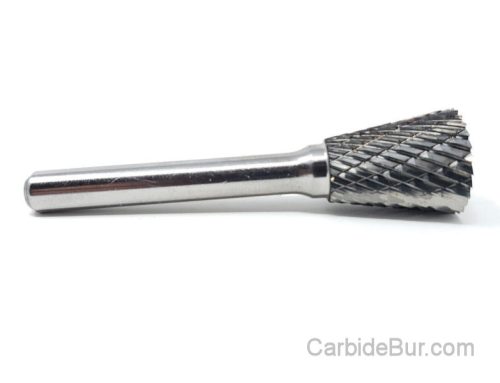
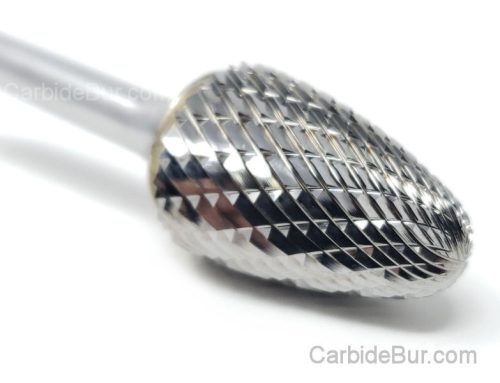
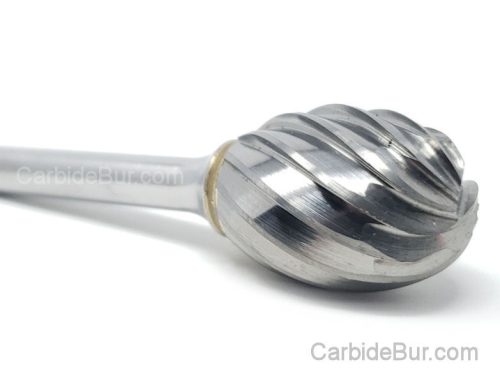
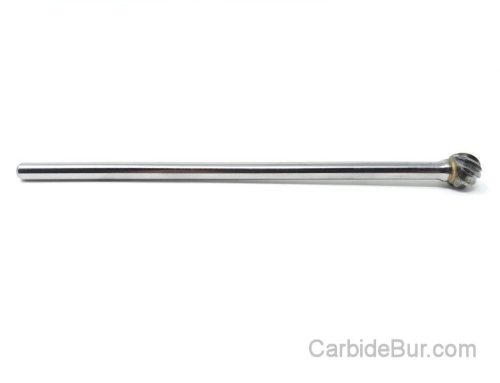
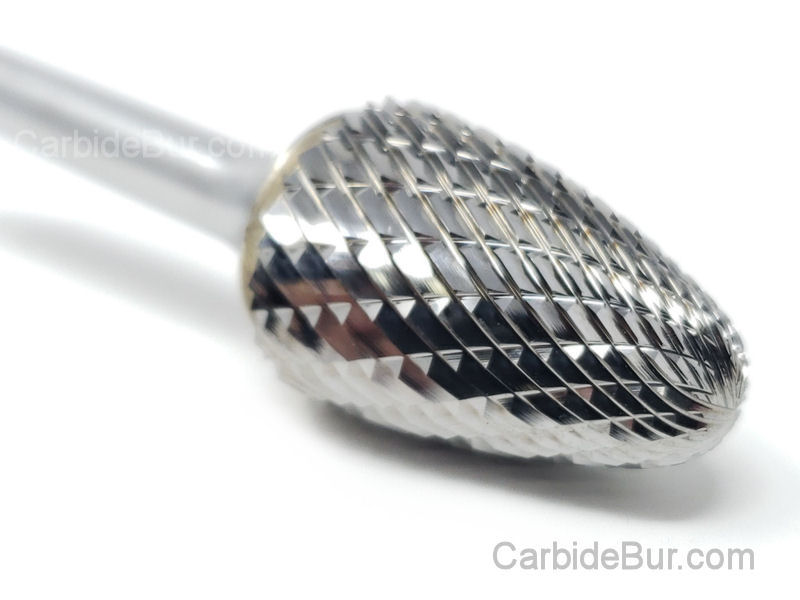
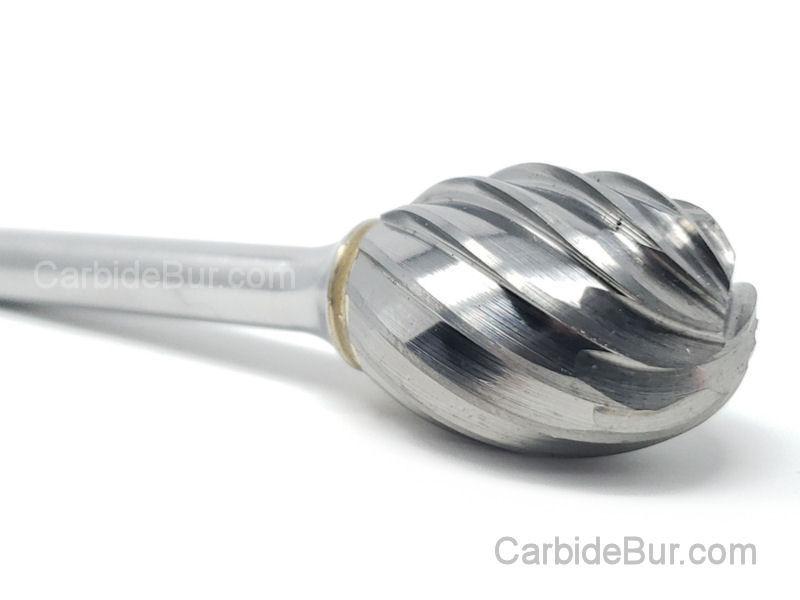
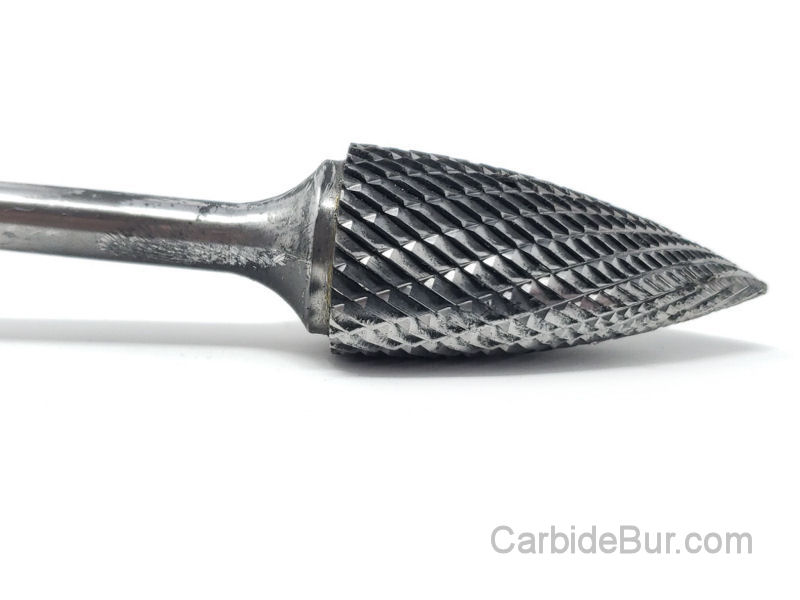
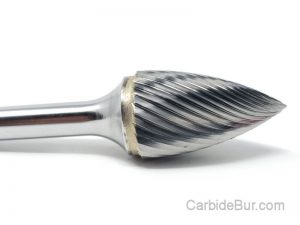
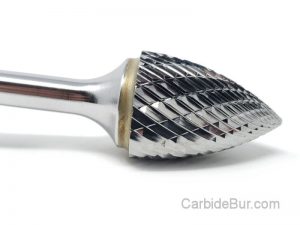
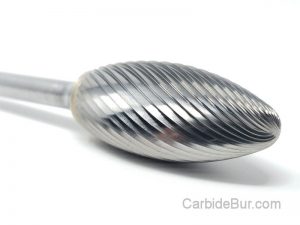
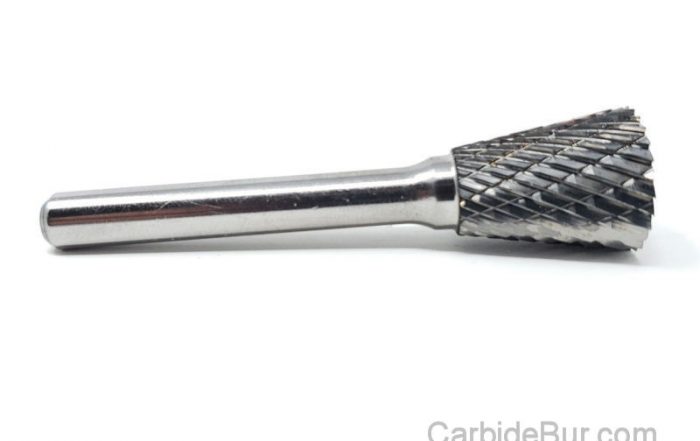
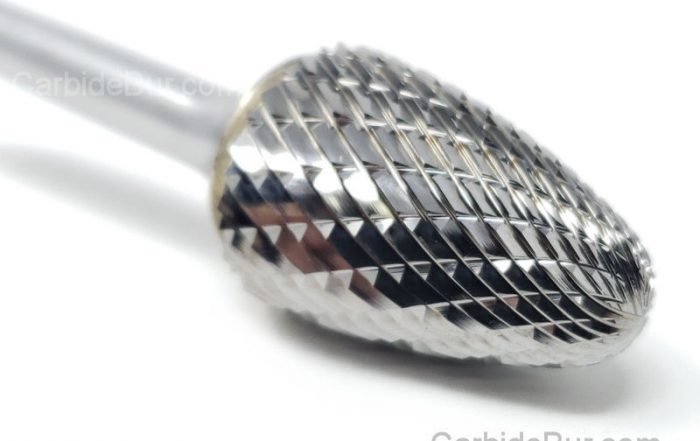
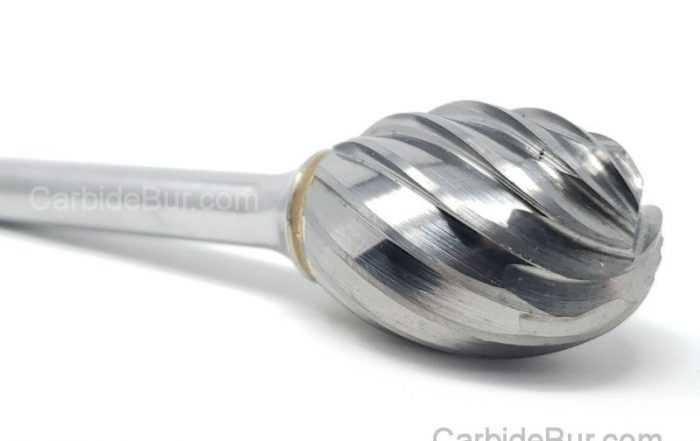
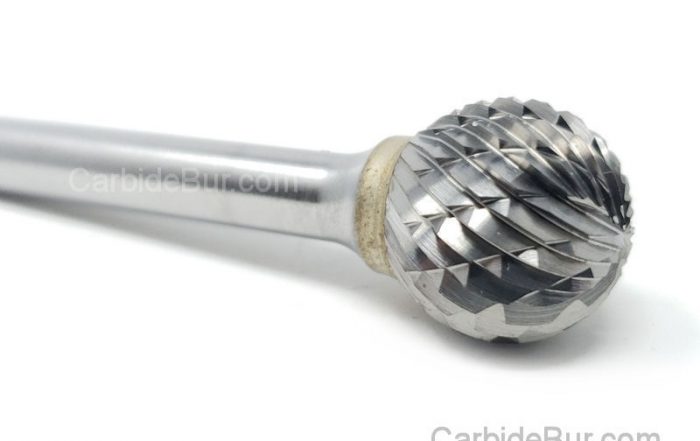
Carbide burrs are versatile tools used to cut, shape, and remove material. Made from tungsten carbide, they are durable and can handle tough materials like steel and wood. These burrs come in various shapes and sizes, allowing you to find the perfect fit for your project. Their primary function is to ensure precision in cutting and shaping. But like any tool, they require proper handling to last.
Common Uses in Machining
In machining, carbide burrs are indispensable. You can use them to refine metal surfaces, remove welds, and achieve intricate designs. They are your go-to for smooth finishes and precise cuts. Whether you’re working on a large-scale project or a detailed piece, these tools are vital. They not only ensure quality but also speed up the process, making your work more efficient.
Importance in Woodworking
Woodworkers rely on carbide burrs to achieve detailed carvings and smooth edges. These tools are perfect when you need to remove material without damaging the wood. They allow for precision, making them essential for both amateur and professional woodworkers. By selecting the right burr, you can enhance the quality of your work and avoid costly mistakes.
Top Causes of Burr Breakage
Understanding why carbide burrs break can save you time and money on replacements. Let’s dive into the common pitfalls.
Improper Feed Rates
Feed rate is crucial in machining. Applying too much pressure or moving too quickly can lead to breakage. To avoid this, maintain a steady pace and adjust your machine settings before starting. Consistency in feed rates ensures that your burrs last longer and deliver clean cuts. Experiment with different speeds to find what works best for your material.
Overloading the Tool
It’s easy to push tools beyond their limits, especially when you’re in a hurry. But overloading can cause carbide burrs to break. Instead, focus on small, precise movements. This not only protects your tools but also results in higher quality work. Remember, patience is key to achieving the best results without unnecessary wear and tear.
Incorrect Burr Selection
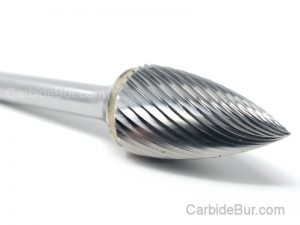
Choosing the wrong burr for your material can lead to quick breakage. Each burr is designed for specific tasks, so ensure you select the right one for your project. Pay attention to the size and shape that suits your needs. By selecting the correct burr, you enhance performance and avoid damage. For tips on choosing the right burr, visit here.
Avoiding Breakage with Proper Techniques
Learning how to prevent burr breakage can enhance your machining and woodworking processes.
Effective Cooling Methods
Proper cooling prevents overheating, which can weaken burrs. Use air or liquid cooling systems to keep temperatures low during operation. This helps maintain the integrity of the burrs and extends their life. Cooling methods are a simple yet effective way to protect your tools from breaking.
Choosing the Right Burr
Selecting the appropriate burr for your material is crucial. Consider the hardness and density of the material before deciding. This ensures that you achieve optimal results with minimal tool wear. Knowing your material’s requirements leads to fewer mistakes and less frequent replacements.
Maintaining Optimal Feed Rates
Feed rates play a significant role in the performance of your burrs. Keep a consistent speed to avoid stress on the tools. Regularly check and adjust your machine settings to maintain the ideal pace. This practice not only extends tool life but also improves the quality of your work.
Tips for Tool Longevity
Extend the life of your carbide burrs with these practical maintenance and handling tips.
Regular Tool Maintenance
Routine maintenance is vital for keeping tools in top shape. Clean burrs after each use and check for any signs of wear. Regular inspections can prevent unexpected breakage and ensure reliable performance. Make maintenance a habit to get the most out of your tools.
Safe Handling Practices
Handle your tools with care to prevent damage. Store them properly when not in use and avoid dropping them. Proper handling reduces the risk of breakage and keeps your tools ready for use. Safe practices protect your investment and enhance tool longevity.
Monitoring Tool Performance
Keep an eye on how your burrs are performing. Listen for unusual sounds or notice any changes in cutting efficiency. Early detection of potential issues can prevent costly breakages. Stay proactive in monitoring to address problems before they escalate.
Enhancing Cutting Applications
Unlock the full potential of your carbide burrs with advanced techniques and insights.
Efficient Machining Tips
Efficiency in machining means faster project completion without sacrificing quality. Use the right techniques for different materials to maximize output. Efficient practices not only save time but also enhance the overall quality of your work. For more machining tips, explore this guide.
Maximizing Woodworking Tools
Get the most out of your woodworking tools with strategic tool use. Understand your tools’ capabilities and limitations to improve your projects. Strategic use ensures that your tools last longer and perform better. By maximizing your tools, you elevate your craftsmanship.
Preventing Burr Breakage
Avoid the frustration of burr breakage by adopting preventive measures. Implement the tips and techniques discussed to safeguard your tools. Prevention is always better than cure, and with proper care, you can minimize breakages. Protect your tools and enjoy seamless project execution.
Frequently Asked Questions
Why do carbide burrs break?
Carbide burrs break due to improper feed rates, overloading, and incorrect burr selection. Ensuring the right settings and choosing the correct burr can prevent breakage.
How can I extend the life of my carbide burrs?
Regular maintenance, safe handling, and monitoring performance are key to extending the life of your burrs. Proper techniques and tool selection also play a crucial role.
What are effective cooling methods for carbide burrs?
Using air or liquid cooling systems helps maintain low temperatures during operation, preventing overheating and extending the burrs’ lifespan.
How do I choose the right carbide burr for my project?
Consider the material’s hardness and density when selecting a burr. Each burr is designed for specific tasks, so choose accordingly for optimal results.
What are some efficient machining tips?
Focus on using the right techniques for different materials and maintaining consistent feed rates. Efficient practices enhance quality and reduce project time.
Looking for Carbide Bur Tools?
Check out our entire selection of USA made carbide bur die grinder tool bits
Follow us on Twitter

Return to CarbideBur.com
Carbide Burs – 1/4″ on 1/8″ Shanks – Accessories – Aluminum Cut – Bur Sets – End Mills – Long Shank – Solid Burs
Carbide Burrs for Removing Rust: What Works Best?
Carbide Burrs for Removing Rust: What Works Best? Rust can turn your favorite tools into useless junk faster than you expect. Removing it without ruining the metal underneath takes more than just elbow grease—it demands [...]
How Much Pressure Should You Use With a Carbide Burr?
How Much Pressure Should You Use With a Carbide Burr? Most people think pressing harder with a carbide burr speeds up the job. That’s not true—too much pressure wears out your tool and ruins the [...]
Can You Use Carbide Burrs With an Air Die Grinder?
Can You Use Carbide Burrs With an Air Die Grinder? Most people don’t realize how well carbide burrs work with air die grinders until they try them. If you’ve ever struggled with finding the right [...]
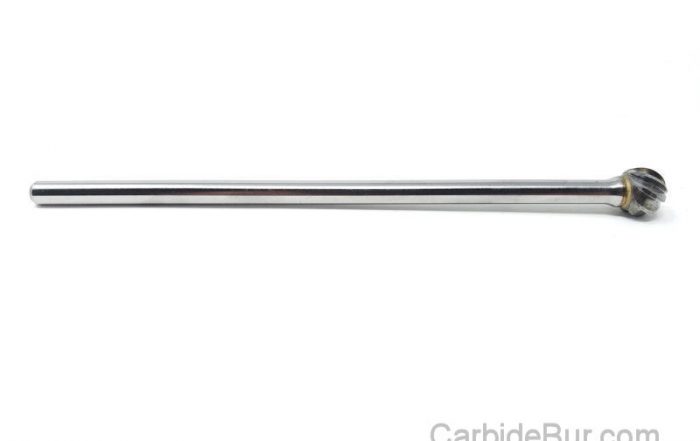
Best Long Reach Carbide Burr for Deep Metal Work
Best Long Reach Carbide Burr for Deep Metal Work Long reach carbide burrs often promise deep metal access, but many fall short where it counts most. You need a tool that cuts cleanly, lasts through [...]
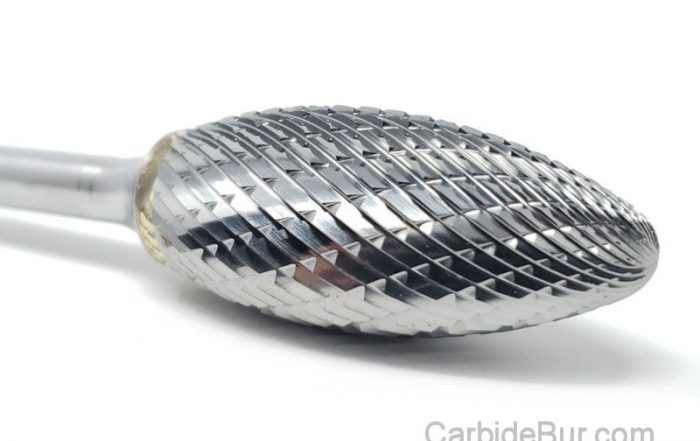
What RPM Should You Use for a 1/8 Inch Carbide Burr?
What RPM Should You Use for a 1/8 Inch Carbide Burr? Most people guess the right carbide burr RPM by feel—and waste hours redoing work. If you want cleaner cuts and longer tool life, your [...]
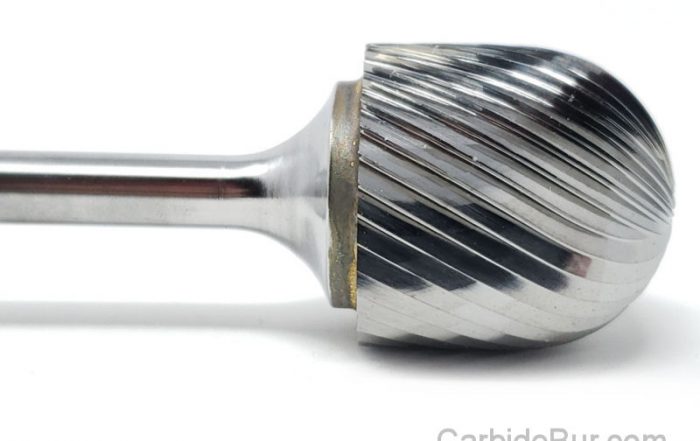
Carbide Burrs for Tight Spaces: Choosing the Right Shape
Carbide Burrs for Tight Spaces: Choosing the Right Shape Tackling tight spaces with the wrong carbide burrs wastes time and risks damaging your work. Choosing the right burr shape makes all the difference when working [...]
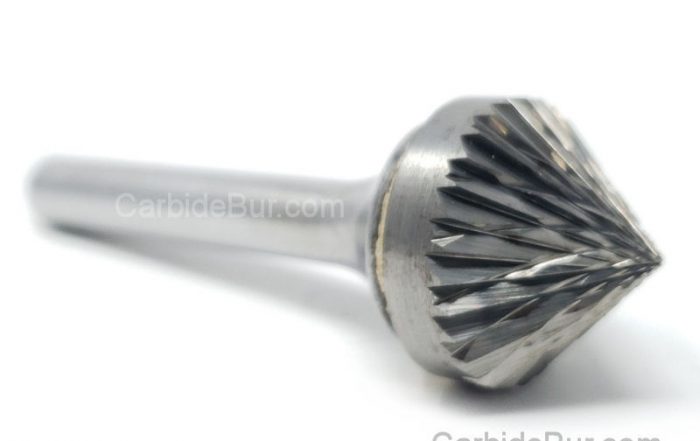
Can Carbide Burrs Remove Paint From Metal?
Can Carbide Burrs Remove Paint From Metal? Stripping paint from metal often feels like a tough chore that risks damaging the surface underneath. Many turn to carbide burrs hoping they can speed things up without [...]
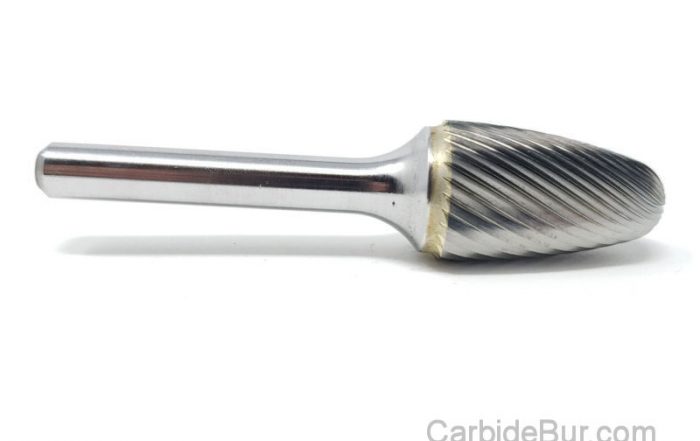
How to Grind a Groove in Metal With a Carbide Burr
How to Grind a Groove in Metal With a Carbide Burr Most metalworkers struggle to cut clean grooves without wasting time or ruining their workpiece. Many try different metalworking tools but end up with uneven [...]
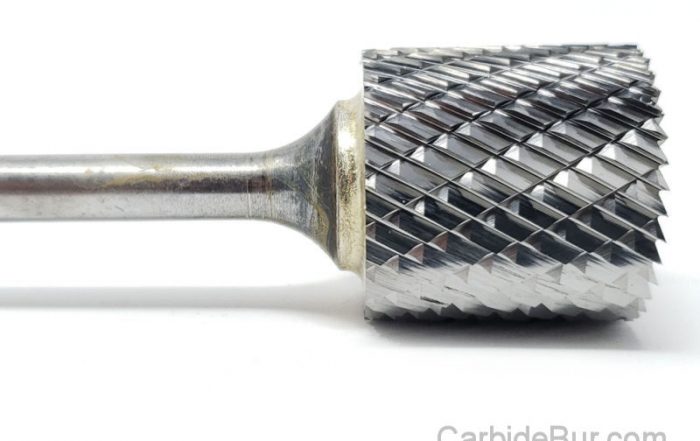
Can Carbide Burrs Cut Through Welds?
Can Carbide Burrs Cut Through Welds? Cutting through welds can feel like a battle, especially when you need clean results without harming the base metal. Carbide burrs offer a sharp edge in this fight, but [...]
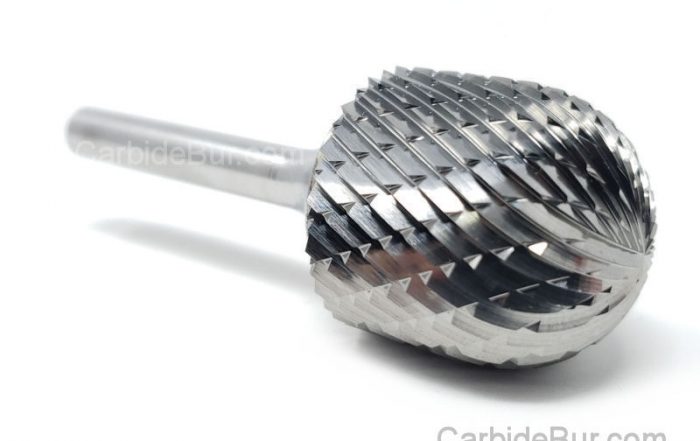
How to Use a Carbide Burr With a Die Grinder
How to Use a Carbide Burr With a Die Grinder Most people treat a carbide burr like just another tool, but using it with a die grinder takes skill. If you’ve struggled with burr installation [...]
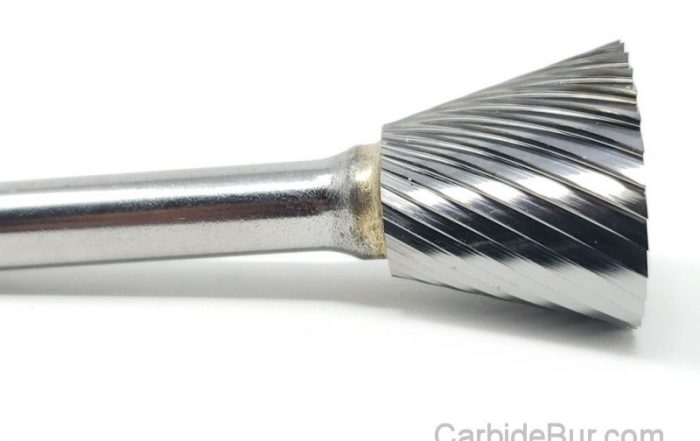
1/8 vs 1/4 Inch Carbide Burrs: What’s the Difference?
1/8 vs 1/4 Inch Carbide Burrs: What's the Difference? Choosing between a 1/8 inch carbide burr and a 1/4 inch carbide burr can change how your project turns out. Many machinists and hobbyists overlook how [...]
Best Carbide Burr for Removing Flash From Castings
Best Carbide Burr for Removing Flash From Castings Removing flash from castings is a task that can slow down your entire metalworking process if you don’t have the right tools. Picking the best carbide burr [...]