Can You Use Carbide Burrs With an Air Die Grinder?
Most people don’t realize how well carbide burrs work with air die grinders until they try them. If you’ve ever struggled with finding the right grinding tools for precise metalwork, you’re not alone. This post breaks down burr compatibility, the best sizes and designs for your air die grinder, and key tips on optimal operating pressure and grinding safety to help you get the job done right every time. Check out this guide on how carbide burr die grinders revolutionize metalworking and woodworking.
Compatibility of Carbide Burrs
Before diving into the benefits, it’s essential to understand how carbide burrs fit with air die grinders. Knowing this ensures you make the most out of your tools.
Understanding Burr Compatibility
Carbide burrs are versatile, fitting various grinder models. Their compatibility depends on the shank size and the grinder’s collet size. Most air die grinders work with a 1/4-inch shank, a standard for these burrs. This makes them nearly universal. Always double-check your grinder’s specifications, though. This step ensures a snug fit and optimal performance.
Types of Carbide Burrs
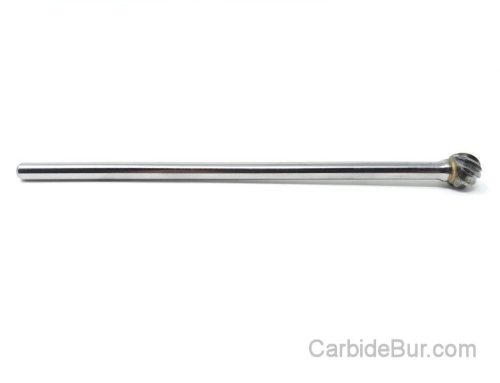
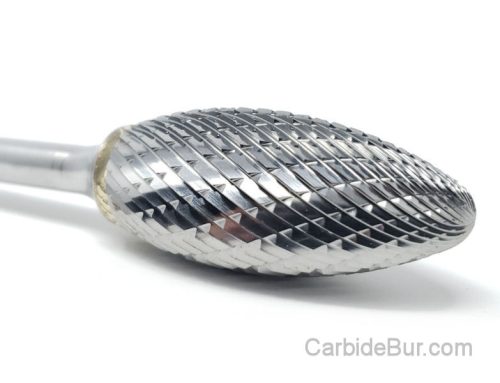
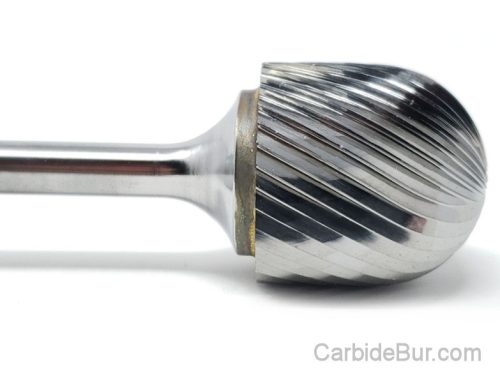
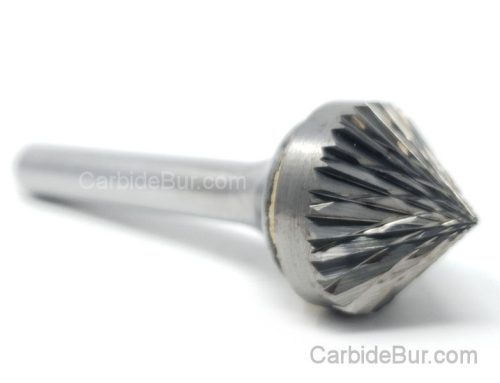
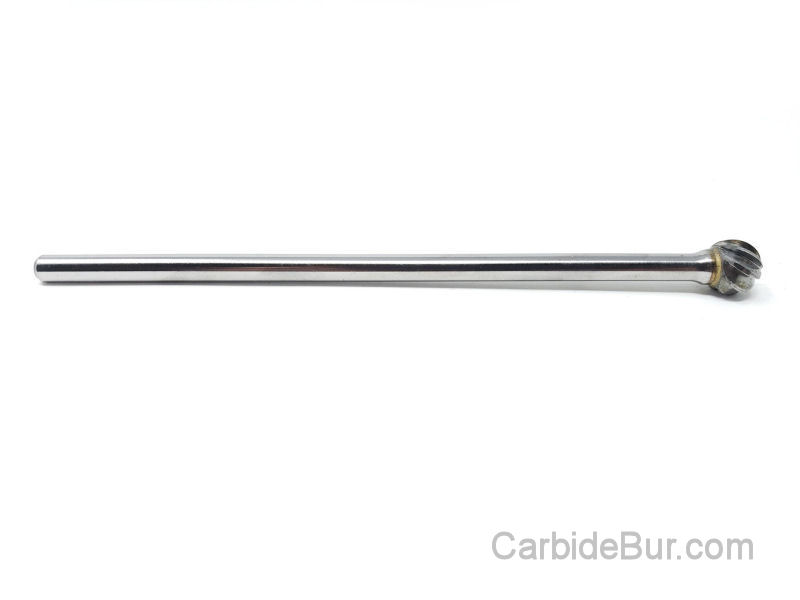
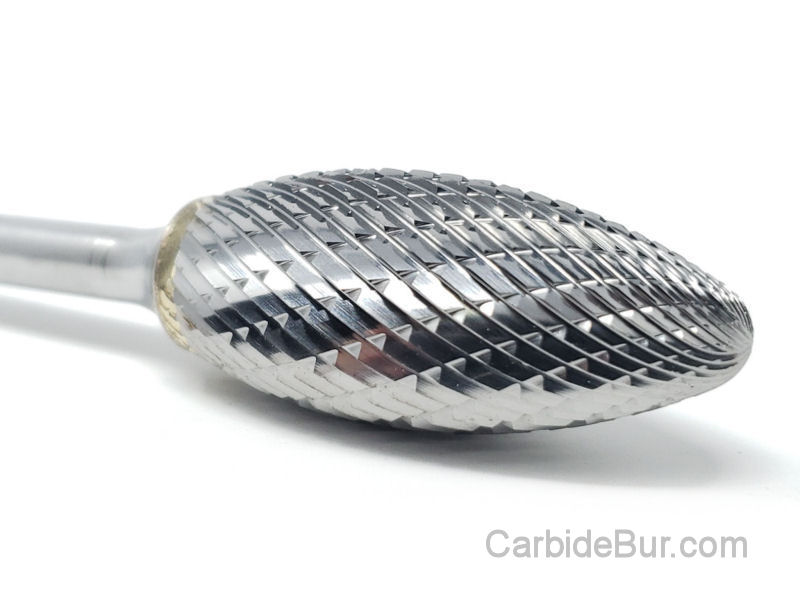
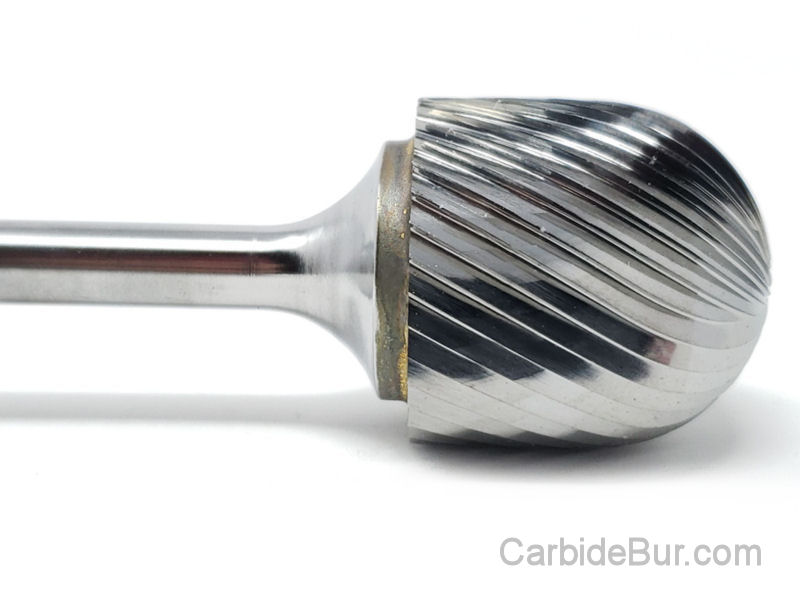
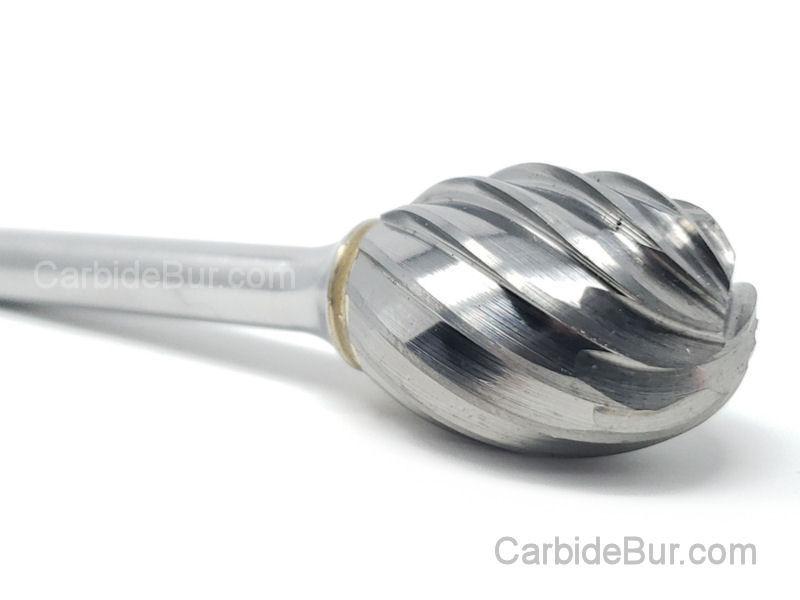
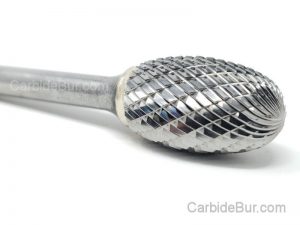
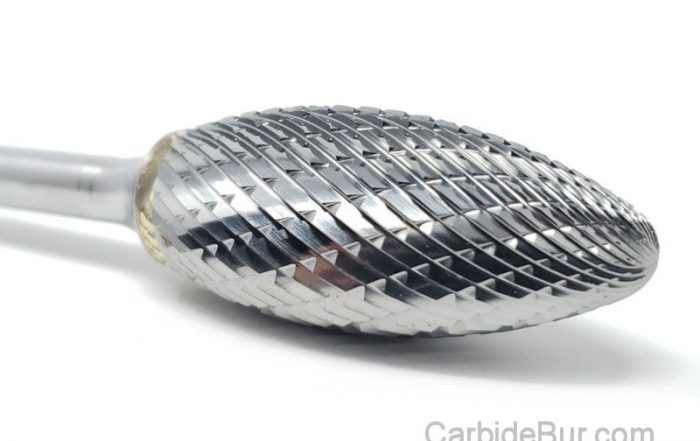
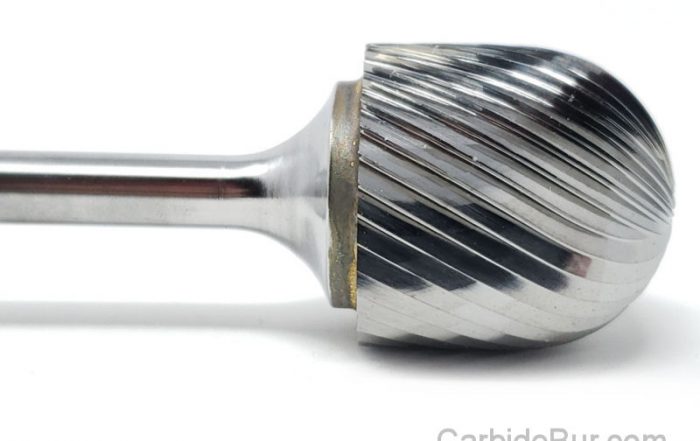
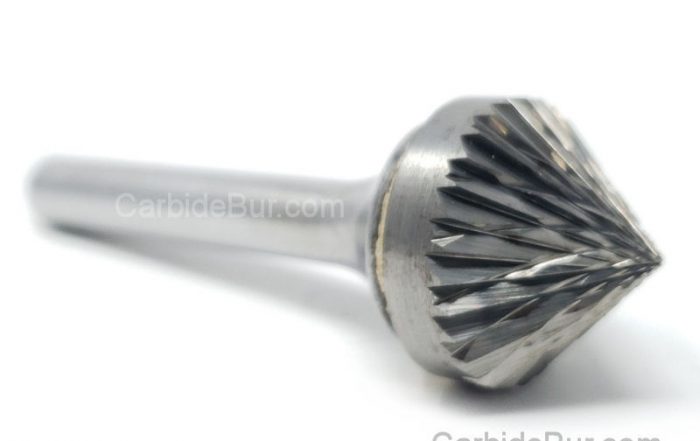
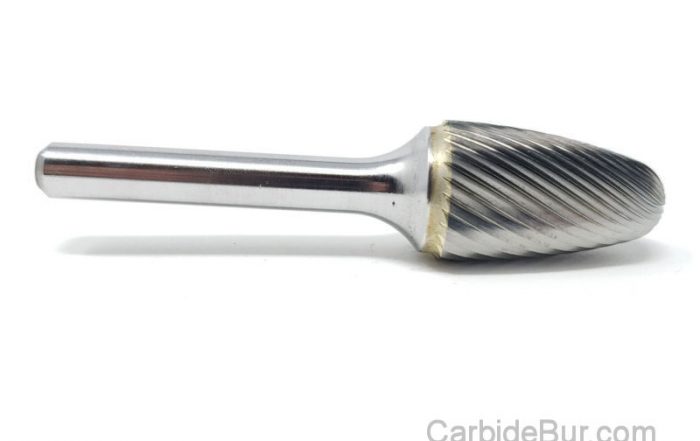
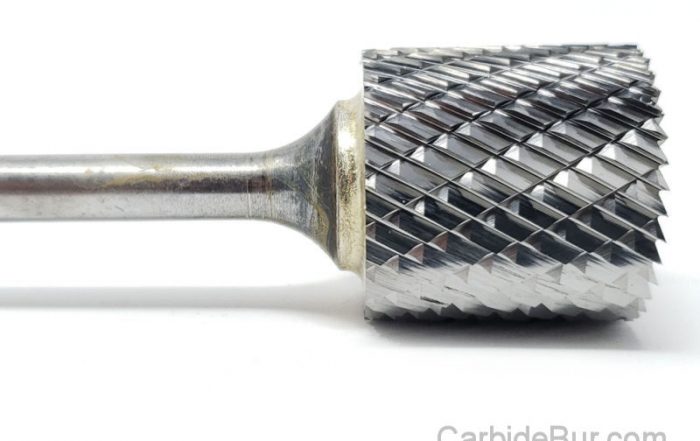
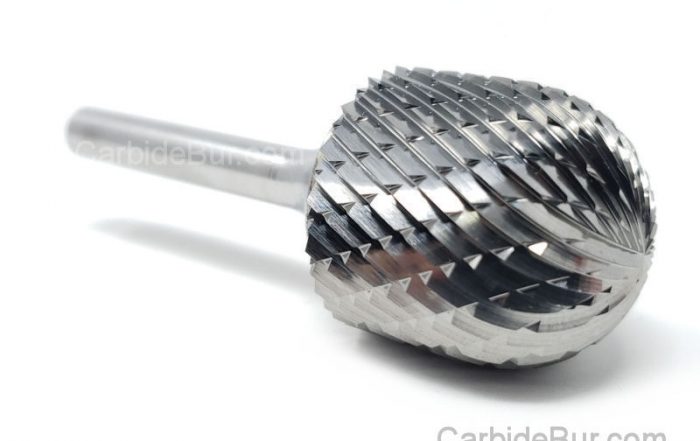
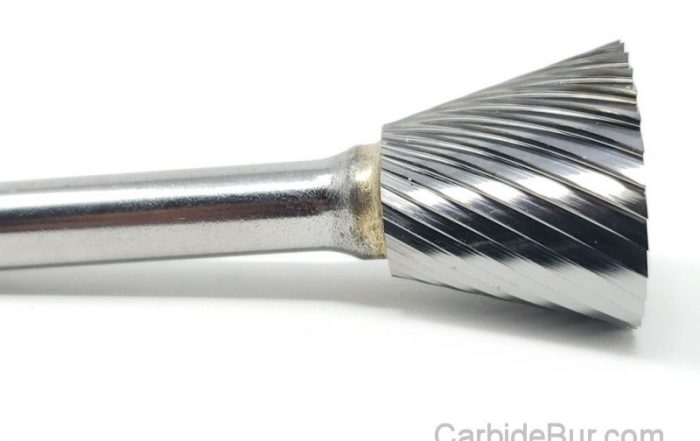
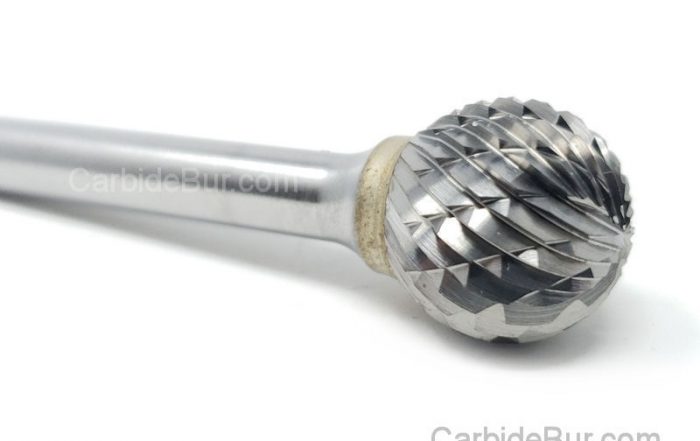
There are many types of carbide burrs to consider. Each is designed for specific applications. Popular types include cylindrical, ball-shaped, and tree-shaped burrs. Cylindrical burrs are ideal for grinding flat surfaces, while ball-shaped ones excel in contouring. Tree-shaped burrs, with pointed ends, are great for reaching tight spots. Understanding these types helps you pick the right burr for your needs.
Benefits of Using Carbide Burrs
Using carbide burrs with air die grinders offers numerous advantages. These burrs enhance tool performance and provide greater control.
Enhanced Performance Factors
Carbide burrs are known for their durability. They maintain sharpness longer than other materials, providing consistent results. This durability means less frequent replacements, saving you time and money. Their precision also reduces material wastage, allowing for cleaner cuts and finer details.
Advantages for Grinding Tools
These burrs are not just durable, they are also efficient. They cut through metal smoothly, reducing the pressure needed from the grinder. This minimizes strain on your hands, enhancing your comfort during prolonged use. The efficiency of carbide burrs makes them a favorite among professionals and DIY enthusiasts alike.
Selecting the Right Carbide Burrs
The right burr can make or break your project. Selection involves considering both size and design to match your specific task.
Considerations for Size and Design
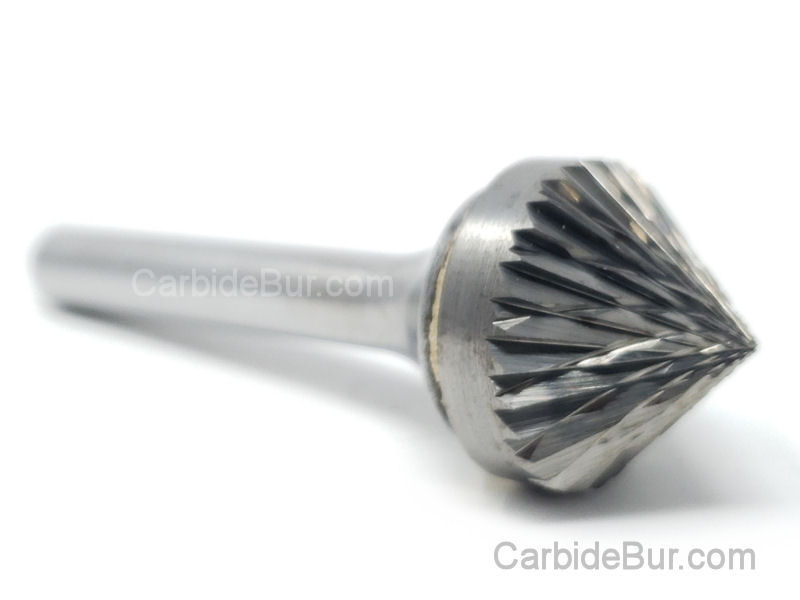
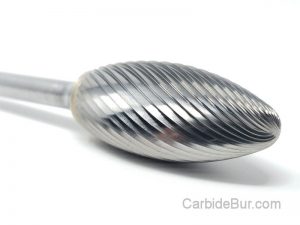
Choosing the right size is crucial. Larger burrs remove material quickly, suitable for extensive grinding. Smaller burrs are better for detailed work. The design also matters: some shapes are better for certain tasks. For instance, flame-shaped burrs are ideal for rounded edges, while pointed burrs are perfect for tight corners.
Choosing the Best Burr for Your Task
Start by identifying the material you are working with. Stainless steel requires different burr features compared to softer metals. Refer to guides like this one for specific recommendations. Match the burr’s specifications to your material for the best results.
Operating an Air Die Grinder
Successful grinding involves more than just choosing the right burr. Operating your grinder correctly is equally important.
Optimal Operating Pressure Guidelines
For best results, maintain the recommended pressure. This is usually between 90 to 100 psi for most air die grinders. Operating within this range ensures your burrs work effectively without risking damage to the tool. Too much pressure can lead to tool failure, while too little reduces efficiency.
Speed Settings for Precision
Control the grinder’s speed for precision. High speeds are perfect for large material removal, while lower speeds are suitable for detail work. Adjusting speed based on task requirements helps achieve a smooth finish. Practice finding the right balance between speed and pressure for various tasks.
Grinding Safety Tips
Safety should always be a priority when using power tools. Let’s explore some essential tips to keep you safe.
Ensuring Safe Tool Usage
Always wear protective gear. This includes goggles, gloves, and a face mask. These protect against flying debris. Ensure your workspace is well-lit and clutter-free to avoid accidents. Regularly inspect your tools for any signs of wear or damage before use.
Protective Measures for Users
Keep a firm grip on your grinder. This minimizes the chance of it slipping during use. Use tools with safety features like automatic shut-off. Stay aware of your surroundings and take regular breaks to avoid fatigue. Following these measures ensures a safe working environment.
Frequently Asked Questions
What is the best type of carbide burr for detailed metalwork?
Ball-shaped burrs are excellent for detailed work. They offer precision and control for contouring and shaping intricate designs.
How often should I replace my carbide burrs?
Replace your burrs when they become dull. Regular cleaning and proper storage extend their life, but frequent use means checking them more often.
Can I use carbide burrs on materials other than metal?
Yes, carbide burrs can be used on materials like wood and plastic. Always select the right type for the material to avoid damage.
What’s the ideal speed setting for a smooth finish?
Lower speeds are often best for a smooth finish. They allow for more control and reduce the chance of mistakes, especially in detailed areas.
Why is maintaining optimal pressure important?
Maintaining the right pressure ensures efficient burr performance and tool longevity. It prevents undue stress on both the tool and the material.
Looking for Carbide Bur Tools?
Check out our entire selection of USA made carbide bur die grinder tool bits
Follow us on Twitter

Return to CarbideBur.com
Carbide Burs – 1/4″ on 1/8″ Shanks – Accessories – Aluminum Cut – Bur Sets – End Mills – Long Shank – Solid Burs
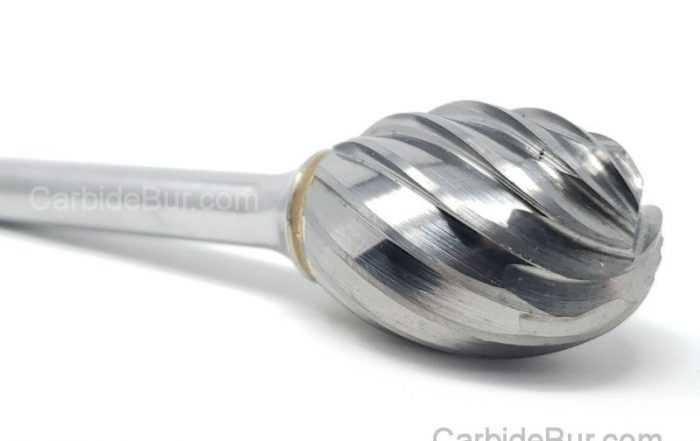
Can You Use Carbide Burrs With an Air Die Grinder?
Can You Use Carbide Burrs With an Air Die Grinder? Most people don’t realize how well carbide burrs work with air die grinders until they try them. If you’ve ever struggled with finding the right [...]
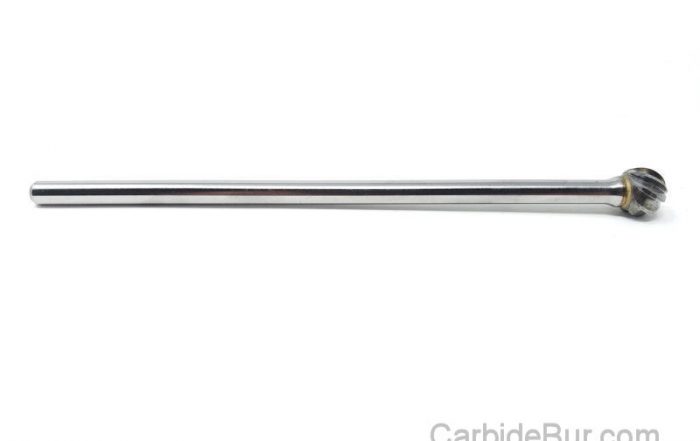
Best Long Reach Carbide Burr for Deep Metal Work
Best Long Reach Carbide Burr for Deep Metal Work Long reach carbide burrs often promise deep metal access, but many fall short where it counts most. You need a tool that cuts cleanly, lasts through [...]
What RPM Should You Use for a 1/8 Inch Carbide Burr?
What RPM Should You Use for a 1/8 Inch Carbide Burr? Most people guess the right carbide burr RPM by feel—and waste hours redoing work. If you want cleaner cuts and longer tool life, your [...]
Carbide Burrs for Tight Spaces: Choosing the Right Shape
Carbide Burrs for Tight Spaces: Choosing the Right Shape Tackling tight spaces with the wrong carbide burrs wastes time and risks damaging your work. Choosing the right burr shape makes all the difference when working [...]
Can Carbide Burrs Remove Paint From Metal?
Can Carbide Burrs Remove Paint From Metal? Stripping paint from metal often feels like a tough chore that risks damaging the surface underneath. Many turn to carbide burrs hoping they can speed things up without [...]
How to Grind a Groove in Metal With a Carbide Burr
How to Grind a Groove in Metal With a Carbide Burr Most metalworkers struggle to cut clean grooves without wasting time or ruining their workpiece. Many try different metalworking tools but end up with uneven [...]
Can Carbide Burrs Cut Through Welds?
Can Carbide Burrs Cut Through Welds? Cutting through welds can feel like a battle, especially when you need clean results without harming the base metal. Carbide burrs offer a sharp edge in this fight, but [...]
How to Use a Carbide Burr With a Die Grinder
How to Use a Carbide Burr With a Die Grinder Most people treat a carbide burr like just another tool, but using it with a die grinder takes skill. If you’ve struggled with burr installation [...]
1/8 vs 1/4 Inch Carbide Burrs: What’s the Difference?
1/8 vs 1/4 Inch Carbide Burrs: What's the Difference? Choosing between a 1/8 inch carbide burr and a 1/4 inch carbide burr can change how your project turns out. Many machinists and hobbyists overlook how [...]
Best Carbide Burr for Removing Flash From Castings
Best Carbide Burr for Removing Flash From Castings Removing flash from castings is a task that can slow down your entire metalworking process if you don’t have the right tools. Picking the best carbide burr [...]
What RPM Should You Use for a 1/4 Inch Carbide Burr?
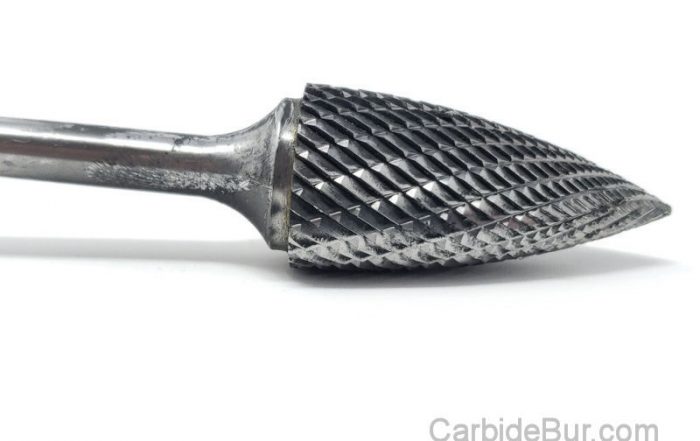
What RPM Should You Use for a 1/4 Inch Carbide Burr? Most machinists guess the right speed for a 1/4 inch carbide burr and hope for the best. Using the wrong carbide burr RPM can [...]
Long Shank Carbide Burrs: When Do You Need One?
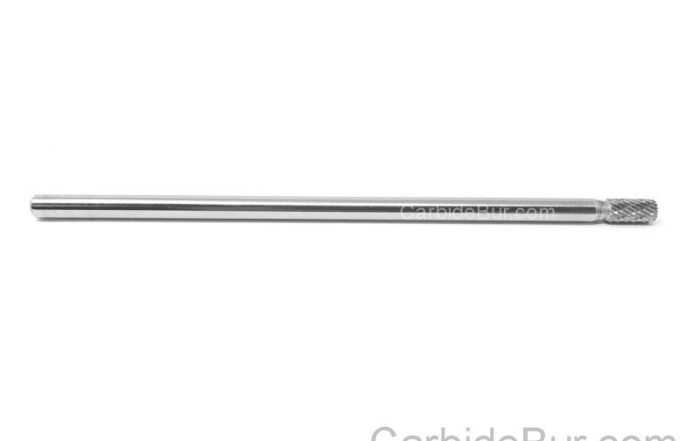
Long Shank Carbide Burrs: When Do You Need One? Most machinists overlook the power of long shank carbide burrs until a project demands precision in tight spaces. When your usual tools can’t reach intricate contours, [...]