
Best Carbide Burr for Enlarging a Hole in Metal
When you need to enlarge a hole in metal, grabbing the wrong carbide burr can turn a simple task into a frustrating mess. Picking the best carbide burr for enlarging holes isn’t just about size—it’s about shape, speed, and metal type. This post breaks down everything you need to know to choose the right tool and nail every hole enlargement with precision and a clean finish. Keep reading to sharpen your metalworking skills with the right carbide burr techniques. For more insights, check out this guide on perfecting material removal in tight spaces.
Choosing the Right Carbide Burr
Getting the right carbide burr can make all the difference in your metalworking projects. Let’s start with understanding the different types available.
Types of Carbide Burrs
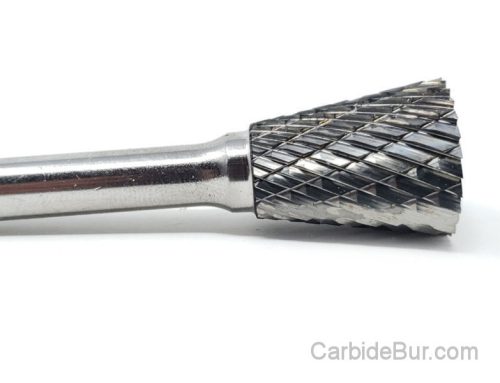
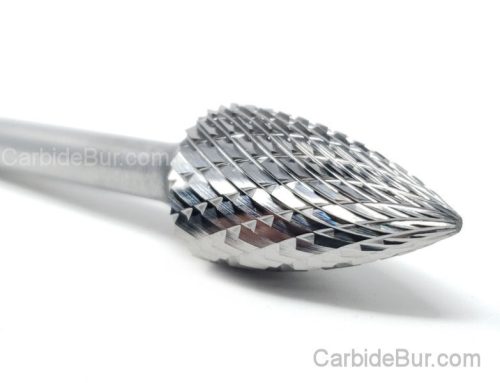
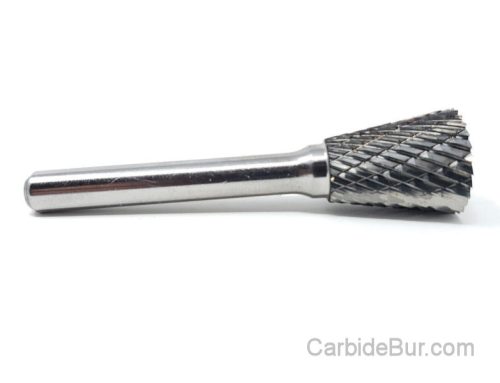
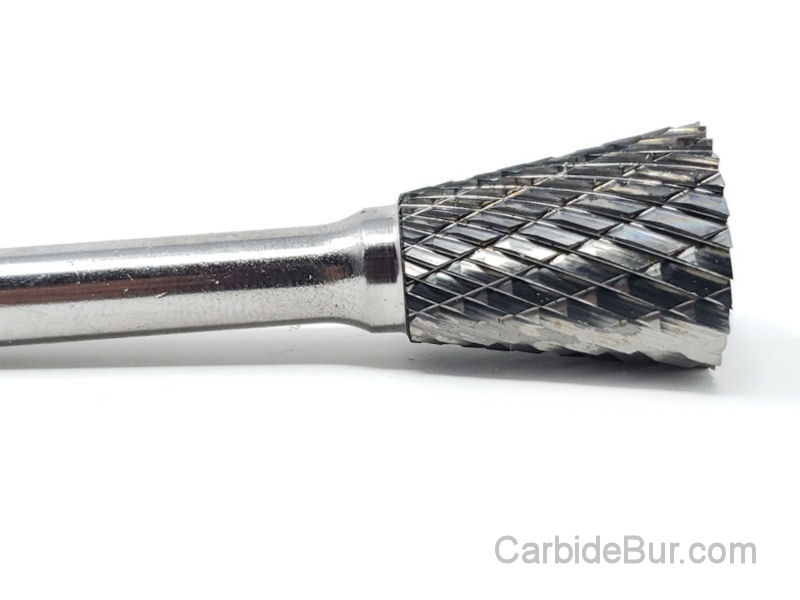
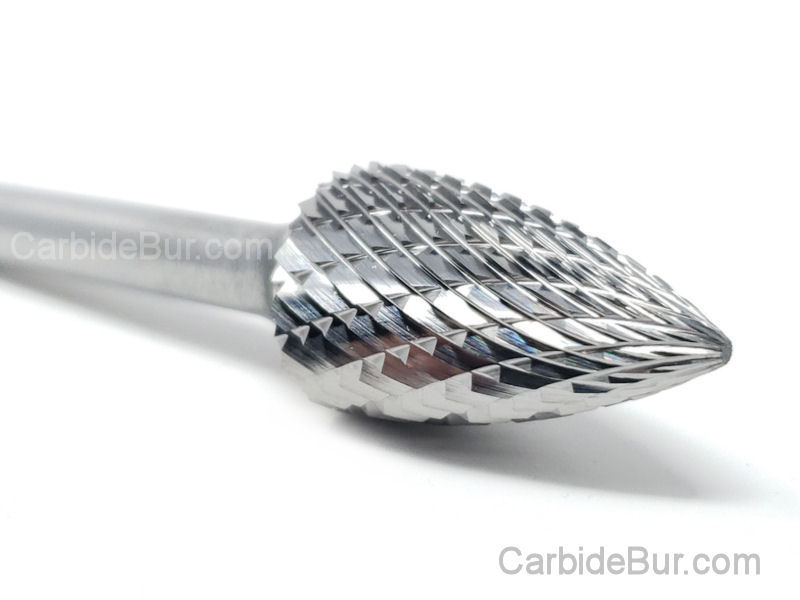
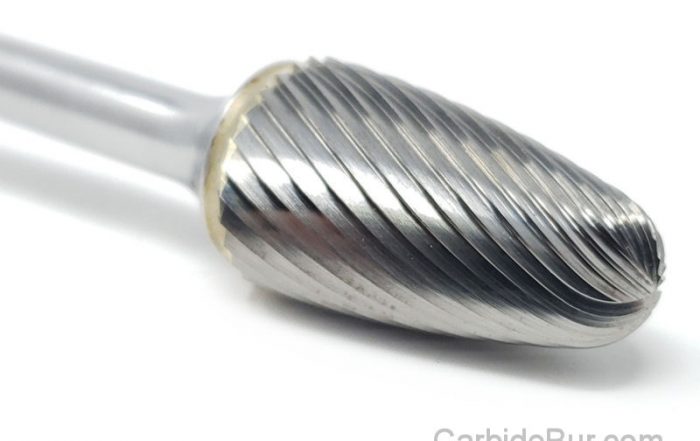
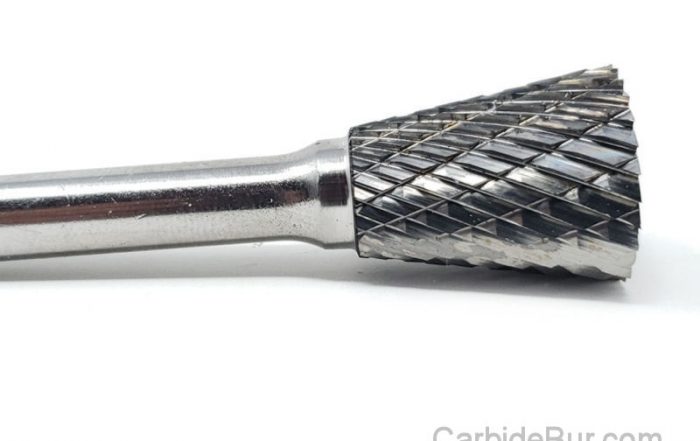
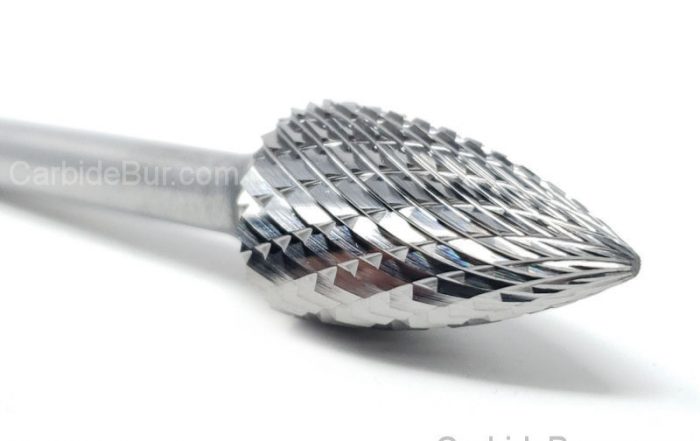
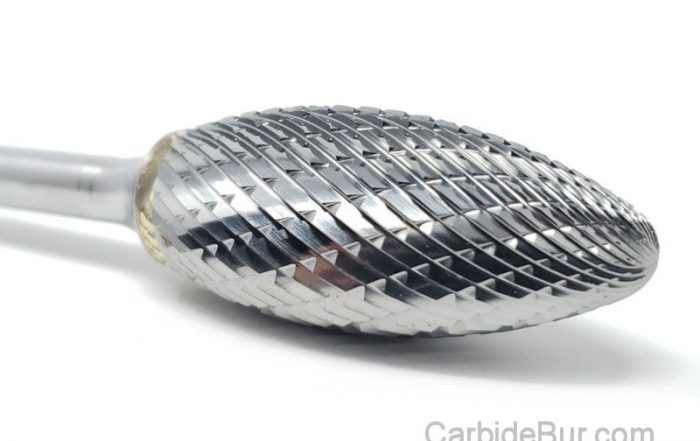
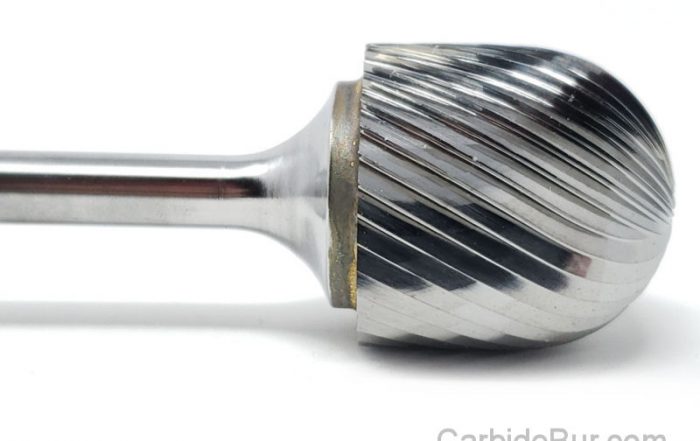
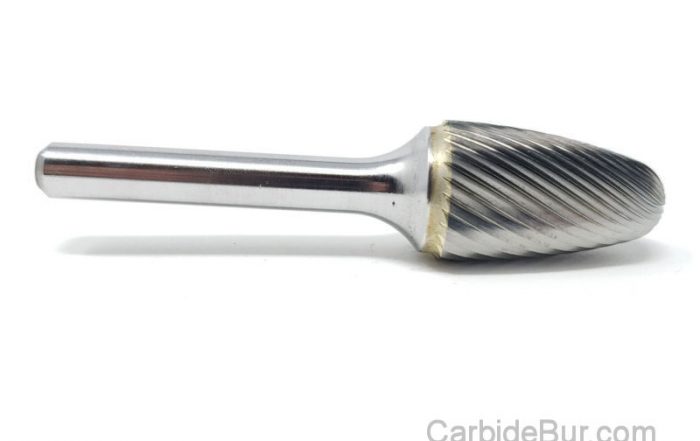
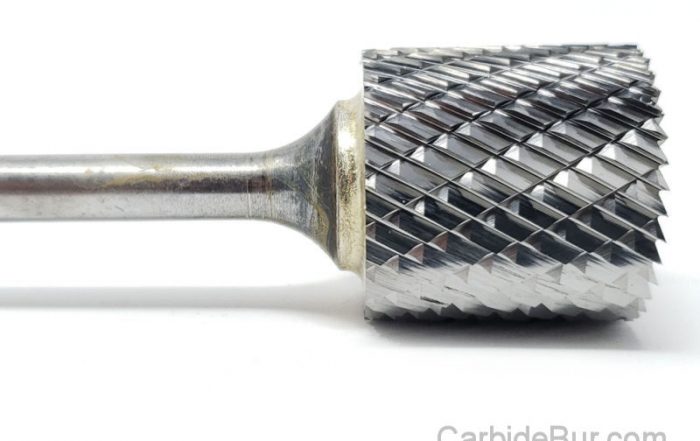
Carbide burrs come in a variety of shapes and sizes, each designed for specific tasks. The most common types include cylindrical, ball-shaped, and flame-shaped burrs. Cylindrical burrs are great for flat surfaces and right-angled corners, while ball-shaped burrs work well for making concave cuts. Flame-shaped burrs are ideal for rounded edges. Each type offers unique benefits for different projects, so it’s crucial to choose one that suits your specific needs. For more on this, explore the art of crafting carbide burrs.
Best Shapes for Hole Enlargement
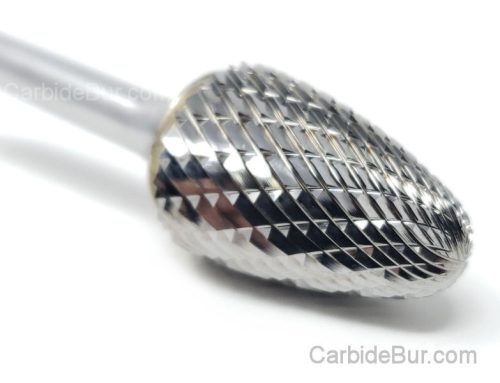
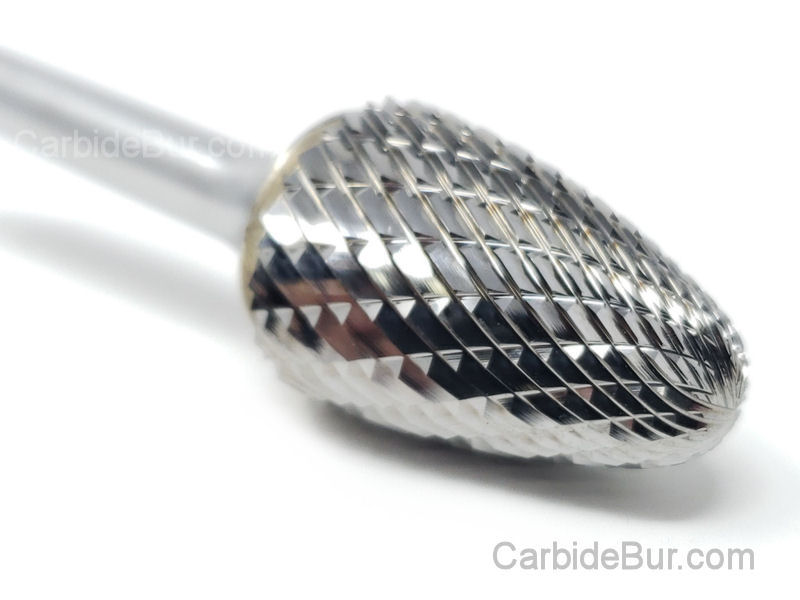
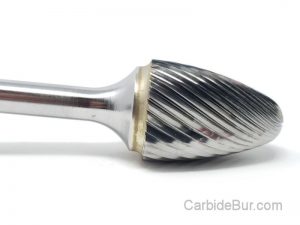
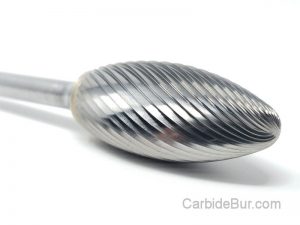
When you want to enlarge a hole, the shape of your carbide burr matters. For most metalworking projects, a cylindrical or oval shape works best. These shapes allow you to maintain control and achieve a smooth finish. Oval burrs are particularly useful for enlarging holes because they can reach into tight corners without damaging the surrounding area.
Selecting the Correct Burr Size
Size is a key factor when selecting a carbide burr. A burr that’s too small might not remove enough material, while one that’s too large can lead to rough finishes or damage. To select the right size, measure the current hole diameter and consider how much larger you need it to be. Precision is crucial here, so take your time to pick the right size.
Techniques for Accurate Hole Enlargement
Now that you’ve chosen the right burr, let’s discuss techniques to ensure accuracy in your projects.
Maintaining Desired Finish
Achieving a clean finish is all about technique. Use a steady hand and avoid applying excessive pressure. Let the tool do the work. Move the burr smoothly and consistently across the material. This helps prevent rough edges and ensures a professional-looking result.
Speed and Control Tips
Control the speed of your tool to enhance accuracy. A lower speed allows for more precise work, especially when you’re starting out. Gradually increase the speed as you gain confidence. Remember, it’s better to take your time than rush and risk mistakes.
Avoiding Common Mistakes
Avoid common pitfalls like using the wrong burr size or shape. These can lead to uneven holes or damage to your material. Practice makes perfect, so don’t be discouraged by initial errors. Learn from them and refine your technique over time.
Metal-Specific Carbide Burr Tips
Different metals require different approaches. Here’s how to tackle some common materials.
Working with Stainless Steel
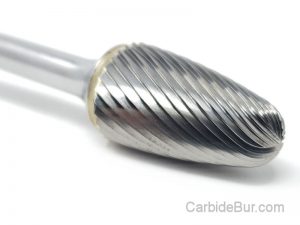
Stainless steel can be tough to work with, but using the right burr can make the task easier. Choose a burr designed specifically for stainless steel to avoid wear and tear on your tools. These burrs are built to handle the hardness of the material. For more details, check out this complete guide on carbide burrs for stainless steel.
Enlarging Holes in Aluminum
Aluminum is softer than stainless steel, so you’ll need a different approach. Use a burr with a lower RPM to prevent overheating and material build-up. Keep the tool moving to avoid gouging the surface, ensuring a smooth finish.
Burrs for Hard Metals
For hard metals, durability is key. Use a high-quality burr that can withstand the pressure and wear of tough materials. These burrs are typically more expensive, but they offer better performance and longevity.
Selecting Carbide Burrs for Quality
Quality matters when choosing a carbide burr. Here’s how to evaluate your options.
Evaluating Burr Durability
Durability is crucial in a carbide burr. Look for burrs made with high-quality materials that can withstand regular use. A durable burr will save you time and money in the long run, reducing the need for frequent replacements.
Balancing Cost and Performance
Striking a balance between cost and performance is essential. While high-quality burrs may cost more upfront, they often deliver better results and last longer. Consider your budget but don’t compromise on quality.
Trusted Brands and Recommendations
Choose brands known for producing reliable carbide burrs. These companies have reputations for quality and customer satisfaction. Research and read reviews to find the best options for your needs. For more insights, visit exploring the versatility of carbide burrs.
Enhancing Metalworking Skills
With the right tools and techniques, you can elevate your metalworking skills to new heights.
Advanced Carbide Burr Techniques
Once you’ve mastered the basics, explore advanced techniques to enhance your skill set. Experiment with different shapes and sizes to find new ways to approach your projects. Advanced techniques can lead to more precise and creative results.
Safe and Efficient Use
Safety should always be a priority. Wear protective gear and follow proper usage instructions to prevent accidents. An efficient workflow ensures not only safety but also consistent results.
Building Confidence in Your Projects
Confidence comes with practice and experience. The more you work with carbide burrs, the more skilled you’ll become. Trust in your abilities and continue to refine your techniques for better outcomes.
Frequently Asked Questions
What is the best carbide burr for enlarging holes in metal?
The best carbide burr for enlarging holes depends on the material and desired finish. Oval-shaped burrs are versatile and effective for most projects.
How do I choose the correct size for a carbide burr?
Measure the existing hole and determine how much larger it needs to be. Choose a burr size that allows for precise control during the enlargement process.
Can I use the same burr for different metals?
While some burrs are versatile, it’s best to use burrs designed for specific materials, such as stainless steel or aluminum, to ensure optimal performance.
What speed should I use for carbide burrs?
Start with a lower speed to gain control, then gradually increase as needed. The speed may vary depending on the material and burr type.
How do I maintain a smooth finish while enlarging holes?
Use a steady hand and consistent motion. Avoid applying too much pressure and let the tool do the work to achieve a smooth and professional finish.
Looking for Carbide Bur Tools?
Check out our entire selection of USA made carbide bur die grinder tool bits
Follow us on Twitter

Return to CarbideBur.com
Carbide Burs – 1/4″ on 1/8″ Shanks – Accessories – Aluminum Cut – Bur Sets – End Mills – Long Shank – Solid Burs
Best Carbide Burr for Enlarging a Hole in Metal
Best Carbide Burr for Enlarging a Hole in Metal When you need to enlarge a hole in metal, grabbing the wrong carbide burr can turn a simple task into a frustrating mess. Picking the best [...]
Carbide Burr Safety: 15 Mistakes That Can Cause Injury or Damage
Carbide Burr Safety: 15 Mistakes That Can Cause Injury or Damage Carbide burr safety is often overlooked until a costly mistake happens. Many metalworkers and DIYers make the same errors that lead to injuries or [...]
Can You Use a Carbide Burr in a Drill?
Can You Use a Carbide Burr in a Drill? Most people think a standard drill can’t handle a carbide burr, but that’s not true. Using carbide burr in the right drill can speed up your [...]
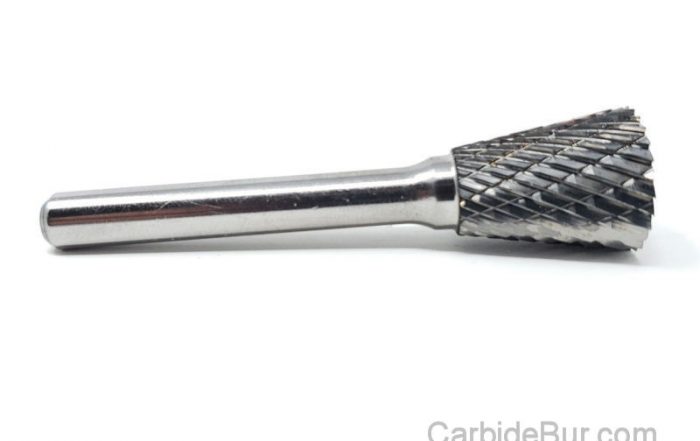
Carbide Burrs for Removing Rust: What Works Best?
Carbide Burrs for Removing Rust: What Works Best? Rust can turn your favorite tools into useless junk faster than you expect. Removing it without ruining the metal underneath takes more than just elbow grease—it demands [...]
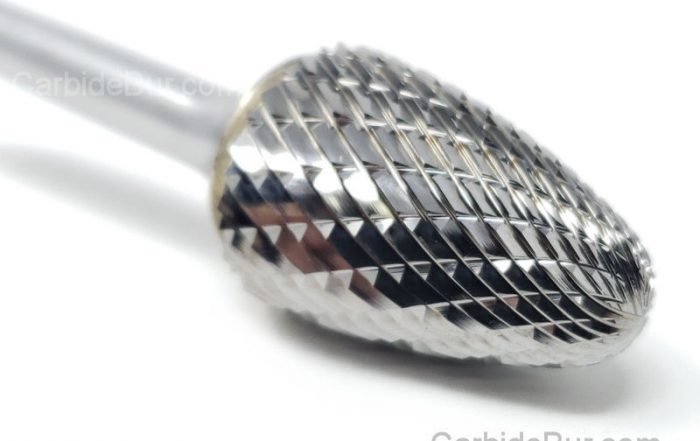
How Much Pressure Should You Use With a Carbide Burr?
How Much Pressure Should You Use With a Carbide Burr? Most people think pressing harder with a carbide burr speeds up the job. That’s not true—too much pressure wears out your tool and ruins the [...]
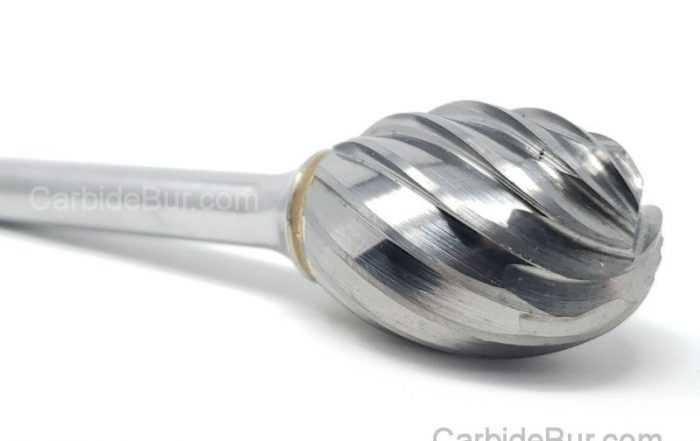
Can You Use Carbide Burrs With an Air Die Grinder?
Can You Use Carbide Burrs With an Air Die Grinder? Most people don’t realize how well carbide burrs work with air die grinders until they try them. If you’ve ever struggled with finding the right [...]
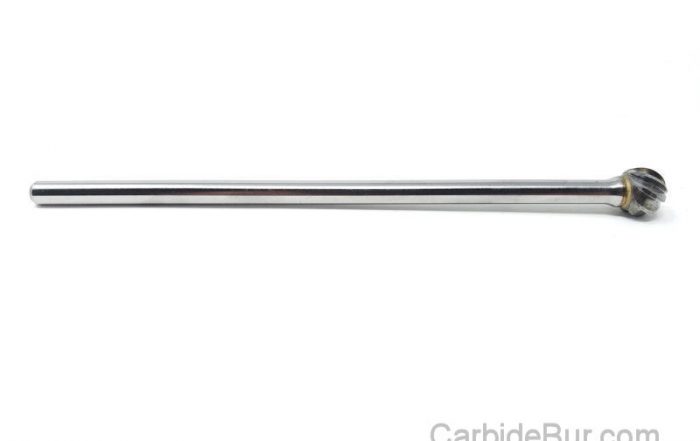
Best Long Reach Carbide Burr for Deep Metal Work
Best Long Reach Carbide Burr for Deep Metal Work Long reach carbide burrs often promise deep metal access, but many fall short where it counts most. You need a tool that cuts cleanly, lasts through [...]
What RPM Should You Use for a 1/8 Inch Carbide Burr?
What RPM Should You Use for a 1/8 Inch Carbide Burr? Most people guess the right carbide burr RPM by feel—and waste hours redoing work. If you want cleaner cuts and longer tool life, your [...]
Carbide Burrs for Tight Spaces: Choosing the Right Shape
Carbide Burrs for Tight Spaces: Choosing the Right Shape Tackling tight spaces with the wrong carbide burrs wastes time and risks damaging your work. Choosing the right burr shape makes all the difference when working [...]
Can Carbide Burrs Remove Paint From Metal?
Can Carbide Burrs Remove Paint From Metal? Stripping paint from metal often feels like a tough chore that risks damaging the surface underneath. Many turn to carbide burrs hoping they can speed things up without [...]
How to Grind a Groove in Metal With a Carbide Burr
How to Grind a Groove in Metal With a Carbide Burr Most metalworkers struggle to cut clean grooves without wasting time or ruining their workpiece. Many try different metalworking tools but end up with uneven [...]
Can Carbide Burrs Cut Through Welds?
Can Carbide Burrs Cut Through Welds? Cutting through welds can feel like a battle, especially when you need clean results without harming the base metal. Carbide burrs offer a sharp edge in this fight, but [...]