How to Grind a Slot in Metal With a Carbide Burr
Grinding a precise slot in metal can feel like a tricky task, especially if you’re unsure which tools to trust. Carbide burr grinding offers a way to shape metal with accuracy, but using the wrong burr or technique can lead to frustration and wasted time. This guide breaks down how to pick the right burr shapes and sizes, master control while grinding, and follow safety tips that protect you and your workpiece. Ready to sharpen your metal slot grinding skills? Let’s get started. For more insights on choosing the right tools, check out this guide.
Selecting the Right Carbide Burr
Choosing the right carbide burr is the first step in achieving precise metal slot grinding. Selecting the right shape and size is crucial. You want to get the job done right without wasting time or materials.
Optimal Burr Shapes and Sizes
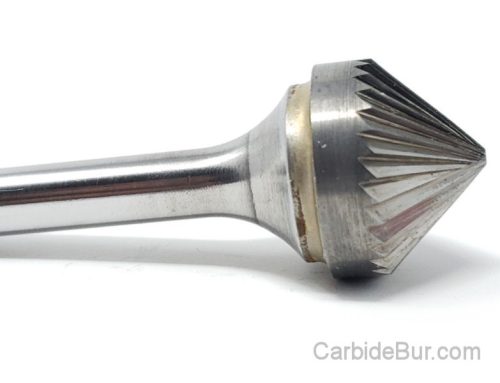
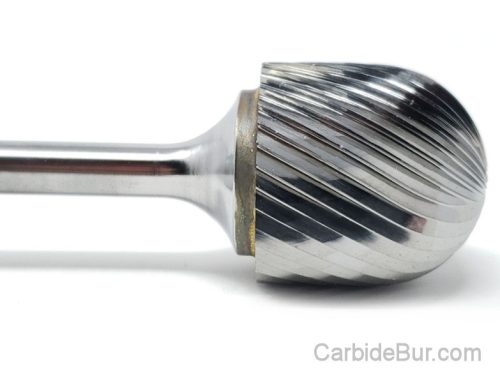
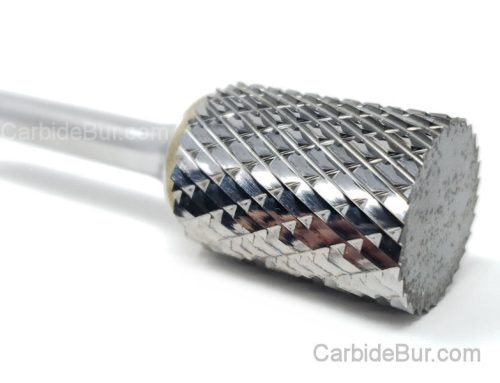
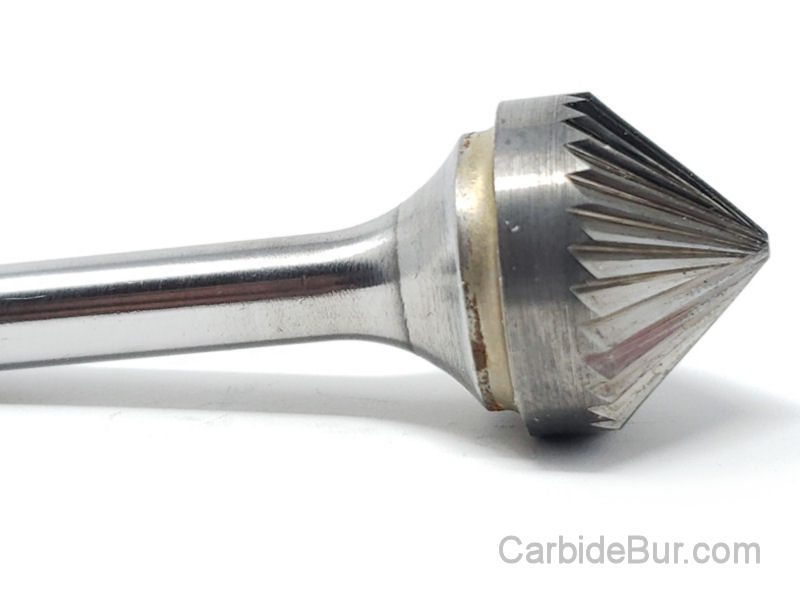
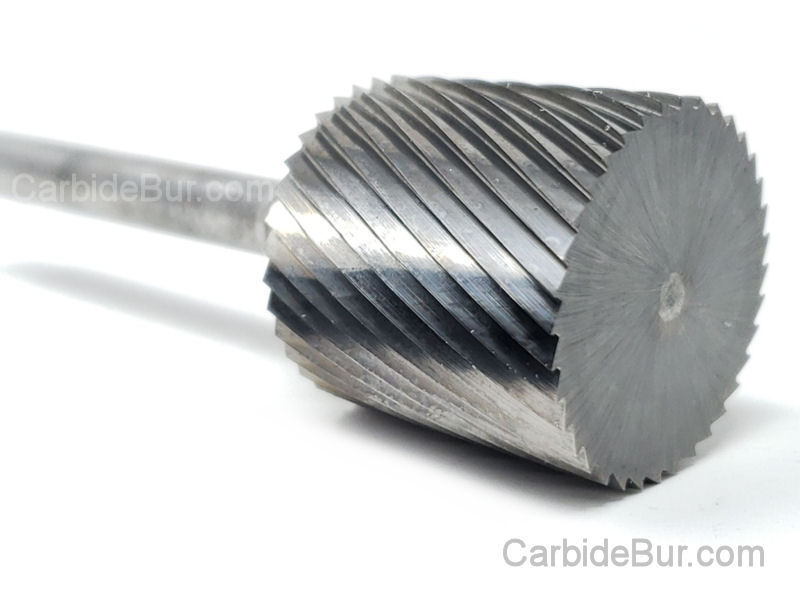
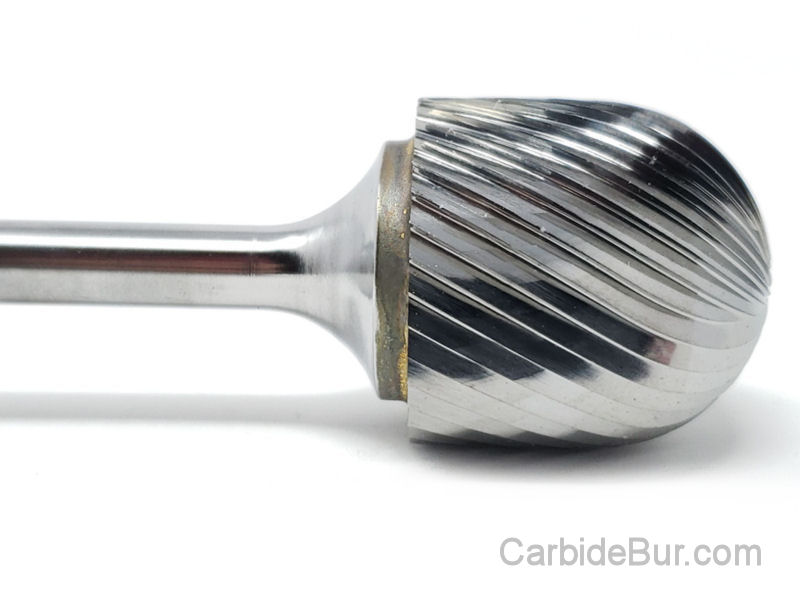
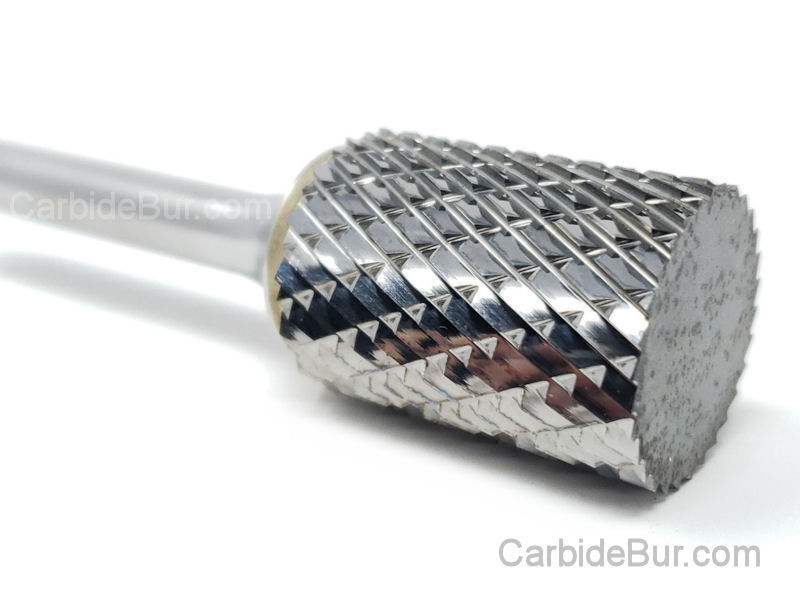
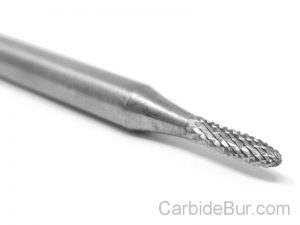
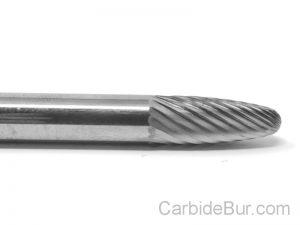
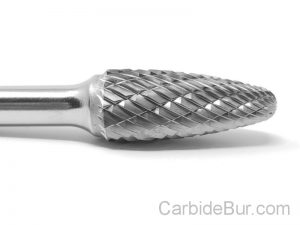
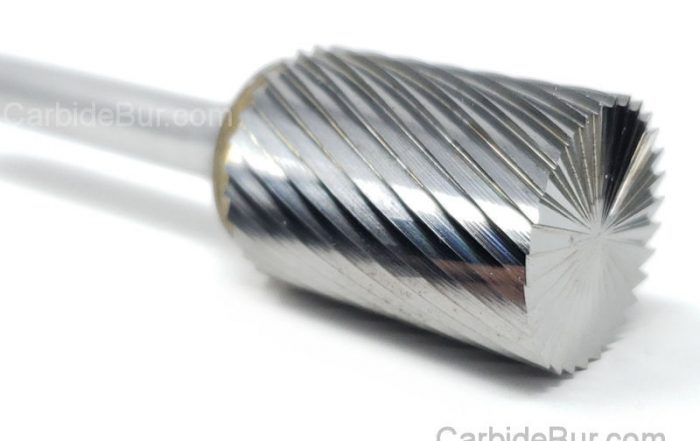
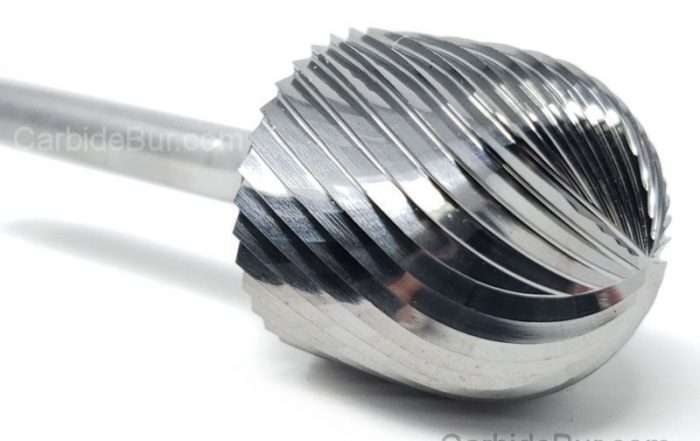
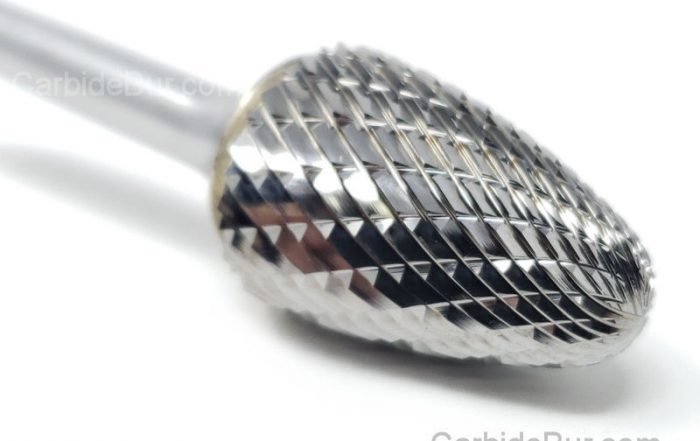
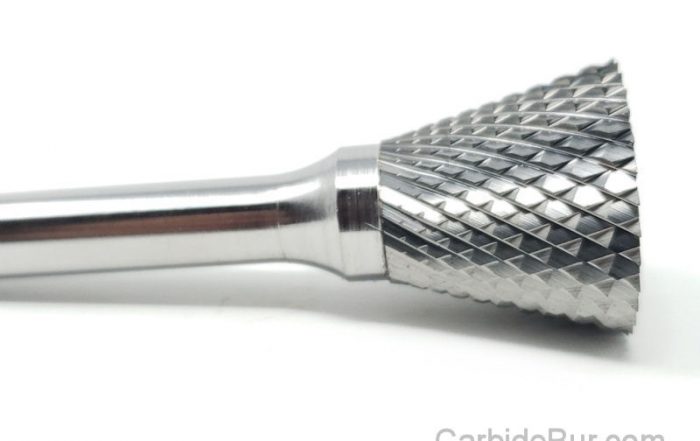
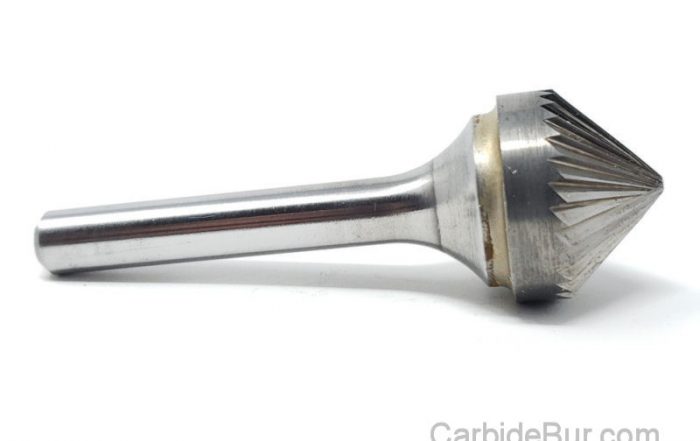
When it comes to grinding metal, the shape and size of the burr matter a lot. Different shapes serve different purposes. For instance, a cylindrical burr is perfect for flat surfaces, while a ball-shaped burr excels at creating concave cuts or hollowing. Always consider the type of cut you need. The size will also affect your control and finish. A smaller burr offers precision, while larger burrs are great for removing bulk material quickly.
In most cases, choosing the burr that matches your project’s needs saves both time and effort. For more detailed information on choosing the best carbide burr, you can refer to this complete guide.
Choosing Burrs for Slot Dimensions
Selecting burrs based on slot dimensions ensures a snug fit. Measure your slot width and depth carefully. Burrs come in various sizes, so pick one that matches your exact measurements for better results. If your slot is narrow, a slim burr will provide the necessary access. For wider slots, a larger burr can be effective.
A well-chosen burr enhances precision and control. It minimizes the risk of over-grinding or damaging your workpiece. To learn more about selecting the right burrs for specific tasks, check out this article.
Preparing for Metal Slot Grinding
Before you start grinding, it’s essential to prepare your workspace properly. A well-organized area sets the stage for successful metal slot grinding.
Setting Up Your Workspace
An organized workspace is a safe workspace. Ensure your area is well-lit and free of clutter. Keep your tools within reach to avoid unnecessary interruptions. Position your workpiece securely to prevent any movement during grinding.
Having a stable setup enhances your control over the grinding process. It helps you focus on precision. A clean workspace also reduces the risk of accidents, making your grinding tasks both effective and safe.
Essential Safety Tips for Metal Grinding
Safety should always be a priority. Wear protective gear like gloves and goggles to shield yourself from flying debris. A dust mask is crucial to protect your lungs from fine metal particles. Ensure your tools are in good condition before use.
By taking these precautions, you protect yourself from potential injuries. Remember, safety is not just a checklist but a vital part of any metalworking process. For more on safe practices, you can explore this resource.
Grinding Techniques for Precision
Mastering grinding techniques is key to achieving precision. Proper techniques ensure your slots are both accurate and clean.
Ensuring Accuracy and Control
Accuracy is all about control. Hold your grinder with a firm grip and use steady, even pressure. Avoid rushing; let the burr do the work. Small, controlled movements yield the best results. Regularly check your progress to ensure you stay on track.
Control is vital for achieving the desired slot dimensions. It also prevents unnecessary wear on your burrs. Practicing these techniques will make you more adept at metal slot grinding.
Step-by-Step Grinding Process
-
Prepare your equipment: Ensure all your tools are in good working order.
-
Secure your workpiece: Make sure it won’t move during grinding.
-
Start grinding: Use slow, controlled movements.
-
Check your progress: Regularly measure to stay on target.
Following these steps will help you achieve precise results. Each step is designed to maximize your efficiency and minimize errors.
Maintenance of Carbide Burrs
Proper maintenance extends the life of your carbide burrs. It ensures they remain effective for future projects.
Cleaning and Storage Tips
After each use, clean your burrs to remove metal shavings and debris. Use a brush or compressed air. Store them in a dry place to prevent rust. Organizing them by shape and size can speed up future projects.
Good maintenance practices keep your burrs in top condition. They’re ready when you need them, and you avoid unnecessary replacements.
Extending Burr Lifespan
To extend the lifespan of your burrs, avoid excessive pressure during use. Letting the burrs do the work prevents dulling. Regularly inspecting them for wear and tear helps catch potential issues early.
Maintaining your tools saves money and time in the long run. Well-cared-for burrs deliver consistent performance, project after project.
Enhancing Metalworking Skills
Improving your metalworking skills involves learning from mistakes and honing advanced techniques.
Common Mistakes to Avoid
Many make the mistake of using the wrong burr for the job. This can lead to wasted time and materials. Another common error is applying too much pressure, which dulls the burrs quickly.
Avoiding these mistakes makes the grinding process smoother and more efficient. You’ll achieve better results with less effort.
Advanced Metalworking Techniques
Once you master the basics, try advanced techniques like creating intricate patterns or combining different burr shapes. Experimenting with new methods can lead to innovative results.
Pushing your boundaries keeps metalworking exciting. It’s an opportunity to showcase your creativity and improve your skills.
Frequently Asked Questions
What is the best burr shape for slot cutting?
A cylindrical burr is typically best for slot cutting. It provides precision for flat surfaces and helps achieve clean edges.
How do I maintain my carbide burrs?
Regular cleaning with a brush or compressed air keeps them in top condition. Store them in a dry place to prevent rust.
What safety gear is necessary for metal grinding?
Always wear gloves, goggles, and a dust mask. These protect against flying debris and fine metal particles.
How can I improve precision in metal slot grinding?
Use steady, controlled movements and apply even pressure. Regularly check your progress to stay accurate.
Why is choosing the right burr important?
The correct burr shape and size ensure precision and control. It minimizes the risk of errors and enhances the quality of your work.
Looking for Carbide Bur Tools?
Check out our entire selection of USA made carbide bur die grinder tool bits
Follow us on Twitter

Return to CarbideBur.com
Carbide Burs – 1/4″ on 1/8″ Shanks – Accessories – Aluminum Cut – Bur Sets – End Mills – Long Shank – Solid Burs
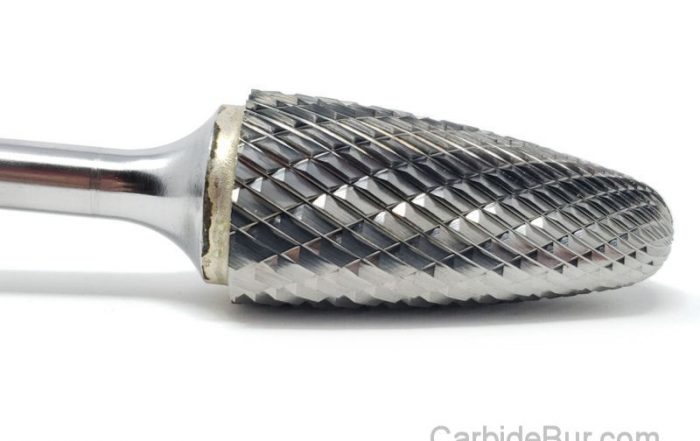
How to Grind a Slot in Metal With a Carbide Burr
How to Grind a Slot in Metal With a Carbide Burr Grinding a precise slot in metal can feel like a tricky task, especially if you’re unsure which tools to trust. Carbide burr grinding offers [...]

Best Carbide Burr for Inside Corners
Best Carbide Burr for Inside Corners Working in tight inside corners can turn even simple projects into frustrating tasks. Many carbide burrs just don’t fit or cut cleanly where you need them most. The best [...]
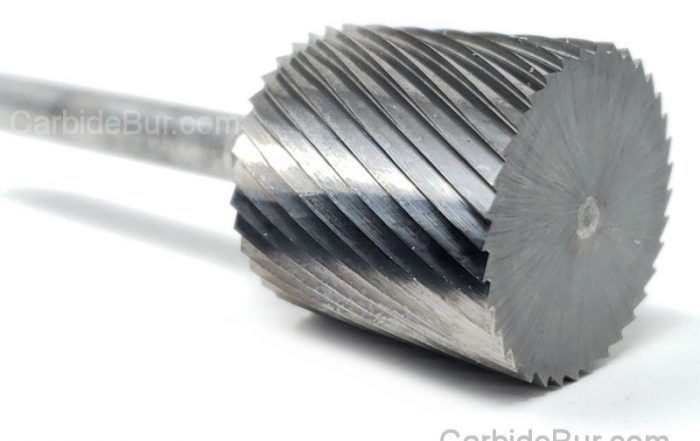
What Size Carbide Burr Do I Need?
What Size Carbide Burr Do I Need? Picking the wrong carbide burr can turn a simple project into a frustrating mess. You might have the best machining tools but still miss the mark if your [...]
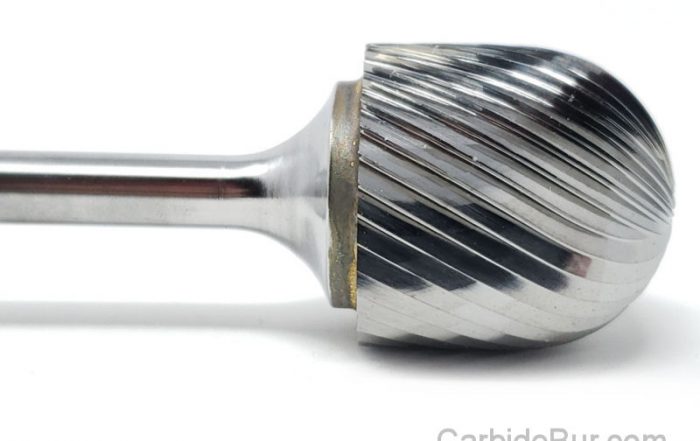
How to Smooth Sharp Metal Edges With a Carbide Burr
How to Smooth Sharp Metal Edges With a Carbide Burr Sharp metal edges can turn your project from professional to risky in seconds. If you’ve struggled with smoothing metal edges without scratching or weakening the [...]

Best Carbide Burr for Porting and Polishing Engine Heads
Best Carbide Burr for Porting and Polishing Engine Heads You’ve spent hours porting engine heads, only to find the finish isn’t quite right. Choosing the right carbide burr for porting and polishing can make all [...]
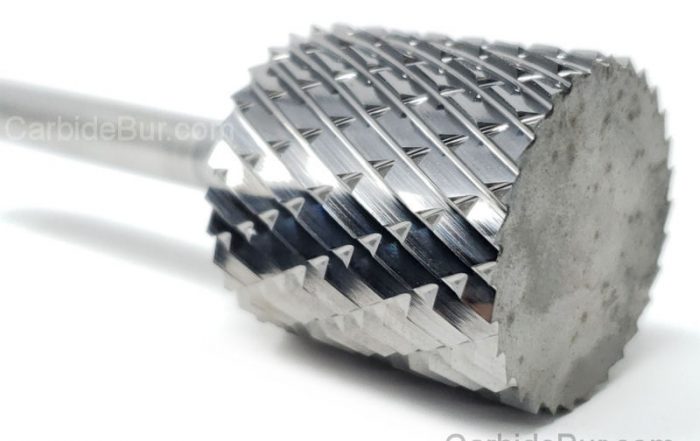
What Is a Cylinder Carbide Burr Used For?
What Is a Cylinder Carbide Burr Used For? Most metalworking tools and woodworking tools promise precision but fall short when handling tough shaping and finishing tasks. If you’ve struggled with rough edges or uneven cuts, [...]
How to Clean and Maintain Carbide Burrs
How to Clean and Maintain Carbide Burrs Carbide burrs can lose their edge fast if you don’t clean them right. You might be wasting time and money by letting debris build up and dull your [...]
Carbide Burr vs. Grinding Wheel: Which Is Better for Metal?
Carbide Burr vs. Grinding Wheel: Which Is Better for Metal? Choosing the right metalworking tools can make or break your project, but picking between a carbide burr and a grinding wheel often leaves you stuck. [...]

Carbide Burr vs. HSS: Which Cutting Tool Is Better?
Carbide Burr vs. HSS: Which Cutting Tool Is Better? Choosing the right cutting tool can make or break your project’s success. When it comes to carbide burrs and HSS cutting tools, knowing their strengths and [...]
Can Carbide Burrs Cut Titanium?
Can Carbide Burrs Cut Titanium? Cutting titanium with carbide burrs isn’t as simple as it looks. You’ve probably faced the frustration of tools wearing out too fast or struggling to get a smooth finish on [...]
Why Does My Carbide Burr Keep Chattering?
Why Does My Carbide Burr Keep Chattering? Carbide burr chattering can turn a smooth job into a frustrating mess in minutes. You might be spinning your tool too fast or using the wrong burr size [...]
Best Carbide Burr for Steel: Choosing the Right Shape and Cut
Best Carbide Burr for Steel: Choosing the Right Shape and Cut Cutting steel without the right carbide burr wastes time and dulls tools faster than you think. Choosing the perfect shape and cut can make [...]