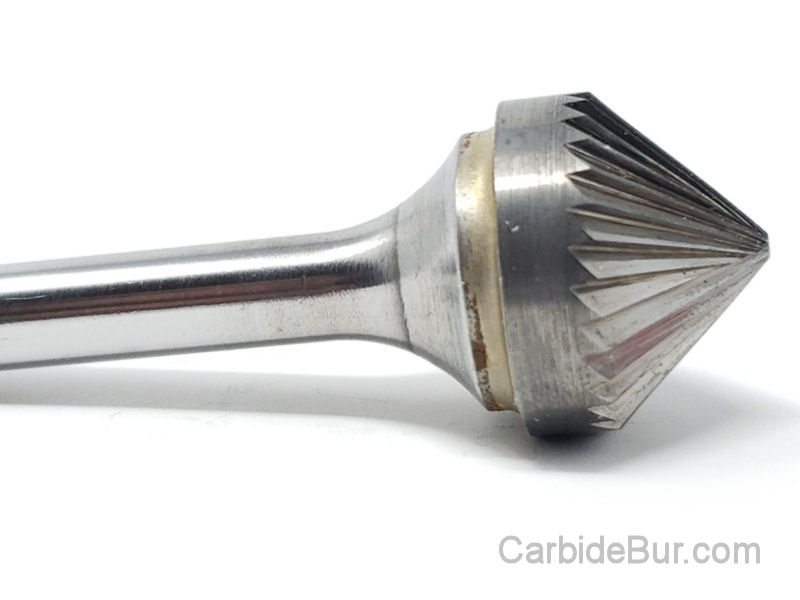
Best Carbide Burr for Inside Corners
Working in tight inside corners can turn even simple projects into frustrating tasks. Many carbide burrs just don’t fit or cut cleanly where you need them most. The best carbide burr for inside corners offers unique shapes and sharp cutting edges that help you achieve smooth finishes and precise contours without the hassle. Keep reading to find out which tools will make those tricky spots easier to shape and perfect. For more insights, visit this guide.
Understanding Carbide Burrs
Carbide burrs are an essential tool in many workshops. They excel in shaping, cutting, and grinding materials with precision and ease. Anyone involved in woodworking or metalworking will benefit from understanding these versatile tools.
What Are Carbide Burrs?
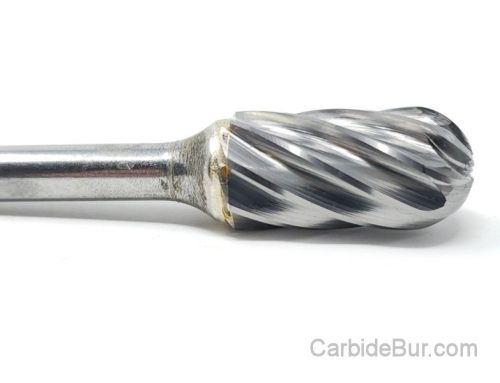
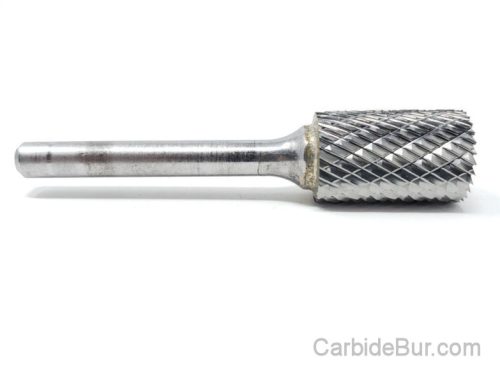
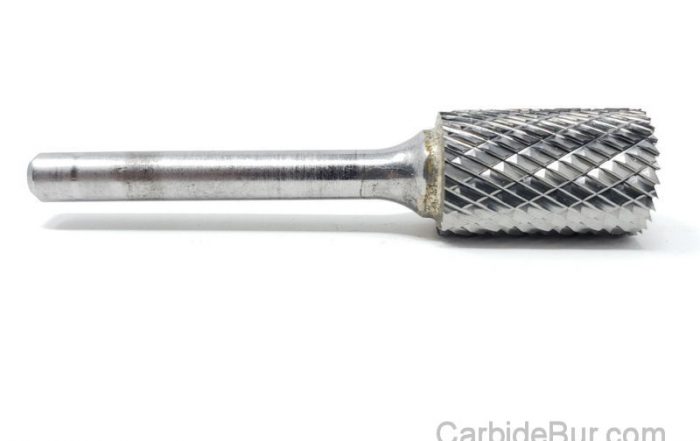
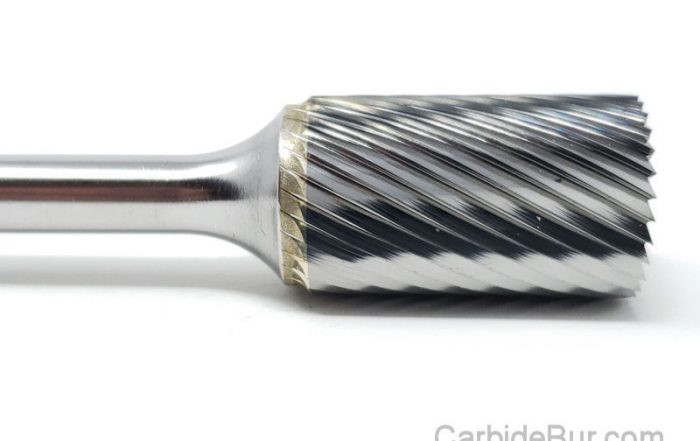
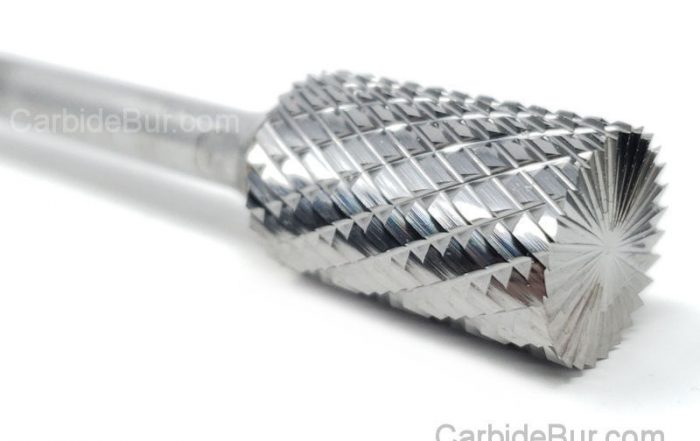
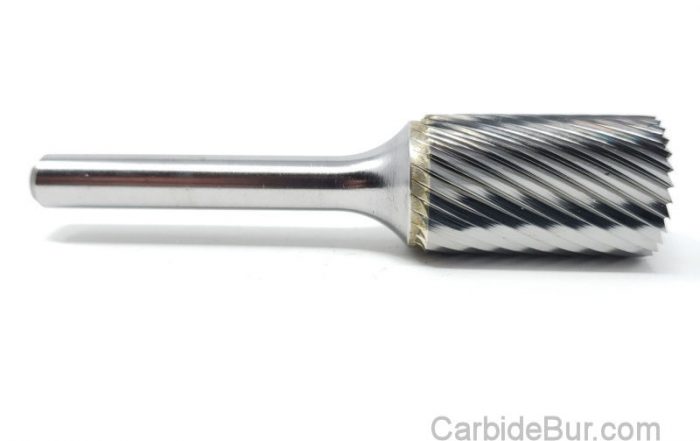
Carbide burrs are small, rotary tools used for cutting, shaping, and grinding materials like metal, wood, and plastic. They are made from tungsten carbide, a very hard material that can withstand high temperatures. These burrs come in various shapes and sizes, making them suitable for different applications. When you need a tool that can handle tough materials, carbide burrs are the way to go.
Importance of Precision Cutting Tools
Precision cutting tools are vital for achieving accurate and clean results in your projects. Without them, you risk uneven cuts or rough finishes that can ruin a piece. Carbide burrs offer the precision you need, ensuring your work looks professional. They help you save time and effort by providing reliable and consistent performance.

Benefits of Carbide Burrs for Inside Corners
Inside corners are often challenging to work on due to limited space. Carbide burrs are perfect for this task because they are small and precise. They allow you to reach tight areas and make clean cuts, resulting in smoother finishes. Using carbide burrs makes it easier to achieve the details that set your projects apart.
Choosing the Best Carbide Burrs
Selecting the right carbide burrs is key to achieving high-quality results. Various factors come into play, such as the burr’s shape and cutting ability. Knowing what to look for will guide you in making the best choice for your needs.
Key Features to Consider
When choosing carbide burrs, consider the material you will work with and the desired finish. Look for burrs made from high-quality tungsten carbide, as they offer durability and longevity. Choose the correct size and shape to reach those hard-to-access areas effectively. Remember that the right burr can make a significant difference in your work quality.
Comparing Burr Shapes for Corners
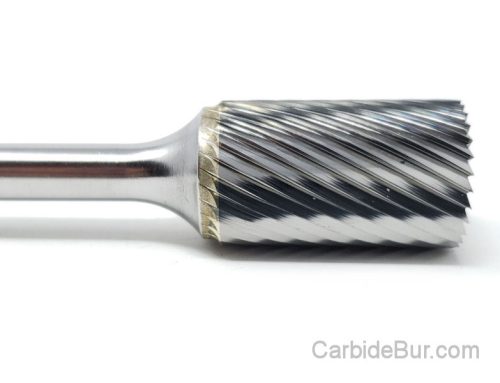
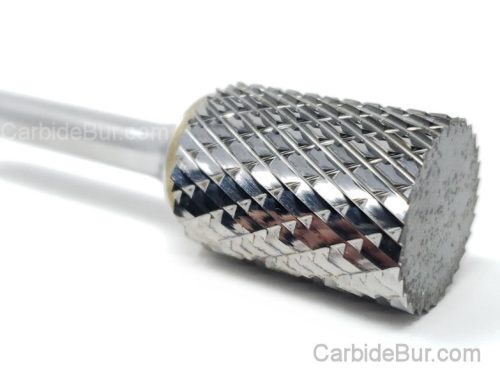
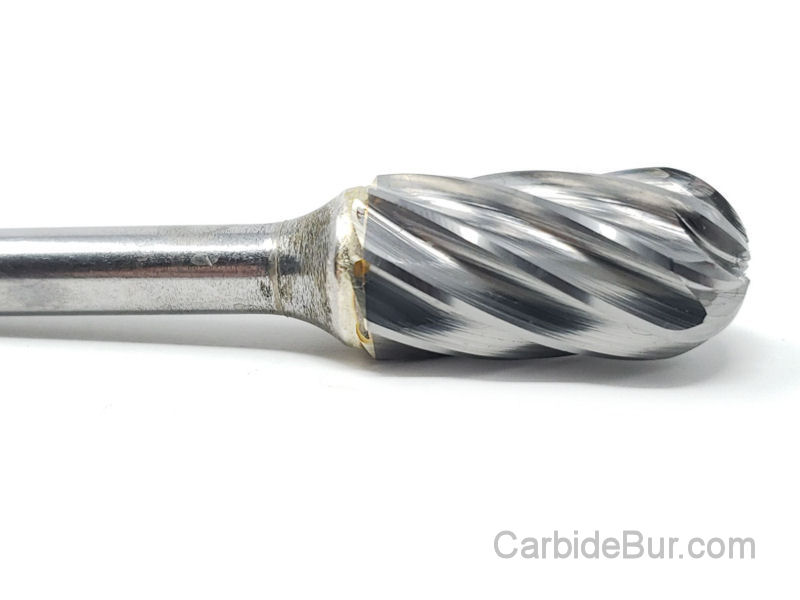
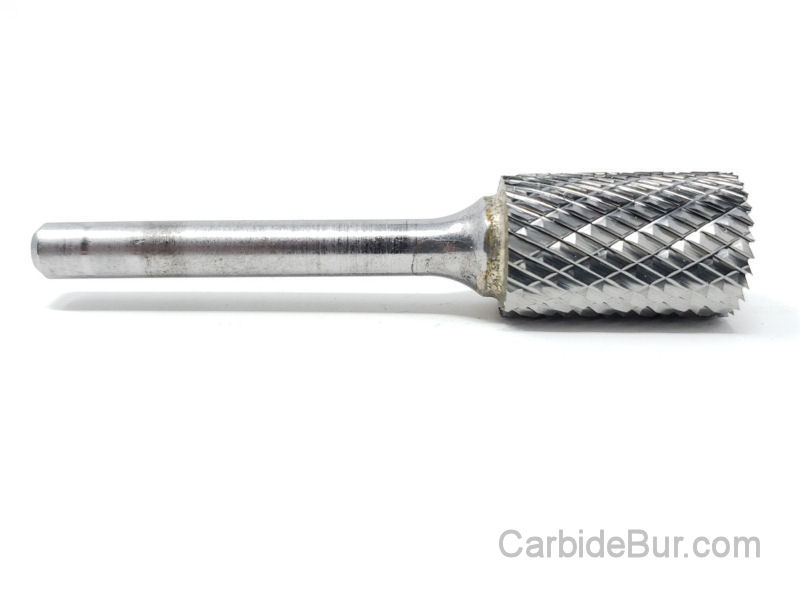
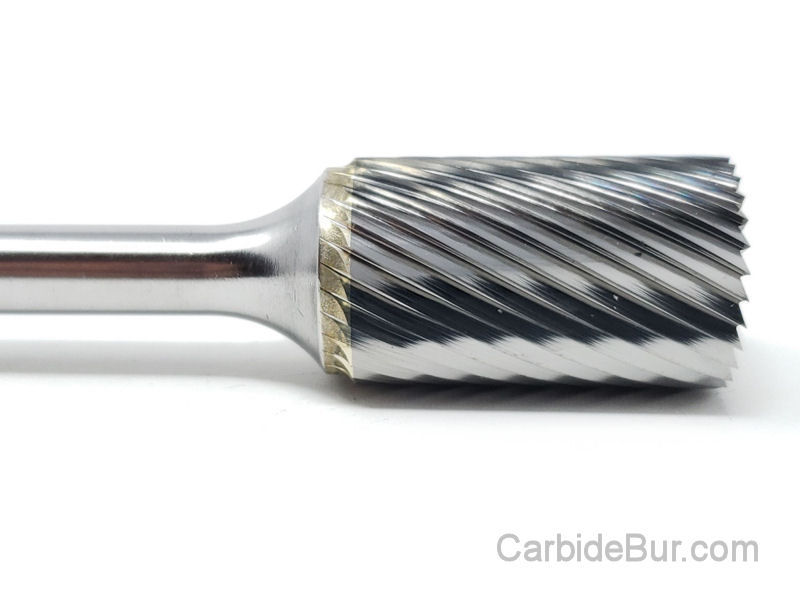
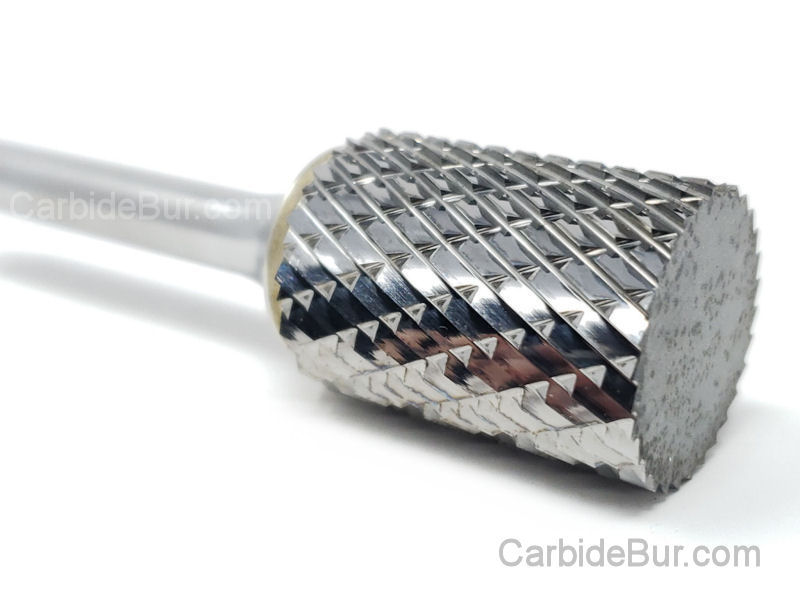
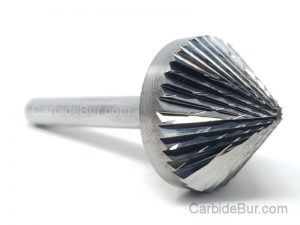
Burr shapes play a crucial role in how they perform. Some common shapes include the cylinder, ball, and cone. Cylinder burrs are great for flat surfaces, while ball burrs excel in rounding edges. Cone burrs are ideal for reaching deep into corners. Selecting the correct shape ensures you can effectively tackle inside corners.

Selecting Burrs for Smooth Finishes
Achieving smooth finishes is essential for a professional look. To do this, opt for fine-grit burrs, which remove material without leaving rough marks. Practicing with different burrs will help you find the perfect type for the finish you desire, ensuring your projects look polished and complete.
Techniques for Using Inside Corner Burrs
Mastering the use of inside corner burrs requires practice and patience. With the right techniques, you can handle these tools safely and achieve precise results. Here are some tips to get started.
Proper Handling and Safety Tips
Safety is paramount when using carbide burrs. Always wear protective gear such as gloves and goggles. Secure your workpiece to avoid accidents. Start with a low speed and gradually increase as needed. Keeping these precautions in mind ensures a safe working environment.
Achieving Precise Contours
For precise contours, maintain a steady hand and consistent pressure. Move the burr slowly and methodically along the desired path. Practice on scrap materials to perfect your technique before working on the final piece. This approach helps you gain confidence and control over the tool.

Mastering Tight Space Finishing
Finishing tight spaces can be tricky, but with the right strategy, it’s manageable. Use small, detailed movements and adjust the burr angle as needed. A steady pace allows for better control and results in a clean finish. Consistent practice will make you more comfortable with these challenging areas.
Top Carbide Burrs for Inside Corners
Finding the best carbide burrs for inside corners can significantly impact your projects. We’ll explore some top recommendations for woodworkers, metalworkers, and DIY enthusiasts.
Recommended Burrs for Woodworkers
Woodworkers often require burrs that can handle softer materials without causing damage. Opt for burrs with a finer grit and suitable shapes for wood, such as those recommended here. These ensure smooth finishes and precise cuts.
Ideal Burrs for Metalworkers
Metalworkers need burrs that can withstand harder materials and provide clean cuts. Choose carbide burrs with a sturdy construction and shapes suited for metalwork, such as the ones highlighted in this versatility article. These tools offer the strength and precision necessary for metal projects.

Best Options for DIY Enthusiasts
DIY enthusiasts often seek versatile burrs that can handle a variety of tasks. Consider burrs that offer multiple shapes and sizes, allowing for flexibility in your projects. The right tools help you tackle any challenge with ease and confidence.
Enhancing Your Projects with Carbide Burrs
Using carbide burrs can significantly enhance the quality of your projects. With the right approach, you can improve accuracy and prolong tool life, all while expanding your tool collection.
Improving Accuracy and Quality
Carbide burrs provide the precision needed for professional results. By using the correct burrs for your material, you achieve cleaner cuts and smoother finishes. This attention to detail elevates the overall quality of your work.
Tips for Prolonging Tool Life
To extend the life of your carbide burrs, clean them regularly and store them properly. Avoid excessive heat and pressure during use to prevent wear. Taking care of your tools ensures they remain effective for a long time.
Expanding Your Tool Collection
As you gain experience, consider adding new carbide burrs to your collection. Different shapes and sizes allow you to tackle various projects with confidence. The right tools empower you to take on more complex tasks and achieve even greater results.
Frequently Asked Questions
What are carbide burrs used for?
Carbide burrs are used for cutting, shaping, and grinding materials like metal, wood, and plastic. They provide precision and are essential tools in woodworking and metalworking.
How do I choose the right carbide burr for my project?
Consider the material and the desired finish. Opt for high-quality tungsten carbide burrs with the appropriate shape and size for your specific task. This ensures effective and precise results.
Can carbide burrs be used on wood and metal?
Yes, carbide burrs can be used on both wood and metal. Choose the right burr shape and grit for the material you are working with to achieve optimal results.
What safety precautions should I take when using carbide burrs?
Always wear protective gear such as gloves and goggles. Secure your workpiece, and start with a low speed. Gradually increase speed as needed while maintaining control over the tool.
How can I extend the life of my carbide burrs?
Clean your burrs regularly and store them properly. Avoid excessive heat and pressure to prevent wear. Proper maintenance ensures your tools last longer and remain effective.
Looking for Carbide Bur Tools?
Check out our entire selection of USA made carbide bur die grinder tool bits
Follow us on Twitter

Return to CarbideBur.com
Carbide Burs – 1/4″ on 1/8″ Shanks – Accessories – Aluminum Cut – Bur Sets – End Mills – Long Shank – Solid Burs
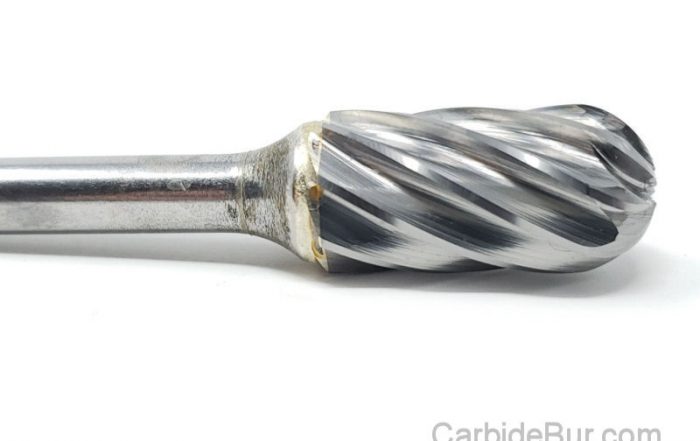
Choosing the Right Carbide Burr Shape for Your Metalworking Projects
Choosing the Right Carbide Burr Shape for Your Metalworking Projects You might think all carbide burr shapes do the same job, but that’s far from true. Choosing the wrong shape can waste time and leave [...]
U.S. Cutting Tool Shipments Reach New Heights
U.S. Cutting Tool Shipments Reach New Heights: What It Means for Manufacturing Professionals U.S. cutting tool shipments soared to $278.1 million in July 2026, marking a 29% jump from last year. If you’re in fabrication [...]
How 3D-Printed Carbide is Redefining Precision Toolmaking with Kennametal’s Latest Technology
How 3D-Printed Carbide is Redefining Precision Toolmaking with Kennametal's Latest Technology Custom hole-finishing tools have long faced limits in design and cooling options that hold back their performance. Kennametal’s new 3D-printed carbide grade changes that [...]

The Future of Additive Manufacturing in Aerospace and Automotive Industries
The Future of Additive Manufacturing in Aerospace and Automotive Industries Metal 3D printing is no longer just a concept for prototypes; it’s scaling up fast in aerospace and automotive fields. But raw prints don’t meet [...]
Navigating the Tungsten Carbide Shortage
Navigating the Tungsten Carbide Shortage: Strategies for Metalworkers in 2026 The tungsten carbide shortage in 2026 is hitting metalworkers hard, pushing tool prices higher and supply tighter than most expected. If you’ve noticed your carbide [...]
How Export Controls and Tungsten Processing Impact Carbide Production
How Export Controls and Tungsten Processing Impact Carbide Production Tungsten supply issues are hitting carbide tool manufacturing harder than ever before. Export controls and shifts in tungsten processing have tightened availability, stretching manufacturing lead times [...]
From Alloys to Automation: Mastering CNC Machining for Speed and Accuracy
From Alloys to Automation: Mastering CNC Machining for Speed and Accuracy The old ways of machining can’t keep up with today’s demands for speed and precision. You’re working with tougher alloys and expecting flawless results [...]
Top Deburring Tools for Stainless Steel: From Carbide Burrs to Sanding Blocks
Top Deburring Tools for Stainless Steel: From Carbide Burrs to Sanding Blocks Most people damage their stainless steel finish while trying to deburr it. If you’ve struggled to get smooth edges without ruining your work, [...]

Enhance Your Fabrication Projects with Advanced Finishing Methods
Enhance Your Fabrication Projects with Advanced Finishing Methods You just finished a tough weld, but the job isn’t done yet. Skipping key post-welding processes can leave your joints weak and your project looking rough. In [...]
Grinding Metal in Tight Spaces: Top Tool Picks and Essential Safety Tips
Grinding Metal in Tight Spaces: Top Tool Picks and Essential Safety Tips Grinding metal in tight spaces is a challenge many metalworkers and DIYers face. Using the wrong tools often leads to frustration and sloppy [...]
Finding the Best Carbide Burrs for Perfect Weld Cleanup: A Welder’s Guide
Finding the Best Carbide Burrs for Perfect Weld Cleanup: A Welder's Guide Welding cleanup can waste hours if you pick the wrong tools. Using carbide burrs that don’t fit your weld removal or metal blending [...]
Riding the Wave: How the Machine-Tool Orders Surge is Shaping Manufacturing
Riding the Wave: How the Machine-Tool Orders Surge is Shaping Manufacturing Machine-tool orders have jumped by 45% this year, shaking up the manufacturing scene. If you're a tool buyer, this surge means fresh chances to [...]