
Frequently Asked Questions
Here are some answers to our frequently asked questions.
Are your Carbide Burs made in the USA?
Yes.
Do you ship your Carbide Burs out same day ordered?
Yes, your carbide bur order will be shipped out the very same day if your order is placed Mon-Fri before 3pm EST.
How do you ship the Carbide Bur tools?
We use USPS Mail for most packages and UPS for large shipments.
Do you offer delivery tracking?
Yes, your delivery tracking number will automatically be emailed to you the same day your order is placed.
What payments do you accept?
We accept all major credit cards including Visa, MasterCard, Discover, American Express and PayPal. There is no account or login required for PayPal checkout.
What state do you ship from?
Ohio
Do you ship all over the world?
Yes, we will ship anywhere in the world.
Do you offer free shipping?
For all orders $99 or more, we will ship your order for free anywhere in USA. For orders under $99, flat rate shipping is only $4.95 to USA, $9.95 to Canada and $19.95 to the rest of the world.
Do you offer overnight shipping to USA?
Yes, if you contact us before placing your order, we can overnight your order for an additional cost.
Advantages of Carbide Tools and How They Can Revolutionize Your Machining
In the rapidly evolving world of machining, staying ahead of the curve is crucial for both seasoned professionals and newcomers alike. Carbide tools are not just a staple in this industry; they are revolutionizing the way you work, offering unparalleled performance and efficiency. Understanding the advantages of carbide tools is key to maximizing your output and achieving precision like never before. Whether you’re curious about carbide tools FAQ or need guidance on carbide tool maintenance, this post will illuminate how these powerful tools can transform your processes. Dive into the nitty-gritty of optimal cutting conditions and troubleshoot any challenges you face, empowering you to harness the full potential of carbide tool applications.
Benefits of Carbide Tools
Carbide tools bring significant benefits to machining processes, making them a preferred choice for machinists. These benefits span across durability, efficiency, and versatility, transforming the way machining tasks are performed.
Superior Durability and Strength
Carbide tools are renowned for their superior durability and strength. Compared to traditional steel tools, carbide tools resist wear and deformation, allowing them to maintain a sharp cutting edge longer. This extends tool life, reducing the frequency of replacements and downtime.
The increased strength of carbide tools makes them suitable for high-speed applications. They can handle intense heat and pressure without losing structural integrity. As noted by Monaghan Tooling, this strength translates to more precise and efficient machining results.
Real-world applications demonstrate that industries using carbide tools experience enhanced productivity. For instance, auto manufacturers report reduced cycle times and improved surface finishes. Consequently, carbide tools are not just a significant investment; they offer substantial returns.
Enhanced Cutting Efficiency
Carbide tools excel in cutting efficiency, providing cleaner and more precise cuts than other materials. This efficiency stems from their ability to withstand high cutting speeds and maintain sharpness over extended periods.
The high thermal conductivity of carbide allows it to dissipate heat rapidly. This prevents overheating, which is a common issue with other materials. As described by Quickgrind, this property improves machining accuracy and reduces tool wear.
In practice, companies find that using carbide tools leads to fewer tool changes and reduced downtime. This translates into increased throughput and lower operating costs. Consequently, the investment in carbide tools often results in significant cost savings over time.
Versatile Applications in Machining
Carbide tools are incredibly versatile, suitable for a wide range of machining applications. They are used in milling, turning, and drilling operations, accommodating various materials from metal to composite.
This versatility is highlighted by Carbide Bur, which notes that carbide tools can tackle both rough and finish machining tasks. This adaptability makes them indispensable in industries such as aerospace, automotive, and general manufacturing.
Furthermore, carbide tools can be customized to specific applications. For instance, different coatings can be applied to enhance performance in particular conditions. This customization ensures that carbide tools meet the precise needs of any machining operation.
Optimizing Carbide Tool Performance
To fully benefit from carbide tools, it is essential to optimize their performance. This involves understanding cutting conditions, maintaining tools effectively, and troubleshooting common issues.
Ideal Cutting Conditions
Optimizing cutting conditions is crucial for maximizing carbide tool performance. This involves setting the correct speed, feed rate, and depth of cut. Each factor plays a role in ensuring efficient and effective machining.
-
Speed: Carbide tools perform best at high speeds, enabling faster cuts and better surface finishes.
-
Feed Rate: Adjusting the feed rate ensures good chip formation and prevents tool overload.
-
Depth of Cut: Proper depth settings reduce vibration and tool deflection.
Carbide Burr emphasizes the importance of fine-tuning these parameters to match specific materials and tooling requirements. Doing so not only enhances tool life but also improves overall machining quality.
Effective Carbide Tool Maintenance
Regular maintenance is vital for keeping carbide tools in top condition. Proper care helps in preserving their cutting edge and prolonging their lifespan.
It is recommended to clean carbide tools after each use to remove debris and buildup. Additionally, storing tools in a dry environment prevents corrosion. Periodic inspection for wear and damage is also crucial.
As suggested by Monaghan Tooling, using protective equipment during storage and handling further reduces the risk of accidental damage. These practices collectively ensure that tools remain sharp and ready for use.
Troubleshooting Carbide Tools Issues
Despite their robustness, carbide tools can encounter issues. Identifying and addressing these problems swiftly is essential to avoid prolonged downtime.
Common troubleshooting areas include chatter, breakage, and premature wear. Addressing these involves adjusting cutting parameters and checking tool alignment. Ensuring the machine’s rigidity and stability also helps reduce these issues.
Quickgrind suggests documenting any problems and solutions, creating a record that can guide future troubleshooting efforts. This proactive approach minimizes disruptions and maximizes productivity.
By understanding these facets, you empower yourself to leverage the full potential of carbide tools, ensuring they remain a valuable asset in your machining operations.

We accept debit and all major credit card payments including Visa, MasterCard, Discover, American Express and PayPal. Fast and easy secure checkout with no account or login required. If you have any questions, visit our FAQ page or contact us here.

Follow us on Twitter

Return to CarbideBur.com
Carbide Burs – 1/4″ on 1/8″ Shanks – Accessories – Aluminum Cut – Bur Sets – End Mills – Long Shank – Solid Burs
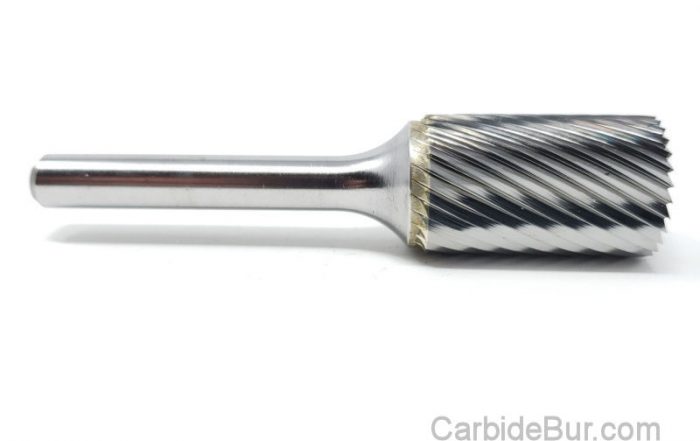
Carbide Burr Shapes Explained: Cylindrical, Ball, Oval, and Tree Burrs
Carbide Burr Shapes Explained: Cylindrical, Ball, Oval, and Tree Burrs Choosing the right carbide burr shape can make metalworking easier, improve control, and help you remove material where it is actually needed. Whether you are [...]
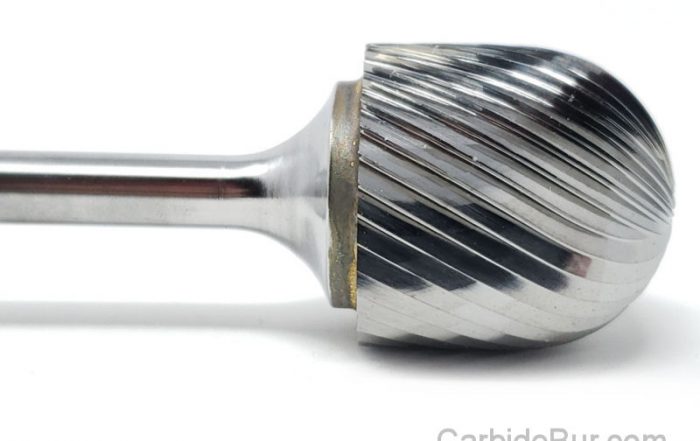
How to Get More Life from Your Carbide Burrs
How to Get More Life from Your Carbide Burrs Carbide burrs are valuable tools for welders, fabricators, machinists, automotive enthusiasts, and anyone who regularly works with metal. They can remove material, shape edges, clean up [...]
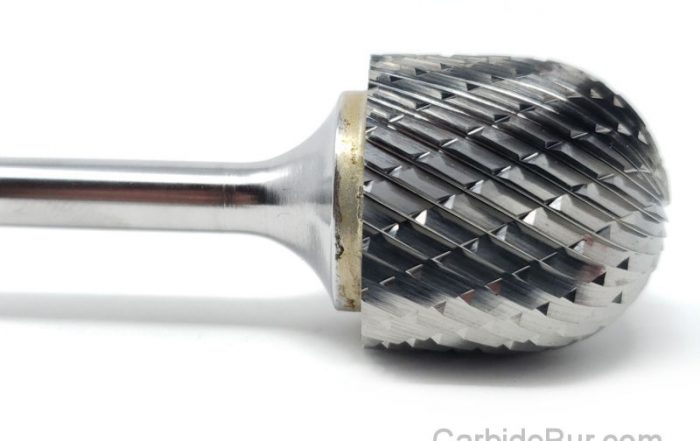
Are Expensive Carbide Burrs Worth It? Comparing Price and Performance
Are Expensive Carbide Burrs Worth It? Comparing Price and Performance When shopping for carbide burrs, it's easy to assume that the cheapest option saves money. But if you use rotary cutting tools regularly for welding, [...]
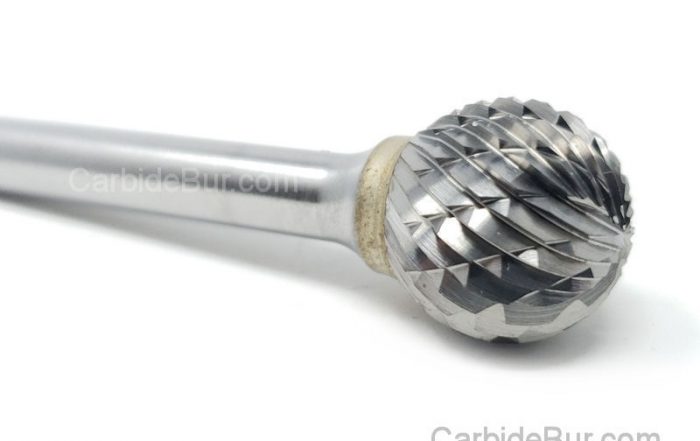
Carbide Burr vs. Grinding Stone: Which Is Better for Metal Removal?
Carbide Burr vs. Grinding Stone: Which Is Better for Metal Removal? When you need to remove metal, smooth a rough edge, or shape a metal component, two common options are carbide burrs and grinding stones. [...]
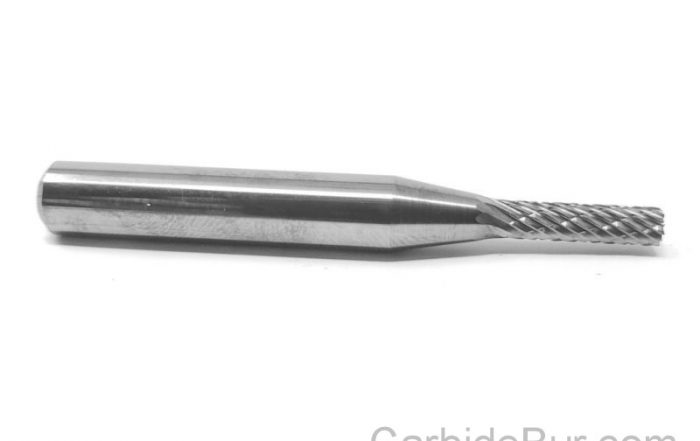
Carbide Burr Safety: RPM, Eye Protection, and Common Mistakes
Carbide Burr Safety: RPM, Eye Protection, and Common Mistakes Carbide burrs are versatile cutting tools used for metal fabrication, welding cleanup, engine porting, deburring, and general material removal. When used correctly, they can help remove [...]
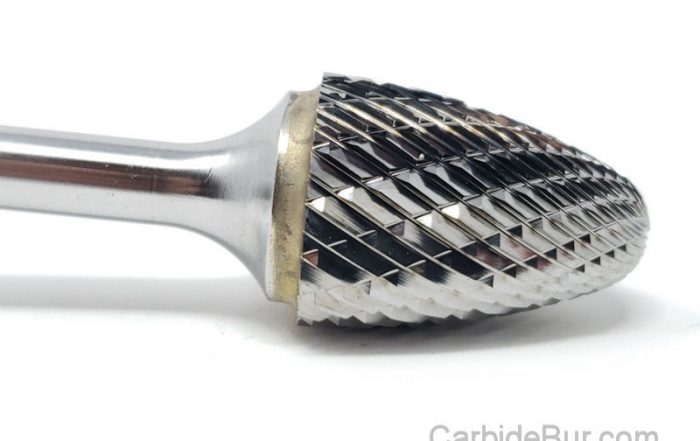
How to Stop Aluminum from Clogging Your Carbide Burr
How to Stop Aluminum from Clogging Your Carbide Burr Aluminum is widely used in automotive work, welding, metal fabrication, aerospace components, and general machining. It is lightweight, relatively easy to machine, and versatile across many [...]
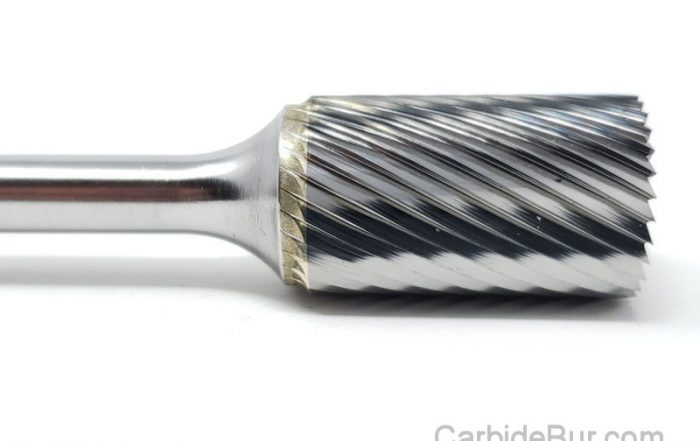
Carbide Burrs for Intake Manifolds: Shaping, Cleanup, and Fitment
Carbide Burrs for Intake Manifolds: Shaping, Cleanup, and Fitment Intake manifold work often involves more than simply bolting a component onto an engine. Depending on the application, metal intake components may have casting irregularities, rough [...]
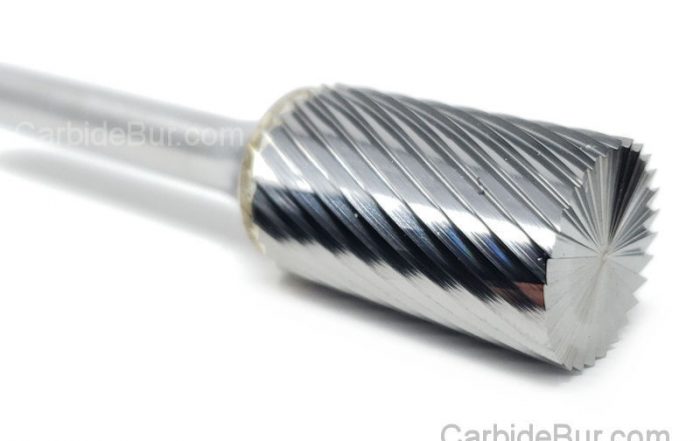
Why Long-Shank Carbide Burrs Are Useful for Hard-to-Reach Areas
Why Long-Shank Carbide Burrs Are Useful for Hard-to-Reach Areas When working on metal parts, the area that needs grinding or shaping is not always easy to reach. Recessed openings, deep cavities, interior surfaces, and complicated [...]
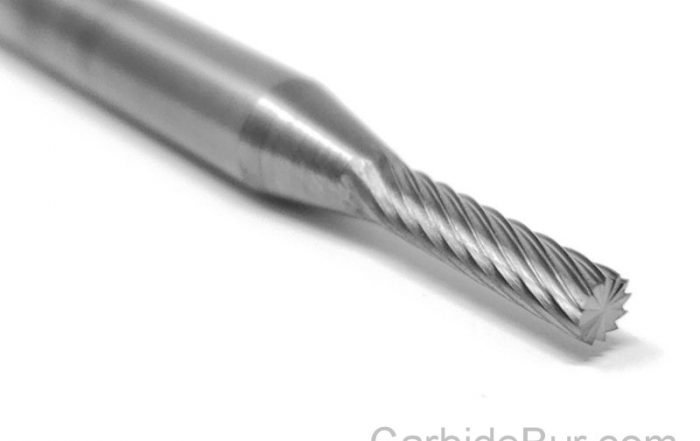
Choosing Carbide Burrs for Stainless Steel Fabrication
Choosing Carbide Burrs for Stainless Steel Fabrication Stainless steel is widely used in fabrication because of its corrosion resistance, strength, and durability. However, those same properties can make it challenging to machine and finish. Removing [...]
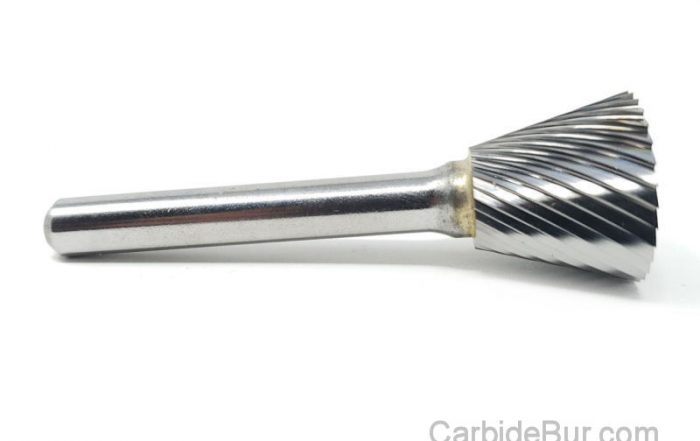
Can You Use Carbide Burrs in a Dremel? Shank Sizes Explained
Can You Use Carbide Burrs in a Dremel? Shank Sizes Explained If you use a Dremel or another rotary tool for detail work, metal shaping, or small fabrication projects, you may wonder whether you can [...]
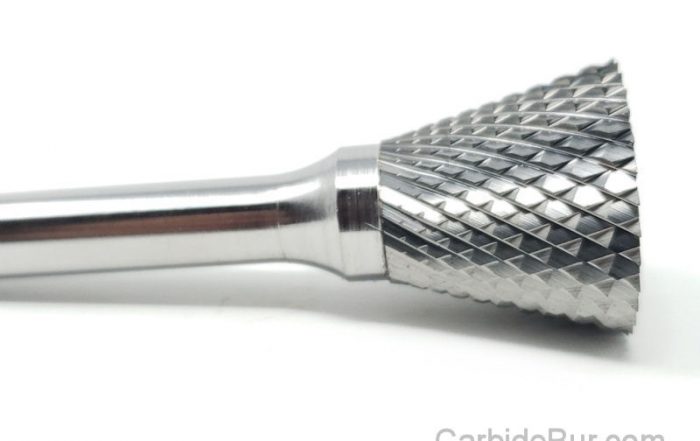
How to Choose the Best Carbide Burr for Welding and Metal Fabrication
How to Choose the Best Carbide Burr for Welding and Metal Fabrication Welding and metal fabrication often require more than joining two pieces of metal together. Once the welding is finished, fabricators frequently need to [...]
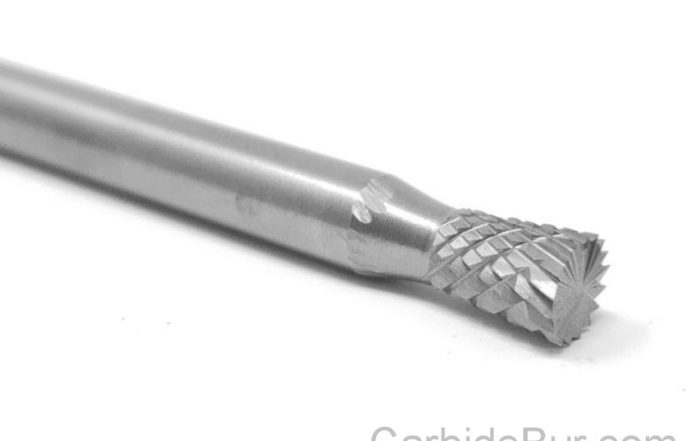
Carbide Burrs for Cylinder Heads: What Automotive Enthusiasts Need to Know
Carbide Burrs for Cylinder Heads: What Automotive Enthusiasts Need to Know Cylinder head work is an important part of engine building, restoration, and performance machining. Whether you are cleaning up casting imperfections, refining port surfaces, [...]