
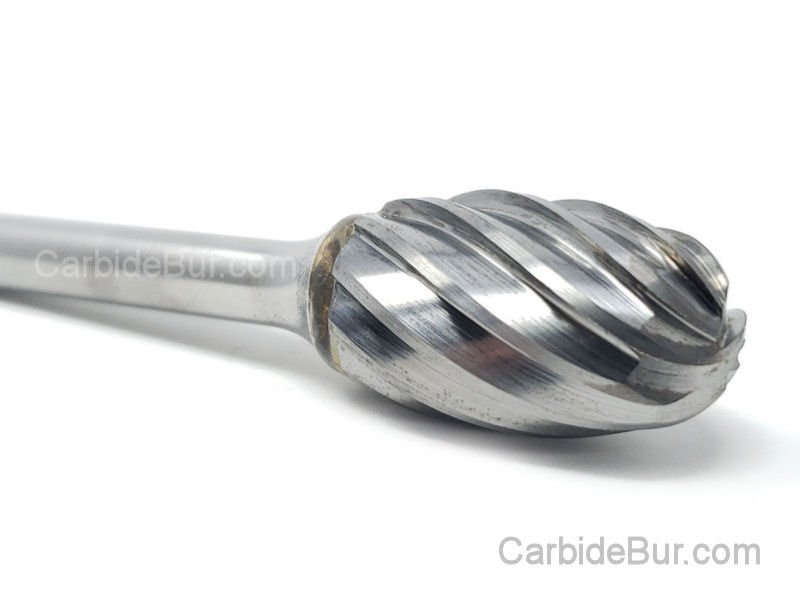
Mastering Metalworking: A Comprehensive Guide to Aluminum Die Grinder Bits
In the realm of metalworking, the right tools can make all the difference between a good project and a great one. Among these essential tools, aluminum die grinder bits play a crucial role in shaping, smoothing, and refining metal surfaces with exceptional precision. Whether you’re a seasoned professional or a passionate hobbyist, understanding the various types of metalworking tools available, including those for specific grinder bit applications, is fundamental to enhancing your craft. In this guide, we’ll delve into the world of aluminum die grinder bits, exploring their unique features and advantages, and providing insights on how to select the ideal bit for your fabrication equipment needs. Discover how these precision machining tools can transform your projects and elevate your metalworking skills to new heights. For more detailed information on choosing and using burr bits, visit this comprehensive guide.
Understanding Aluminum Die Grinder Bits
Aluminum die grinder bits are essential components in metalworking, providing precision and efficiency in various applications. Understanding these bits is crucial for anyone involved in metalworking, from beginners to seasoned professionals.
Types of Grinder Bits
Aluminum die grinder bits come in various shapes and sizes, each designed for specific tasks. Rotary burrs, for instance, are vital for cutting, shaping, and engraving. Cylindrical, oval, and flame shapes are common, each serving unique purposes. For instance, cylindrical burrs are perfect for flat surfaces, while flame burrs excel in detailed work. Check out this comprehensive guide for more on burr types.
When choosing a type, consider the task. Fine-tuning, detailed work requires smaller, precision-focused bits. Conversely, heavy material removal demands larger, more robust bits. Understanding these distinctions enhances tool effectiveness.
Material compatibility is another factor. While some bits are designed for specific metals, others are versatile. Knowing these differences can prevent tool damage and improve results.
Key Features to Consider
When selecting grinder bits, several key features influence performance. Material composition is critical—bits made from tungsten carbide offer durability and superior cutting capabilities. They withstand rigorous use without dulling quickly.
Shank size is another consideration. Compatibility with your grinder is crucial—common shank sizes include 1/4 inch and 1/8 inch. Ensure the bit fits your equipment to avoid operational issues.
Tooth pattern impacts the bit’s performance. Coarse patterns remove material quickly but may leave rough finishes, while finer patterns provide smoother results. Choose based on your project’s finish requirements.
Lastly, consider heat resistance. Bits that resist high temperatures maintain sharpness longer, ensuring consistent quality. For detailed considerations, this site provides in-depth insights.
Benefits in Metalworking
Aluminum die grinder bits offer numerous benefits in metalworking, enhancing both efficiency and precision. They enable detailed shaping and smoothing, crucial for achieving professional-grade finishes.
Versatility is a key advantage. These bits handle a variety of materials, from aluminum to steel, making them indispensable across different projects. Their ability to perform multiple functions—cutting, deburring, polishing—streamlines workflows.
Another benefit is time efficiency. Due to their sharpness and durability, these bits significantly reduce processing time, allowing for quicker project completion. This translates to increased productivity in both small-scale and large-scale operations.
Moreover, the precision offered by these bits ensures minimal material wastage, contributing to cost-effectiveness. For more on the benefits, see this detailed resource.
Choosing the Right Bit for Your Project
Selecting the appropriate aluminum die grinder bit is vital for successful outcomes. This section covers how to evaluate your task and match bit features accordingly.
Evaluating Task Requirements
Before selecting a bit, assess the specific requirements of your task. Material type is a primary consideration—different metals may require different bits. For aluminum, bits with sharper cutting edges are preferable for clean results.
Project scale also influences choice. For large projects, larger bits remove material more efficiently, while smaller projects benefit from precision-focused bits.
Additionally, consider the desired finish. If a polished finish is required, bits with finer tooth patterns are ideal. Understanding these task requirements ensures the bit chosen will perform optimally.
Matching Bit Features to Applications
Once task requirements are clear, align them with specific bit features. For instance, if working on detailed engraving, choose a bit with a fine tooth pattern and smaller size for precision.
For tasks involving heavy material removal, opt for a bit with a coarse tooth pattern and robust design. This ensures efficiency without sacrificing control.
When considering heat resistance, select bits that maintain sharpness under high temperatures for projects involving prolonged use. This comprehensive guide provides more on matching features to applications.
Ensuring Compatibility with Equipment
Compatibility between the bit and your equipment is crucial for effective metalworking. Shank size must match the grinder’s chuck size to avoid operational issues. Common sizes include 1/4 inch and 1/8 inch; verify your equipment’s specifications.
Additionally, consider your grinder’s power. Ensure it can handle the bit’s workload without overheating or stalling. A mismatch can lead to suboptimal performance or even damage.
Lastly, ensure the bit’s material compatibility aligns with your project’s material. Using the appropriate bits prevents wear and tear on both the tool and the project material.
Enhancing Efficiency and Precision
Maximizing efficiency and precision in metalworking involves using the right techniques and maintaining your tools effectively.
Techniques for Improved Precision
Precision in metalworking is crucial for achieving the desired outcome. Steady hand control is essential—practice maintaining a consistent grip to ensure smooth, even results.
Use incremental passes rather than attempting to remove too much material at once. This improves accuracy and reduces the risk of errors. Patience is key in achieving precision.
Marking guidelines on your workpiece can also aid in precision. Clearly outlining the intended cuts or engravings provides a visual reference, reducing the chance of mistakes.
Boosting Efficiency in Fabrication
To boost efficiency, streamline your workflow. Arrange your workspace for easy access to tools and materials. This minimizes downtime and keeps the process fluid.
Utilize multi-functional bits that can perform several tasks, such as cutting and polishing, to reduce tool changes. This increases productivity and conserves time.
Regular maintenance of your grinder bits ensures they remain sharp and effective, preventing delays caused by equipment failure. For more on boosting efficiency, visit this site.
Maintenance Tips for Longevity
Proper maintenance extends the lifespan of your aluminum die grinder bits. After each use, clean the bits to remove metal debris and dust. This prevents buildup that can dull the cutting edges.
Regular inspections for wear and damage are essential. Replace bits showing signs of excessive wear to maintain performance.
Store bits properly in a dry, safe location to prevent corrosion and physical damage. Consistent maintenance ensures your tools remain in optimal condition for future projects.
Applications of Grinder Bits in Metalworking
Grinder bits have diverse applications in metalworking, from common tasks to specialized techniques.
Common Metalworking Tasks
Aluminum die grinder bits are used in several common metalworking tasks. Deburring involves removing sharp edges or burrs left by cutting processes. This ensures safety and improves the finish.
Surface cleaning is another frequent application. Bits can efficiently remove rust, paint, or other coatings from metal surfaces, preparing them for further treatment.
Additionally, smoothing welds is a critical task. Grinder bits can refine welds, ensuring they are flush with the surrounding metal and improving structural integrity.
Specialized Fabrication Techniques
In specialized fabrication, grinder bits play a vital role. Intricate detailing on metal sculptures or jewelry requires precision bits for fine work.
Custom engraving is another specialized task where grinder bits excel. They allow for detailed designs and text to be etched into metal surfaces with high precision.
For tasks like casting clean-up, where excess material from molds needs removal, grinder bits provide the precision needed to refine cast pieces without damaging delicate areas.
Innovations in Precision Machining
Innovations in precision machining continually enhance the capabilities of grinder bits. Advanced tooth patterns and materials, like polycrystalline diamond, offer superior cutting performance and durability.
Automated CNC machines now incorporate grinder bits for high-precision operations, expanding their applications in industrial settings. This automation improves consistency and speed.
Furthermore, 3D modeling and simulation technologies allow for the testing of bit designs before production, ensuring optimal performance and efficiency in real-world applications.
Advanced Tips for Metalworking Professionals
For professionals, mastering complex projects and staying updated on tools and technologies is crucial.
Mastering Complex Projects
To tackle complex projects, begin by thorough planning. Break the project into manageable stages and outline each step.
Choose the right tools for each stage, ensuring they are suited to the specific task. This minimizes errors and enhances efficiency.
Collaborate with peers or seek expert advice when faced with challenging aspects. Sharing knowledge can provide new insights and solutions.
Safety Practices in Metalworking
Safety is paramount in metalworking. Always wear appropriate protective gear, such as goggles and gloves, to prevent injury from flying debris or sharp edges.
Ensure your workspace is well-organized and free from clutter to reduce the risk of accidents. Regularly inspect equipment for faults or damage before use.
Familiarize yourself with safety protocols and emergency procedures to respond effectively in case of accidents. Continuous safety training is essential for maintaining a safe working environment.
Exploring New Tools and Technologies
Stay ahead in metalworking by exploring new tools and technologies. Regularly research advancements in precision machining tools to incorporate the latest innovations into your projects.
Attend workshops, seminars, and trade shows to learn about new equipment and techniques. Networking with industry professionals can provide valuable insights and opportunities.
Experiment with new tools in safe, controlled settings to evaluate their effectiveness before integrating them into regular workflows. Embracing innovation ensures continuous improvement and competitiveness in the field.
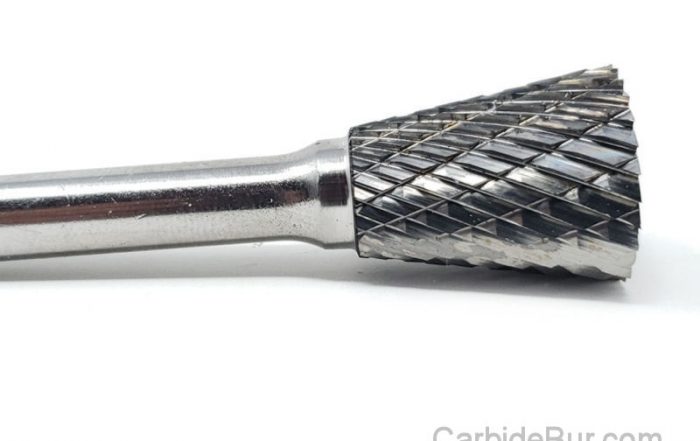
Carbide Burr Safety: 15 Mistakes That Can Cause Injury or Damage
Carbide Burr Safety: 15 Mistakes That Can Cause Injury or Damage Carbide burr safety is often overlooked until a costly mistake happens. Many metalworkers and DIYers make the same errors that lead to injuries or [...]
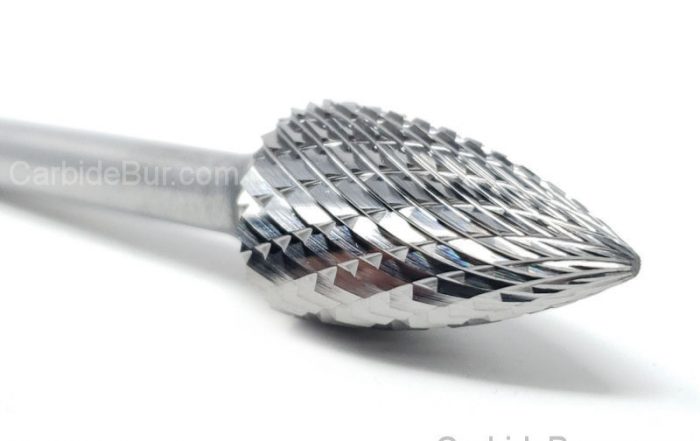
Can You Use a Carbide Burr in a Drill?
Can You Use a Carbide Burr in a Drill? Most people think a standard drill can’t handle a carbide burr, but that’s not true. Using carbide burr in the right drill can speed up your [...]
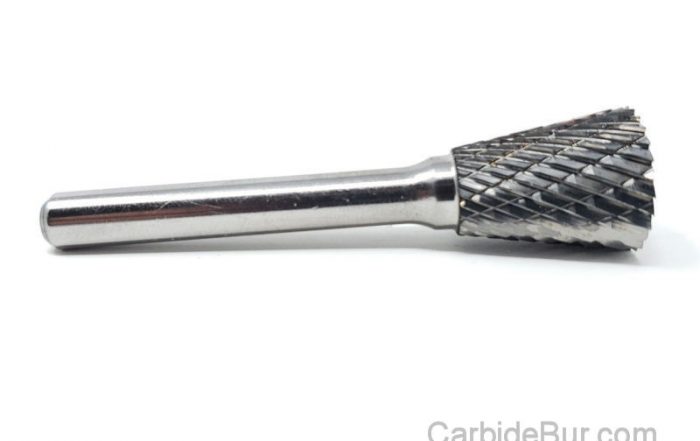
Carbide Burrs for Removing Rust: What Works Best?
Carbide Burrs for Removing Rust: What Works Best? Rust can turn your favorite tools into useless junk faster than you expect. Removing it without ruining the metal underneath takes more than just elbow grease—it demands [...]
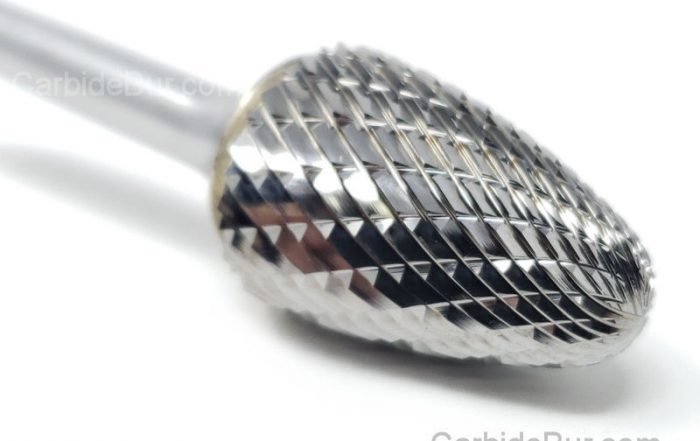
How Much Pressure Should You Use With a Carbide Burr?
How Much Pressure Should You Use With a Carbide Burr? Most people think pressing harder with a carbide burr speeds up the job. That’s not true—too much pressure wears out your tool and ruins the [...]
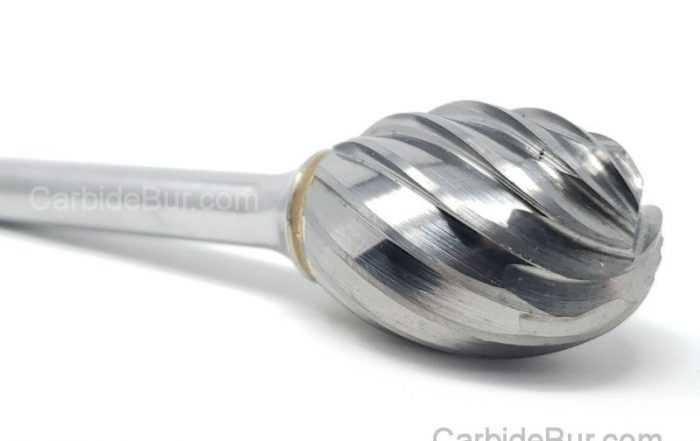
Can You Use Carbide Burrs With an Air Die Grinder?
Can You Use Carbide Burrs With an Air Die Grinder? Most people don’t realize how well carbide burrs work with air die grinders until they try them. If you’ve ever struggled with finding the right [...]
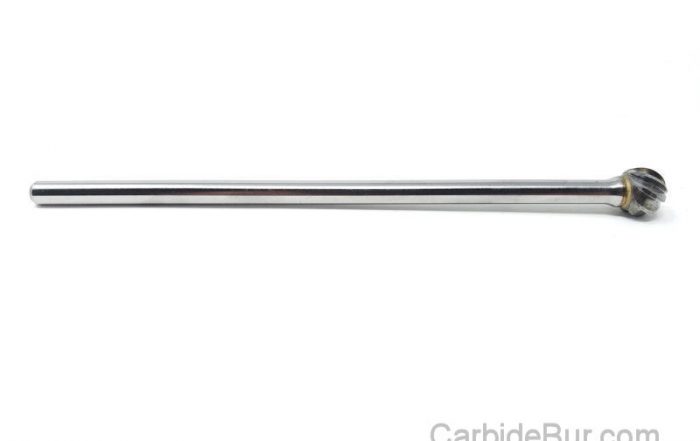
Best Long Reach Carbide Burr for Deep Metal Work
Best Long Reach Carbide Burr for Deep Metal Work Long reach carbide burrs often promise deep metal access, but many fall short where it counts most. You need a tool that cuts cleanly, lasts through [...]
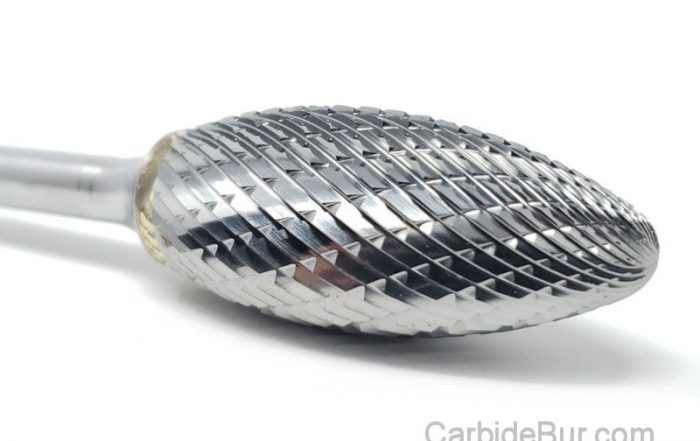
What RPM Should You Use for a 1/8 Inch Carbide Burr?
What RPM Should You Use for a 1/8 Inch Carbide Burr? Most people guess the right carbide burr RPM by feel—and waste hours redoing work. If you want cleaner cuts and longer tool life, your [...]
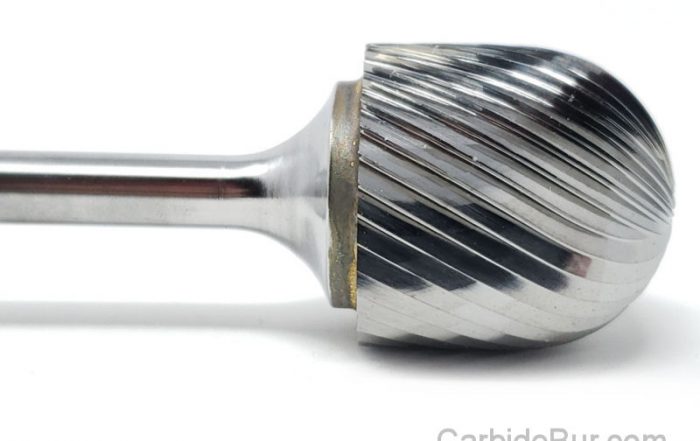
Carbide Burrs for Tight Spaces: Choosing the Right Shape
Carbide Burrs for Tight Spaces: Choosing the Right Shape Tackling tight spaces with the wrong carbide burrs wastes time and risks damaging your work. Choosing the right burr shape makes all the difference when working [...]
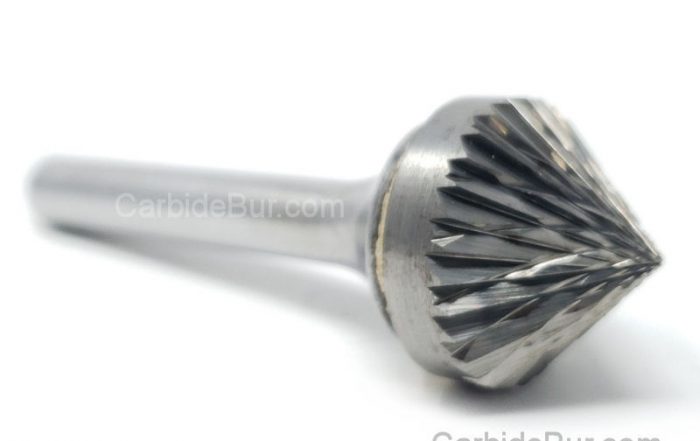
Can Carbide Burrs Remove Paint From Metal?
Can Carbide Burrs Remove Paint From Metal? Stripping paint from metal often feels like a tough chore that risks damaging the surface underneath. Many turn to carbide burrs hoping they can speed things up without [...]
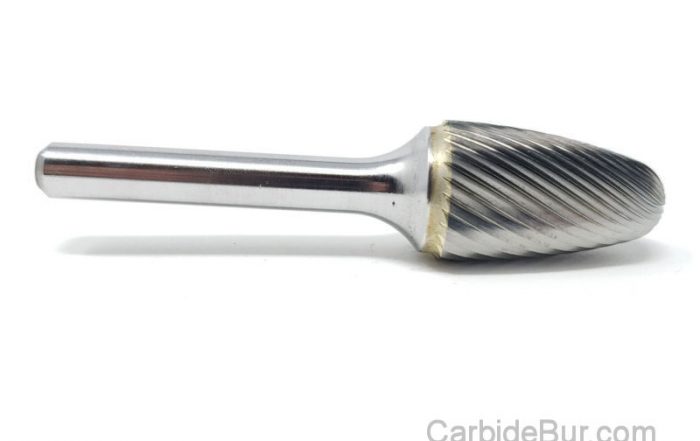
How to Grind a Groove in Metal With a Carbide Burr
How to Grind a Groove in Metal With a Carbide Burr Most metalworkers struggle to cut clean grooves without wasting time or ruining their workpiece. Many try different metalworking tools but end up with uneven [...]
Can Carbide Burrs Cut Through Welds?
Can Carbide Burrs Cut Through Welds? Cutting through welds can feel like a battle, especially when you need clean results without harming the base metal. Carbide burrs offer a sharp edge in this fight, but [...]
How to Use a Carbide Burr With a Die Grinder
How to Use a Carbide Burr With a Die Grinder Most people treat a carbide burr like just another tool, but using it with a die grinder takes skill. If you’ve struggled with burr installation [...]
