
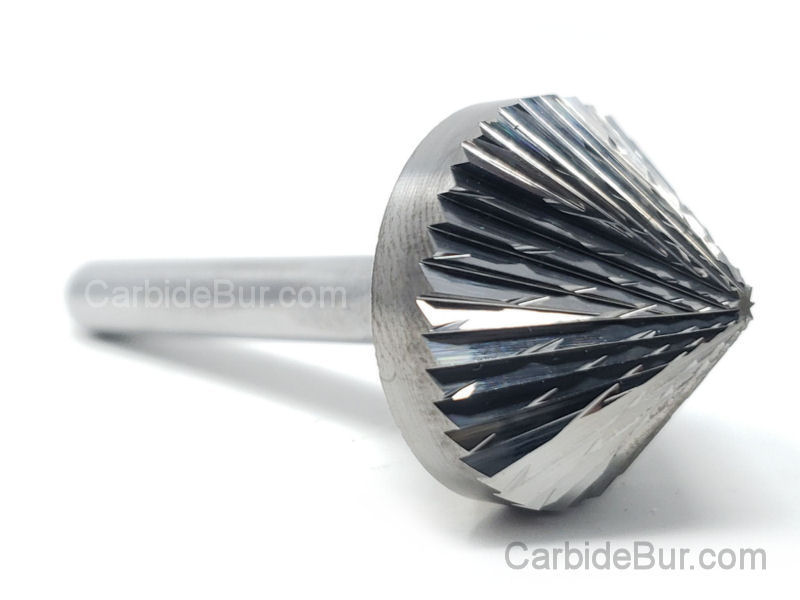
Why the Bur Inverted Cone is the Must-Have Tool for Intricate Engraving
Intricate engraving and precise shaping tasks demand tools that deliver both finesse and functionality, and the bur inverted cone stands out as an indispensable asset in the toolkit of every craftsman. This specialized material removal tool is designed to tackle the most delicate of designs, allowing for unparalleled precision even in the tightest of spaces. Whether you’re a seasoned professional or a passionate hobbyist, the bur inverted cone empowers you to elevate your craftsmanship, effortlessly navigating contours and creating stunning, detailed engravings. Join us as we delve into the myriad ways this essential tool can transform your projects, ensuring each piece reflects the highest standards of artistry and skill. Learn more about the bur inverted cone here.
Find more Bur Inverted Cone tools here
Introduction to the Bur Inverted Cone
The bur inverted cone is a versatile and essential tool for intricate engraving and shaping tasks. Understanding its design, historical uses, and versatility can help craftsmen and hobbyists alike make the most of this specialized tool.
Understanding the Tool’s Design
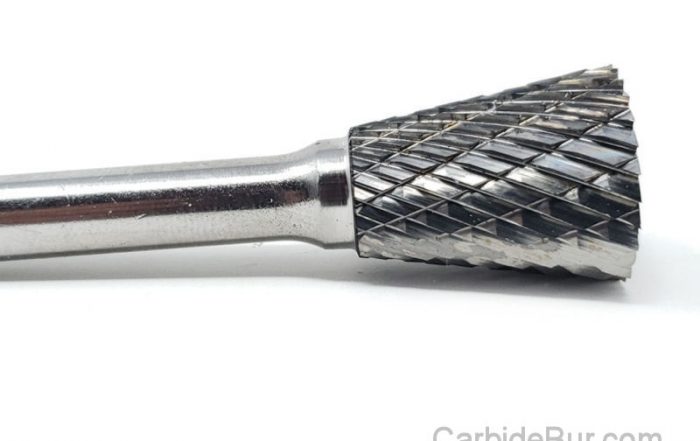
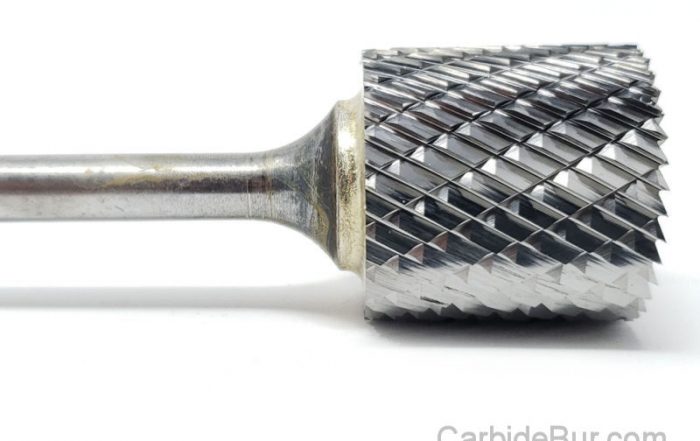
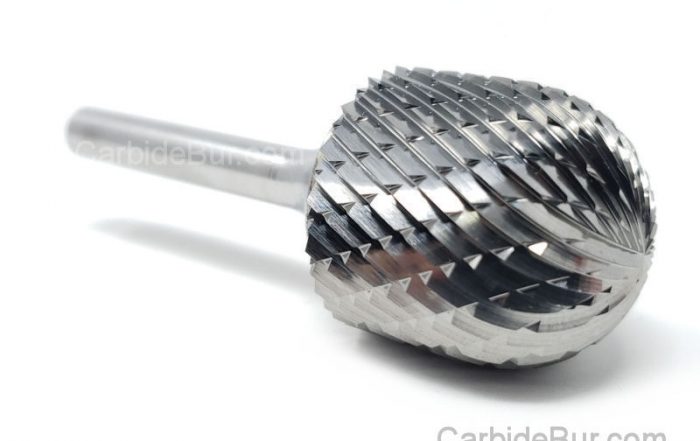
The bur inverted cone is designed for precision and versatility. Its unique shape allows it to reach tight spaces and intricate designs. The tapered end of the cone helps in achieving fine details, making it ideal for tasks that demand accuracy.
In essence, the tool’s design is a blend of narrow and wide angles, providing a dynamic range of motion. This allows craftsmen to carve out complex patterns with ease. The material selection, often carbide or diamond, enhances durability and precision.
For those interested in the technical aspects, Carbide Burr provides detailed insights into the materials and construction of these tools.
Historical Uses in Engraving
Historically, the bur inverted cone has been a staple in the engraving community. Its use dates back to when intricate design was a symbol of craftsmanship and luxury.
In earlier times, these tools were crafted manually, showcasing the skill and ingenuity of artisans. With the advent of modern technology, they’ve evolved yet remain crucial for detailed work.
The historical relevance of the tool underscores its timelessness. As technology advances, the basic principles of its use remain unchanged, proving its enduring value.
Versatility Across Projects
The versatility of the bur inverted cone makes it suitable for various projects, from jewelry making to metal engraving. Its ability to adapt to different materials and applications is unmatched.
Craftsmen can use it for engraving soft metals, woods, and even some plastics. The tool’s adaptability ensures that it remains a go-to for a variety of tasks.
Aliexpress provides a wide selection of these tools, catering to diverse needs and projects.
Advantages of Detailed Engraving
Detailed engraving offers numerous advantages, including enhanced precision, intricate finishes, and improved craftsmanship quality. Understanding how to leverage these benefits can significantly elevate project outcomes.
Precision in Tight Spaces
Precision is crucial in engraving, especially in tight spaces. The bur inverted cone excels in this aspect, allowing for meticulous work.
For tasks requiring fine detail, this tool ensures consistent quality. Its design facilitates access to hard-to-reach areas, making it invaluable for detailed work.
Using the right tool ensures that every engraving is precise and clean. Sculpting Studio offers a variety of options to suit different precision needs.
Achieving Intricate Finishes
Achieving intricate finishes is a hallmark of quality engraving. The bur inverted cone enables artisans to create detailed patterns with ease.
Its design allows for smooth transitions and seamless detailing. This results in a polished, professional finish that enhances the overall aesthetic of any piece.
The tool’s ability to produce intricate finishes makes it indispensable for those aiming for high-quality results.
Elevating Craftsmanship Quality
The quality of craftsmanship is often judged by the intricacy and precision of the work. The bur inverted cone plays a pivotal role in elevating this quality.
By providing control and precision, it helps craftsmen achieve their desired outcomes. The tool’s efficiency and effectiveness make it a preferred choice for professionals.
Incorporating this tool into regular practice can significantly enhance the quality and detail of any project.
Navigating Contours with Ease
Navigating complex contours is a common challenge in engraving. The bur inverted cone simplifies this process, offering techniques and methods that ensure ease and accuracy.
Mastering Complex Shapes
Complex shapes pose a challenge, but with the right techniques, they can be mastered. The bur inverted cone offers the precision needed to tackle intricate forms.
-
Assess the shape: Understand the design and areas requiring attention.
-
Choose the right tool size: Ensure the cone size fits the design complexity.
-
Perform gradual cuts: Work incrementally to maintain control.
This approach ensures that even the most complex shapes are handled with precision and care.
Find more Bur Inverted Cone tools here
Techniques for Delicate Designs
Delicate designs require a gentle touch and precise control. The bur inverted cone is ideal for achieving such finesse.
-
Use light pressure: Avoid heavy-handedness to maintain detail.
-
Work in small sections: This ensures control and accuracy.
-
Practice patience: Rushing can lead to mistakes and uneven results.
These techniques help in achieving delicate designs without compromising on quality or detail.
Enhancing Project Aesthetics
The aesthetic appeal of a project often hinges on the details. The bur inverted cone enhances this through its ability to deliver intricate designs.
Its precision allows for clean lines and detailed patterns, adding to the overall visual impact. Projects benefit from the added layer of depth and detail.
By focusing on aesthetics, craftsmen can produce work that stands out and captures attention.
Professional and DIY Applications
The bur inverted cone is versatile, making it suitable for both professional and DIY applications. Understanding its benefits in these contexts can help users maximize their potential.
Essential for Engraving Professionals
For engraving professionals, the bur inverted cone is a must-have tool. Its precision and versatility make it ideal for a wide range of applications.
Professionals rely on it to deliver high-quality, detailed work. Its adaptability ensures it meets the demands of various projects.
CNC Cutting Tools offer professional-grade options to suit different requirements.
Benefits for Hobbyists and DIY Enthusiasts
Hobbyists and DIY enthusiasts also benefit significantly from the bur inverted cone. Its ease of use and adaptability make it perfect for personal projects.
-
Accessible: Easy for beginners to use with practice.
-
Versatile: Suitable for various materials and projects.
-
Cost-effective: Provides professional results without high costs.
These benefits make it a valuable addition to any DIY toolkit.
Choosing the Right Bur Inverted Cone
Choosing the right bur inverted cone involves considering several factors. Size, material, and intended use are critical in making the right choice.
-
Identify the project needs: Determine the materials and complexity of the design.
-
Select the appropriate size: Ensure it matches the intricacy required.
-
Consider durability: Opt for materials like carbide or diamond for longevity.
These considerations ensure the tool meets specific project needs and delivers optimal results.
Maximizing Craftsmanship Improvement
Maximizing craftsmanship involves refining techniques and maintaining tools. The bur inverted cone can significantly contribute to this improvement.
Tips for Optimal Material Removal
For optimal material removal, using the bur inverted cone efficiently is essential.
-
Apply consistent pressure: Maintains control and accuracy.
-
Use the correct angle: Ensures effective material removal.
-
Regularly assess progress: Prevents overcutting or errors.
These tips help in achieving clean, precise results in every project.
Maintaining Your Tool for Longevity
Maintaining the bur inverted cone ensures its longevity and effectiveness. Regular care and proper handling are key.
-
Clean after use: Prevents debris buildup and maintains performance.
-
Store properly: Avoid damage by storing in a protective case.
-
Inspect regularly: Check for wear and replace when necessary.
Proper maintenance extends the tool’s life and enhances its performance.
Innovations and Future Trends in Engraving Tools
The field of engraving tools is evolving, with innovations continually emerging. Staying updated on trends ensures craftsmen remain competitive.
-
Advanced materials: New composites improve durability and precision.
-
Enhanced design: Innovations in shape and size cater to complex tasks.
-
Integration with technology: Digital and automated solutions are becoming more prevalent.
Understanding these trends helps in making informed decisions and embracing new techniques.
Carbide Burr Safety: 15 Mistakes That Can Cause Injury or Damage
Carbide Burr Safety: 15 Mistakes That Can Cause Injury or Damage Carbide burr safety is often overlooked until a costly mistake happens. Many metalworkers and DIYers make the same errors that lead to injuries or [...]
Can You Use a Carbide Burr in a Drill?
Can You Use a Carbide Burr in a Drill? Most people think a standard drill can’t handle a carbide burr, but that’s not true. Using carbide burr in the right drill can speed up your [...]
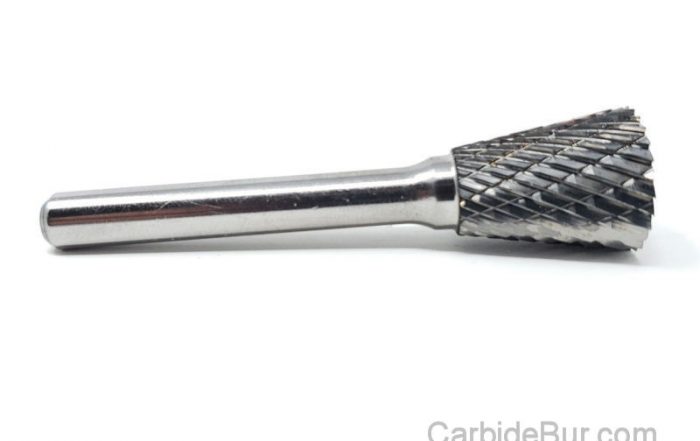
Carbide Burrs for Removing Rust: What Works Best?
Carbide Burrs for Removing Rust: What Works Best? Rust can turn your favorite tools into useless junk faster than you expect. Removing it without ruining the metal underneath takes more than just elbow grease—it demands [...]
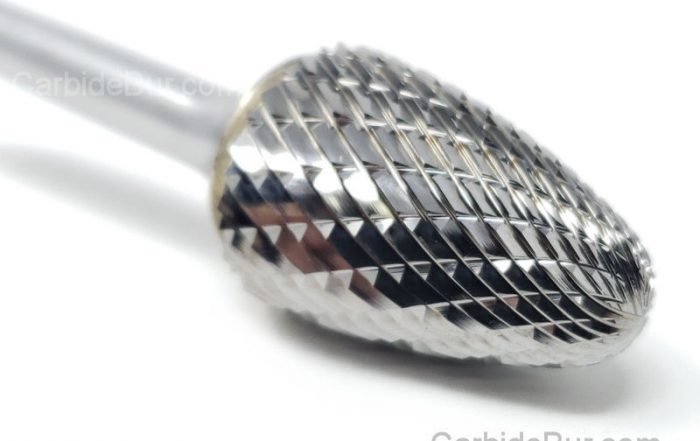
How Much Pressure Should You Use With a Carbide Burr?
How Much Pressure Should You Use With a Carbide Burr? Most people think pressing harder with a carbide burr speeds up the job. That’s not true—too much pressure wears out your tool and ruins the [...]
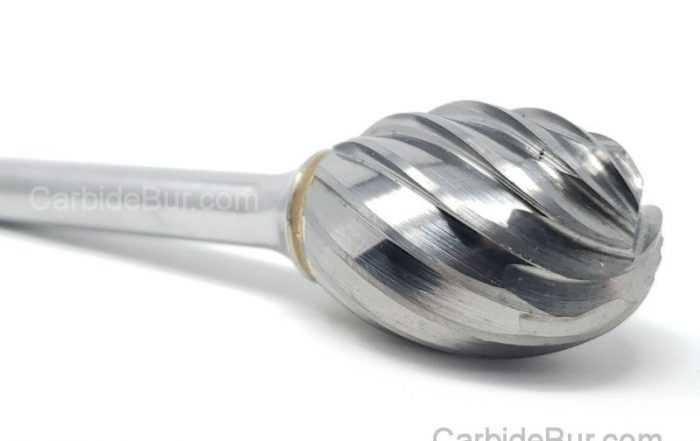
Can You Use Carbide Burrs With an Air Die Grinder?
Can You Use Carbide Burrs With an Air Die Grinder? Most people don’t realize how well carbide burrs work with air die grinders until they try them. If you’ve ever struggled with finding the right [...]
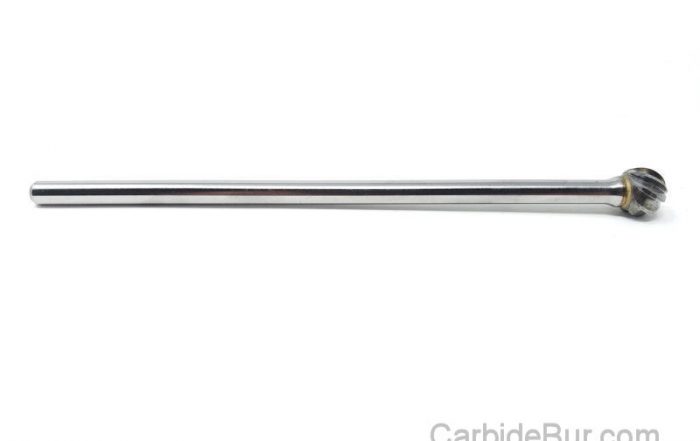
Best Long Reach Carbide Burr for Deep Metal Work
Best Long Reach Carbide Burr for Deep Metal Work Long reach carbide burrs often promise deep metal access, but many fall short where it counts most. You need a tool that cuts cleanly, lasts through [...]
What RPM Should You Use for a 1/8 Inch Carbide Burr?
What RPM Should You Use for a 1/8 Inch Carbide Burr? Most people guess the right carbide burr RPM by feel—and waste hours redoing work. If you want cleaner cuts and longer tool life, your [...]
Carbide Burrs for Tight Spaces: Choosing the Right Shape
Carbide Burrs for Tight Spaces: Choosing the Right Shape Tackling tight spaces with the wrong carbide burrs wastes time and risks damaging your work. Choosing the right burr shape makes all the difference when working [...]
Can Carbide Burrs Remove Paint From Metal?
Can Carbide Burrs Remove Paint From Metal? Stripping paint from metal often feels like a tough chore that risks damaging the surface underneath. Many turn to carbide burrs hoping they can speed things up without [...]
How to Grind a Groove in Metal With a Carbide Burr
How to Grind a Groove in Metal With a Carbide Burr Most metalworkers struggle to cut clean grooves without wasting time or ruining their workpiece. Many try different metalworking tools but end up with uneven [...]
Can Carbide Burrs Cut Through Welds?
Can Carbide Burrs Cut Through Welds? Cutting through welds can feel like a battle, especially when you need clean results without harming the base metal. Carbide burrs offer a sharp edge in this fight, but [...]
How to Use a Carbide Burr With a Die Grinder
How to Use a Carbide Burr With a Die Grinder Most people treat a carbide burr like just another tool, but using it with a die grinder takes skill. If you’ve struggled with burr installation [...]
