
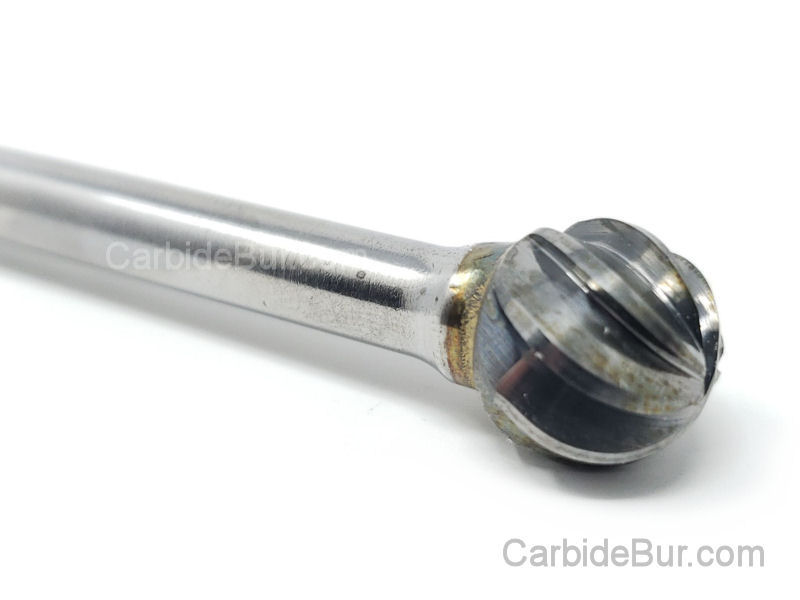
The Benefits of Integrating Carbide Welding in Your Tool Arsenal
In the ever-evolving realm of workshop innovation, integrating carbide welding into your tool arsenal is a game-changer that promises to elevate both efficiency and quality. By leveraging advanced welding techniques, professionals can create carbide bur components that deliver unmatched durability and precision, setting a new standard for craftsmanship enhancement. Whether you’re a seasoned workshop professional, a tool manufacturer, or a DIY enthusiast, the ability to work with durable tools designed for high precision translates directly into increased workshop productivity and reduced costs. In this post, we will delve into how the revolutionary fusion of carbide welding and cutting-edge welding tools can redefine your approach to tackling diverse materials, ultimately transforming your workshop into a powerhouse of efficiency and excellence.
Revolutionizing Workshop Productivity
The integration of advanced welding techniques is a pivotal factor in boosting the productivity of modern workshops. By understanding and utilizing these methodologies, professionals can significantly enhance the quality of their outputs while maximizing efficiency. The following sections will explore how these techniques contribute to the transformation of workshop environments.
Advanced Welding Techniques Explained
Advanced welding techniques are a cornerstone of modern fabrication. These methods, including TIG (Tungsten Inert Gas) and MIG (Metal Inert Gas) welding, enable precise and durable joints.
-
TIG welding uses a non-consumable tungsten electrode to produce the weld, ensuring high-quality finishes.
-
MIG welding involves feeding a wire that acts as an electrode through a welding gun, which is ideal for quick and efficient welding processes.
For a comprehensive understanding of these techniques, you can explore resources such as carbideburr.net, which provides detailed insights into various welding methods.
Whatever your choice, both techniques require skill and precision, underscoring the importance of training and practice in achieving optimum results. This foundational knowledge is essential for leveraging welding to its full potential in any workshop setting.
Benefits of Carbide Welding
Carbide welding introduces numerous benefits, notably in durability and performance. This specialized welding enhances the longevity and reliability of tools, making them exceptionally resistant to wear and tear.
-
The fusion of carbide materials through welding creates robust joints that withstand high stress and temperature variations.
-
Tools produced using carbide welding exhibit superior strength, allowing them to perform efficiently over extended periods.
Workshops utilizing carbide welding can expect reduced maintenance needs and longer tool lifespans. For more insights into carbide welding applications, visit carbideburr.net/carbide-cutting-tools-used-in-welding.
Ultimately, the adoption of carbide welding techniques leads to significant savings in both time and resources, increasing overall workshop efficiency and productivity.
Enhancing Workshop Efficiency
Efficiency in a workshop is crucial for maintaining competitive edge. Implementing advanced welding techniques can streamline operations, reduce operational downtime, and enhance overall workflow.
-
Evaluate current processes: Identify areas where welding can improve efficiency.
-
Train staff: Ensure all personnel are skilled in advanced welding techniques.
-
Invest in quality equipment: Utilize state-of-the-art welding tools for optimal performance.
For more strategies on enhancing efficiency, consider exploring onlinesupply.ca/blog-section/End-Mill-Coatings.
By focusing on these steps, workshops can achieve smoother operations and higher output, contributing to enhanced productivity and profitability.
Elevating Tool Durability and Precision
The durability and precision of tools are critical in achieving high-quality results in any workshop. Integrating carbide welding plays a significant role in this aspect by producing robust and precise tools that meet high standards.
Crafting Durable Tools
Crafting tools with durability in mind is essential for any workshop aiming to minimize costs and maximize efficiency. Carbide welding is a key technique in creating durable tools.
-
The process involves fusing carbide materials, known for their hardness, with other metals to create tools that can withstand intense use.
-
Such tools are less prone to wear and tear, significantly reducing the frequency of replacements.
For detailed methodologies on crafting durable tools, visit carbidebur.com.
Through these methods, workshops can maintain their equipment in peak condition, ensuring consistent output quality and reducing the likelihood of costly downtime.
Precision Tools for Every Application
Precision tools are integral in meeting the exacting demands of modern fabrication. Carbide welding enables the production of tools that deliver high levels of accuracy in various applications.
-
Tools welded with carbide are designed to provide precise cuts and finishes, reducing the margin of error in production processes.
-
The reliability of these tools enhances the overall quality of the end products, making them indispensable in precision-driven industries.
By employing precision tools, workshops can achieve superior results, setting themselves apart in terms of quality and craftsmanship.
Reducing Costs with Carbide Welding
Reducing costs is a priority for any workshop, and carbide welding offers a viable solution. By enhancing tool durability and precision, this technique effectively lowers overall expenditure.
-
Fewer replacements: Durable tools mean reduced need for frequent replacements.
-
Lower maintenance: Tools require less upkeep, saving time and labor costs.
-
Increased efficiency: Precision tools reduce waste and errors, optimizing resource use.
For further information on cost-reduction strategies, check out carbideburr.net.
Implementing carbide welding techniques not only preserves resources but also enhances the overall financial health of the workshop.
Advancing Craftsmanship Standards
Raising the bar for craftsmanship is vital for workshops aiming to compete at the highest levels. By embracing advanced welding techniques and carbide bur components, workshops can consistently produce superior products.
Craftsmanship Enhancement Strategies
To enhance craftsmanship, workshops should adopt a strategic approach that leverages advanced welding techniques.
-
Continuous training: Keep staff updated with the latest welding technologies and methods.
-
Quality control: Implement rigorous testing of tools and products to ensure high standards.
-
Innovation: Encourage the adoption of new techniques and materials to improve product quality.
Adopting these strategies will support workshops in maintaining high craftsmanship standards, ensuring they remain competitive in an ever-evolving market.
The Role of Carbide Bur Components
Carbide bur components are essential in achieving precision and efficiency in various applications. These components, often used in conjunction with welding tools, offer several advantages.
-
They are incredibly hard and wear-resistant, making them ideal for demanding tasks.
-
Their precision allows for clean and accurate cuts, which is crucial in detailed work.
For more insights on the role of carbide bur components, visit carbidebur.com.
By integrating these components, workshops can enhance their capabilities, offering products that are both high-quality and reliable.
Future of Welding Tools in Workshops
The future of welding tools in workshops looks promising, with continuous advancements in technology. As new methods and tools emerge, workshops should stay informed to capitalize on these innovations.
-
Emerging technologies: Stay updated on the latest welding technologies to maintain competitive advantage.
-
Sustainability: Focus on eco-friendly materials and processes to align with evolving industry standards.
-
Adaptability: Be prepared to integrate new tools and techniques as they become available.
For a glimpse into the future of welding tools, explore onlinesupply.ca/blog-section/End-Mill-Coatings.
By embracing these trends, workshops can ensure they are well-equipped to meet the demands of the future, maintaining their relevance and success in the industry.
Find more carbide bur die grinder tool bits here
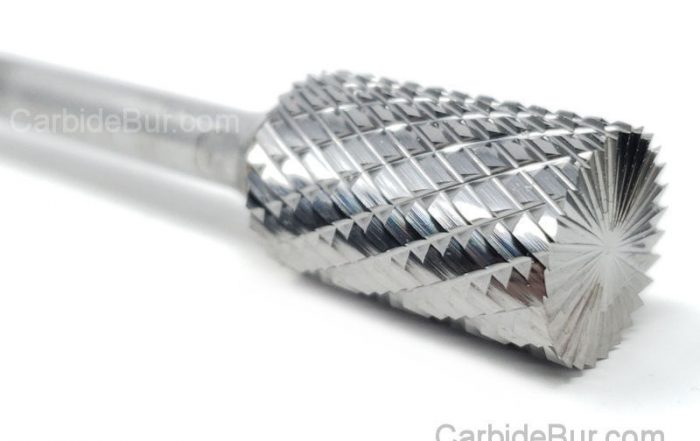
Comparing Electric and Pneumatic Die Grinders with Carbide Burrs
Power and Precision: Comparing Electric and Pneumatic Die Grinders with Carbide Burrs Choosing the right die grinder for your carbide burrs can feel like a maze. Electric die grinders promise power at your fingertips, while [...]
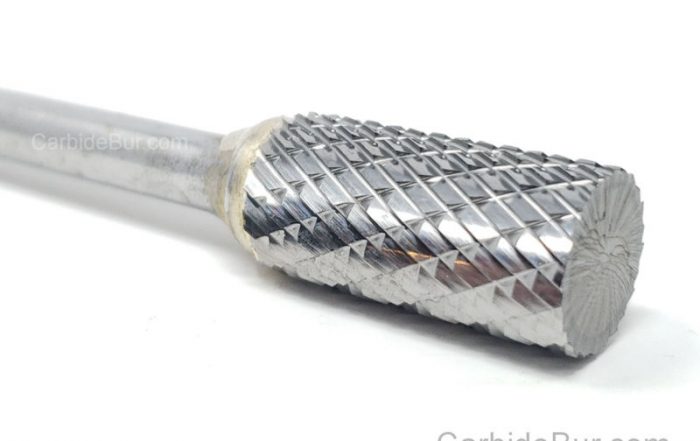
The Top Tools Driving the Future of Aerospace Machining
The Top Tools Driving the Future of Aerospace Machining The demand for aerospace machining has surged, pushing manufacturers to deliver high-precision metal parts faster than ever. Meeting tight standards while cutting lead times in aerospace [...]
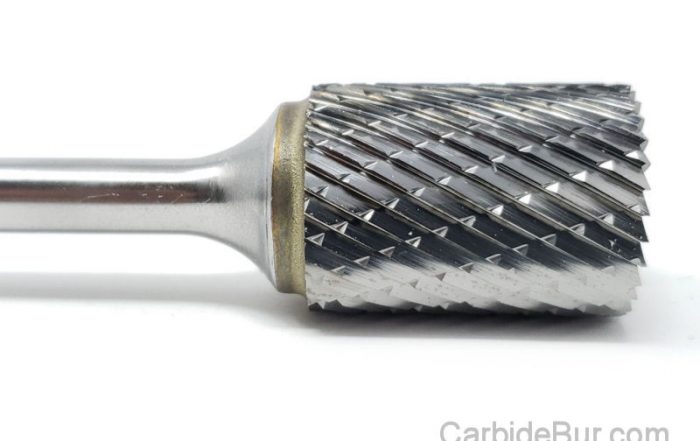
Mastering Carbide Burrs for Enhanced Engine Performance
Beginner's Guide to Engine Porting: Mastering Carbide Burrs for Enhanced Engine Performance Most beginners think engine porting is just about grinding metal. The truth is, mastering carbide burrs can change how air moves through your [...]
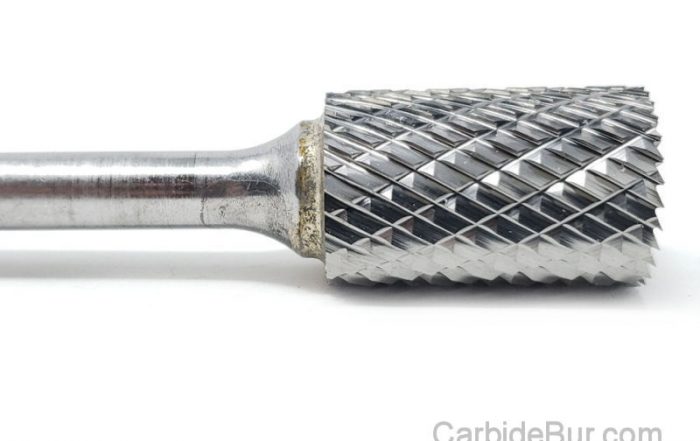
Unveiling the Secrets of Burr Cutting Efficiency: Double-Cut or Single-Cut?
Unveiling the Secrets of Burr Cutting Efficiency: Double-Cut or Single-Cut? Most metalworkers hit a wall choosing between double-cut carbide burrs and single-cut carbide burrs. Picking the wrong one can slow your work or wear your [...]
How Specialized Carbide Burrs Are Revolutionizing Aluminum Fabrication for Cleaner Cuts
How Specialized Carbide Burrs Are Revolutionizing Aluminum Fabrication for Cleaner Cuts Most aluminum fabricators still wrestle with rough edges and extra cleanup after machining. Those extra steps cost you time and eat into your profits. [...]
U.S. Manufacturing Reshoring: The Role of Domestic Tool Suppliers in 2026
U.S. Manufacturing Reshoring: The Role of Domestic Tool Suppliers in 2026 U.S. manufacturing is shifting closer to home faster than many expected. By 2026, reshoring trends are reshaping how supply chains function, with domestic tool [...]
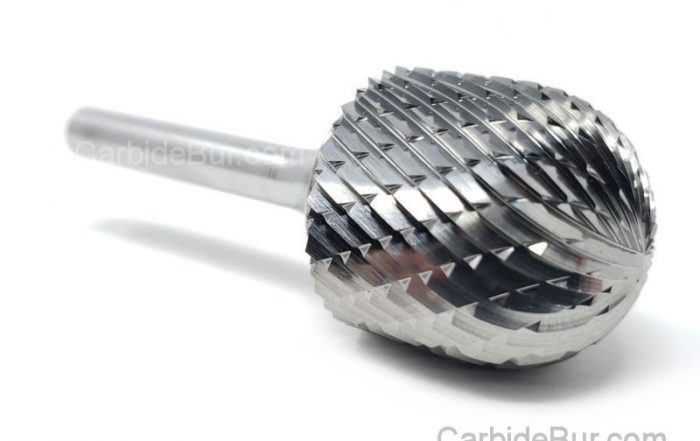
From Casting Flash to Weld Blending: Essential Techniques for 2026
From Casting Flash to Weld Blending: Essential Techniques for 2026 Forget the old ways of finishing parts in automotive production. As electric vehicles and autonomous vehicle production grow, the need for precise deburring processes and [...]
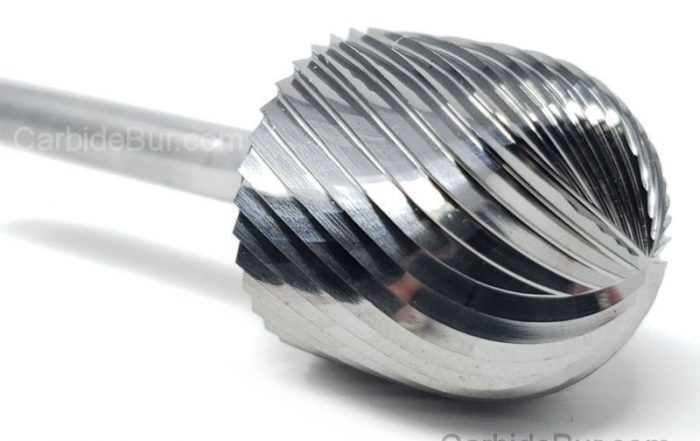
Understanding the Surge in Cutting Tool Costs and Effective Waste Reduction in Machining
Understanding the Surge in Cutting Tool Costs and Effective Waste Reduction in Machining Cutting tool costs have jumped noticeably in recent years, squeezing machine shop budgets tighter than ever. Raw material scarcity and supply chain [...]
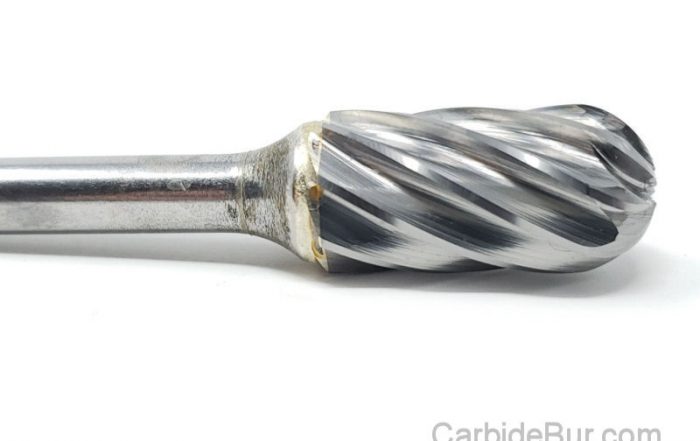
Choosing the Right Carbide Burr Shape for Your Metalworking Projects
Choosing the Right Carbide Burr Shape for Your Metalworking Projects You might think all carbide burr shapes do the same job, but that’s far from true. Choosing the wrong shape can waste time and leave [...]
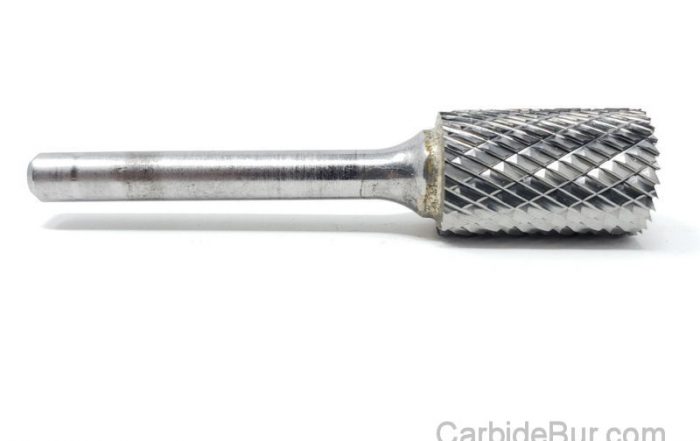
U.S. Cutting Tool Shipments Reach New Heights
U.S. Cutting Tool Shipments Reach New Heights: What It Means for Manufacturing Professionals U.S. cutting tool shipments soared to $278.1 million in July 2026, marking a 29% jump from last year. If you’re in fabrication [...]
How 3D-Printed Carbide is Redefining Precision Toolmaking with Kennametal’s Latest Technology
How 3D-Printed Carbide is Redefining Precision Toolmaking with Kennametal's Latest Technology Custom hole-finishing tools have long faced limits in design and cooling options that hold back their performance. Kennametal’s new 3D-printed carbide grade changes that [...]

The Future of Additive Manufacturing in Aerospace and Automotive Industries
The Future of Additive Manufacturing in Aerospace and Automotive Industries Metal 3D printing is no longer just a concept for prototypes; it’s scaling up fast in aerospace and automotive fields. But raw prints don’t meet [...]
