
Choosing and Using Carbide Burrs for Aluminum Projects
When it comes to working with aluminum, the right tools can make all the difference in achieving a smooth and efficient process. Carbide burrs are indispensable metalworking tools for professionals and hobbyists alike, offering precision and durability when shaping, deburring, and finishing aluminum projects. Understanding how to choose the correct carbide burr for aluminum, as well as mastering its application, is crucial for anyone looking to enhance their aluminum machining skills. In this guide, we will delve into the various types of burr bits for aluminum, discuss their unique advantages, and provide insights into best practices for using these essential carbide tools. Whether you’re embarking on a complex machining task or a simple DIY aluminum project, mastering the use of carbide burrs will elevate your craftsmanship to new heights. Learn more about choosing the right carbide burr for your project here.
Find Carbide Burrs for Aluminum here
Understanding Carbide Burrs
Carbide burrs are essential tools for anyone involved in metalworking or DIY aluminum projects. They come in various types and offer multiple benefits, making them a versatile choice for shaping, deburring, and finishing metal surfaces. This section explores what carbide burrs are, the types best suited for aluminum, and the advantages they offer.
What Are Carbide Burrs?
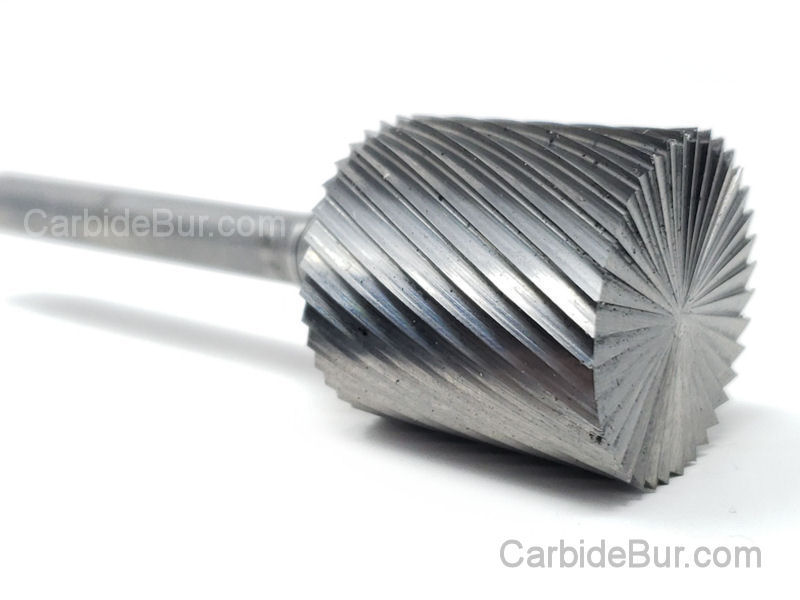
Carbide burrs are rotary tools used for cutting, grinding, and shaping materials such as aluminum. These tools feature a strong and durable tungsten carbide material, allowing them to maintain sharpness much longer than other burrs.
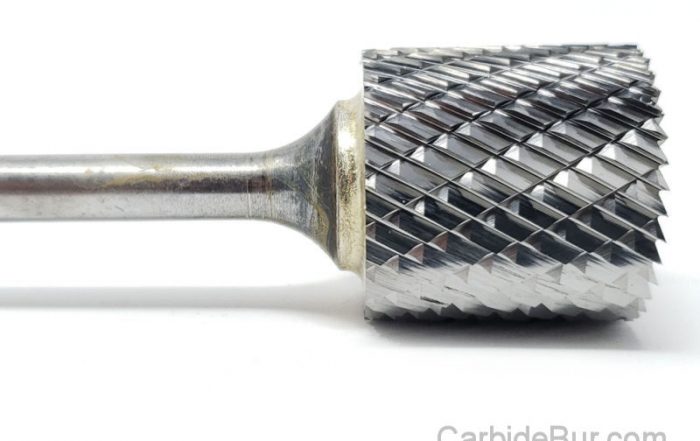
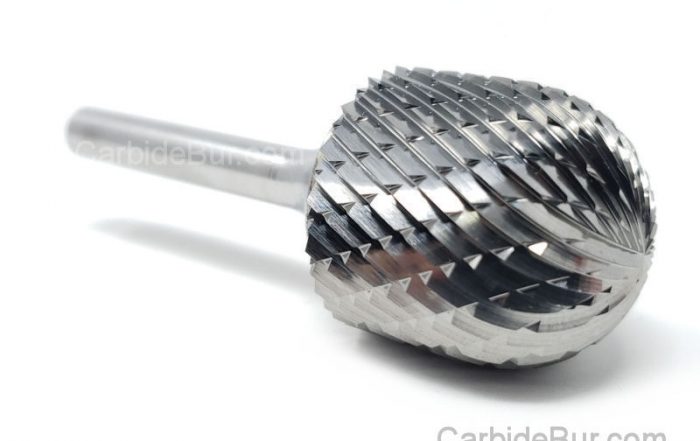
Carbide is renowned for its hardness, making it ideal for high-speed applications. The burrs are available in various shapes, including cylindrical, ball-shaped, and oval, each designed for specific tasks. They are indispensable in industries ranging from automotive to aerospace, where precision and speed are critical.
For a deeper understanding of these tools, this resource offers detailed information.
Types of Burrs for Aluminum
When working with aluminum, selecting the right type of burr is crucial. Single-cut burrs are often recommended due to their effectiveness in removing material quickly. They provide a smooth finish, which is essential for aluminum projects.
Double-cut burrs can also be used for aluminum, offering a finer finish and improved control over the material. However, they may not remove material as quickly as single-cut burrs.
For specific recommendations on the best types of burrs for aluminum, this guide is invaluable.
Benefits of Carbide Tools
Durability is one of the standout benefits of carbide tools. They are resistant to wear and can handle the high temperatures generated during metalworking. This makes them cost-effective in the long term.
Additionally, carbide burrs allow for precision machining, a necessity in tasks that require fine detail. Their ability to maintain sharpness means fewer tool changes and more consistent results.
For more insights into the benefits of carbide tools, explore further.
Selecting the Right Burr
Selecting the appropriate burr for your aluminum project is vital for achieving the best results. Factors such as burr shape, cut type, and material compatibility play significant roles in this decision. This section provides guidance on important selection criteria and identifies top aluminum machining tools.
Factors to Consider
When choosing a carbide burr, consider the shape and size best suited for your task. A smaller burr might be ideal for detailed work, while larger burrs can handle more material removal.
The material of the burr is also crucial. Tungsten carbide is the preferred choice for its hardness and heat resistance, making it perfect for aluminum.
Refer to this comprehensive guide for a detailed analysis of selection factors.
Best Burr Bit for Aluminum
The best burr bit for aluminum projects is often a single-cut carbide burr. These burrs provide efficient material removal and leave a smooth finish, ideal for aluminum’s soft nature.
Another excellent option is the aluminum cut burr, designed specifically for preventing clogging, a common issue when working with aluminum.
For specific product recommendations, this resource provides useful insights.
Top Aluminum Machining Tools
Several aluminum machining tools complement carbide burrs, enhancing the overall efficiency of your projects. These include band saws, drill presses, and belt sanders.
Each tool offers unique advantages. Band saws, for instance, are excellent for cutting aluminum sheets, while drill presses provide precision drilling.
For a comprehensive list of top tools, consider this article.
Proper Usage Techniques
To achieve the best results with carbide burrs, understanding proper usage techniques is essential. This involves preparing your work environment, employing efficient cutting methods, and adhering to safety protocols. Here, we outline the vital steps for successful aluminum projects.
Find Carbide Burrs for Aluminum here
Preparing for Aluminum Projects
Preparation is key. Begin by ensuring your work area is clean and free of debris to prevent contamination.
Next, secure the aluminum piece firmly to avoid movement during cutting. This guarantees precision and reduces the risk of accidents.
Lastly, ensure you have the appropriate personal protective equipment (PPE), including safety goggles and gloves, to protect against metal shards.
Techniques for Efficient Aluminum Cutting
-
Select the Right Burr: Choose a burr that matches the task, whether it’s rough cutting or detailed shaping.
-
Use Steady Pressure: Apply consistent pressure without forcing the tool. Let the burr do the work to prevent overheating.
-
Maintain Correct Speed: Operate at recommended RPMs to optimize cutting efficiency and avoid tool damage.
These steps ensure a smooth process and high-quality finish.
Safety Tips for Using Carbide Burrs
Safety is paramount when using carbide burrs. Always wear appropriate PPE to protect against metal shards and dust.
Keep the work area well-ventilated to minimize exposure to airborne particles. Additionally, ensure all tools are in good condition to prevent malfunctions.
Adhering to these safety measures will help prevent accidents and prolong tool life.
Maintenance and Care
Proper maintenance and care of carbide burrs are essential for extending their lifespan and ensuring optimal performance. This section covers cleaning procedures, tips for prolonging burr life, and solutions to common issues.
Cleaning Your Carbide Burr
Regular cleaning prevents material build-up and maintains burr efficiency. Use a wire brush to remove debris after each use.
For stubborn material, a soak in a mild solvent can help loosen it. Be sure to dry thoroughly to prevent rust.
Consistent cleaning helps maintain cutting performance and reduces wear.
How to Extend Burr Life
To extend the life of your carbide burrs, avoid excessive pressure during use, which can cause premature wear.
Store burrs in a dry place and use protective caps to prevent damage when not in use. Regular inspection for wear and tear also aids in early detection of issues.
These practices ensure your tools remain in peak condition.
Troubleshooting Common Issues
Common issues with carbide burrs include clogging and uneven wear. Clogging can be addressed by selecting the correct burr type for aluminum to prevent material build-up.
Uneven wear may be due to incorrect pressure or speed. Adjusting these factors can resolve the problem.
For persistent issues, consult a professional for advice.
Advanced Tips for DIY Projects
Advanced DIY enthusiasts can maximize their projects by employing specialized techniques and customizations. This section offers strategies for enhancing projects, customizing burrs, and exploring various metalworking tool options.
Enhancing DIY Aluminum Projects
To enhance your DIY aluminum projects, use a combination of finishing techniques such as sanding and polishing.
Experiment with different burrs to achieve unique textures and finishes. This approach adds a professional touch to your DIY endeavors.
For further inspiration, consult this detailed guide.
Customizing Burrs for Specific Needs
Customizing burrs can address unique project needs. Consider altering the burr shape or size to suit specific tasks.
Customization can be achieved through specialized manufacturers or by using adjustable burr holders.
This flexibility allows for tailored solutions to unique challenges.
Exploring Metalworking Tools Options
Exploring a variety of metalworking tools broadens your capabilities. From CNC machines to manual tools, each offers unique advantages.
Researching and incorporating diverse tools can elevate your projects, providing new opportunities for creativity and efficiency.
For a comprehensive overview of available tools, this resource provides valuable insights.
Carbide Burr Safety: 15 Mistakes That Can Cause Injury or Damage
Carbide Burr Safety: 15 Mistakes That Can Cause Injury or Damage Carbide burr safety is often overlooked until a costly mistake happens. Many metalworkers and DIYers make the same errors that lead to injuries or [...]
Can You Use a Carbide Burr in a Drill?
Can You Use a Carbide Burr in a Drill? Most people think a standard drill can’t handle a carbide burr, but that’s not true. Using carbide burr in the right drill can speed up your [...]
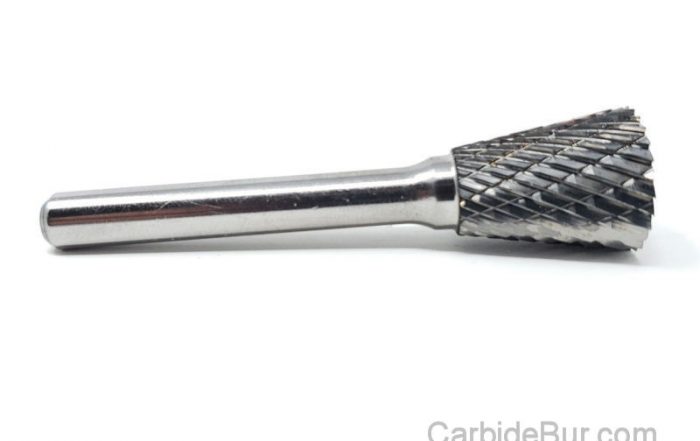
Carbide Burrs for Removing Rust: What Works Best?
Carbide Burrs for Removing Rust: What Works Best? Rust can turn your favorite tools into useless junk faster than you expect. Removing it without ruining the metal underneath takes more than just elbow grease—it demands [...]
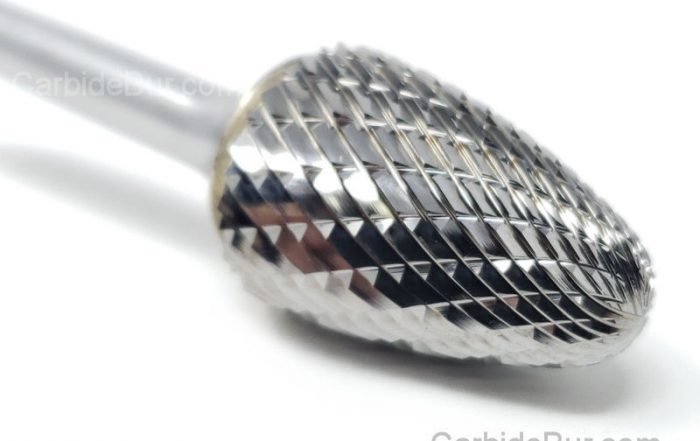
How Much Pressure Should You Use With a Carbide Burr?
How Much Pressure Should You Use With a Carbide Burr? Most people think pressing harder with a carbide burr speeds up the job. That’s not true—too much pressure wears out your tool and ruins the [...]
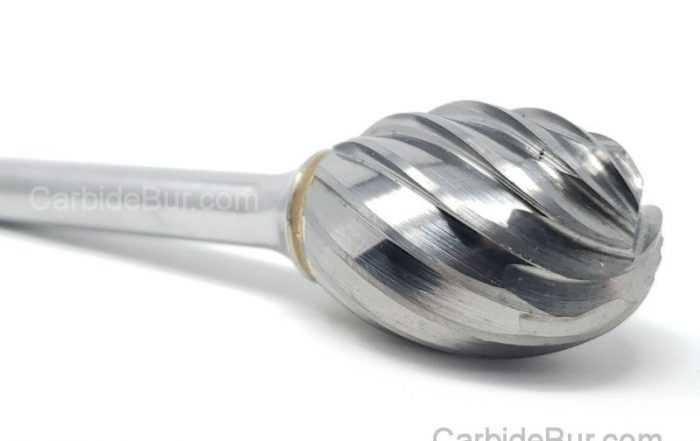
Can You Use Carbide Burrs With an Air Die Grinder?
Can You Use Carbide Burrs With an Air Die Grinder? Most people don’t realize how well carbide burrs work with air die grinders until they try them. If you’ve ever struggled with finding the right [...]
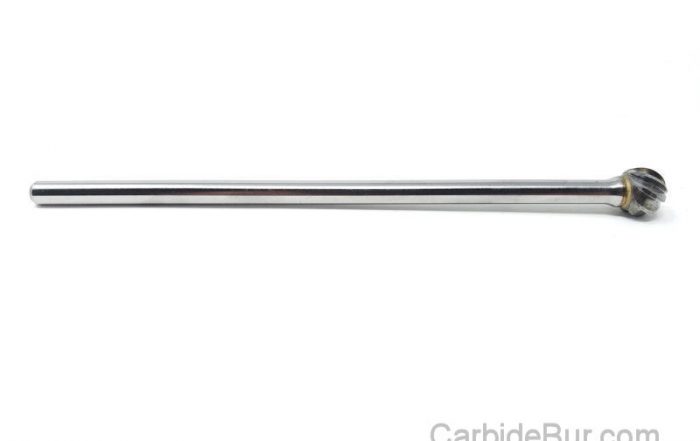
Best Long Reach Carbide Burr for Deep Metal Work
Best Long Reach Carbide Burr for Deep Metal Work Long reach carbide burrs often promise deep metal access, but many fall short where it counts most. You need a tool that cuts cleanly, lasts through [...]
What RPM Should You Use for a 1/8 Inch Carbide Burr?
What RPM Should You Use for a 1/8 Inch Carbide Burr? Most people guess the right carbide burr RPM by feel—and waste hours redoing work. If you want cleaner cuts and longer tool life, your [...]
Carbide Burrs for Tight Spaces: Choosing the Right Shape
Carbide Burrs for Tight Spaces: Choosing the Right Shape Tackling tight spaces with the wrong carbide burrs wastes time and risks damaging your work. Choosing the right burr shape makes all the difference when working [...]
Can Carbide Burrs Remove Paint From Metal?
Can Carbide Burrs Remove Paint From Metal? Stripping paint from metal often feels like a tough chore that risks damaging the surface underneath. Many turn to carbide burrs hoping they can speed things up without [...]
How to Grind a Groove in Metal With a Carbide Burr
How to Grind a Groove in Metal With a Carbide Burr Most metalworkers struggle to cut clean grooves without wasting time or ruining their workpiece. Many try different metalworking tools but end up with uneven [...]
Can Carbide Burrs Cut Through Welds?
Can Carbide Burrs Cut Through Welds? Cutting through welds can feel like a battle, especially when you need clean results without harming the base metal. Carbide burrs offer a sharp edge in this fight, but [...]
How to Use a Carbide Burr With a Die Grinder
How to Use a Carbide Burr With a Die Grinder Most people treat a carbide burr like just another tool, but using it with a die grinder takes skill. If you’ve struggled with burr installation [...]
