
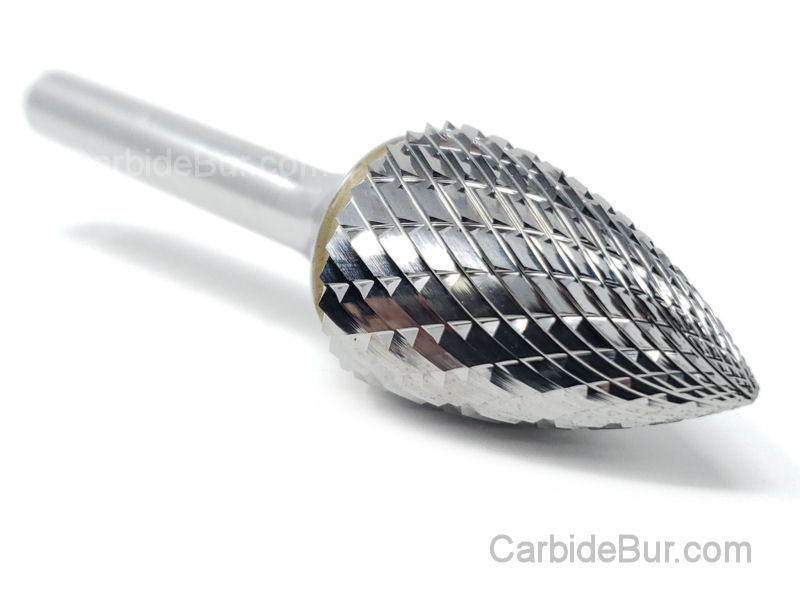
Unveiling the Power of Tungsten Carbide Burrs
In the world of precision crafting, the right tools can make all the difference, and tungsten carbide burrs have become indispensable in both metalworking and woodworking industries. These versatile burr bit applications allow for intricate detailing and efficient shaping, making them a favorite among professionals and hobbyists alike. Known for their durability and precision, tungsten carbide burrs are engineered to handle a variety of tasks, from smoothing rough edges to carving intricate designs. As we delve into the myriad uses and advantages of these robust metalworking tools and woodworking tools, you’ll discover why they are a staple in the toolkit of craftsmen everywhere. Join us as we explore the transformative potential of carbide die grinder bits and reveal how these tools can elevate your projects to new heights.
Find more tungsten carbide burrs here
Understanding Tungsten Carbide Burrs
In this section, we’ll delve into the specifics of tungsten carbide burrs, exploring what they are, their key characteristics, and the advantages they hold over other materials. Understanding these elements will provide you with a solid foundation for utilizing these tools effectively in your projects.
What Are Tungsten Carbide Burrs?
Tungsten carbide burrs are rotary cutting tools used extensively in various industries for shaping, smoothing, and carving. These burrs are crafted from tungsten carbide, a material known for its durability and hardness, making them suitable for cutting through tough materials like metal and wood.
Tungsten carbide is a compound of tungsten and carbon, resulting in a tool that can withstand high temperatures and maintain a sharp edge longer than steel burrs. This makes them ideal for high-speed applications, where precision and efficiency are paramount.
These burrs come in a wide range of shapes and sizes, each designed for specific tasks, from creating intricate designs to removing excess material. Their versatility makes them a staple in metalworking and woodworking, as they can be used with various types of rotary tools. For more information, check out this guide on tungsten carbide burrs.
Key Characteristics of Carbide Burrs
Tungsten carbide burrs possess several key characteristics that make them indispensable in crafting and manufacturing. The primary feature is their exceptional durability, which allows them to maintain their sharpness over prolonged use. This is crucial for professionals who require dependable tools for detailed work.
Additionally, these burrs have excellent heat resistance, enabling them to perform effectively under high-speed conditions without losing effectiveness. This heat resistance reduces the risk of tool failure during intense applications.
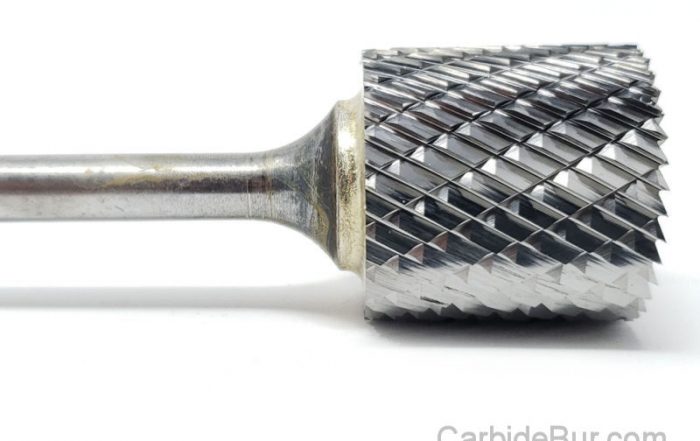
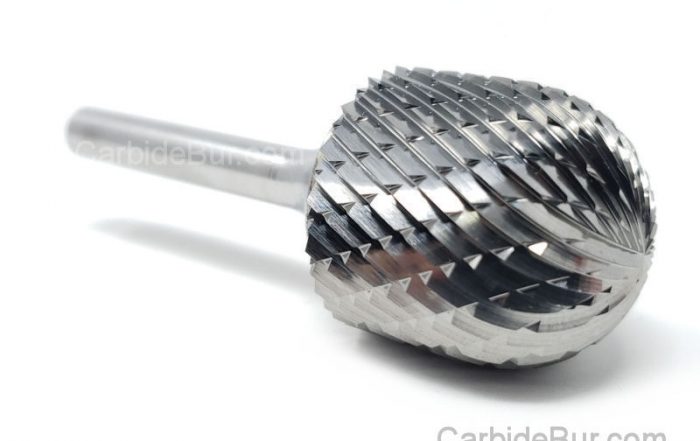
Another characteristic is their versatility. With various shapes like ball, cone, and cylinder, they cater to a wide range of applications, providing flexibility in different industries. Whether you need to engrave metal or shape wood, there’s likely a burr that fits the task. For more details, explore this comprehensive overview.
Advantages Over Other Materials
When compared to burrs made from other materials, tungsten carbide burrs offer several advantages. Firstly, their longevity is unmatched, as they remain sharp and effective longer than high-speed steel burrs, resulting in fewer replacements and lower costs over time.
|
Feature |
Tungsten Carbide Burrs |
Steel Burrs |
|---|---|---|
|
Durability |
High |
Moderate |
|
Heat Resistance |
Excellent |
Limited |
|
Cost Efficiency |
Long-term savings |
Frequent replacement |
Moreover, their superior performance in high-speed applications makes them the preferred choice for professionals who need precise cuts and smooth finishes. The combination of durability and performance ensures that tungsten carbide burrs deliver value and efficiency in a range of settings. For further insights, visit this useful resource.
Exploring Burr Bit Applications
Burr bit applications are as diverse as the industries they serve. In this section, we’ll explore how these tools are utilized in metalworking, woodworking, and other specialty industries, highlighting their flexibility and effectiveness.
Applications in Metalworking
In metalworking, tungsten carbide burrs are invaluable for tasks such as deburring, shaping, and surface preparation. Their ability to cut through hard metals like stainless steel and cast iron makes them essential in manufacturing and construction.
-
Deburring: These burrs effectively remove sharp edges and imperfections from metal pieces, ensuring a smooth finish.
-
Shaping: They are used to create precise shapes and contours in metal components, facilitating the fabrication of complex parts.
-
Surface Preparation: Before welding or coating, carbide burrs prepare metal surfaces, ensuring optimal adhesion and finish.
Their high-performance capabilities make them a staple in metal workshops. For more application details, check out this resource.
Uses in Woodworking Projects
In woodworking, tungsten carbide burrs are used for carving, shaping, and detailing wood. Their precision allows for intricate designs and smooth finishes, making them a favorite among artisans and hobbyists.
-
Carving: Burrs enable detailed carving work on wood, allowing craftsmen to create intricate patterns and textures.
-
Shaping: They help in shaping wooden components, achieving specific contours and forms.
-
Detailing: For fine detailing, these burrs provide the control and precision necessary to produce high-quality finishes.
Their adaptability to various wood types further enhances their utility in woodworking. For more on woodworking applications, visit this guide.
Specialty Applications in Various Industries
Beyond metalworking and woodworking, tungsten carbide burrs find use in various other industries, including automotive, aerospace, and dental.
In the automotive industry, these burrs aid in engine repairs and customization projects, providing the precision needed for detailed metalwork.
In the aerospace sector, they assist in the fabrication and maintenance of aircraft components, where material integrity and precision are critical.
In the dental field, they are used for shaping and smoothing dental appliances, showcasing their versatility across diverse applications.
These examples underscore the widespread utility and adaptability of tungsten carbide burrs in specialized fields. Additional insights can be found in this comprehensive article.
Find more tungsten carbide burrs here
Choosing the Right Metalworking Tools
Selecting the right metalworking tools involves understanding the nuances of burr shapes, sizes, and coarseness. This section will guide you through these considerations, offering tips for optimal tool performance and enhancing your project’s success.
Selecting the Correct Burr Shape
Choosing the right burr shape is crucial for achieving desired outcomes in your metalworking projects. Each shape serves a specific function, enabling precise control over the task at hand.
-
Ball-shaped burrs are ideal for creating concave cuts and contours.
-
Cone-shaped burrs are perfect for reaching tight spaces and angles.
-
Cylinder-shaped burrs excel in flattening and leveling surfaces.
Understanding these shapes and their applications allows you to tailor your tool selection to specific project requirements, enhancing both efficiency and results. For more guidance, review this resource.
Understanding Burr Size and Coarseness
The size and coarseness of burrs play a significant role in their performance. Larger burrs remove material quickly, while smaller ones offer precision and control.
-
Fine coarseness is suited for detailed work and smooth finishes.
-
Coarse burrs are effective for rapid material removal and rough shaping.
Selecting the appropriate size and coarseness depends on the material and the intricacy of your project. Balancing these elements ensures efficient and effective results. For further information, explore this guide.
Tips for Optimal Tool Performance
To maximize the performance of your metalworking tools, consider the following tips:
-
Use the correct speed: Operating at the recommended speed ensures optimal cutting action and prolongs tool life.
-
Maintain a steady hand: Consistent pressure and movement prevent tool damage and ensure a superior finish.
-
Regularly inspect tools: Check for wear and tear to maintain performance and safety.
Implementing these practices will enhance the functionality and longevity of your tools, leading to better project outcomes. For more tips, refer to this page.
Integrating Woodworking Tools
Integrating tungsten carbide burrs into your woodworking setup involves understanding their precision capabilities, maintenance, and safety practices. This section delves into these aspects to help optimize your woodworking projects.
Enhancing Precision with Carbide Burrs
Tungsten carbide burrs enhance precision in woodworking by allowing for intricate detailing and smooth finishes. Their sharpness and control make them ideal for projects requiring accuracy and finesse.
Using these burrs, craftsmen can achieve:
-
Intricate patterns: Detailed carvings and textures are easily attainable.
-
Smooth edges: Ensures a professional finish on wooden surfaces.
-
Consistent results: Uniformity across projects is maintained.
The precision offered by carbide burrs elevates the quality of woodworking projects, leading to impressive outcomes. For more on enhancing precision, see this resource.
Maintaining Burr Bits for Longevity
Proper maintenance of burr bits is essential for extending their lifespan and maintaining performance. Regular cleaning and storage play a crucial role in this process.
-
Clean after each use: Remove debris and residue to prevent buildup.
-
Store in a dry environment: Protects against moisture and rust.
-
Inspect for wear: Replace worn burrs to ensure consistent performance.
These practices ensure that your burr bits remain effective over time, reducing the need for frequent replacements. For more maintenance tips, visit this site.
Safety Practices and Precautions
When using tungsten carbide burrs, safety is paramount. Adhering to best practices minimizes the risk of accidents and ensures a safe working environment.
-
Wear protective gear: Safety glasses and gloves protect against flying debris.
-
Secure workpieces: Prevents movement during cutting, reducing the risk of injury.
-
Follow manufacturer guidelines: Ensures safe and effective tool use.
By implementing these safety measures, you can work confidently and efficiently, minimizing risks associated with woodworking tools. For more safety advice, consult this guide.
Maintaining Your Carbide Die Grinder Bits
Proper maintenance of carbide die grinder bits is crucial for their longevity and performance. This section offers practical tips on cleaning, sharpening, and troubleshooting common issues to keep your tools in top shape.
Cleaning and Storage Tips
Keeping your carbide die grinder bits clean is essential for preserving their functionality. Regular cleaning prevents residue buildup, which can dull the cutting edges.
-
Use a brush: Gently remove debris with a soft-bristled brush after each use.
-
Avoid moisture: Store bits in a dry area to prevent rust and corrosion.
-
Organize properly: Use a dedicated storage case to avoid damage and ensure easy access.
By following these cleaning and storage tips, you can significantly extend the lifespan of your grinder bits. For more insights, explore this resource.
Sharpening Techniques for Carbide Burrs
Over time, carbide burrs may lose their sharpness, affecting performance. Proper sharpening techniques can restore their cutting edge and prolong their usability.
-
Use a diamond file: Suitable for sharpening carbide due to its hardness.
-
Follow the original angle: Maintain the burr’s geometry for effective cutting.
-
Check for evenness: Ensure uniform sharpening to avoid imbalance during use.
These techniques help maintain the efficiency and effectiveness of carbide burrs, allowing for continued precision in your work. For additional guidance, refer to this page.
Troubleshooting Common Issues
Occasionally, issues may arise with carbide die grinder bits, impacting their performance. Understanding common problems and their solutions can help maintain tool efficiency.
-
Excessive vibration: Check for imbalance or worn bearings in the rotary tool.
-
Poor cutting performance: Ensure the burr is sharp and replace if necessary.
-
Overheating: Reduce speed and apply lighter pressure during use.
By addressing these issues promptly, you can maintain the performance and longevity of your tools. For troubleshooting tips, visit this guide.
Carbide Burr Safety: 15 Mistakes That Can Cause Injury or Damage
Carbide Burr Safety: 15 Mistakes That Can Cause Injury or Damage Carbide burr safety is often overlooked until a costly mistake happens. Many metalworkers and DIYers make the same errors that lead to injuries or [...]
Can You Use a Carbide Burr in a Drill?
Can You Use a Carbide Burr in a Drill? Most people think a standard drill can’t handle a carbide burr, but that’s not true. Using carbide burr in the right drill can speed up your [...]
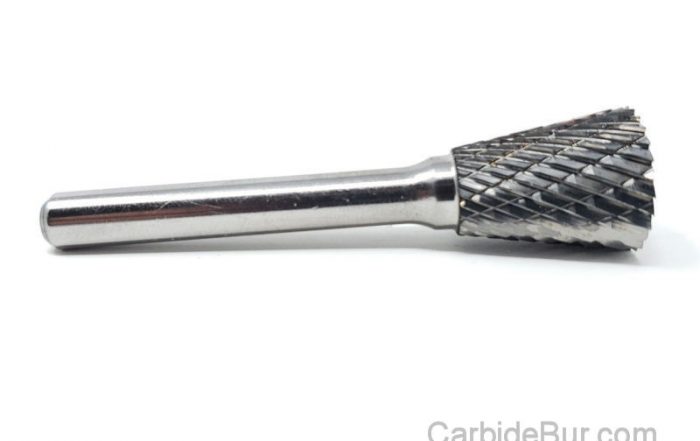
Carbide Burrs for Removing Rust: What Works Best?
Carbide Burrs for Removing Rust: What Works Best? Rust can turn your favorite tools into useless junk faster than you expect. Removing it without ruining the metal underneath takes more than just elbow grease—it demands [...]
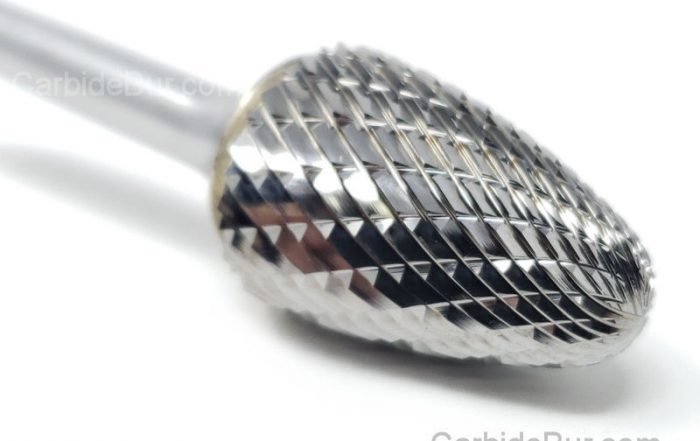
How Much Pressure Should You Use With a Carbide Burr?
How Much Pressure Should You Use With a Carbide Burr? Most people think pressing harder with a carbide burr speeds up the job. That’s not true—too much pressure wears out your tool and ruins the [...]
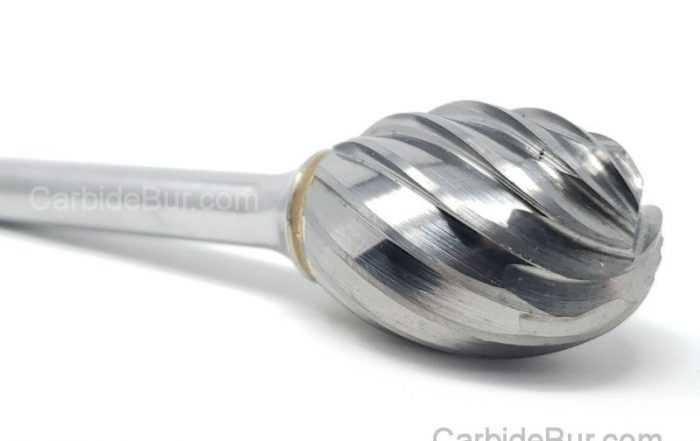
Can You Use Carbide Burrs With an Air Die Grinder?
Can You Use Carbide Burrs With an Air Die Grinder? Most people don’t realize how well carbide burrs work with air die grinders until they try them. If you’ve ever struggled with finding the right [...]
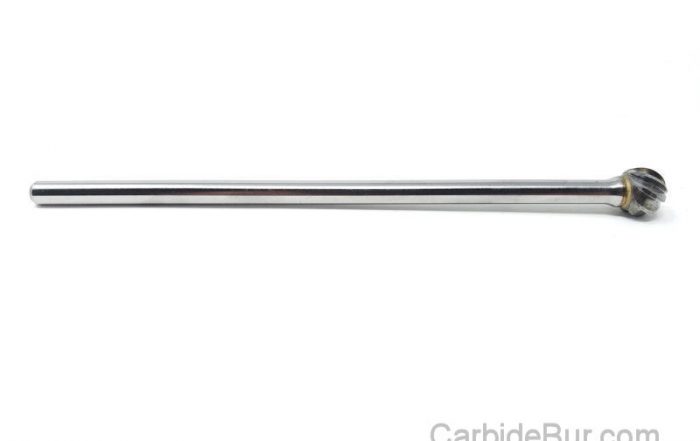
Best Long Reach Carbide Burr for Deep Metal Work
Best Long Reach Carbide Burr for Deep Metal Work Long reach carbide burrs often promise deep metal access, but many fall short where it counts most. You need a tool that cuts cleanly, lasts through [...]
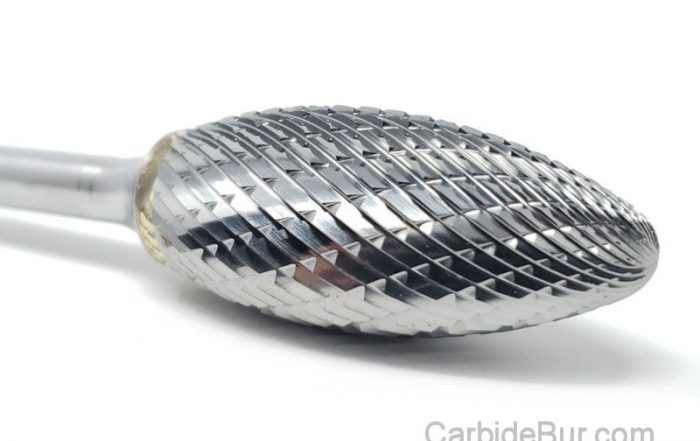
What RPM Should You Use for a 1/8 Inch Carbide Burr?
What RPM Should You Use for a 1/8 Inch Carbide Burr? Most people guess the right carbide burr RPM by feel—and waste hours redoing work. If you want cleaner cuts and longer tool life, your [...]
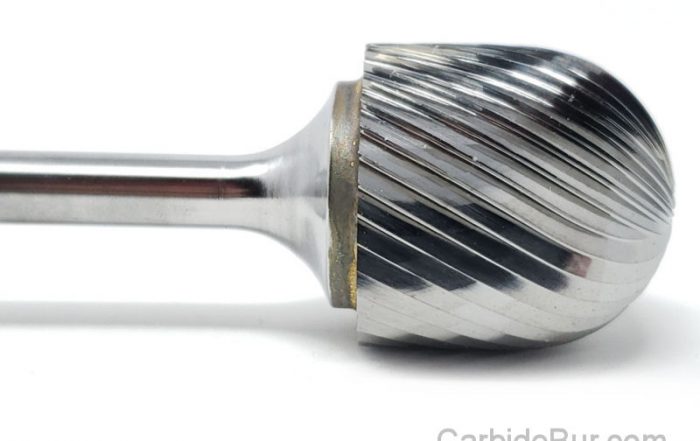
Carbide Burrs for Tight Spaces: Choosing the Right Shape
Carbide Burrs for Tight Spaces: Choosing the Right Shape Tackling tight spaces with the wrong carbide burrs wastes time and risks damaging your work. Choosing the right burr shape makes all the difference when working [...]
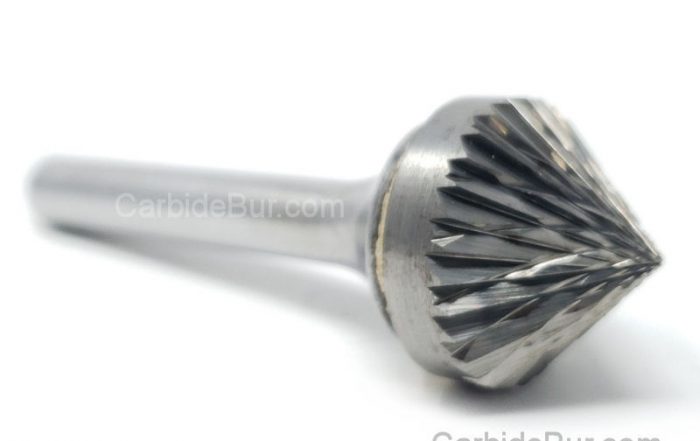
Can Carbide Burrs Remove Paint From Metal?
Can Carbide Burrs Remove Paint From Metal? Stripping paint from metal often feels like a tough chore that risks damaging the surface underneath. Many turn to carbide burrs hoping they can speed things up without [...]
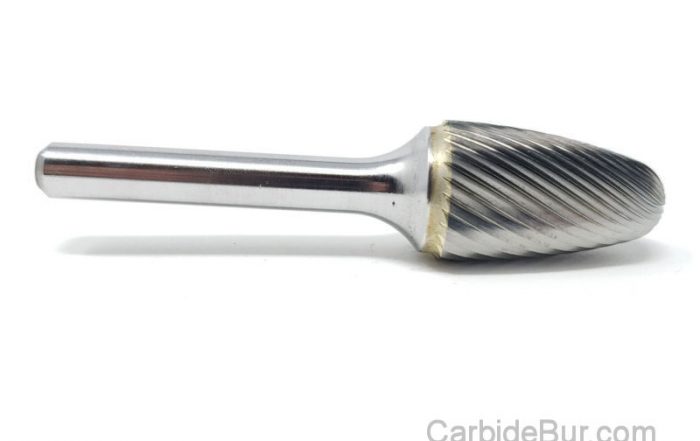
How to Grind a Groove in Metal With a Carbide Burr
How to Grind a Groove in Metal With a Carbide Burr Most metalworkers struggle to cut clean grooves without wasting time or ruining their workpiece. Many try different metalworking tools but end up with uneven [...]
Can Carbide Burrs Cut Through Welds?
Can Carbide Burrs Cut Through Welds? Cutting through welds can feel like a battle, especially when you need clean results without harming the base metal. Carbide burrs offer a sharp edge in this fight, but [...]
How to Use a Carbide Burr With a Die Grinder
How to Use a Carbide Burr With a Die Grinder Most people treat a carbide burr like just another tool, but using it with a die grinder takes skill. If you’ve struggled with burr installation [...]
