
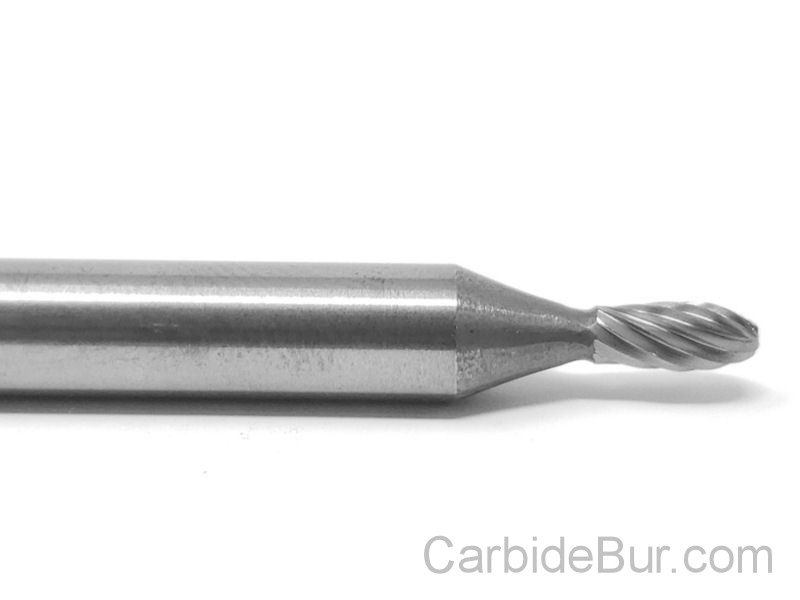
Choosing the Right Tool: A Comprehensive Overview of Carbide Burs and Their Applications in Dentistry
In the dynamic world of dentistry, precision and efficiency hinge on the tools of the trade, with carbide burs standing at the forefront of innovation. These indispensable dental tools, crafted from robust carbide, are revolutionizing procedures from shaping to cutting and beyond. As dental professionals seek to enhance patient care and streamline their techniques, understanding the nuances of carbide burs, and their various applications becomes essential. This comprehensive overview will delve into the types of carbide burs available, highlighting their unique benefits and comparing them to other materials. Join us as we explore the pivotal role these tools play in modern dental practices, providing insights into their manufacture, application, and impact on the field. For further reading, check out this comparison guide.
Understanding Carbide in Dental Tools
Carbide plays an essential role in the manufacturing of dental tools, offering superior durability and precision. This section will explore what carbide is, its importance in dental applications, and how it compares to other materials used in dentistry.
What is Carbide?
Carbide is a compound of carbon and a less electronegative element, often tungsten. Known for its exceptional hardness and resistance to wear, carbide is a preferred material for dental tools.
In dentistry, carbide is primarily utilized in the form of tungsten carbide, which is known for its ability to maintain a sharp edge longer than other materials.
-
Offers high resistance to wear and tear.
-
Maintains cutting efficiency over extended use.
-
Requires less frequent replacement, making it cost-effective.
To learn more about selecting the right carbide tools, visit this guide.
Importance in Dental Applications
Carbide is integral to dental applications due to its ability to deliver precise and efficient procedures. Its hardness allows dental professionals to perform intricate work without compromising on quality.
Carbide burs are used in procedures ranging from cavity preparation to the shaping of crowns. They provide:
-
Precision in cutting and shaping.
-
Efficiency in material removal.
-
Durability in high-speed applications.
In comparison to other materials, carbide maintains its sharpness and effectiveness, making it indispensable in modern dentistry. More insights can be found in this resource.
Comparing Carbide with Other Materials
When comparing carbide to other materials like steel and diamond, each has unique properties that suit specific dental applications.
|
Material |
Hardness |
Durability |
Cost |
|---|---|---|---|
|
Carbide |
High |
High |
Medium |
|
Steel |
Medium |
Medium |
Low |
|
Diamond |
Very High |
Very High |
High |
-
Carbide vs. Steel: Offers greater hardness and durability.
-
Carbide vs. Diamond: While diamonds offer superior hardness, carbide provides a cost-effective alternative with excellent performance.
For a detailed comparison, check out this article.
Exploring Dental Burs
Dental burs are versatile tools used in various procedures. This section will discuss the different types of burs, their specific applications, and how to choose the right one for your needs.
Types of Burs and Their Uses
Dental burs come in various shapes and sizes, each designed for specific tasks. Common types include:
-
Round Burs: Ideal for opening cavities and removing decay.
-
Inverted Cone Burs: Used for creating undercuts.
-
Fissure Burs: Designed for cutting through tough materials.
Each type of bur has specific applications, ensuring efficiency and precision in dental procedures. When selecting a bur, consider the procedure’s requirements and the material to be worked on. For further guidance, refer to this detailed guide.
Specific Applications in Dentistry
Dental burs are used in a wide range of dental procedures, including:
-
Cavity Preparation: Removing decayed material and shaping the cavity.
-
Crown Preparation: Shaping teeth for crown fitting.
-
Orthodontic Procedures: Trimming and contouring brackets.
These applications require burs that are not only effective but also durable and precise. The choice of bur directly impacts the quality and outcome of the dental procedure.
Choosing the Right Bur for the Job
Selecting the appropriate bur is crucial for achieving optimal results. Consider the following:
-
Material Compatibility: Ensure the bur is suitable for the material you are working on.
-
Procedure Requirements: Match the bur type to the specific needs of the procedure.
-
Durability and Longevity: Opt for burs that offer extended use without compromising performance.
For a comprehensive guide on selecting the right bur, visit this page.
Clarifying Burr vs. Bur
Understanding the distinction between “burr” and “bur” is important for dental professionals. This section clarifies the definitions, applications, and common misconceptions associated with these terms.
Definitions and Differences
Bur and burr are terms often used interchangeably, but they have distinct meanings:
-
Bur: A rotating cutting tool used in dentistry, typically made from carbide.
-
Burr: Generally refers to rough edges or small pieces of material that remain after a cutting process.
Understanding these differences is crucial for selecting the right tools and techniques in dental procedures.
Applications of Each in Dentistry
In dental practice:
-
Burs: Essential for precise cutting, shaping, and polishing.
-
Burrs: Often refer to unwanted material that needs removal after cutting.
Dental professionals must ensure clean, smooth finishes by effectively utilizing burs while controlling burr formation.
Common Misconceptions and Clarifications
Several misconceptions surround the terms “bur” and “burr”:
-
Interchangeability: They are not the same; each has distinct roles.
-
Usage: Both terms serve specific purposes and applications.
By understanding these nuances, dental professionals can better communicate and apply their knowledge in practice. For more insights, see this informative article.
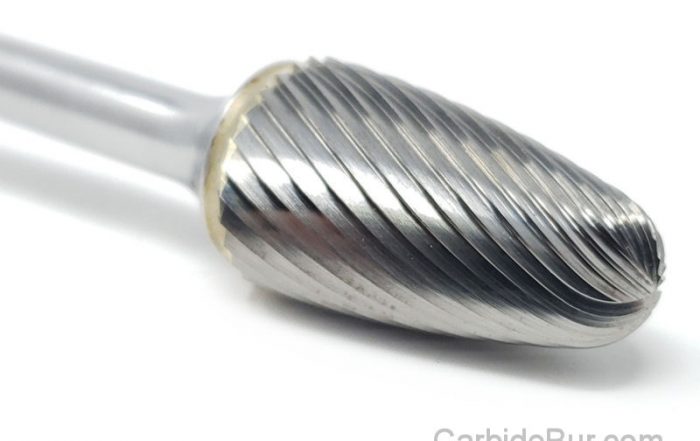
Best Carbide Burr for Enlarging a Hole in Metal
Best Carbide Burr for Enlarging a Hole in Metal When you need to enlarge a hole in metal, grabbing the wrong carbide burr can turn a simple task into a frustrating mess. Picking the best [...]
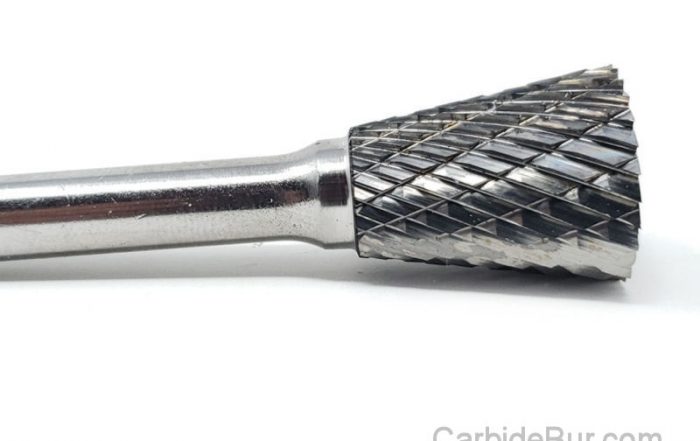
Carbide Burr Safety: 15 Mistakes That Can Cause Injury or Damage
Carbide Burr Safety: 15 Mistakes That Can Cause Injury or Damage Carbide burr safety is often overlooked until a costly mistake happens. Many metalworkers and DIYers make the same errors that lead to injuries or [...]
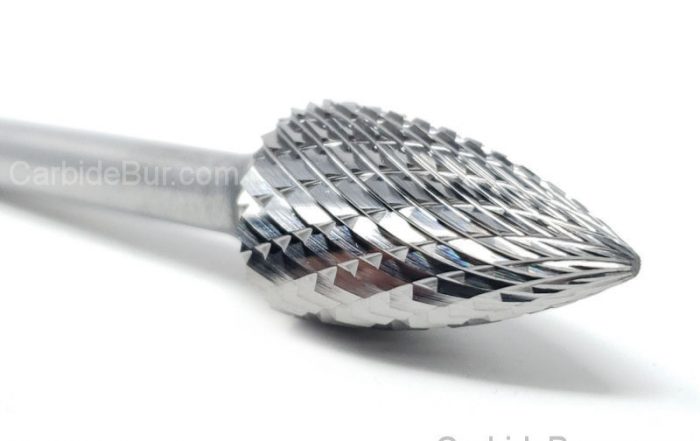
Can You Use a Carbide Burr in a Drill?
Can You Use a Carbide Burr in a Drill? Most people think a standard drill can’t handle a carbide burr, but that’s not true. Using carbide burr in the right drill can speed up your [...]
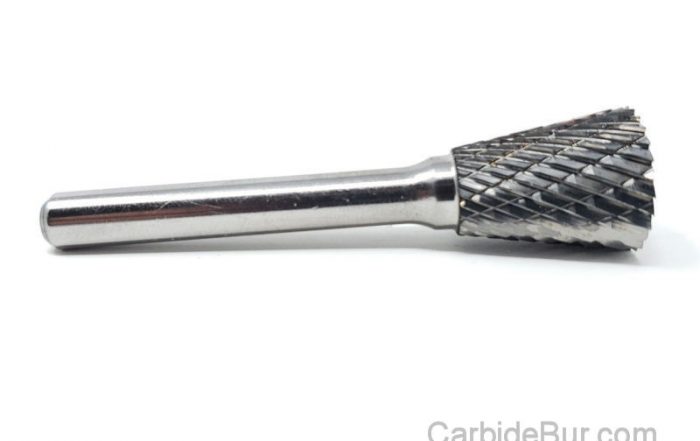
Carbide Burrs for Removing Rust: What Works Best?
Carbide Burrs for Removing Rust: What Works Best? Rust can turn your favorite tools into useless junk faster than you expect. Removing it without ruining the metal underneath takes more than just elbow grease—it demands [...]
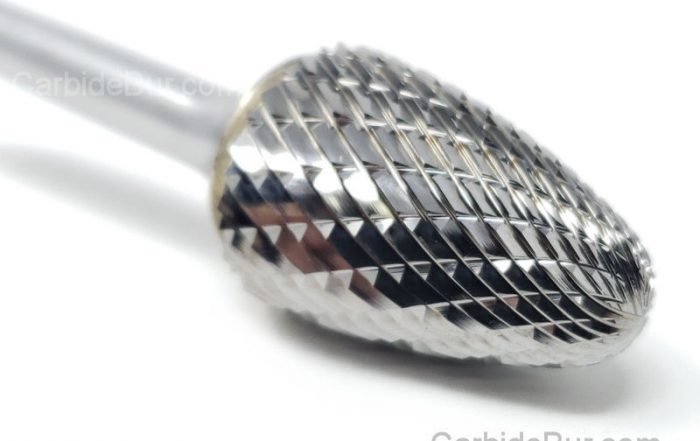
How Much Pressure Should You Use With a Carbide Burr?
How Much Pressure Should You Use With a Carbide Burr? Most people think pressing harder with a carbide burr speeds up the job. That’s not true—too much pressure wears out your tool and ruins the [...]
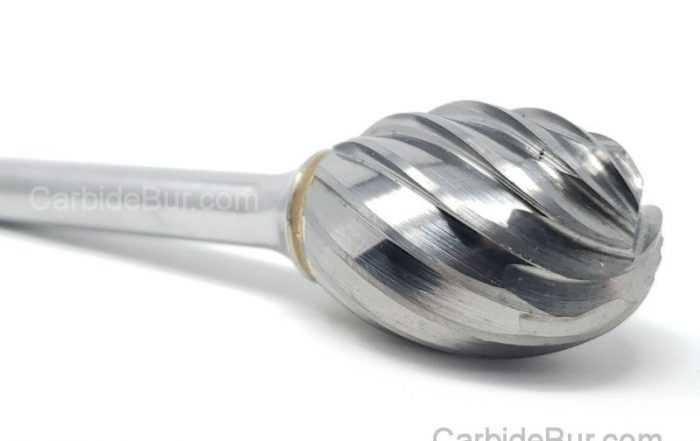
Can You Use Carbide Burrs With an Air Die Grinder?
Can You Use Carbide Burrs With an Air Die Grinder? Most people don’t realize how well carbide burrs work with air die grinders until they try them. If you’ve ever struggled with finding the right [...]
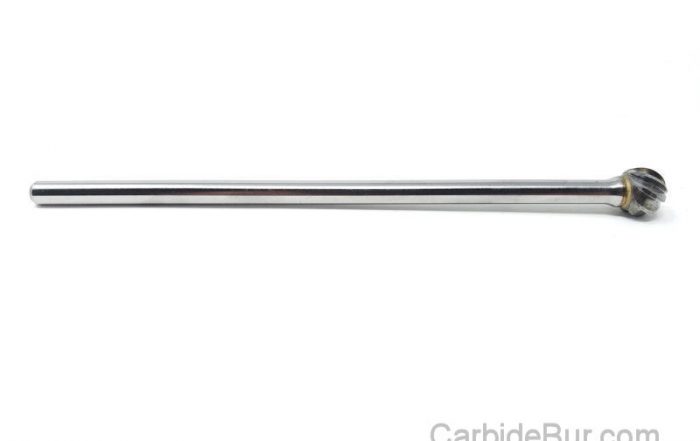
Best Long Reach Carbide Burr for Deep Metal Work
Best Long Reach Carbide Burr for Deep Metal Work Long reach carbide burrs often promise deep metal access, but many fall short where it counts most. You need a tool that cuts cleanly, lasts through [...]
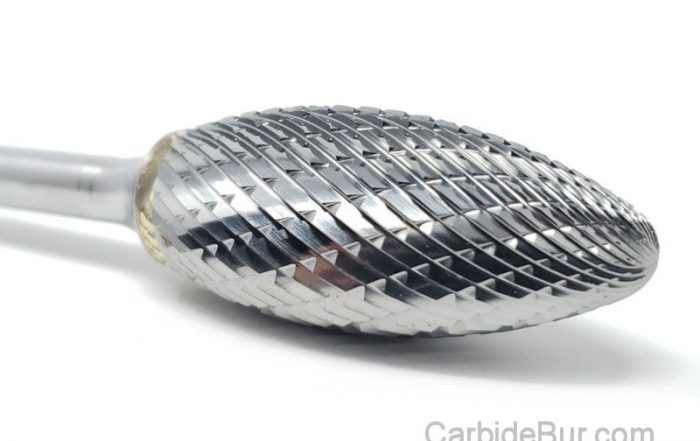
What RPM Should You Use for a 1/8 Inch Carbide Burr?
What RPM Should You Use for a 1/8 Inch Carbide Burr? Most people guess the right carbide burr RPM by feel—and waste hours redoing work. If you want cleaner cuts and longer tool life, your [...]
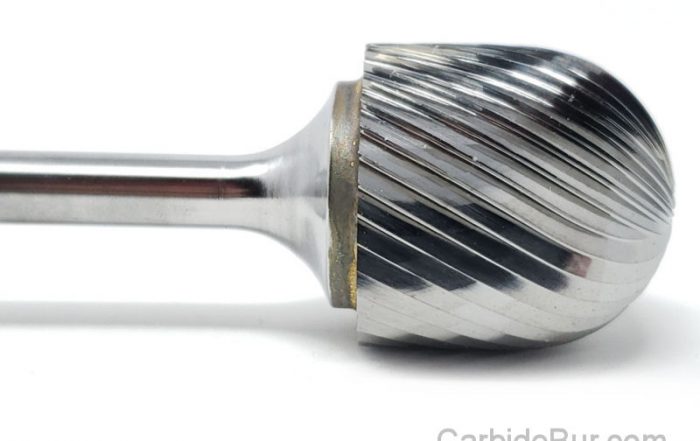
Carbide Burrs for Tight Spaces: Choosing the Right Shape
Carbide Burrs for Tight Spaces: Choosing the Right Shape Tackling tight spaces with the wrong carbide burrs wastes time and risks damaging your work. Choosing the right burr shape makes all the difference when working [...]
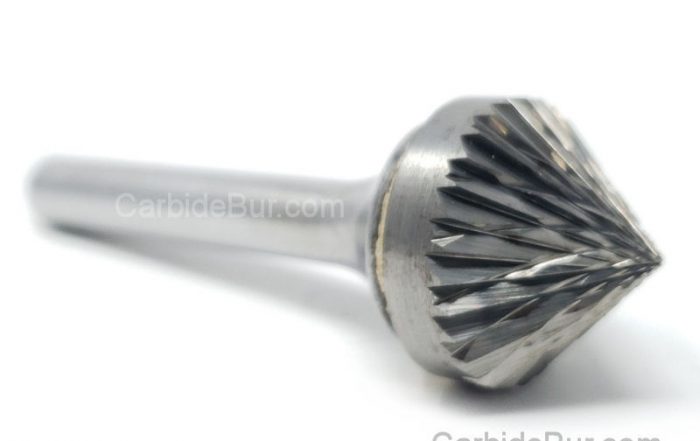
Can Carbide Burrs Remove Paint From Metal?
Can Carbide Burrs Remove Paint From Metal? Stripping paint from metal often feels like a tough chore that risks damaging the surface underneath. Many turn to carbide burrs hoping they can speed things up without [...]
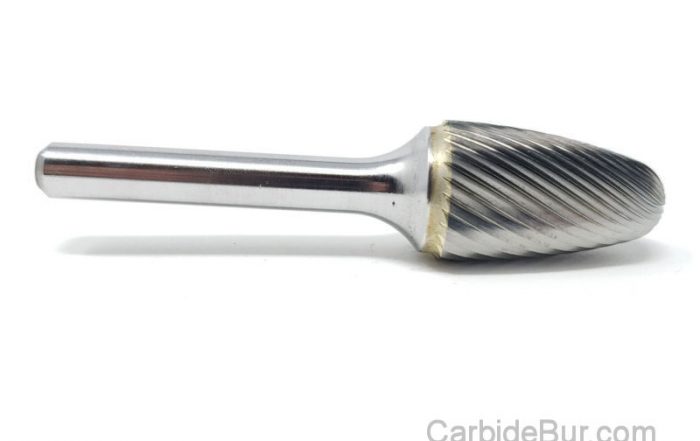
How to Grind a Groove in Metal With a Carbide Burr
How to Grind a Groove in Metal With a Carbide Burr Most metalworkers struggle to cut clean grooves without wasting time or ruining their workpiece. Many try different metalworking tools but end up with uneven [...]
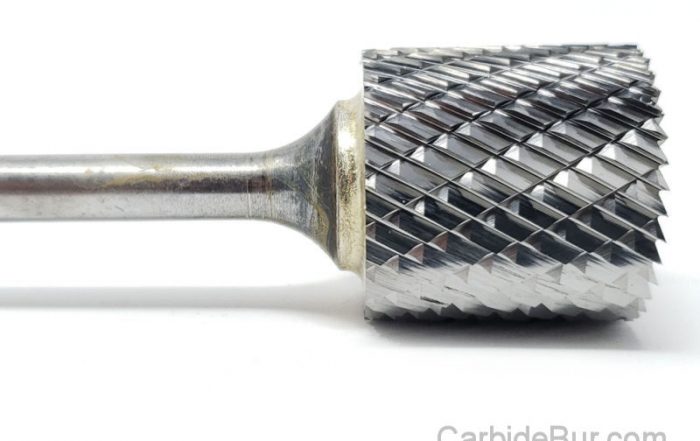
Can Carbide Burrs Cut Through Welds?
Can Carbide Burrs Cut Through Welds? Cutting through welds can feel like a battle, especially when you need clean results without harming the base metal. Carbide burrs offer a sharp edge in this fight, but [...]
